Can A Desert Herb Support Healthy Blood Pressure? The Science Of Cistanche Tubulosa And Vascular Health
Jul 03, 2026
Blood pressure is a number that can feel like a verdict. When it creeps from "normal" into "prehypertension" or stage 1 hypertension, the first response is often a prescription for lifestyle changes-less salt, more exercise, weight loss. But for many, those changes don't go far enough, and the specter of lifelong medication looms. What if a botanical could complement your efforts, gently supporting the blood vessels themselves to relax and stay flexible? Cistanche tubulosa, a desert herb long prized for vitality, is now being studied for its vasorelaxant properties-the ability to help blood vessels widen and ease the pressure within.
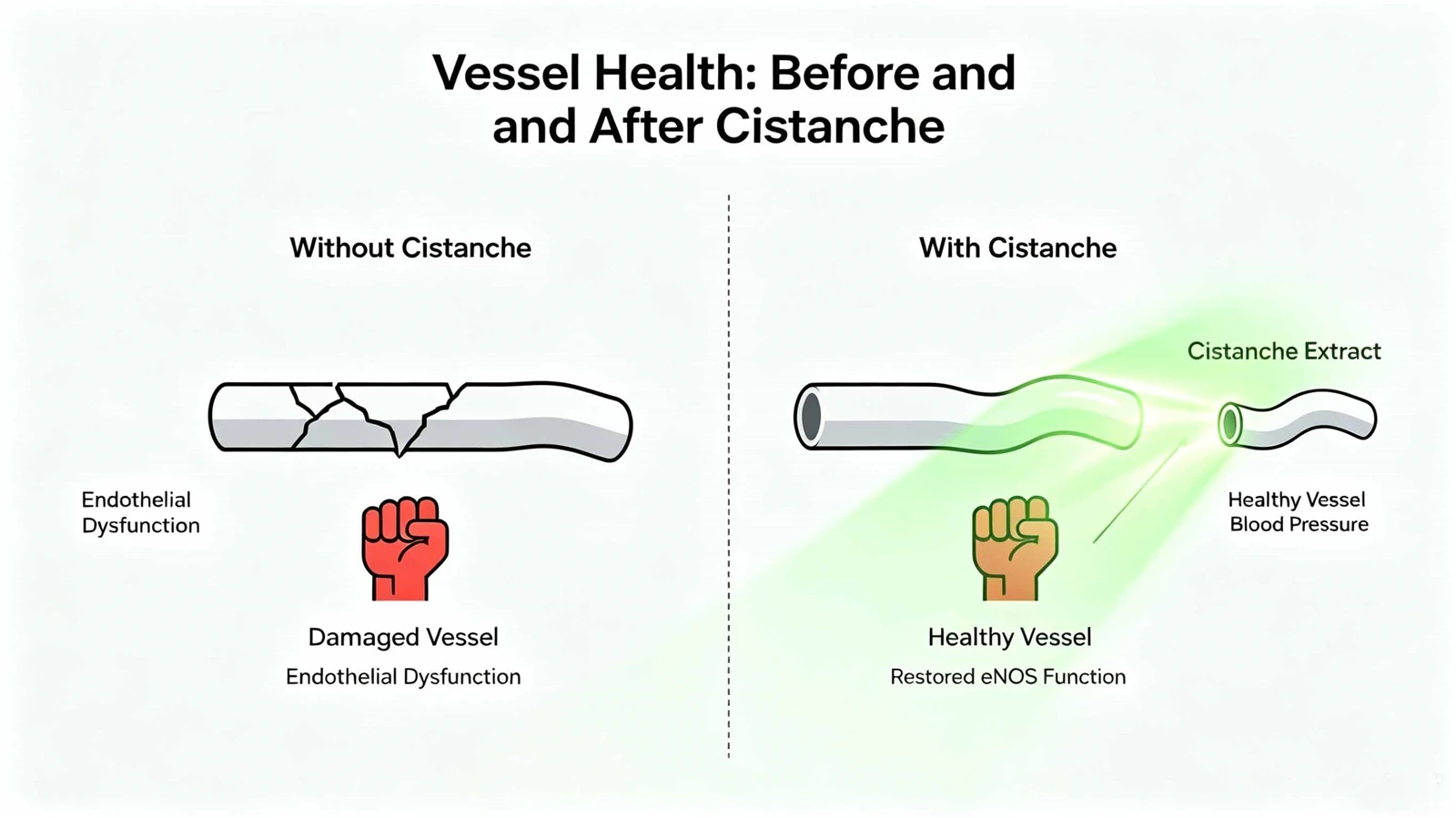
The Endothelium: Your Internal Guardian of Pressure
Blood pressure is not determined by the heart alone. The inner lining of every artery, a single layer of cells called the endothelium, plays a master regulatory role. Healthy endothelial cells produce nitric oxide (NO), a gas molecule that diffuses into the smooth muscle layer of the artery and signals it to relax. This vasodilation reduces peripheral resistance, lowering blood pressure and ensuring that organs receive adequate blood flow. NO also inhibits platelet aggregation and prevents the adhesion of white blood cells to the vessel wall, providing a crucial anti-atherosclerotic shield.
With age, oxidative stress, and poor lifestyle habits, the endothelium becomes dysfunctional. The enzyme that produces NO, endothelial nitric oxide synthase (eNOS), becomes "uncoupled," generating superoxide instead of NO. Simultaneously, the renin-angiotensin-aldosterone system (RAAS) can become overactive, producing excess angiotensin II, a potent vasoconstrictor that also drives inflammation and fibrosis in the vessel wall. The net result is a vicious cycle: less vasodilation, more vasoconstriction, stiffening arteries, and rising blood pressure. An ideal natural support for vascular health would therefore restore NO production, protect eNOS function, and moderate the RAAS-driven constriction.
How Cistanche Tubulosa Relaxes Blood Vessels
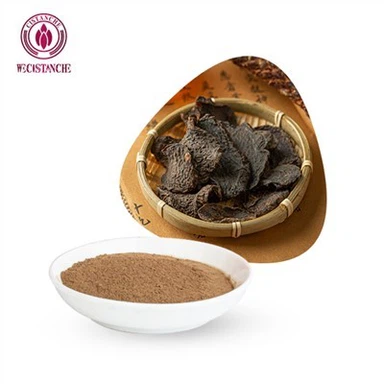
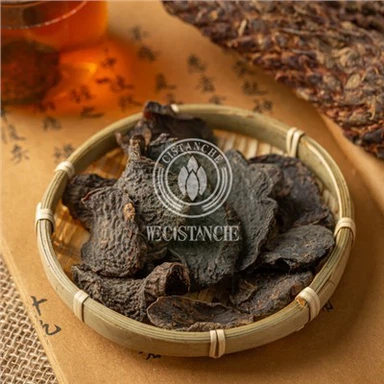
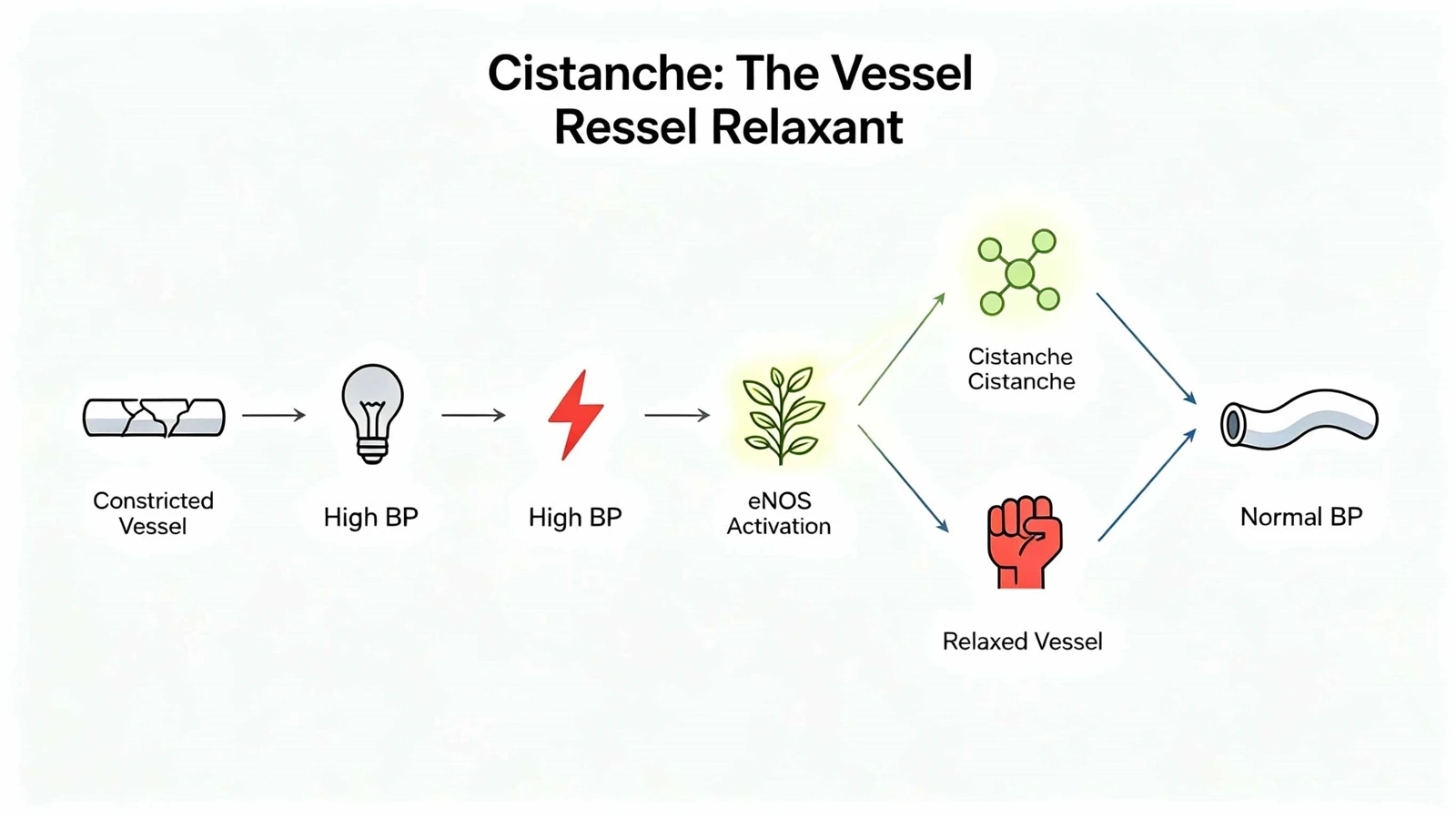
Cistanche tubulosa extract is a rich source of acteoside and echinacoside, two phenylethanoid glycosides that have demonstrated remarkable vasorelaxant effects in experimental models. A key study published in the Journal of Ethnopharmacology examined the direct vascular effects of Cistanche tubulosa phenylethanoid glycosides on isolated rat aortic rings. The compounds produced a significant, endothelium-dependent relaxation of the arteries. The mechanism was traced to enhanced eNOS activity and increased NO production in endothelial cells. Blocking NO synthesis abolished the vasorelaxant effect, confirming that the extract works through the body's own NO-cGMP signaling pathway.
This NO-mediated relaxation is fundamentally different from the mechanism of calcium channel blockers or ACE inhibitors. Instead of pharmacologically blocking a receptor or channel, the extract supports the endothelium's natural ability to produce its own vasodilator. This aligns with a preventive, restorative approach to vascular health rather than a forceful intervention.
Further research has revealed that acteoside also possesses the ability to inhibit angiotensin-converting enzyme (ACE) in vitro. ACE is the enzyme that generates angiotensin II, the master vasoconstrictor. By inhibiting ACE, acteoside may help dampen the RAAS-driven vasoconstriction, adding a second layer of blood pressure support. Additionally, the antioxidant properties of these glycosides protect eNOS from oxidative uncoupling, preserving its ability to generate NO rather than harmful superoxide. A comprehensive 2022 review in Frontiers in Pharmacology highlighted these vascular protective mechanisms, confirming that Cistanche tubulosa compounds act on multiple targets within the vascular system.
Beyond Pressure: Protecting the Vessel Wall
High blood pressure is a major risk factor for atherosclerosis, but the damage occurs through inflammation and oxidative modification of lipids within the vessel wall. Here, Cistanche's broad-spectrum antioxidant effects offer additional protection. The phenylethanoid glycosides have been shown to inhibit the oxidation of low-density lipoprotein (LDL), a critical early step in plaque formation. By reducing oxidative stress throughout the vasculature, they help maintain the health of the endothelium and the smooth muscle beneath it. This is why traditional medicine long employed Cistanche as a tonic for "invigorating blood circulation"-a description that modern vascular biology now explains through NO, eNOS, and antioxidant activity.
Integrating Cistanche for Daily Vascular Support
For individuals with prehypertension (systolic 120–139 mmHg or diastolic 80–89 mmHg) or mild hypertension managed without medication, Cistanche tubulosa extract may serve as a complementary daily support. A dose of 400–600 mg of a standardized extract, providing a consistent level of acteoside and echinacoside, can be taken with or without food. Because it works gently through endothelial pathways, it does not cause sudden drops in blood pressure, which makes it safer than some strong herbal vasodilators. However, it is not a substitute for medically prescribed antihypertensive medications, and anyone with diagnosed hypertension should not discontinue their medication without consulting their physician.
The extract pairs well with established lifestyle interventions: the DASH diet (rich in fruits, vegetables, and low-fat dairy), regular aerobic exercise, and stress reduction. Our CardioFlow Cistanche Extract is sourced from authentic Cistanche tubulosa and standardized to deliver the vascular-supportive compounds at research-consistent potencies. Each batch is verified by third-party analysis, so you can trust what you're putting into your cardiovascular system.
Safety Considerations
Cistanche tubulosa is well tolerated, with no significant reported toxicity at recommended doses. However, because it may exert a mild blood pressure-lowering effect through NO production, individuals already taking antihypertensive drugs-especially nitrates, phosphodiesterase-5 inhibitors (like sildenafil), or ACE inhibitors-should exercise caution and consult their cardiologist to avoid additive effects that could lead to hypotension. For those not on medication, it offers a gentle, long-term strategy to help keep the vessels relaxed, flexible, and resilient against the stiffening that accompanies aging and modern stress. In the quiet battle against rising pressure, this desert root may be a meaningful ally.
Supportive Service Of Wecistanche-For more details about cooperation
Business contact: goujinsong@wecistanche.com