Cistanche Tubulosa Extract And Male Vitality
Oct 19, 2026
Abstract: Cistanche tubulosa is frequently promoted in Chinese-language wellness markets as a kidney-tonifying and essence-nourishing botanical, and its extracts are often linked to male sexual performance, energy, exercise capacity, and reproductive health. Preclinical studies suggest that phenylethanoid glycosides-especially echinacoside and acteoside (verbascoside)-may reduce oxidative stress, support testicular steroidogenesis, influence the hypothalamic–pituitary–gonadal axis, and relax vascular smooth muscle through nitric oxide–cGMP pathways. These findings provide plausible mechanisms but do not establish efficacy in healthy men. Human evidence directly addressing testosterone, erectile function, semen quality, or strength remains sparse. This review separates sexual health, vitality, physical performance, and reproductive function; evaluates mechanisms and clinical data; and presents a cautious safety framework.

The efficacy of Cistanche - enhancing sexual function
Keywords: Cistanche tubulosa; echinacoside; acteoside; verbascoside; male reproductive health; testosterone; erectile function; dietary supplement
1. Defining male vitality before evaluating a supplement
"Male power" is a marketing phrase rather than a single clinical endpoint. It can refer to libido, erectile quality, sexual satisfaction, serum testosterone, sperm concentration, muscle growth, endurance, fatigue, or self-perceived masculinity. These domains overlap but are not interchangeable. A man may have normal testosterone and still experience psychogenic erectile dysfunction; another may improve his exercise performance through training while having no change in semen parameters. Therefore, this article evaluates C. tubulosa extract across four domains: sexual function, subjective energy and physical performance, reproductive and hormonal health, and overall well-being. This separation is essential because evidence for one domain cannot be transferred to another without direct human data.
A quality specification also does not establish a health claim. Pharmacopoeial standards for C. tubulosa measure echinacoside and acteoside and require their combined content to meet a defined minimum. Such standards help ensure that a botanical material contains specified marker constituents, but a marker-compliance certificate does not prove that the product raises testosterone, improves erections, increases sperm count, or enhances athletic performance in humans. Quality control, pharmacological activity, and clinical benefit are related but non-substitutable questions. Quality control asks whether the product was made to specification; pharmacological activity asks whether an effect occurs in a defined model and dose; clinical benefit asks whether a target population achieves meaningful, reproducible improvement at acceptable risk.

Effects of cistanche-improve kidney function
The most common consumer error is to infer a clinical outcome directly from chemistry: because the extract contains antioxidant compounds, it is assumed to enhance male performance. An in vitro antioxidant effect does not guarantee sufficient exposure in the corpus cavernosum, testis, or hypothalamus at a safe human dose. Similarly, increased testosterone in an animal model does not necessarily mean that healthy human testosterone will enter a clinically meaningful deficient-to-replacement range. The review therefore evaluates research design, endpoints, population, dose, comparators, and adverse events rather than collecting isolated positive findings.
2. Traditional use is a hypothesis generator, not a substitute for trial evidence
Cistanche species have a long history in traditional medicine for syndromes interpreted as kidney-yang deficiency, essence insufficiency, fatigue, and constipation. Historical use is valuable because it identifies priorities for pharmacological screening, but it cannot determine modern efficacy, optimal extract composition, dose, duration, or safety in contemporary populations. Traditional preparations, raw material identity, and manufacturing processes differ substantially from standardized capsules or concentrated extracts.
Botanical identity and extract chemistry matter. C. tubulosa is a distinct species from C. deserticola, and research on one species should not be automatically transferred to the other. Within C. tubulosa itself, harvesting conditions, host plants, extraction solvent, concentration, purification, and storage alter the final profile of phenylethanoid glycosides, polysaccharides, and other constituents. After oral administration, gut microbial metabolism and hepatic transformation may further modify exposure. Consequently, a positive study with one 30% ethanolic extract cannot be interpreted as proof that every tincture, tea, capsule, or wine product will have the same effect. Water and ethanolic extracts may differ in polarity, carbohydrate content, and glycoside composition; total extracts and enriched total-glycoside fractions may also differ in pharmacokinetics and tolerability.

cistanche extract powder
Even a declared total-glycoside content is incomplete information. The total represents a family of structurally related compounds and does not identify their individual proportions or guarantee inter-batch consistency. A credible product evaluation also requires botanical authentication, contaminant testing, residual-solvent and microbial limits, stability data, packaging conditions, and an explicit serving size. Without these details, knowing the total glycosides per serving does not allow meaningful comparison with published research extracts. Standardization is a prerequisite for science and comparison, not proof of efficacy in itself.
Translating traditional preparation into modern use is also difficult. Decoctions, alcoholic macerations, multi-herb formulas, and concentrated capsules are not compositionally equivalent. Ancient dosage, frequency, processing, and indications cannot be converted into modern supplement advice through simple arithmetic. The correct pathway is to identify candidate substances using phytochemistry and pharmacology, then test them sequentially in cellular, animal, and human studies. This principle applies not only to C. tubulosa but to many botanicals with long traditional histories.

Cistanche tubulosa extract
3. Mechanistic rationale: oxidative defense, steroidogenesis, and vascular signaling
The principal compounds of interest are phenylethanoid glycosides, notably echinacoside and acteoside. In cellular systems, these compounds can reduce reactive oxygen species, inhibit lipid peroxidation, and influence antioxidant enzymes. The male reproductive tract is relevant because excess oxidative stress can damage sperm DNA, membranes, and mitochondria and may disrupt Sertoli-cell, Leydig-cell, and endothelial function. An antioxidant effect may therefore improve the environment in which gametes and steroidogenic cells operate, but it does not by itself demonstrate androgen production or fertility enhancement.
In animal reproductive models, C. tubulosa extracts and enriched fractions have increased luteinizing hormone, testosterone, and enzymes involved in testosterone biosynthesis, including steroidogenic acute regulatory protein, CYP11A1, and 3β-hydroxysteroid dehydrogenase. These findings support a hypothesis that the material can modulate the hypothalamic–pituitary–gonadal axis and intratesticular steroidogenesis. Their translational meaning is narrower than marketing claims suggest: most observations arise from normal animals or from models with chemical injury, glucocorticoid exposure, environmental toxicant exposure, or diabetes. Reversing a pathological deficit does not establish supranormal androgen enhancement in healthy men.
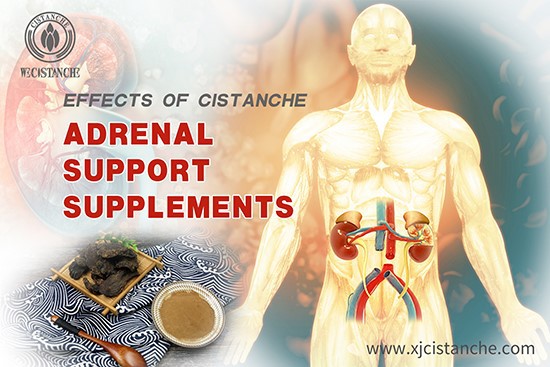
Effects of cistanche-Improve Kidney Function
For erectile physiology, vascular smooth-muscle relaxation and adequate arterial inflow are central. Echinacoside has produced endothelium-dependent relaxation of isolated rat aortic rings through an NO-cGMP mechanism and increased cGMP production. Because erection depends partly on nitric oxide signaling in penile tissue, this pathway is biologically plausible. Yet ex vivo aortic pharmacology cannot be equated with human penile pharmacology, and an extract that relaxes isolated vessels may still have unpredictable effects in men with cardiovascular disease, diabetes, or polypharmacy. The difference between a signal molecule and a clinically effective exposure remains substantial.
Nitric oxide has a well-established role in male erectile physiology. Sexual stimulation promotes nitric oxide release from nerves and endothelium, activating guanylate cyclase, increasing cGMP, lowering intracellular calcium, and relaxing cavernosal smooth muscle. The resulting arterial dilation and increased blood flow support erection and its maintenance. Phosphodiesterase type 5 inhibitors such as sildenafil slow cGMP degradation. C. tubulosa glycosides may influence nitric oxide generation or downstream signaling in isolated systems, but this does not demonstrate that an oral extract can safely achieve clinically relevant concentrations in human penile tissue or replace a prescription therapy.
Taken together, the three mechanistic streams suggest that the extract might improve the cellular or vascular environment rather than act as a proven hormone replacement or potent vasodilator. Antioxidant effects may reduce injury to gametes and endothelium; steroidogenesis modulation may support hormonal synthesis; and NO-cGMP effects may contribute to vascular relaxation. These pathways could be complementary, but no evidence shows they act simultaneously, robustly, and significantly in healthy men. In a multi-level regulatory system, enhancement of one pathway does not automatically translate into improved whole-body function.

The efficacy of Cistanche - enhancing sexual function
Click here to view Improve Sexual Function Cistanche products
【Ask for more】 Email:cindy.xue@wecistanche.com / WhatsApp: 0086 18599088692 / WeChat: 18599088692
4. Animal findings are encouraging signals, not clinical validation
Rodent studies have reported increases in sperm count and motility, reductions in abnormal sperm, improvements in sexual-behavior endpoints, and changes in organ weights after treatment with C. tubulosa extract or phenylethanoid glycosides. At the same time, high-dose animal studies have also reported adverse signals, including mild hepatic edema. This dose-dependent profile cautions against assuming that higher extract intake is uniformly better. The therapeutic window, long-term tolerance, and relevance to human dosing remain poorly defined.
Disease models require careful interpretation. In diabetic rat models, echinacoside and C. tubulosa extract have improved oxidative stress, inflammation, and some reproductive or hormonal parameters. Diabetes can damage nerves, vessels, the testis, and metabolic regulation; therefore, a protective effect in this context is scientifically reasonable. However, sexual dysfunction and infertility in men with diabetes are multifactorial. A single preclinical extract study cannot address vascular, neurological, psychological, glycemic, and medication-related contributors simultaneously.
Similarly, anti-fatigue experiments measure outcomes such as loaded swimming time, glycogen depletion, lactate accumulation, or oxidative stress in constrained animal models. These outcomes do not directly predict muscle hypertrophy, maximal strength, sprint performance, or elite athletic gains in trained humans. Nutrition, training history, sleep, motivation, and test protocols dominate human performance. Preclinical stamina results can motivate human trials, but they cannot serve as evidence of athletic enhancement. In competitive sport, periodized training, nutritional timing, recovery, and sleep usually explain much larger portions of variance than any single botanical supplement.

Superman herbs cistanche-Improve Sexual Function
Disease models and healthy-animal models also require separate interpretation. Healthy animals may not have hormonal deficiency or severe oxidative stress, so their response may not represent at-risk or clinical populations. Conversely, a pathological marker reversed in a disease model does not imply further improvement in a healthy person with normal baseline values. For example, a compound that reduces oxidative stress in diabetic rats may have little additional effect in a metabolically well-controlled individual. Positive findings based on very high animal doses may also fall outside the safe exposure range in humans. Study evaluation should report model, route, dose, duration, and effect size rather than only stating efficacy.
Dose–response relationships deserve particular emphasis. In natural-product research, low, middle, and high doses can produce different magnitudes or even directions of effect. Some animal studies show no statistically significant change at a lower dose while a middle dose provides protection; others report organ-related signals at higher doses. This does not permit the simplistic conclusion that higher doses are more dangerous-models and endpoints differ-but it clearly argues against escalating intake because an ingredient is natural. Human dose selection should emerge from safety and dose-finding trials, not from linear conversion of animal milligrams per kilogram.
5. Human evidence: early but not male-sexual-health specific
As of the evidence reviewed here, randomized, double-blind, placebo-controlled trials of isolated C. tubulosa extract in healthy men are limited, and available human studies differ in population, formulation, and endpoints. A small trial examined a 30% ethanolic extract in 26 participants with preclinical or mild locomotive syndrome. After 12 weeks, older participants showed improved two-step stride width and 5-meter gait speed relative to placebo; trunk and limb skeletal muscle mass did not change, and blood tests showed no obvious adverse events. This supports a potential functional-mobility signal, not an effect on testosterone, erection, semen, or muscle mass in healthy males.

Cistanche tubulosa experiment
Another randomized study used a combination product containing C. tubulosa and Ginkgo biloba in 190 people with chronic fatigue syndrome. After 60 days, questionnaires for fatigue, quality of life, and sexual-life quality improved, while blood ammonia and lactate changed relative to placebo. Because the intervention was a combination rather than isolated C. tubulosa, and because the participants were not selected for erectile dysfunction or hypogonadism, this study cannot attribute the benefits to C. tubulosa. It can only suggest that the combination merits component-specific follow-up.
The most defensible conclusion is therefore modest: there is insufficient direct human evidence to claim that C. tubulosa reliably raises testosterone, treats erectile dysfunction, improves sperm parameters, or enhances strength in men. The mechanistic and animal literature is stronger for oxidative stress, steroidogenesis, vascular relaxation, and certain functional outcomes. The human literature is substantially less mature for male sexual and reproductive endpoints. The evidence supports further research, not blanket performance claims. "Unproven" should not be misread as "proven ineffective"; it means the current evidence base is not strong enough for a confident positive recommendation.

Effects of cistanche-improve sexual function
Evidence grade directly affects use decisions. For erectile dysfunction, regulated drugs have been studied in large randomized trials and have comparatively mature dosing, contraindication, and interaction data. Relying on an under-studied botanical may delay evidence-based care. For general fatigue or mobility limitation, medical nutrition therapy, exercise rehabilitation, and disease management usually have stronger foundations. C. tubulosa extract may become an adjunctive option, but it should not replace validated therapies in current clinical decision-making. This distinction matters especially for middle-aged and older men with cardiovascular disease, diabetes, or prostate concerns.
Scientific scrutiny of marketing claims is compatible with respect for traditional medicine. Identifying research gaps is precisely what enables botanical modernization. Only with traceable raw materials, stable extract fingerprints, well-defined human endpoints, and transparent adverse-event reporting can traditional resources move from narrative tradition into evidence-based products. Skipping those steps and relying on vague terms such as kidney tonifying or testosterone boosting neither produces credible conclusions nor protects consumers from spending on unvalidated regimens.
6. A clinical pathway matters more than self-experimentation
When low libido or erectile difficulty is the concern, evaluation should begin with reversible and treatable causes. Psychological stress, relationship factors, poor sleep, depression and anxiety, thyroid dysfunction, diabetes, hypertension, dyslipidemia, obesity, smoking, alcohol use, chronic kidney disease, and many antidepressants or antihypertensives may contribute. Validated symptom scales, nocturnal erection assessment where appropriate, blood pressure, glucose and lipid testing, and hormonal work-up-including total testosterone and, when indicated, free testosterone, luteinizing hormone, and prolactin-offer more diagnostic value than an unregulated supplement.
For fertility evaluation, semen analysis should assess volume, liquefaction, pH, sperm concentration, total sperm count, motility, and morphology. A single abnormal test is rarely sufficient for diagnosis; repeat testing and exclusion of infection, varicocele, heat exposure, toxic exposures, drugs, and lifestyle factors are necessary. Suspected testosterone deficiency likewise requires symptoms plus confirmatory testing that accounts for timing, sex hormone-binding globulin, free testosterone, and pituitary hormones. C. tubulosa extract should never delay diagnosis or replace evidence-based therapies such as PDE5 inhibitors, supervised testosterone therapy where appropriate, metabolic control, or reproductive specialist care. For couples attempting conception, time is a meaningful consideration; prolonged self-experimentation may reduce the window for effective evaluation and treatment.

Effects of cistanche-improve kidney function
Testosterone therapy itself requires balanced judgment. Testosterone is not a universal treatment for low mood, fatigue, or athletic ambition. In the presence of prostate cancer, severe sleep apnea, marked erythrocytosis, or high cardiovascular risk, exogenous testosterone can create additional hazards. Conversely, when a man has confirmed hypogonadism and a clear indication, clinician-supervised therapy is usually more direct than self-administered botanical extracts. Even if an extract can influence the hormonal axis, it cannot substitute for individualized diagnosis and risk monitoring. "Natural testosterone support" does not remove medical boundaries.
Psychological and relational factors also belong in the assessment. Anxiety, stress, relationship conflict, body-image concerns, past sexual experiences, and depression can affect libido and erectile function without being corrected by raising testosterone. For men whose main concern is confidence or a subjective sense of masculinity, counseling, sleep improvement, exercise, and communication may be more useful than supplements. Attributing complex subjective experience solely to hormonal insufficiency can miss the actual cause and encourage dependency on products rather than engagement with effective care.

7. Safety cannot be inferred from "natural" status
Traditional familiarity and preclinical toxicity studies do not eliminate safety concerns for standardized extracts. In its opinion on a specific water extract proposed as a novel food, the European Food Safety Authority noted that an integrated analysis of three studies involving 1,076 patients with vascular dementia, receiving 1,800 mg daily, identified 12 adverse events classified as definitely, probably, or possibly related to the product. Two were severe: cerebral hemorrhage and epilepsy. The authority concluded that the safety of that novel food had not been established. This opinion applies to a particular extract and application, not to every C. tubulosa product, but it provides a clear warning against assuming safety from traditional use.
A separate animal study observed mild hepatic edema at a high dose of ethanol extract, reinforcing the need for dose-specific human data. Men should be especially cautious if they take anticoagulants, antihypertensives, testosterone or other hormonal therapies, phosphodiesterase type 5 inhibitors, antidepressants, or antidiabetic drugs; interactions have not been systematically excluded. People with prostate cancer, breast cancer, hormone-sensitive conditions, severe liver disease, bleeding disorders, or complex medication regimens should not self-administer concentrated extracts. Pregnant or breastfeeding women, children, and people with autoimmune disease should also avoid use without specialist guidance.
Because crude Cistanche preparations have traditional laxative uses, high-dose products may alter bowel movements. This is not necessarily dangerous for healthy users but can interact with diarrhea, electrolyte problems, renal impairment, or diuretic therapy. "Standardized total glycosides" on a label is not a substitute for independent assays, contaminant screening, or consistent batch documentation. People using anticoagulants should treat any new botanical product as a potential variable, because bleeding, bruising, or other changes may not be immediately recognized as product-related.
Regulatory opinion must be interpreted precisely. The European Food Safety Authority's conclusion that a particular water extract's safety was not established does not mean every C. tubulosa product in every country, dose, and formulation is proven harmful. It means the submitted dossier was insufficient for the authority to confirm safety, particularly given serious adverse events in prior human studies and limitations in toxicological data. This cautious position should be respected rather than selectively omitted by marketing materials. Consumers who see claims such as internationally certified safe or naturally free of side effects should request the scope of certification, laboratory reports, adverse-event summaries, and exact product specifications.
Long-term safety is another evidence gap. Most studies are short, and multi-year data on organ function, the hormonal axis, coagulation, hepatic and renal outcomes, and cardiovascular events are lacking. Even if short-term blood tests show no obvious changes, long-term safety cannot be inferred. Men who also consume alcohol, sleep poorly, use anabolic steroids, or combine multiple testosterone-boosting products face especially difficult-to-predict interactions. The basic safety principle is to simplify ingredients, keep doses traceable, and seek care promptly when persistent symptoms arise.
References
Chinese Pharmacopoeia standards for Cistanche: the combined echinacoside and acteoside content in Cistanche tubulosa must not be less than 1.5% as specified in the relevant pharmacopoeial monograph.
Kong ZL, et al. Effect of Cistanche Tubulosa Extracts on Male Reproductive Function in Streptozotocin–Nicotinamide-Induced Diabetic Rats. Nutrients. 2018;10(10):1562.
He WJ, et al. Echinacoside elicits endothelium-dependent relaxation in rat aortic rings via an NO-cGMP pathway. Planta Medica. 2009.
Wang Y, et al. Cistanche tubulosa ethanol extract mediates rat sex hormone levels by induction of testicular steroidogenic enzymes. Pharmaceutical Biology. 2016.
Inada Y, Tohda C, Yang X. Effects of Cistanche tubulosa Wight Extract on Locomotive Syndrome: A Placebo-Controlled, Randomized, Double-Blind Study. Nutrients. 2021;13(1):264.
European Food Safety Authority. Safety of water extract of Cistanche tubulosa stems as a Novel Food. EFSA Journal. 2021;19(1):6346.