Can Cistanche Tubulosa Extract Prevent Stress-Induced Gastric Ulcers? Insights From Animal Studies And TCM Wisdom
Jan 08, 2026
Keywords: TCM herb for stress-induced gastric ulcer, Cistanche tubulosa extract, natural antioxidant for ulcers, oxidative stress, herbal ulcer remedy, traditional Chinese medicine for gastrointestinal health
Introduction
Stress-induced gastric ulcers-often triggered by trauma, surgery, shock, or severe psychological distress-are acute gastric lesions with high morbidity and potential complications like bleeding or perforation. While conventional drugs such as ranitidine offer fast relief, long-term use can carry side effects, prompting a growing interest in Traditional Chinese Medicine (TCM) herbs that offer both gastroprotection and antioxidant support.
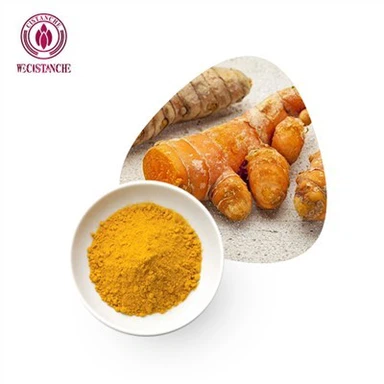
One of the most promising candidates is Cistanche tubulosa, a desert herb known in TCM as Rou Cong Rong (肉苁蓉). A recent animal study sheds light on the preventive effect of different Cistanche tubulosa extracts against stress-induced gastric ulcers in rats, with compelling results.
Tcm Herb Cistanche Or Stress-induced Gastric Ulcer

Click for more details of herb cistanche
Study Background: Evaluating the Ulcer-Preventive Potential of Cistanche Extracts
1. Gastric Ulcer Index
In a controlled experiment using the restraint water-immersion stress model (RWIS) in rats, three Cistanche tubulosa extracts were tested alongside a control group (distilled water) and a drug group (ranitidine 68 mg/kg).
Control Group (Water): Ulcer Index = 85.6 ± 5.93
Cistanche Extract No.1: 68.40 ± 4.81
Cistanche Extract No.2: 54.80 ± 5.18
Cistanche Extract No.3: 45.60 ± 3.34
Ranitidine Group: 40.80 ± 2.70
Statistical analysis showed significant reductions in ulcer scores in all extract groups (p < 0.01), with Extract No.3 showing the closest performance to ranitidine (p = 0.02). This suggests a potent gastroprotective effect that rivals synthetic drugs.
2. Gastric Mucosal Integrity
Gastric tissue observations confirmed these results:
The control group exhibited severe mucosal damage.
Extract No.3 had the least ulcerated area, followed by No.2 and No.1.
The ranitidine group showed the least gastric injury overall.

Supportive Service Of Wecistanche-For more details about cooperation
Email:wallence.suen@wecistanche.com
3. Oxidative Stress: MDA Levels
Malondialdehyde (MDA) is a marker of oxidative damage. Lower levels indicate stronger antioxidant defenses.
Control Group: 2.02 ± 0.09 mmol/L
Extract No.1: 1.44 ± 0.08 mmol/L
Extract No.2: 1.12 ± 0.08 mmol/L
Extract No.3: 0.81 ± 0.06 mmol/L
Ranitidine Group: 0.67 ± 0.02 mmol/L
All treatments significantly reduced MDA (p < 0.01), and Extract No.3 nearly matched ranitidine (p = 0.02), suggesting a robust lipid peroxidation-inhibiting effect.
4. Antioxidant Enzyme Activity: SOD Levels
Superoxide dismutase (SOD) is a key antioxidant enzyme. Higher levels indicate better oxidative stress resilience.
Control Group: 192.07 ± 14.45 mmol/L
Extract No.1: 242.02 ± 20.64 mmol/L
Extract No.2: 305.49 ± 23.64 mmol/L
Extract No.3: 350.82 ± 19.61 mmol/L
Ranitidine Group: 382.04 ± 24.18 mmol/L
All extract groups showed significant increases in SOD (p < 0.01), with Extract No.3 again closest to the drug group (p = 0.02), indicating strong free radical scavenging capacity.

Discussion: How Does Cistanche Work?
Stress ulcers result from an overproduction of reactive oxygen species (ROS) and a decline in endogenous antioxidants like SOD, leading to mucosal injury. A major contributor to this oxidative stress is lipid peroxidation, where MDA serves as a toxic byproduct.
Cistanche tubulosa is rich in phenylethanoid glycosides (PhGs), primarily:
Echinacoside
Acteoside (Verbascoside)
Both are known to:
Inhibit lipid peroxidation
Increase antioxidant enzyme activity
Reduce ROS-induced tissue damage
Extract No.3 had the highest levels of PhGs and polysaccharides, explaining its superior performance.

Supporting Evidence from Literature
PhGs act as natural antioxidants, binding free radicals via hydroxyl groups (Xiong et al., 1996).
Cistanche polysaccharides (CTPs), extracted via ultrasound cellulase-assisted extraction, have demonstrated excellent in vitro antioxidant capacity (Zhang et al., 2016).
Cistanosides were shown to restore SOD and reduce oxidative damage in hypoxia-induced models (Yan et al., 2021).
Repeated studies confirm the neuroprotective and anti-aging effects of Cistanche via similar antioxidative pathways (Wang et al., 2023; Yin et al., 2013).
Sourcing High-Quality Cistanche Extracts
Looking for a proven, high-quality supply of Cistanche tubulosa extract?
We recommend:
Chengdu Wecistanche Bio-Tech Co., Ltd
World's largest Cistanche processing enterprise
Over 200,000 acres cultivation base
GMP-certified factory with advanced membrane separation technology
International certifications: HACCP, NOP, SC, SOCA
14 patents related to Cistanche extraction
Collaborations with Peking University, Kyoto Pharmaceutical University, and others
Learn more and explore wholesale opportunities:
https://www.xjcistanche.com/about-us
Conclusion
This study clearly supports the potential of Cistanche tubulosa extract as a natural TCM alternative for preventing stress-induced gastric ulcers. Its ability to:
Reduce ulcer formation
Protect gastric tissues
Elevate SOD
Lower MDA
makes it a powerful gastroprotective and antioxidant herb worthy of further clinical exploration.
As the world moves towards natural, plant-based solutions, Cistanche tubulosa offers a science-backed answer to stress-related digestive challenges.
References
Morikawa T et al. (2019). A review of biologically active natural products from a desert plant Cistanche tubulosa. Chem Pharm Bull, 67(7): 675.
Li ZM et al. (2016). Herba Cistanche: one of the best pharmaceutical gifts of TCM. Front Pharmacol, 7:41.
Xiong QB et al. (1996). Antioxidative effects of phenylethanoids from Cistanche deserticola. Biol Pharm Bull, 19(12):1580.
Zhang WJ et al. (2016). Extraction and antioxidant activities of polysaccharides from Cistanche tubulosa. Int J Biol Macromol, 93: 448.
Yan FQ et al. (2021). Cistanoside ameliorates hypoxia-induced damage via oxidative stress reduction. Am J Transl Res, 13(5): 4342.
Wang XH (2023). Effects of PhGs on SOD and MDA in PD mice. Clin Med Res Pract, 8(6): 9.
Yin G et al. (2013). Cistanche polysaccharides reduce oxidative stress in Alzheimer's model rats. Stroke & Nervous Diseases Journal, 30(6): 504.