Is Your Skin Aging Faster Than You? How Cistanche Tubulosa Fights Photoaging From Within
Jun 25, 2026
You apply sunscreen. You layer on antioxidant serums. Yet, fine lines still deepen around your eyes, and your skin's bounce-back feels weaker than it did a few years ago. While topical skincare fights the battle on the surface, the real war against skin aging happens in the dermis, where ultraviolet (UV) radiation silently breaks down collagen long after you've left the sun. The beauty industry rarely talks about a botanical that can help defend this deep layer from within. It's time to meet Cistanche tubulosa, a desert herb that emerging science suggests is a potent ally against photoaging.

The Hidden Mechanism of Skin Aging
Chronological aging causes skin to thin and lose fat, but up to 80% of visible facial aging is attributed to photoaging-chronic UV exposure. When UVA and UVB rays penetrate the skin, they generate a flood of reactive oxygen species (ROS) in the dermal layer. These unstable molecules activate a cascade of events inside fibroblasts, the cells responsible for producing collagen and elastin. The most damaging step is the upregulation of matrix metalloproteinases (MMPs), especially MMP-1, an enzyme that specifically degrades type I collagen-the main structural protein that keeps skin firm and smooth.
Repeated sun exposure pushes this breakdown into overdrive. Collagen fibers become fragmented, the skin loses its scaffold, and wrinkles emerge. Topical antioxidants like vitamin C can neutralize some ROS at the surface, but their protection is limited and transient. A systemic approach-something you ingest that reaches the dermis through the bloodstream-could offer a deeper, more sustained defense.
How Cistanche Tubulosa Shields Your Skin's Collagen
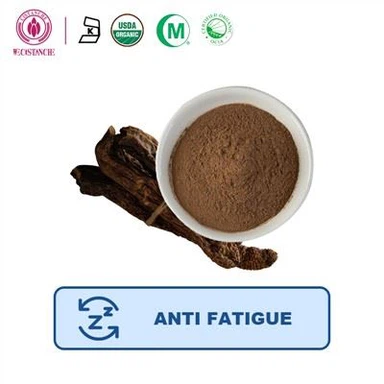
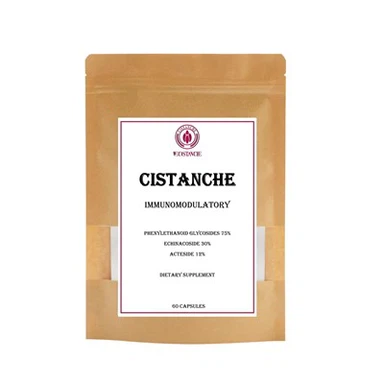
Cistanche tubulosa extract is rich in phenylethanoid glycosides, primarily echinacoside and acteoside. These compounds have demonstrated a remarkable ability to protect human dermal fibroblasts from UV-induced damage. A 2019 study published in the Journal of Ethnopharmacology exposed cultured human dermal fibroblasts to UVB radiation, a standard model for studying photoaging. When the cells were pre-treated with phenylethanoid glycosides extracted from Cistanche tubulosa, the results were striking: MMP-1 expression was significantly suppressed, and ROS generation was drastically reduced compared to untreated cells. In simple terms, the extract helped stop the molecular command that tells skin to break down its own collagen, while simultaneously quenching the free radicals that trigger that command. (Cistanche tubulosa and UVB protection study, J Ethnopharmacol, DOI: 10.1016/j.jep.2019.112242)
This dual action-antioxidant shielding plus direct inhibition of collagen-degrading enzymes-is precisely what makes a systemic anti-aging supplement effective. Unlike a cream, an ingested extract circulates to the small blood vessels that feed the dermis, delivering active compounds exactly where fibroblasts reside. While more human clinical trials are needed to translate these cellular findings into wrinkle-reduction claims, the mechanistic evidence is robust and aligns with the extract's traditional use as a rejuvenating tonic.
Additional Support Through Reduced Inflammation
Chronic, low-grade inflammation-sometimes called "inflammaging"-also contributes to collagen loss and uneven pigmentation. UV exposure activates NF-κB, a pro-inflammatory transcription factor that further stimulates MMP production. The acteoside in Cistanche tubulosa has been shown in independent research to inhibit NF-κB activation in various cell types, including skin cells. By calming this inflammatory pathway, the extract may help break the vicious cycle of sun-induced inflammation that accelerates aging. The comprehensive database Examine.com notes the anti-inflammatory and antioxidant properties of Cistanche, underscoring its potential for conditions driven by oxidative stress. (Examine.com on Cistanche)

Integrating Cistanche into a Skin-Longevity Routine
Skin support from within requires consistency and quality. An effective daily dose of Cistanche tubulosa extract standardized to a high percentage of phenylethanoid glycosides is typically 300–500 mg. Because the protection works systemically, it complements your topical routine-you apply sunscreen and serums on the outside, while the extract reinforces the dermis from the inside. It pairs particularly well with other skin-supportive nutrients like vitamin C, collagen peptides, and astaxanthin.
When selecting a product, look for one that specifies its echinacoside and acteoside content on the label, backed by a third-party certificate of analysis. Our SkinGuard Cistanche Extract is prepared from authentic Xinjiang Cistanche tubulosa and is standardized to deliver consistent, research-grade active compounds. We believe that healthy, resilient skin deserves a defense system that goes deeper than the surface.
A Note on Safety
Cistanche tubulosa has a long history as a food-grade tonic and is generally well tolerated. There are no known contraindications with common skincare ingredients. If you are pregnant, nursing, or on medication, consult your healthcare provider before adding any new supplement. This is not an overnight wrinkle eraser-it's a long-term investment in the cellular health of the skin you'll live in for decades to come.
Supportive Service Of Wecistanche-For more details about cooperation
Business contact: goujinsong@wecistanche.com