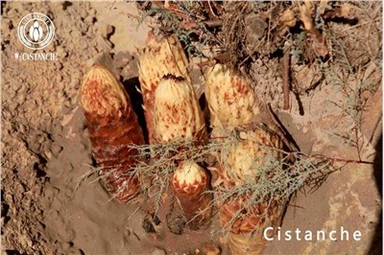
Worried About Your Liver? How Cistanche Tubulosa Offers Natural Hepatoprotection
Jul 02, 2026
Your liver is an extraordinary filter. Weighing about three pounds, it performs over 500 vital functions: it processes everything you swallow, inhale, and absorb, neutralizing toxins, metabolizing fats, storing vitamins, and producing bile. But modern life places a relentless burden on this silent, resilient organ. Alcohol, processed foods rich in fructose, environmental pollutants, and even common over-the-counter medications like acetaminophen can generate oxidative stress that damages liver cells. If you've ever felt inexplicably sluggish after a weekend of indulgence, or your annual bloodwork showed mildly elevated liver enzymes, you've glimpsed that burden firsthand. While milk thistle (silymarin) is the household name for liver support, an ancient desert herb-Cistanche tubulosa-is emerging as a powerful, scientifically backed hepatoprotective agent with a unique dual mechanism of action.

How Liver Damage Begins at the Cellular Level
The liver's frontline workers are hepatocytes, the cells that perform the bulk of detoxification and metabolism. When these cells encounter toxins-whether from alcohol metabolism, drugs, or environmental chemicals-they produce an excess of reactive oxygen species (ROS). In a healthy liver, endogenous antioxidant systems, chiefly glutathione and superoxide dismutase (SOD), neutralize these free radicals before they cause harm. But when the toxic load is chronic or acute, ROS overwhelm these defenses. This oxidative assault damages the delicate membranes of hepatocytes and their mitochondria, causing them to leak enzymes like alanine aminotransferase (ALT) and aspartate aminotransferase (AST) into the bloodstream. Elevated ALT and AST are the red flags on your lab report-the first objective sign that liver cells are dying.
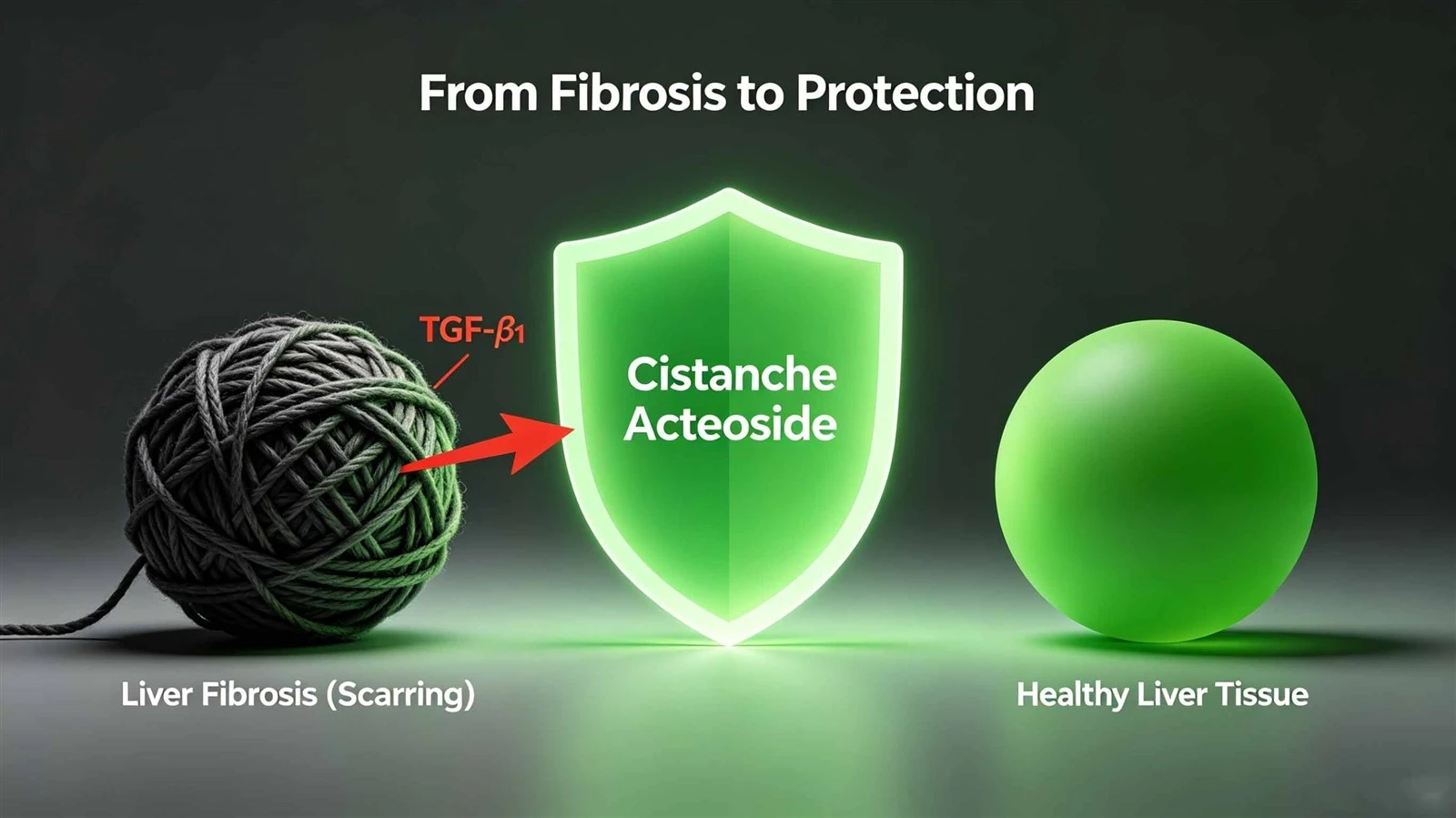
If the insult continues, a second, more insidious process begins. The liver contains hepatic stellate cells, which normally lie dormant, storing vitamin A. When liver injury becomes chronic, inflammatory signals and ROS activate these stellate cells. They transform into myofibroblast-like cells that produce excessive collagen and other extracellular matrix proteins. This is the beginning of fibrosis-the road toward cirrhosis-and it is driven by the same oxidative and inflammatory signals that kill hepatocytes. Transforming growth factor-beta 1 (TGF-β1) is the master cytokine orchestrating this scarring process. An effective liver protector must therefore do two things simultaneously: shield hepatocytes from oxidative death, and prevent the activation of stellate cells that leads to scarring.
How Cistanche Tubulosa Shields Your Liver
Cistanche tubulosa extract is rich in echinacoside and acteoside, two phenylethanoid glycosides that have shown potent hepatoprotective effects across a substantial body of preclinical research. A landmark study published in Food and Chemical Toxicology investigated the effects of echinacoside in mice exposed to carbon tetrachloride (CCl4), a classic experimental model of chemical liver injury that mimics the oxidative cascade seen in human toxic hepatitis. The results were definitive: echinacoside significantly reduced ALT and AST levels in a dose-dependent manner, and histological examination of liver tissue revealed markedly less necrosis and inflammatory infiltration in treated animals.
The mechanism was equally illuminating. Echinacoside acted as a direct free radical scavenger and simultaneously upregulated the liver's own enzymatic antioxidant defenses-including glutathione peroxidase, SOD, and catalase. It also preserved mitochondrial integrity in hepatocytes by stabilizing mitochondrial membrane potential and preventing the release of cytochrome c, a trigger for programmed cell death. By protecting the energy factories of the cell, echinacoside helps hepatocytes survive toxic insults that would otherwise kill them. (Echinacoside hepatoprotection study, Food and Chemical Toxicology, DOI: 10.1016/j.fct.2013.06.034)
Beyond simply protecting hepatocytes, acteoside has demonstrated direct anti-fibrotic activity in the liver. In a separate experimental study on hepatic fibrosis, acteoside inhibited the activation of hepatic stellate cells and significantly reduced the expression of TGF-β1 and collagen type I. By blocking the master switch that drives scar formation, it may help slow or even partially reverse the fibrotic process. This dual action-acute hepatoprotection plus long-term anti-fibrotic signaling-distinguishes Cistanche from many other botanical liver supplements that address only one side of the equation.
The comprehensive supplement database Examine.com notes that Cistanche species possess hepatoprotective, antioxidant, and anti-inflammatory properties, summarizing the body of evidence that positions this herb as a candidate for supporting liver health under conditions of toxic stress. (Examine.com on Cistanche) This modern validation aligns with the herb's traditional classification in Chinese medicine as a tonic that "nourishes the liver and kidneys" and was historically prescribed for symptoms we would now associate with hepatic insufficiency-fatigue, dull complexion, and digestive sluggishness.
Integrating Cistanche into a Liver Health Protocol
Liver protection is a daily discipline, not a once-a-year detox. Unlike the acute interventions used in hospitals for poisoning, botanical hepatoprotection works best as a consistent, preventive strategy. A daily dose of 300–600 mg of a standardized Cistanche tubulosa extract, taken with a meal, provides a steady supply of the phenylethanoid glycosides needed to reinforce the liver's own antioxidant shield. The extract works synergistically with other well-researched hepatoprotective nutrients: N-acetylcysteine (NAC) replenishes intracellular glutathione, and milk thistle (silymarin) supports hepatocyte protein synthesis and regeneration. Together, they form a comprehensive, non-redundant defense network.
Importantly, Cistanche is not a license to overconsume alcohol or ignore a poor diet. It is a defensive ally for those who recognize that their liver faces daily oxidative challenges-whether from occasional social drinking, the unavoidable use of medications like statins or pain relievers, or the background burden of environmental toxins. It is particularly relevant for individuals whose blood work shows borderline elevations in ALT and AST without a clear diagnosis, the "grey zone" that often goes unaddressed until it worsens.
When choosing an extract, insist on one that provides a certificate of analysis verifying echinacoside and acteoside content. Many cheap Cistanche powders have negligible levels of these active compounds. At [our store], our LiverGuard Cistanche Extract is manufactured from authentic Cistanche tubulosa and standardized to deliver a consistent, high potency of echinacoside and acteoside. Every batch is third-party tested, so you're not introducing additional toxins or heavy metals into the very organ you're trying to protect.
A Note on Safety and Medical Context
Cistanche tubulosa has a long history as a food-grade tonic and is well tolerated. The Natural Medicines Database confirms its favorable safety profile at typical supplemental doses. It does not carry the risks of hepatotoxicity that ironically accompany some synthetic drugs. However, it is critical to understand that this botanical is a supportive and preventive tool, not a treatment for active liver disease. If you have hepatitis B or C, autoimmune hepatitis, or severely elevated liver enzymes, you must work closely with a hepatologist. Supplementation should complement, not replace, medical evaluation and lifestyle modification. For the vast majority of adults whose livers are quietly working overtime, Cistanche offers a gentle, scientifically grounded layer of daily defense.
Supportive Service Of Wecistanche-For more details about cooperation
Business contact: goujinsong@wecistanche.com