Under Constant Toxic Load? How Cistanche Tubulosa Protects And Detoxifies Your Liver
Jul 23, 2026
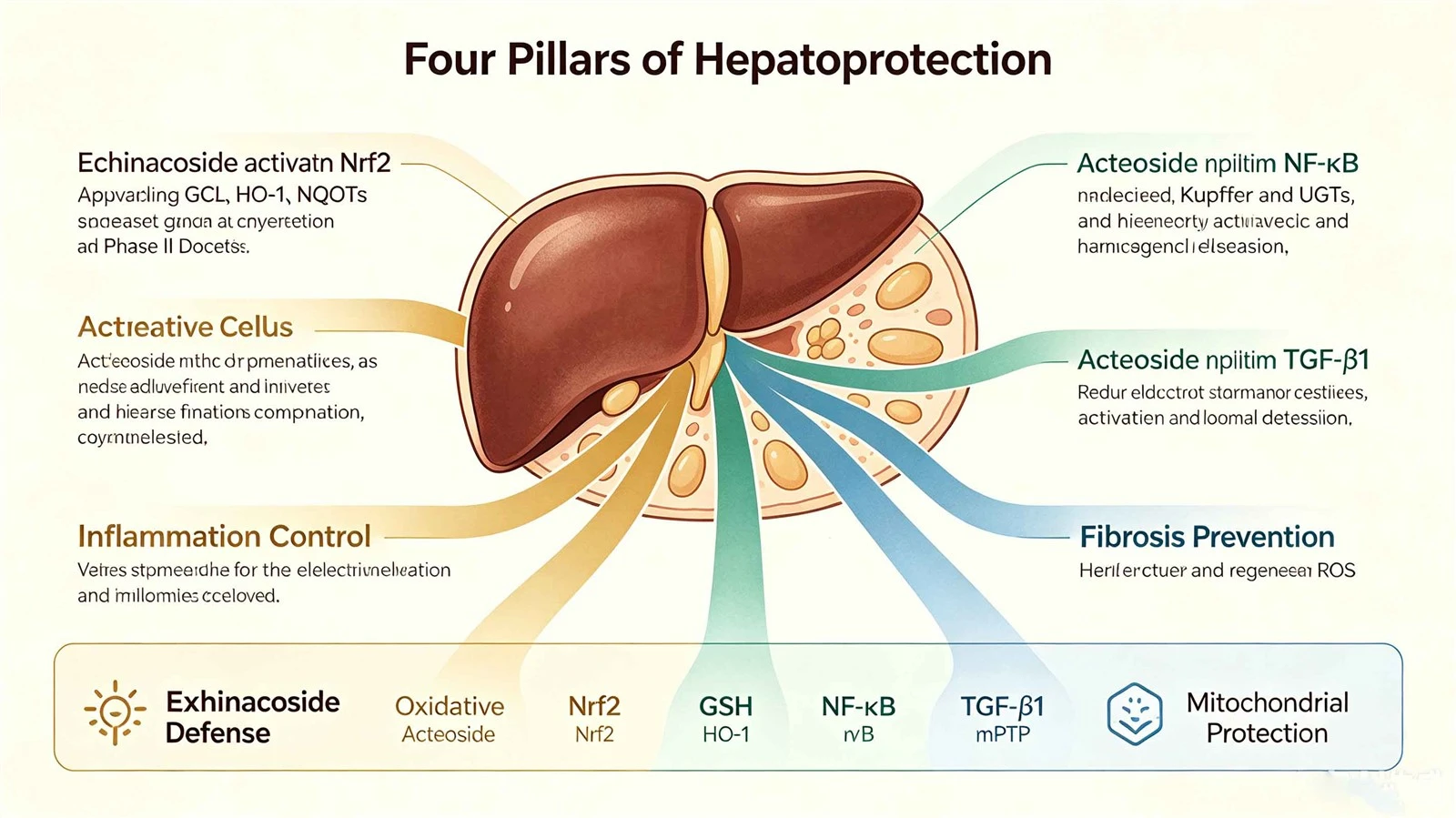
Your liver is the body's tireless filter. Every day, it processes everything you ingest-food, alcohol, medications, environmental pollutants-neutralizing toxins, metabolizing fats, storing vitamins, and producing bile. It is the most resilient organ in the body, capable of regenerating even after significant damage. But modern life places an unprecedented burden on this silent workhorse. Alcohol, processed foods rich in fructose, over-the-counter pain relievers, prescription medications, and environmental chemicals create a constant oxidative and inflammatory assault. The result is an epidemic of liver dysfunction: non-alcoholic fatty liver disease (NAFLD) now affects an estimated 25–30% of the global adult population, and alcoholic liver disease remains a leading cause of cirrhosis. Milk thistle has long been the go-to botanical for liver support, but an ancient desert herb-Cistanche tubulosa-is emerging as a uniquely comprehensive hepatoprotective agent, addressing not just one but four pillars of liver health: oxidative defense, inflammation control, mitochondrial protection, and fibrosis prevention.
The Liver Under Siege: How Toxins Cause Damage
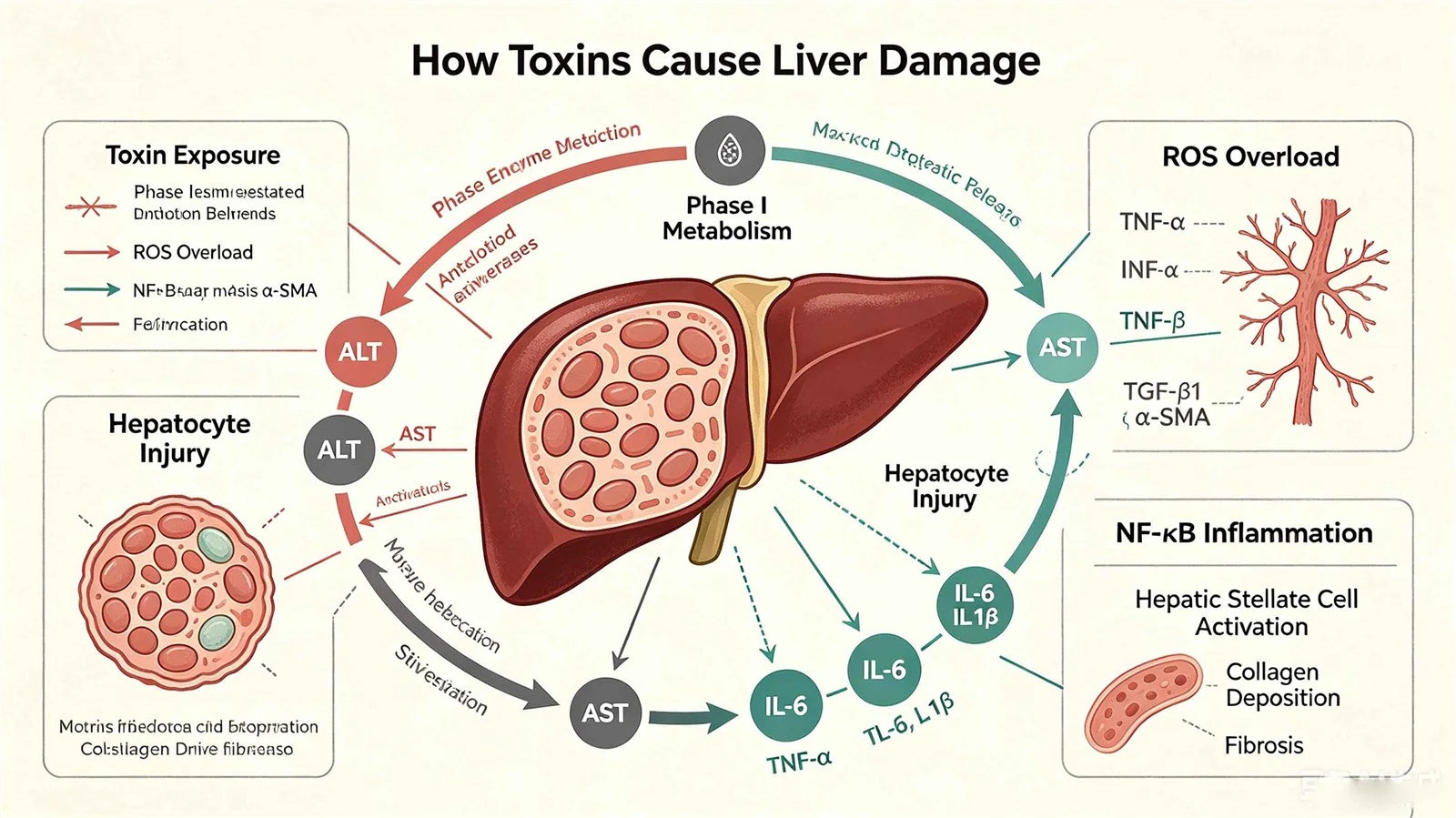
The liver's primary functional cells-hepatocytes-are the frontline workers of detoxification. They are equipped with two families of enzymes: Phase I enzymes (primarily cytochrome P450s) that oxidize toxins to make them more water-soluble, and Phase II enzymes (glutathione S-transferases, UDP-glucuronosyltransferases) that conjugate them with molecules like glutathione, preparing them for excretion.
The problem arises when the load exceeds the capacity. Phase I metabolism generates reactive oxygen species (ROS) as a byproduct. Under normal conditions, the liver's endogenous antioxidant systems-glutathione, superoxide dismutase, catalase-neutralize these ROS. But when toxin exposure is chronic or acute, ROS overwhelm the defenses. This oxidative assault damages hepatocyte membranes and mitochondria, causing the cells to leak their contents. Alanine aminotransferase (ALT) and aspartate aminotransferase (AST)-the "liver enzymes" measured on a standard blood panel-rise, signaling hepatocellular injury.
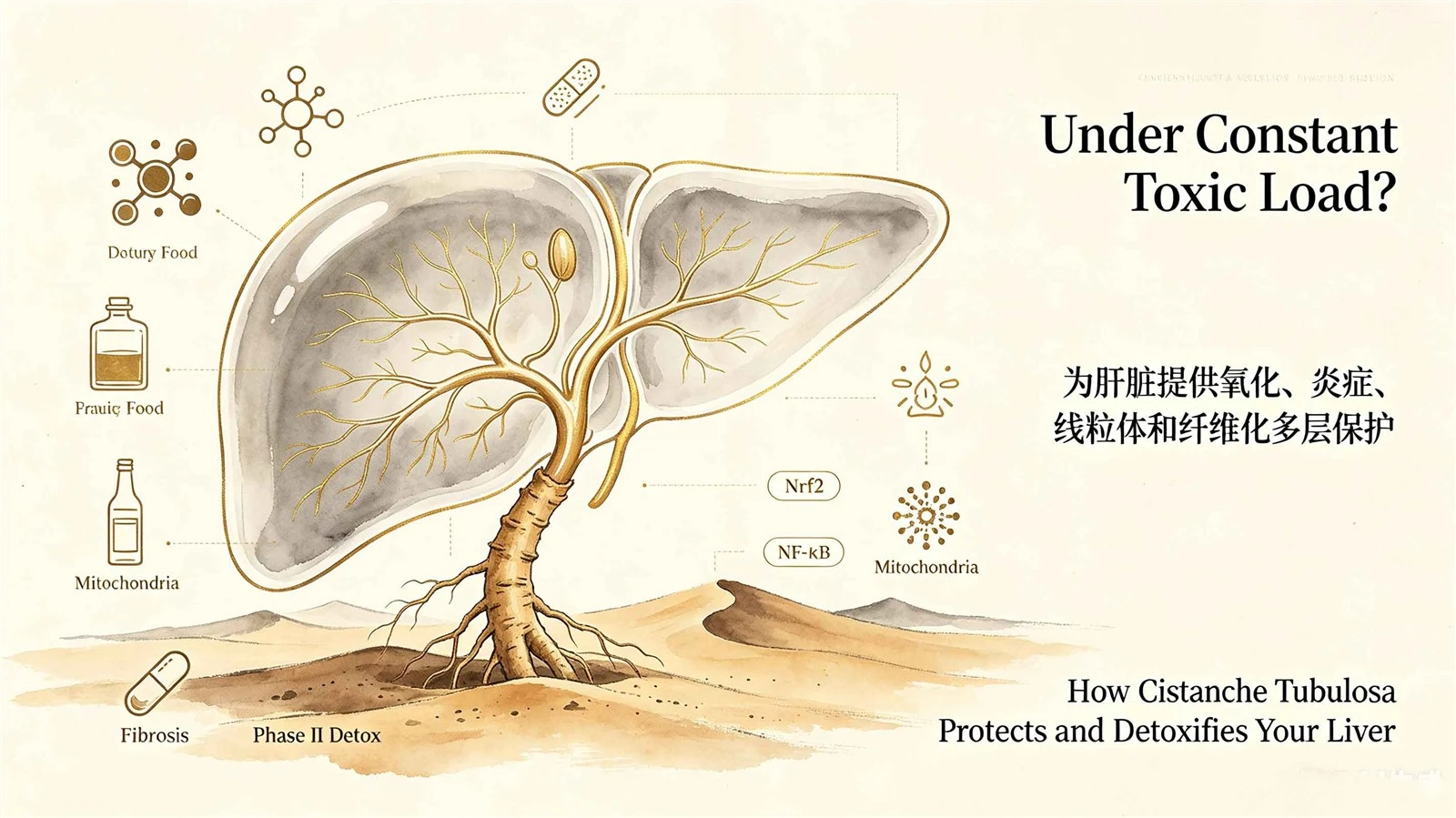
Simultaneously, ROS activate NF-κB, the master inflammatory switch, triggering the release of pro-inflammatory cytokines (TNF-α, IL-6) that recruit immune cells and amplify tissue damage. If the insult persists, hepatic stellate cells-normally quiescent vitamin A-storing cells-transform into myofibroblast-like cells that deposit collagen, driving the progression from steatosis to fibrosis to cirrhosis. Transforming growth factor-beta 1 (TGF-β1) is the master cytokine orchestrating this fibrotic transformation. An effective hepatoprotective agent must therefore address oxidative stress, inflammation, and fibrosis simultaneously-and ideally, preserve mitochondrial function, which is the energy foundation for hepatocyte survival and regeneration. This multi-targeted profile is precisely what Cistanche tubulosa, through echinacoside and acteoside, is demonstrating in preclinical research.
How Cistanche Tubulosa Protects the Liver
1. Activating Nrf2: The Liver's Master Detox and Antioxidant Switch
Echinacoside is a potent Nrf2 activator, and the liver is one of the organs most responsive to Nrf2 signaling. When echinacoside activates Nrf2 in hepatocytes, it triggers the expression of over 200 protective genes, including:
Glutathione synthesis enzymes: Glutamate-cysteine ligase (GCL) and glutathione synthetase, which increase intracellular glutathione levels. Glutathione is the liver's most important antioxidant and the cofactor for glutathione S-transferase, the Phase II detoxification enzyme.
Heme oxygenase-1 (HO-1) : Degrades pro-oxidant heme into biliverdin and carbon monoxide, both of which have cytoprotective effects.
NAD(P)H quinone oxidoreductase 1 (NQO1) : Detoxifies quinones and prevents redox cycling, one of the most damaging sources of ROS.
UDP-glucuronosyltransferases (UGTs) : Phase II conjugation enzymes that prepare toxins for biliary or urinary excretion.
By upregulating this coordinated gene expression program, echinacoside transforms the hepatocyte from a state of vulnerability to a state of robust oxidative resilience. Research published in Food and Chemical Toxicology demonstrated that echinacoside treatment significantly reduced ALT and AST levels and preserved hepatocyte viability in mice exposed to carbon tetrachloride (CCl4), a classic experimental hepatotoxin. The mechanism was traced directly to Nrf2 activation and the subsequent upregulation of glutathione and antioxidant enzymes.
2. Suppressing NF-κB: Calming Hepatic Inflammation
Acteoside, through its potent inhibition of NF-κB, directly addresses the inflammatory arm of liver damage. By preventing the degradation of IκBα-the inhibitor that keeps NF-κB sequestered in the cytoplasm-acteoside reduces the production of TNF-α, IL-6, and IL-1β in Kupffer cells (the liver's resident immune cells) and hepatocytes. In models of alcoholic and non-alcoholic steatohepatitis, acteoside treatment reduced hepatic inflammatory infiltrates, lowered circulating inflammatory markers, and improved liver histology.
This anti-inflammatory effect is critical because inflammation is not just a consequence of liver damage; it is a driver. TNF-α directly impairs insulin signaling in hepatocytes, worsening the metabolic dysfunction that underlies NAFLD. IL-6 promotes the progression from simple steatosis to steatohepatitis. By suppressing these cytokines, acteoside helps interrupt the inflammatory cascade that accelerates liver disease.
3. Inhibiting TGF-β1 and Hepatic Stellate Cell Activation: Anti-Fibrotic Protection
Fibrosis is the final common pathway of chronic liver disease, regardless of cause. Acteoside has been shown to suppress TGF-β1-induced activation of hepatic stellate cells, reducing their transformation into collagen-producing myofibroblasts. In animal models of liver fibrosis induced by various toxins, acteoside treatment significantly reduced collagen deposition, decreased the expression of fibrotic markers (α-SMA, collagen type I), and preserved liver architecture.
This anti-fibrotic effect is one of the most clinically significant aspects of Cistanche's hepatoprotective profile. While many botanicals can reduce acute liver enzyme elevations, far fewer have demonstrated the ability to inhibit the fibrotic progression that leads to cirrhosis. The TGF-β1 pathway that acteoside targets is the same pathway blocked by several experimental anti-fibrotic drugs, suggesting that Cistanche may have disease-modifying potential in chronic liver conditions-though human trials are needed to confirm this.
4. Protecting Mitochondria and Restoring Cellular Energy
Hepatocytes are densely packed with mitochondria, which provide the ATP needed for detoxification, protein synthesis, and regeneration. Mitochondrial damage is a hallmark of both alcoholic and non-alcoholic liver disease. Echinacoside protects hepatocyte mitochondria by stabilizing mitochondrial membrane potential, preventing the opening of the mitochondrial permeability transition pore (which triggers cell death), and reducing mitochondrial ROS production. By preserving mitochondrial function, echinacoside helps ensure that hepatocytes have the energy to perform their detoxification duties and to divide and replace damaged cells. This is particularly important in the context of liver regeneration-the liver's unique ability to regrow after injury depends entirely on mitochondrial energy supply.
The Broader Metabolic Context: NAFLD and Metabolic Syndrome
Non-alcoholic fatty liver disease is not just a liver condition; it is the hepatic manifestation of metabolic syndrome. It is tightly linked to insulin resistance, obesity, and dyslipidemia. This means that an effective intervention for NAFLD should ideally address the underlying metabolic dysfunction, not just the liver inflammation. Cistanche tubulosa is uniquely positioned in this regard because its active ingredients also activate AMPK-the master metabolic switch that improves insulin sensitivity and fatty acid oxidation-as discussed in our article on metabolic health. By simultaneously improving insulin signaling in the liver and protecting hepatocytes from oxidative damage, Cistanche addresses both the root cause and the tissue consequences of fatty liver disease.
A comprehensive 2022 open-access review in Frontiers in Pharmacology catalogs the hepatoprotective, anti-inflammatory, antioxidant, and anti-fibrotic properties of Cistanche tubulosa, confirming that its phenylethanoid glycosides act on multiple pathways relevant to liver health and disease. (Frontiers in Pharmacology review on Cistanche tubulosa)
The Active Ingredients for Liver Protection
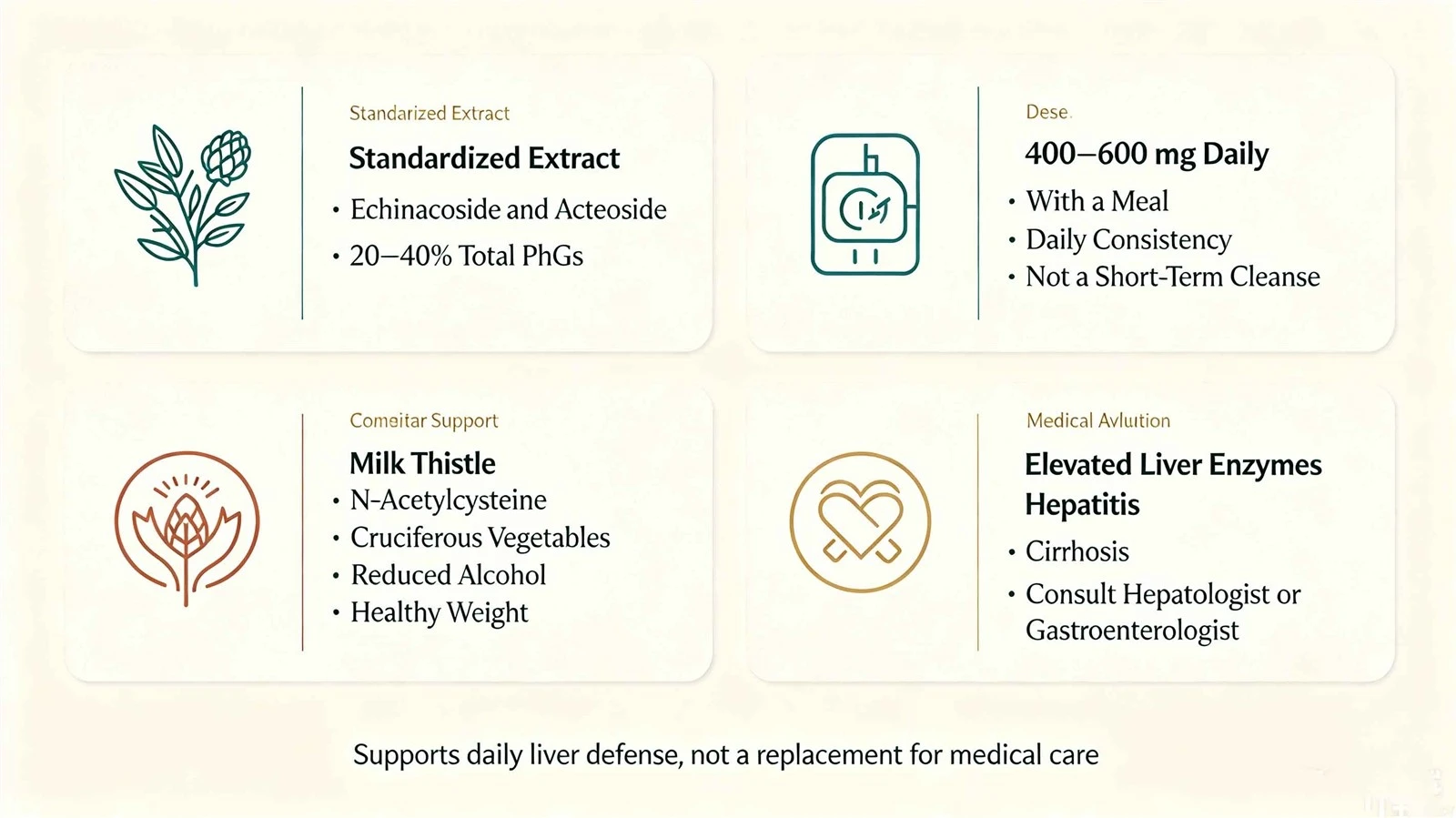
The hepatoprotective power of Cistanche tubulosa resides in its two signature active ingredients: echinacoside and acteoside (verbascoside). Echinacoside is the Nrf2 activator, the mitochondrial protector, and the engine of the liver's endogenous antioxidant defense. Acteoside is the NF-κB inhibitor, the anti-inflammatory agent, and the anti-fibrotic agent that suppresses hepatic stellate cell activation. Together, they provide a dual shield against the oxidative, inflammatory, and fibrotic drivers of liver disease. A standardized extract containing 20–40% total phenylethanoid glycosides is essential to deliver the concentrations studied in research.
Integrating Cistanche for Liver Protection
Liver protection is a daily discipline, not a once-a-year detox. The liver is constantly processing toxins, and consistent daily support is more effective than periodic "cleanses." A daily dose of 400–600 mg of a standardized Cistanche tubulosa extract, taken with a meal, provides the phenylethanoid glycosides needed to support Phase II detoxification, antioxidant defense, and anti-inflammatory protection.
Cistanche pairs well with other evidence-based liver-supportive strategies: milk thistle (silymarin) supports hepatocyte protein synthesis; N-acetylcysteine (NAC) provides the cysteine building block for glutathione synthesis; and a diet rich in cruciferous vegetables (broccoli, cauliflower, Brussels sprouts) provides sulforaphane, which activates Nrf2 through a different mechanism than echinacoside. Lifestyle modifications-reducing alcohol intake, minimizing processed foods and added sugars, maintaining a healthy body weight-remain foundational. Cistanche is not a license to overconsume alcohol or neglect dietary discipline, but a complementary ally that helps the liver cope with the unavoidable toxic load of modern life.
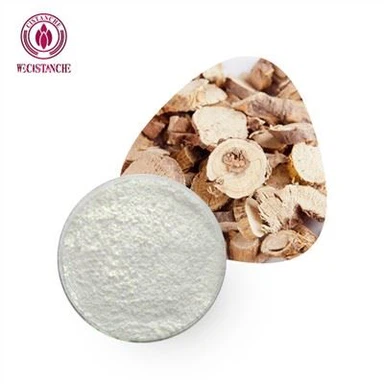
Our HepatoGuard Cistanche Extract is sourced from authentic Cistanche tubulosa and standardized for a high concentration of echinacoside and acteoside-the active ingredients that research links to hepatoprotection, detoxification support, and anti-fibrotic activity. Each batch is independently tested for purity and potency.
Safety and Realistic Expectations
Cistanche tubulosa is well tolerated with a centuries-long safety record. It does not cause the gastrointestinal side effects associated with high-dose milk thistle. However, liver disease is a serious medical condition. Anyone with elevated liver enzymes, diagnosed hepatitis, cirrhosis, or suspected liver disease should be under the care of a hepatologist or gastroenterologist. This botanical is a supportive and preventive tool-it is not a cure for established liver disease, nor a substitute for antiviral therapy, abstinence from alcohol, or other medically prescribed interventions. For those who recognize that their liver faces daily oxidative challenges and want to provide it with gentle, science-informed support, Cistanche tubulosa offers a uniquely comprehensive botanical ally.
Supportive Service Of Wecistanche-For more details about cooperation
Business contact: goujinsong@wecistanche.com