Classification And Etiology Of AKI in Acute Renal Injury
Oct 30, 2024
1. Prerenal AKI:
Due to prerenal factors, the effective circulating blood volume is reduced, renal perfusion insufficiency leads to impaired renal function, reduced GFR, and relatively increased renal tubule reabsorption of urea nitrogen, water and sodium, resulting in increased urea nitrogen, decreased urine volume, increased urine specific gravity, and reduced urinary sodium excretion.
Low blood volume: bleeding, vomiting, diarrhea and other gastrointestinal fluid loss, diabetes insipidus and other renal fluid loss, high temperature and other skin mucosal fluid loss, hypoalbuminemia and other vascular volume is relatively insufficient
Reduced cardiac output: heart failure (myocardial infarction, valvular heart disease, etc.), pericardial tamponade, pulmonary embolism, etc
Renal vasoconstriction/dysregulation: norepinephrine, hepatorenal syndrome, hypercalcaemia, drugs (NSAIDs, ACEI/ARB, cyclosporin A, etc.)

Click to Cistanche for kidney disease
Systemic hypervasodilation: sepsis, shock, acute allergy, anesthesia, vasodilators
2. Renal AKI:
Renal vascular diseases: renal artery thrombosis, embolism, renal vein thrombosis, pressure, etc.
Renal microvascular diseases: hemolytic uremic syndrome, thrombotic thrombocytopenic purpura, malignant hypertension, systemic sclerosis, etc.
Glomerular diseases: rapid progressive glomerulonephritis, severe lupus nephritis, severe acute glomerulonephritis, etc., accompanied by a large number of crescent bodies;
Acute interstitial nephritis: various drug allergies (immune-mediated factors);
Acute tubular necrosis of the kidney: prerenal injury factors persist unalleviated, nephrotoxic drugs, etc.

3. Postrenal AKI:
It is seen in acute urinary tract obstruction caused by various causes. Urinary tract obstruction below the kidneys increases the pressure above the obstruction, and even hydronephrosis occurs.
Bladder neck lesions: prostatic hyperplasia, tumor, stone, clot blockage, etc
Urethral lesions: stones, etc
Ureteral lesions: tumors, stones, clots, scarring or retroperitoneal fibrosis in both or isolated kidneys

How Does Cistanche Treat Kidney Disease?
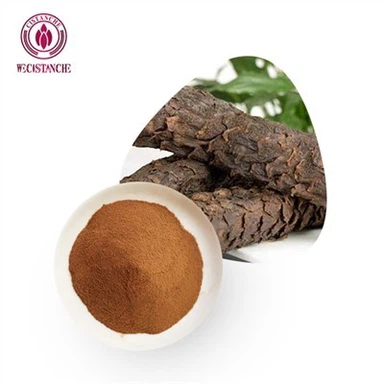
Cistanche is a traditional Chinese herbal medicine used for centuries to treat various health conditions, including kidney disease. It is derived from the dried stems of Cistanche deserticola, a plant native to the deserts of China and Mongolia. The main active components of cistanche are phenylethanoid glycosides, echinacoside, and acteoside, which have been found to have beneficial effects on kidney health.
Kidney disease, also known as renal disease, refers to a condition in which the kidneys are not functioning properly. This can result in a buildup of waste products and toxins in the body, leading to various symptoms and complications. Cistanche may help treat kidney disease ase through several mechanisms.
Firstly, cistanche has been found to have diuretic properties, meaning it can increase urine production and help eliminate waste products from the body. This can help relieve the burden on the kidneys and prevent the buildup of toxins. By promoting diuresis, cistanche may also help Reduce high blood pressure, a common complication of kidney disease.
Moreover, cistanche has been shown to have antioxidant effects. Oxidative stress, caused by an imbalance between the production of free radicals and the body's antioxidant defenses, plays a key role in the progression of kidney disease. ies help neutralize free radicals and reduce Oxidative stress, thereby protecting the kidneys from damage. The phenylethanoid glycosides found in cistanche have been particularly effective in scavenging free radicals and inhibiting lipid peroxidation.
Additionally, cistanche has been found to have anti-inflammatory effects. Inflammation is another key factor in the development and progression of kidney disease. Cistanche's anti-inflammatory properties help reduce the production of pro-inflammatory cytokines and inhibit the activation of inflammation mandatory pathways, thus alleviating inflammation in the kidneys.

Furthermore, cistanche has been shown to have immunomodulatory effects. In kidney disease, the immune system can be dysregulated, leading to excessive inflammation and tissue damage. Cistanche helps regulate the immune response by modulating the production and activity of immune cells, such as T cells and macrophages. This immune regulation helps reduce inflammation and prevent further damage to the kidneys.
Moreover, cistanche has been found to improve renal function by promoting the regeneration of renal tubes with cells. Renal tubular epithelial cells play a crucial role in the filtration and reabsorption of waste products and electrolytes. In kidney disease, these cells can be damaged, leading to damaged renal function. Cistanche's ability to promote the regeneration of these cells helps restore proper renal function and improve overall kidney health.
In addition to these direct effects on the kidneys, cistanche has been found to have beneficial effects on other organs and systems in the body. This holistic approach to health is particularly important in kidney disease, as the condition often affects multiple organs and systems. che has been shown to have protective effects on the liver, heart, and blood vessels, which are commonly affected by kidney disease. By promoting the health of these organs, cistanche helps improve overall kidney function and prevent further complications.
In conclusion, cistanche is a traditional Chinese herbal medicine used for centuries to treat kidney disease. Its active components have diuretic, antioxidant, anti-inflammatory, immunomodulatory, and regenerative effects, which help improve renal function and protect the kidneys from further damage. , cistanche has beneficial effects on other organs and systems, making it a holistic approach to treating kidney disease.