Reflections On A Case Of Acute Renal Failure
Oct 30, 2024
Renal Failure (Renal Failure) refers to the pathological condition of partial or total loss of kidney function. According to its onset is divided into acute and chronic two.
Acute renal failure (ARF), now known as acute kidney injury (AKI), is a clinical syndrome of rapid decline in renal function due to a variety of etiology, characterized by a sharp short-term (hours to weeks) decline in glomerular filtration rate, retention of metabolites, and disturbance of water, electrolyte, and acid-base balance.

Click to Cistanche for kidney disease
The latest diagnostic criteria for AKI are sudden decline of renal function within 48 hours, absolute increase of serum creatinine ≥0.3mg/dl (26.5umol/L), or increase of serum creatinine to ≥1.5 times the base value within 7 days, or urine volume < 0.5ml/kg.h, duration > 6 hours.
Course of the case
The patient, female, 76 years old, was found to have an increase of "160umol/L" in blood creatinine during physical examination of elderly people in the community in May 2024. There was no fever, low back pain, urinalgia, hematuria, or oliguria, and no treatment was carried out.
On June 5, 2024, he was examined for "blood creatinine 513.5umol/L, urine occultic blood 3+" in Dangdistrict Hospital; on the morning of June 9, he was re-examined for "blood creatinine 521.6umol/L" in Dangdistrict Hospital; the patient came to our hospital for outpatient treatment on the afternoon of June 9 and was admitted to hospital with acute kidney failure.
After admission on June 10, the patient underwent blood routine, ESR, urine routine, liver function biochemistry, immunoglobulin, early kidney damage and other examinations. The examination results showed that the increase of ESR was 50mm/hr (0-20mm/hr), and the light chain of urinary κ was 21.39mg/L (0-9mg/L).
Occult blood in urine: 2+ (negative), immunoglobulin M 13.44g/L (0.5-2.8g/L), serum creatinine 51.1umol/L (41-81 Umol /L), urea nitrogen 3.5mmol/L (3.1-8.8mmol/L), Serum cystatin C0.89mg/L (0-1.16mg/L), serum uric acid and prealbumin results were negative, and other results were basically normal.
Immediately check the status of the specimen, found that the specimen apparent no abnormal, immediately recheck, but the result is basically consistent with the initial test results. Laboratory personnel immediately looked at the patient's case and found that the immunoglobulin M results were abnormally elevated. The laboratory staff considered that the abnormal results of the patient's two tests might be related to the immunoglobulin.
According to the requirements of the polyethylene glycol sedimentation method, the polyethylene glycol solution was configured 1:1 with the specimen, and then centrifuged at a high speed, the supernatant was taken to detect abnormal results. After the retest, the blood glucose was 2.93mmol/L, the blood uric acid was 204umol/L, the blood albumin was 175mg/L, and the blood creatinine was 47.8umol/L. There is no significant difference between the first test result and 51.1umol/L. Laboratory staff will contact the doctor in charge for details and report back.

On June 11, the patient's immunoglobulin M increased significantly, so he asked the hematology department for consultation. The doctor considered that there might be interference with the results of the blood creatinine test in the other hospital, and added abnormal immunoglobulin items for further examination.
The results showed that the CD-series detection of plasma cells related to tumor by bone marrow flow cytometry showed that plasma cells accounted for 1.17%, and the expression of intracellular immunoglobulin Kappa light chain was restricted, suggesting monoclonal plasma cells. Urine Benzho protein electrophoresis: Urine Benzho protein positive, κfree light chain type. Serum immunofixation electrophoresis: monoclonal immunoglobulin type was IgM- κb type. Through a series of tests, the patient was finally diagnosed with plasma cell disease.
Case study
The patient was hospitalized with acute renal failure due to elevated serum creatinine after physical examination. However, the examination results of our hospital found that the patient had no abnormal renal function and abnormal blood system, and the patient was finally diagnosed with plasma cell disease.
Plasma cell disease, also known as plasma cell disease, monoclonal gammaglobulinemia, refers to a group of diseases in which monoclonal plasma cells increase excessively and produce a large number of abnormal antibodies. It is a dysplastic disease, the cause of which is unknown, and may be related to genetic and viral infection.

The disease is more common in the elderly, patients in the body of monoclonal plasma cells excessive proliferation and produce a large number of a type of antiboil-like molecules, but these plasma cells and antibodies are abnormal, so can not help the body to defend against infection, at the same time, the body's normal antibody production is reduced, making the body more susceptible to infection. Pathological examination of living tissue and hematologic examination of bone marrow smear are the main basis for diagnosis.
In this case, increased immunoglobulin resulted in increased creatinine test results and negative uric acid and prealbumin in our hospital.
Sum up
It has been reported that immunoglobulin M (IgM) affects the detection results of biochemical items. Chen Jian et al. [1] found that the detection of serum creatinine by IgM macromolecular protein enzymic method showed a false positive increase. Tang Fei et al. [2] found a false increase in serum creatinine in patients with Fahrenheit macroglobulinemia measured by wet chemical enzymatic method.
Xie Chunxia et al. [3] found that when the specimen was diluted with normal saline, sodium ions and chloride ions would surround IgM, so that they could not aggregate, so the influence of IgM on uric acid detection could be basically eliminated.
However, in this case, the serum of the patient was still negative after dilution with normal saline, while the serum of the patient with PEG sedimentation method was normal. Therefore, when immunoglobulin M affected the detection results of biochemical items, it is recommended to eliminate the influence of IgM on the detection results by PEG sedimentation method. In addition, in the daily work of the laboratory, we also need to pay attention to the following points:
1. When reviewing the report, each item should be clearly read to avoid only glancing at the results and mistakenly sending out negative results.
2. If there is an abnormal increase or decrease in the result, it is necessary to pay attention to whether other items associated with related diseases are also abnormal, such as blood potassium, creatinine and urea nitrogen in kidney failure, and a single report of an increase must be careful.
3. Learn as much as possible about the testing instruments and methodologies used and their limitations. For example, the results of Beckmanic acid and prealbumin in this case study were affected by immunoglobulins.
4. Review professional knowledge frequently when reviewing reports, or consult senior teachers to accumulate work experience
How Does Cistanche Treat Kidney Disease?
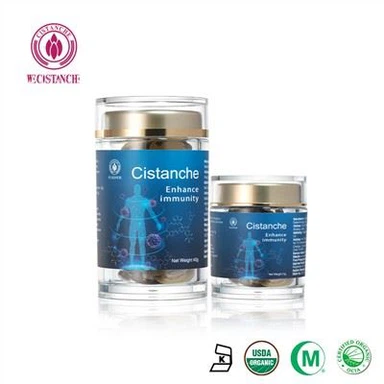
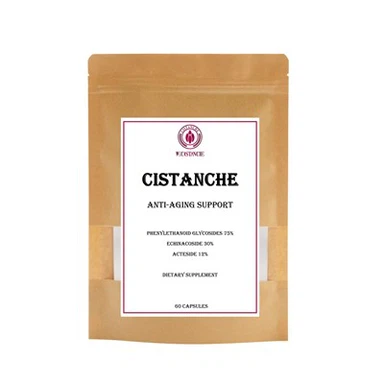
Cistanche is a traditional Chinese herbal medicine used for centuries to treat various health conditions, including kidney disease. It is derived from the dried stems of Cistanche deserticola, a plant native to the deserts of China and Mongolia. The main active components of cistanche are phenylethanoid glycosides, echinacoside, and acteoside, which have been found to have beneficial effects on kidney health.
Kidney disease, also known as renal disease, refers to a condition in which the kidneys are not functioning properly. This can result in a buildup of waste products and toxins in the body, leading to various symptoms and complications. Cistanche may help treat kidney disease ase through several mechanisms.
Firstly, cistanche has been found to have diuretic properties, meaning it can increase urine production and help eliminate waste products from the body. This can help relieve the burden on the kidneys and prevent the buildup of toxins. By promoting diuresis, cistanche may also help Reduce high blood pressure, a common complication of kidney disease.
Moreover, cistanche has been shown to have antioxidant effects. Oxidative stress, caused by an imbalance between the production of free radicals and the body's antioxidant defenses, plays a key role in the progression of kidney disease. ies help neutralize free radicals and reduce Oxidative stress, thereby protecting the kidneys from damage. The phenylethanoid glycosides found in cistanche have been particularly effective in scavenging free radicals and inhibiting lipid peroxidation.
Additionally, cistanche has been found to have anti-inflammatory effects. Inflammation is another key factor in the development and progression of kidney disease. Cistanche's anti-inflammatory properties help reduce the production of pro-inflammatory cytokines and inhibit the activation of inflammation mandatory pathways, thus alleviating inflammation in the kidneys.

Furthermore, cistanche has been shown to have immunomodulatory effects. In kidney disease, the immune system can be dysregulated, leading to excessive inflammation and tissue damage. Cistanche helps regulate the immune response by modulating the production and activity of immune cells, such as T cells and macrophages. This immune regulation helps reduce inflammation and prevent further damage to the kidneys.
Moreover, cistanche has been found to improve renal function by promoting the regeneration of renal tubes with cells. Renal tubular epithelial cells play a crucial role in the filtration and reabsorption of waste products and electrolytes. In kidney disease, these cells can be damaged, leading to damaged renal function. Cistanche's ability to promote the regeneration of these cells helps restore proper renal function and improve overall kidney health.
In addition to these direct effects on the kidneys, cistanche has been found to have beneficial effects on other organs and systems in the body. This holistic approach to health is particularly important in kidney disease, as the condition often affects multiple organs and systems. che has been shown to have protective effects on the liver, heart, and blood vessels, which are commonly affected by kidney disease. By promoting the health of these organs, cistanche helps improve overall kidney function and prevent further complications.
In conclusion, cistanche is a traditional Chinese herbal medicine used for centuries to treat kidney disease. Its active components have diuretic, antioxidant, anti-inflammatory, immunomodulatory, and regenerative effects, which help improve renal function and protect the kidneys from further damage. , cistanche has beneficial effects on other organs and systems, making it a holistic approach to treating kidney disease.