Constipation Severity And Quality Of Life Among Patients With Cancer Who Received Prophylactic Laxatives: Quasi-Experimental StudyⅡ
Dec 28, 2023
Results
Socio-demographic data
A total of 112 patients were included in the analysis (86.2% response rate). Fifty-five patients (49.1%) were enrolled in the intervention group and 57 (50.9%) in the control group. Including 62 females (55.4%) and 50 males (44. 6%). The mean age of participants in the intervention group was 55.8 years (SD = 11.7) and 51.7 (SD= 9.4) in the control group. In the intervention group, most participants were married and diagnosed with cancer within one year compared with the control group.

One-quarter of the participants had breast cancer, followed by lung and colorectal cancers. Tramal medication was prescribed for most patients (74.1%), and the majority of patients consumed opioids 1-2 times daily. One-third of participants had a palliative performance scale of less than 70%, reflecting the need for hospice care. No statistically significant difference was found at the baseline in sociodemographic and clinical variables between the intervention group and the control group (Table 1).

Assessment of opioid-induced constipation
At the baseline, all participants were assessed for OIC according to ROME III criteria (Drossman, 2006). The results revealed that most of the patients were classified as constipated (n= 86, 76.8%), while the remaining were considered non-constipated. Most of the patients in the intervention group (n=48, 87.3%) and control group (n=38, 66.7%) were constipated. Based on ROME III criteria, the Chi-square test revealed a non-significant difference in all constipation criteria at the baseline except the feeling of straining with at least 25% of stools (Table 2).
The results show that most patients had bowel movements after two days but with non-significant differences at the time of the last bowel movement between both groups. The majority of patients had adequate privacy during defecation but did not significantly differ in the availability of privacy between both groups. Furthermore, in both groups, at least 25% of the daily time, there is a non-significant difference in patients feeling a lumpy/hard stool and patient need for assistance in defecation, sense of incomplete defecation, and the need to remove the stool manually. The frequency of defecation per week was also not significantly different in both groups. The intervention group had less than three times per week and more than three times among patients in the control group. On the other hand, a significant difference was found between both groups in patients who reported straining feeling during defecation (χ2 = 7.94, p = 0.007).

Constipation severity
The constipation severity at baseline was not significantly different among patients in the intervention group compared with the control group. After 8-weeks of implementing the intervention, a significant difference was found between the intervention group (Mean=12.4, the difference among participants in the intervention group in constipation severity at baseline (Mean=22.9, Standard Deviation=7.20) compared after 8 weeks of intervention (Mean=14.22, Standard Deviation=8.98) (p < 0.01). Furthermore, the patient's QOL improved significantly in the intervention group in the post-intervention measurement (Mean=50.4, Standard Deviation=18.3), while in the control group it was (Mean= 33.3, Standard Deviation=20.4), (p=.014). Furthermore, the control group did not show any significant changes in both the severity of constipation and in the QOL (Table 4).

Quality of life
At the baseline, there was no difference in QoL between the study groups, however, the intervention group had a significantly better QoL than the control group. Patients in the intervention group had significantly better QoL compared with patients in the control group after the intervention (t = 3.14, p < 0.05). When comparing the change in QoL at baseline and after 8 weeks of the intervention, a significantly better QoL among patients in the intervention group (M = - 9.6, t = - 2.51, p = 0.015) while the control group had no significant difference in QoL scores (M = -0.579, t = -0.156, p > 0.05).
Natural Herbal Medicine For Relieving Constipation-Cistanche
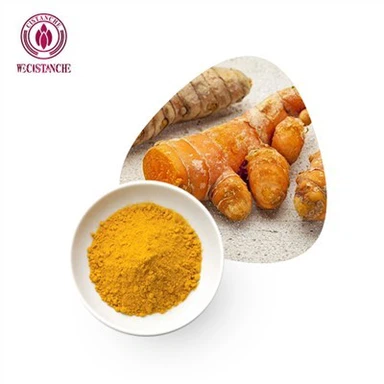
Cistanche is a genus of parasitic plants that belongs to the family Orobanchaceae. These plants are known for their medicinal properties and have been used in Traditional Chinese Medicine (TCM) for centuries. Cistanche species are predominantly found in arid and desert regions of China, Mongolia, and other parts of Central Asia. Cistanche plants are characterized by their fleshy, yellowish stems and are highly valued for their potential health benefits. In TCM, Cistanche is believed to have tonic properties and is commonly used to nourish the kidney, enhance vitality, and support sexual function. It is also used to address issues related to aging, fatigue, and overall well-being. While Cistanche has a long history of use in traditional medicine, scientific research on its efficacy and safety is ongoing and limited. However, it is known to contain various bioactive compounds such as phenylethanoid glycosides, iridoids, lignans, and polysaccharides, which may contribute to its medicinal effects.

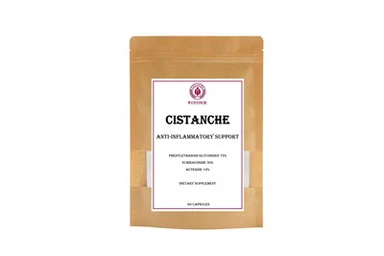
Wecistanche's cistanche powder, cistanche tablets, cistanche capsules, and other products are developed using desert cistanche as raw materials, all of which have a good effect on relieving constipation. The specific mechanism is as follows: Cistanche is believed to have potential benefits for relieving constipation based on its traditional use and certain compounds it contains. While scientific research on Cistanche's effect on constipation is limited, it is thought to have multiple mechanisms that may contribute to its potential to relieve constipation. Laxative Effect: Cistanche has long been used in Traditional Chinese Medicine as a remedy for constipation. It is believed to have a mild laxative effect, which can help promote bowel movements and induce constipation. This effect may be attributed to various compounds found in Cistanche, such as phenylethanoid glycosides and polysaccharides. Moistening the Intestines: Based on traditional use, Cistanche is considered to have moisturizing properties, specifically targeting the Intestines. Promoting hydration and lubrication of the Intestines may help soften tools and facilitate easier passage, thereby relieving constipation. Anti-inflammatory Effect: Constipation can sometimes be associated with inflammation in the digestive tract. Cistanche contains certain compounds, including phenylethanoid glycosides and lignans, that are believed to have anti-inflammatory properties. By reducing inflammation in the intestines, it may help improve bowel movement regularity and relieve constipation.