Cistanche (Rou Cong Rong): A 2026 Evidence-Based Summary Of Pharmacological Activities & Research Progress
Apr 08, 2026
Publication date: April 8, 2026
Suggested URL path (slug)
/blog/cistanche-rou-cong-rong-pharmacological-activities-research-progress-2026
Meta (SEO)
Meta title: Cistanche (Rou Cong Rong) Benefits: Pharmacology Summary (2026)
Meta description: A 2026 summary of Cistanche (Rou Cong Rong) pharmacological activities-reproductive support, antioxidant, anti-fatigue, anti-inflammatory, neuroprotection, and more-based on modern research progress.
Primary keywords: cistanche, rou cong rong, cistanche extract, cistanche benefits, pharmacological activities, phenylethanoid glycosides, cistanche polysaccharides, echinacoside, acteoside
Secondary keywords: anti-fatigue herbs, antioxidant botanical, gut microbiota, network pharmacology, herb pair compatibility, TCM tonic herb
Abstract
Cistanche (Rou Cong Rong) is a commonly used Yang-tonifying herb in clinical traditional Chinese medicine (TCM). It is traditionally described as "tonifying without being overly drying" and "nourishing Yin without being overly cloying," and is widely known as the "ginseng of the desert."
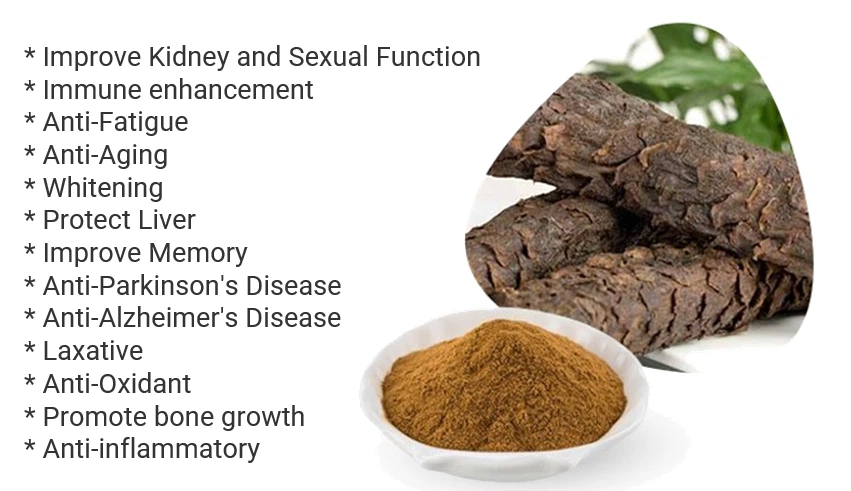
Its major bioactive constituents include polysaccharides, phenylethanoid glycosides (PhGs), and iridoids, among others. Modern pharmacological studies suggest that Cistanche may exhibit a broad range of activities, including anti-tumor, antioxidant, anti-aging, anti-osteoporotic, anti-fatigue, anti-inflammatory, neuroprotective, antidepressant-like, hepatoprotective, cardiovascular protective, renal protective, gastrointestinal regulatory, and immune-modulatory effects.
This article primarily summarizes:
the pharmacological activities of Cistanche, and
research progress on herb-pair compatibility investigated through network pharmacology, as well as clinical compatibility applications (to be expanded in a follow-up article).
This summary is intended to provide references for further development and utilization of Cistanche and Cistanche-based herb pairs.
Keywords
Cistanche; pharmacological activities; herb pair; research progress
Cistanche is famous for bodybuilding in the US

1. Pharmacological activities of Cistanche
Important note for readers (scientific & compliance): Many findings cited in this type of literature are derived from in vitro experiments and animal models. Human outcomes depend on formulation, dose, quality specifications, and individual conditions. This article is for scientific communication and ingredient research purposes, not for diagnosing, treating, curing, or preventing disease.
1.1 Reproductive protection (male & female)
Reproductive protection is one of the most representative pharmacological activities associated with Cistanche. In traditional TCM theory, Cistanche is used to tonify Kidney Yang and support essence and blood, and is historically used in patterns associated with Kidney Yang deficiency and essence/blood insufficiency-often described in TCM terms related to sexual function and fertility concerns.
Modern pharmacology studies suggest that bioactive constituents such as Cistanche polysaccharides and echinacoside may improve reproductive-related parameters in Kidney-Yang-deficiency model animals.
Reported mechanisms in preclinical studies include pathway regulation such as JAK–STAT, improvements in hormone-related readouts, tissue-level changes, sperm quality parameters, and metabolomics-linked mechanisms (e.g., lipid metabolism regulation), with certain PhGs suggested as potential active contributors.
ALL BENEFITS FROM CISTANCHE
1.2 Anti-tumor activity (preclinical)
Current research on the anti-tumor potential of Cistanche is largely focused on cell-based studies and animal models.
Cistanche polysaccharides have been reported to inhibit tumor-related behaviors through mechanisms such as:
inhibiting proliferation,
inducing apoptosis, and
influencing cell-cycle progression,
with observed effects in models involving liver, lung, and gastric cancer cells.
Phenylethanoid glycosides from Cistanche have also been reported to show anti-tumor-related bioactivities in certain study designs, including effects on migration/invasion in experimental systems.
1.3 Antioxidant activity
Cistanche is often studied as a natural antioxidant source, and its antioxidant potential is generally attributed to the synergy of multiple constituents.
Research findings commonly discuss how extraction conditions and fraction characteristics (e.g., molecular weight distribution, monosaccharide composition, and processing methods) can significantly influence antioxidant readouts in vitro, such as DPPH, hydroxyl radical scavenging, ABTS-related assays, and reducing capacity tests.
These results provide process and formulation references for developing Cistanche-related antioxidant products and ingredients.
1.4 Anti-aging activity (preclinical)
Aging is associated with multiple factors including oxidative stress, apoptosis, and telomere-related processes. The anti-aging potential of Cistanche is often discussed as being closely related to its antioxidant and immunomodulatory effects.
In preclinical research, Cistanche polysaccharides have been associated with changes in survival-related outcomes and oxidative stress markers, improvements in certain tissue morphologies, and modulation of gut microbiota profiles in aging model animals.
Cell-based studies have also reported that Cistanche polysaccharides may influence oxidative stress and aging-associated signaling, with pathways reported such as Nrf2/HO-1 and ERK-related signaling.
Additionally, phenylethanoid glycosides have been explored for their potential to alleviate kidney aging phenotypes in models, with reported associations to pathways such as STAT1, p53, and cGAS–STING, and reduced oxidative stress, apoptosis, and inflammation.
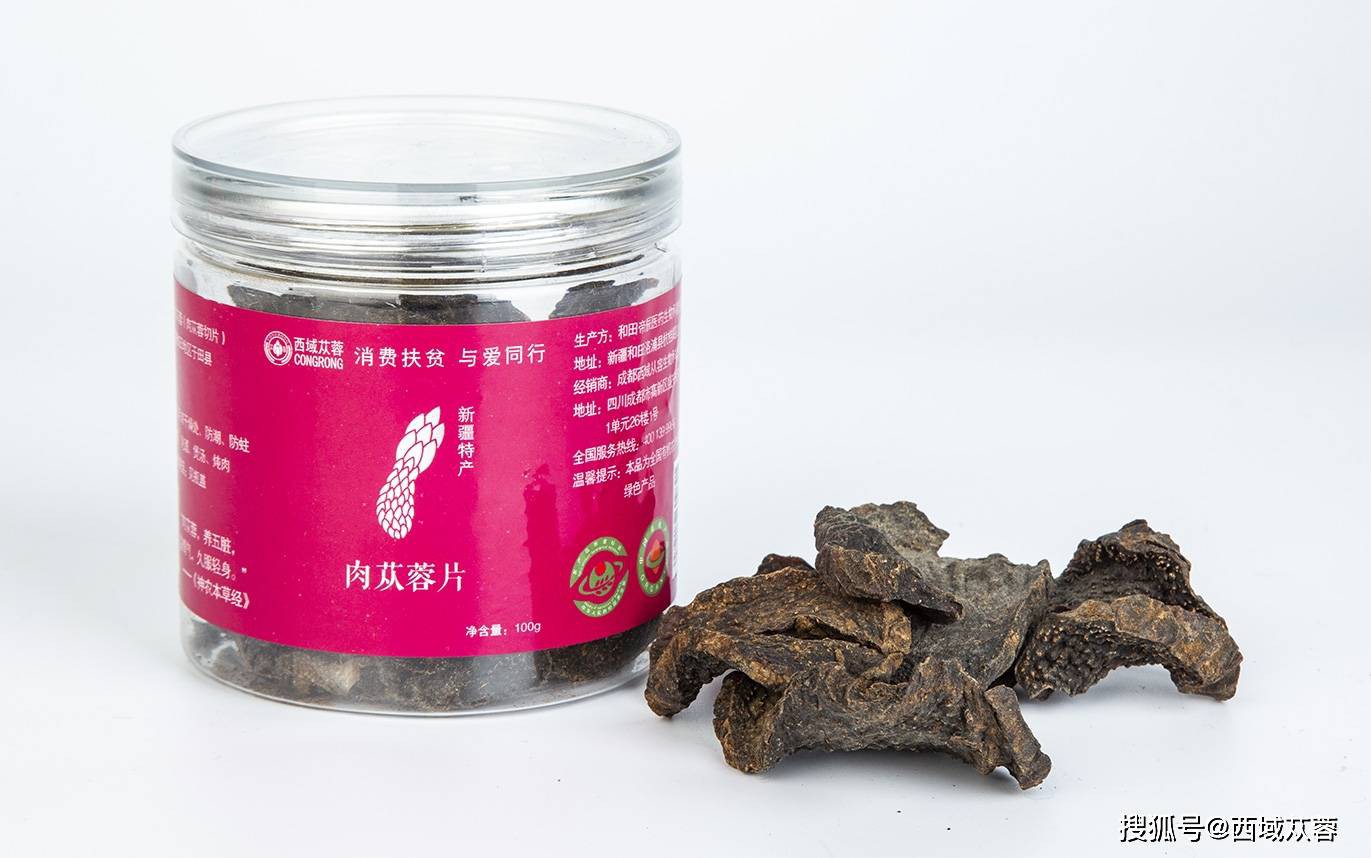
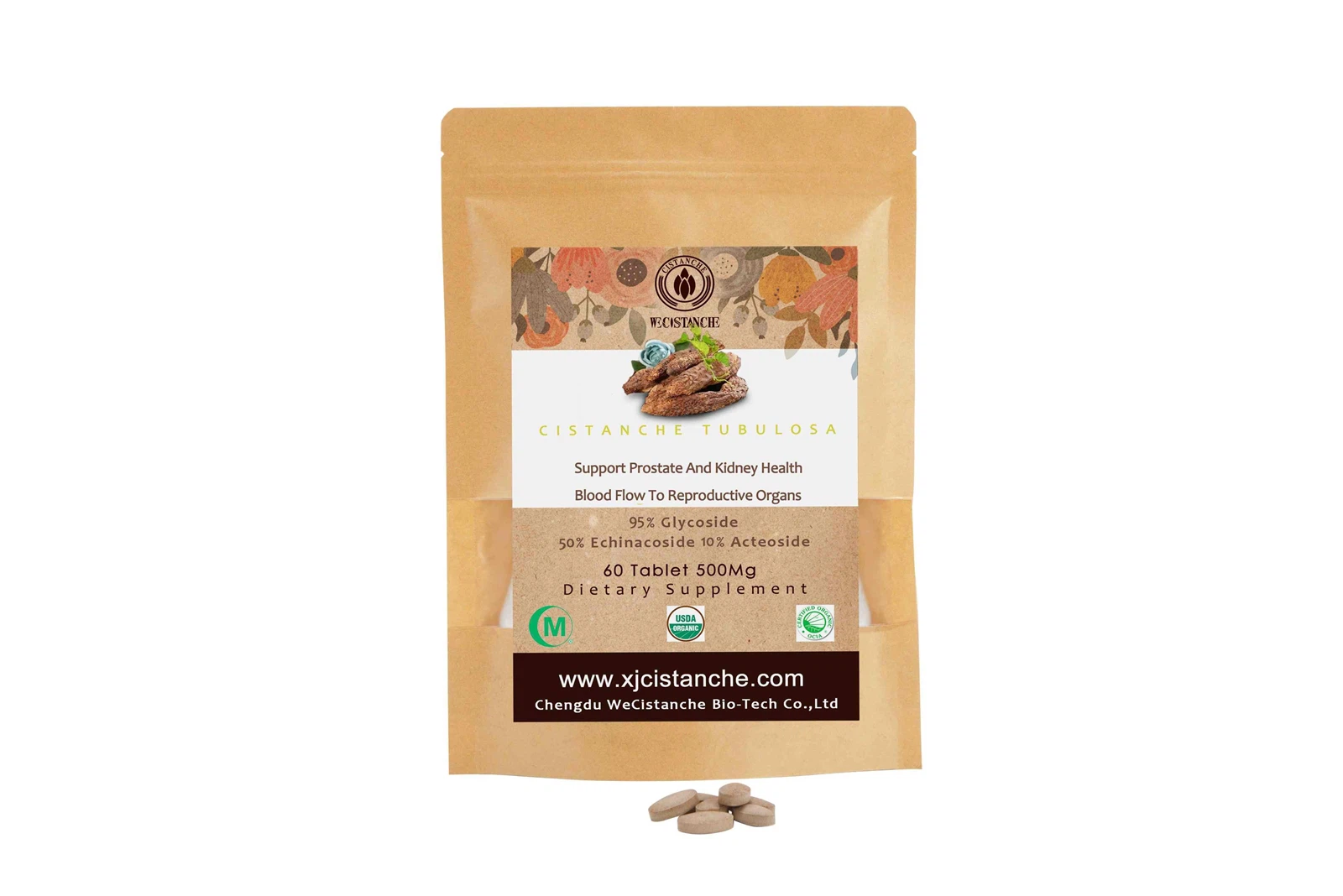
Cistanche Herb Sale In China
1.5 Anti-osteoporotic potential (preclinical)
Osteoporosis is characterized by reduced bone mass and microstructural deterioration. In TCM theory, it is often discussed in relation to Kidney deficiency patterns. As a well-known Kidney-tonifying botanical, Cistanche has shown potential in anti-osteoporotic research.
Animal model studies (e.g., ovariectomy-induced osteoporosis models and other bone-loss models) have reported that Cistanche extracts may:
modulate bone turnover markers,
improve bone microstructure,
mitigate bone mineral density decrease, and
reduce inflammation-associated signals in bone tissue.
Mechanistic discussions in literature include metabolic pathway regulation (e.g., lipid metabolism) and bone-formation signaling such as Wnt/β-catenin.
1.6 Anti-fatigue activity
Anti-fatigue effects have been repeatedly reported in animal studies.
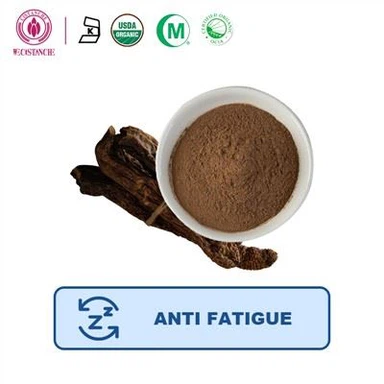
Using fatigue models such as sleep deprivation and forced swimming, Cistanche extracts and specific fractions (e.g., oligosaccharide-rich fractions or polysaccharides) have been reported to improve performance in behavioral tests and modulate fatigue-related biochemical markers, including those associated with lactate accumulation, urea nitrogen, and glycogen storage.
In treadmill-based exercise fatigue models, Cistanche alcohol extracts have been reported to extend exhaustive exercise time and distance, with biochemical readouts shifting toward non-fatigued baseline groups.
1.7 Anti-inflammatory activity
Cistanche has demonstrated anti-inflammatory potential across different experimental models, including those related to inflammatory disorders (e.g., colitis models).
Research spans from crude extracts to isolated compounds. Certain glycoside constituents have been reported to reduce inflammatory mediator production and regulate signaling pathways such as PI3K/AKT, along with reductions in inflammatory markers (e.g., iNOS, COX-2 in cellular settings) and improvements in colitis model indices (e.g., disease activity index, tissue structure).
Some studies also connect anti-inflammatory outcomes to gut microbiota modulation, suggesting multi-pathway and multi-target characteristics typical of botanical systems.
High Content Cistanche Extract And Supplements for Cognitive Function Sale In China

Supportive Service Of Wecistanche-For more details about cooperation
Email:wallence.suen@wecistanche.com
1.8 Neuroprotective activity
Cistanche constituents have been studied for neuroprotective potential through mechanisms such as antioxidant action, anti-inflammatory effects, and inhibition of neuronal apoptosis.
Preclinical studies across different neurological disease models (e.g., hypoxia-related injury models, Alzheimer's disease models, Parkinson's disease models) have reported improvements in learning/memory readouts, tissue pathology, oxidative stress indicators, and regulation of multiple signaling axes.
Mechanisms discussed in literature include regulation of:
ferroptosis-associated pathways and iron metabolism,
cAMP-related signaling and neurotrophic factor expression (e.g., BDNF), and
Keap1/Nrf2/HO-1 signaling in oxidative stress contexts.
1.9 Other reported activities
Beyond the activities listed above, Cistanche has also been discussed in the research literature for potential:
antidepressant-like effects,
hepatoprotective effects,
cardiovascular protective effects,
renal protective effects,
gastrointestinal regulation, and
immune regulation.
What this means for product developers (ingredient perspective)
For herbal developers and brand owners, the key takeaway is that Cistanche is not a "single-target" ingredient. It is typically researched as a multi-constituent botanical featuring:
Cistanche polysaccharides (often linked with immune/gut/antioxidant-related readouts)
Phenylethanoid glycosides (PhGs) such as echinacoside and related markers (commonly used for standardization)
additional glycosides and iridoid-related constituents depending on species and extraction
Therefore, from a B2B development standpoint, quality documentation and specification clarity matter, such as:
marker compound targets (e.g., PhGs%),
extraction solvent and DER,
pesticide/heavy metals/microbiology controls,
batch-to-batch COA consistency,
and application guidance (capsules, tablets, drink mixes, gummies, etc.).
Coming next: Network pharmacology herb-pair compatibility & clinical combination logic
This article focused on the pharmacological activity landscape of Cistanche.
In the next article, we will cover a topic that many formulators care about even more:
how Cistanche is combined with other herbs ("herb pairs"), and what network pharmacology suggests about:
shared targets and pathways,
synergy and compatibility rationales, and
how these insights map to practical clinical-style combination strategies.
If you're developing a Cistanche-based formula and want the next article plus a spec sheet, just reach out.
For serious inquiries (B2B / OEM / bulk ingredient)
If you are working on Cistanche for supplements, functional foods, or herbal formulations, we can support:
bulk Cistanche extract / powder supply
custom specification (PhGs%, polysaccharides%, solvent, DER)
COA per batch and documentation package
sampling for R&D and pilot runs
OEM/ODM support (capsule/tablet/sachet)
Reply with your target market (US/EU/MENA), desired markers (PhGs% / polysaccharides%), and dosage form-so we can recommend the best grade.