Diagnostic Ideas And Methods For Monoclonal Immunoglobulin-related Nephropathy (MGRS)
Oct 21, 2024
Monoclonal immunoglobulinemia is a general term for a class of diseases in which monoclonal immunoglobulins (MIg) and their components (heavy chains or light chains) are produced by abnormal proliferation of plasma cells or B lymphocytes, which can cause tissue or organ damage. Since the 1960s, its concept has been continuously evolving, and monoclonal immunoglobulinemia of undetermined significance (MGUS), monoclonal immunoglobulinopathy of renal significance (MGRS), and monoclonal gammopathy of clinical significance (MGCS) have been proposed. Compared with MGUS, the definition of MGRS refers to the presence of monoclonal immunoglobulins or their components in blood or renal tissue that cause kidney damage, but has not yet reached the standards of malignant tumors such as multiple myeloma (MM), lymphocytic leukemia, malignant lymphoma, and Waldenstrom's macroglobulinemia, and bone marrow biopsy has "benign" characteristics. Clinicians should fully realize that MGRS is not a rare disease, and its clinical manifestations are very heterogeneous. It is necessary to improve the understanding of the disease and change the current situation of untimely and insufficient diagnosis and treatment of the disease to reduce mortality and the risk of transplant recurrence.

First of all, the level of renal pathological diagnosis should be improved to timely detect renal damage caused by M protein and confirm that the monoclonal immunoglobulin deposited in the kidney is consistent with that in the blood and/or urine. MGRS is divided into two categories according to the presence or absence of MIg deposition: MIg deposition (direct mechanism) and MIg deposition (indirect mechanism). Among them, renal damage caused by MIg deposition can be divided into two types: ordered deposition and disordered deposition according to the ultrastructure of its deposits. Ordered deposition includes monoclonal immunoglobulin-related amyloid nephropathy (AL), immune tentacle-like glomerulopathy (ITG) and light chain proximal tubulopathy (LCPT); disordered deposition includes monoclonal immunoglobulin deposition disease (MIDD) and proliferative glomerulonephritis with monoclonal immunoglobulin deposition (PGNMID). The indirect mechanism refers to MIg causing renal damage by activating the complement bypass pathway, including MIg-related glomerulopathy and thrombotic microangiopathy (TMA), such as POEMS syndrome. Among them, PGNMID, ITG, type I cryoglobulinemia, and C3 glomerulopathy only affect the glomeruli, LCPT and cast nephropathy only affect the tubules, and MIg-related AL and MIDD usually affect the glomeruli, tubules, renal interstitium, and renal blood vessels at the same time. Therefore, clinical renal pathological diagnosis requires standardized light microscopy, immunofluorescence, and electron microscopy. Some cases require auxiliary technologies to confirm the diagnosis, including mass spectrometry, immunoelectron microscopy, and paraffin immunofluorescence to improve diagnostic accuracy.

Secondly, clinically, free light chains (FLC), serum protein electrophoresis (SPE), and immunized protein electrophoresis (IFE) should be promoted and standardized to determine whether monoclonal proteins exist and the type of components. FLC has the highest sensitivity and is the most convenient, which improves the early identification rate of MGRS patients. The commonly used methods are the polyclonal Freelite method and the monoclonal N-Latex method, each of which has its own advantages and disadvantages. FLC and SPE tests can detect monoclonal immunoglobulin disease, but cannot detect complete monoclonal immunoglobulins, and should be confirmed and typed in conjunction with IFE. Once again, when pathological tests prove that MIg deposition in renal tissue is consistent with that in blood and/or urine, the monoclonal immunoglobulin can be considered pathogenic. In a few cases, the presence of MIg is detected in vivo, but there is no MIg deposition in renal tissue, but the renal pathology shows C3 nephritis or TMA-like lesions, which is also highly suggestive of MGRS.

Finally, once MGRS is confirmed, bone marrow flow cytometry and biopsy of affected lymph nodes should be performed to further clarify the clone cells that produce monoclonal immunoglobulins and the presence or absence of monoclonal B cells or plasma cells, so that precise treatment can be taken for the pathogenic clone.
How Does Cistanche Treat Kidney Disease?
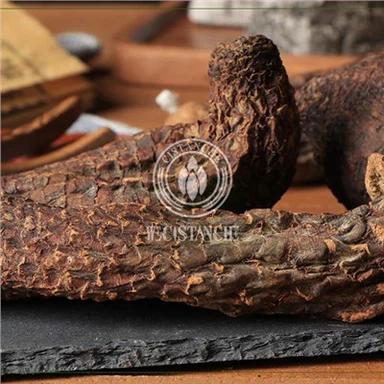
Cistanche is a traditional Chinese herbal medicine used for centuries to treat various health conditions, including kidney disease. It is derived from the dried stems of Cistanche deserticola, a plant native to the deserts of China and Mongolia. The main active components of cistanche are phenylethanoid glycosides, echinacoside, and acteoside, which have been found to have beneficial effects on kidney health.
Kidney disease, also known as renal disease, refers to a condition in which the kidneys are not functioning properly. This can result in a buildup of waste products and toxins in the body, leading to various symptoms and complications. Cistanche may help treat kidney disease ase through several mechanisms.
Firstly, cistanche has been found to have diuretic properties, meaning it can increase urine production and help eliminate waste products from the body. This can help relieve the burden on the kidneys and prevent the buildup of toxins. By promoting diuresis, cistanche may also help Reduce high blood pressure, a common complication of kidney disease.
Moreover, cistanche has been shown to have antioxidant effects. Oxidative stress, caused by an imbalance between the production of free radicals and the body's antioxidant defenses, plays a key role in the progression of kidney disease. ies help neutralize free radicals and reduce Oxidative stress, thereby protecting the kidneys from damage. The phenylethanoid glycosides found in cistanche have been particularly effective in scavenging free radicals and inhibiting lipid peroxidation.
Additionally, cistanche has been found to have anti-inflammatory effects. Inflammation is another key factor in the development and progression of kidney disease. Cistanche's anti-inflammatory properties help reduce the production of pro-inflammatory cytokines and inhibit the activation of mandatory pathways for inflammation, thus alleviating inflammation in the kidneys.

Furthermore, cistanche has been shown to have immunomodulatory effects. In kidney disease, the immune system can be dysregulated, leading to excessive inflammation and tissue damage. Cistanche helps regulate the immune response by modulating the production and activity of immune cells, such as T cells and macrophages. This immune regulation helps reduce inflammation and prevent further damage to the kidneys.
Moreover, cistanche has been found to improve renal function by promoting the regeneration of renal tubes with cells. Renal tubular epithelial cells play a crucial role in the filtration and reabsorption of waste products and electrolytes. In kidney disease, these cells can be damaged, leading to damaged renal function. Cistanche's ability to promote the regeneration of these cells helps restore proper renal function and improve overall kidney health.
In addition to these direct effects on the kidneys, cistanche has been found to have beneficial effects on other organs and systems in the body. This holistic approach to health is particularly important in kidney disease, as the condition often affects multiple organs and systems. che has been shown to have protective effects on the liver, heart, and blood vessels, which are commonly affected by kidney disease. By promoting the health of these organs, cistanche helps improve overall kidney function and prevent further complications.
In conclusion, cistanche is a traditional Chinese herbal medicine used for centuries to treat kidney disease. Its active components have diuretic, antioxidant, anti-inflammatory, immunomodulatory, and regenerative effects, which help improve renal function and protect the kidneys from further damage. , cistanche has beneficial effects on other organs and systems, making it a holistic approach to treating kidney disease.