L-Carnitine: Can It Be Used By All Hemodialysis Patients?
Oct 21, 2024
L-carnitine, as an important endogenous substance, participates in the metabolism of fatty acids in the human body and plays an important role in maintaining cellular energy metabolism. In hemodialysis patients, due to carnitine deficiency caused by long-term dialysis, the use of L-carnitine can effectively improve various complications of patients, such as cardiomyopathy, skeletal myopathy, arrhythmia, etc. [1-3]. However, not all hemodialysis patients are suitable for the use of L-carnitine. Why can't some patients use L-carnitine?

Click to Cistanche for kidney disease
Brief analysis of the reasons
1. Side effects of drugs: Although the side effects of L-carnitine are relatively few, it may still cause some adverse reactions, such as chills and fever [1]. In addition, there are reports that L-carnitine may induce epileptic seizures [3,5], which may be an important consideration in specific patient groups.
2. Drug interactions: L-carnitine may interact with other drugs, affecting their efficacy or increasing the risk of adverse reactions. For example, caution should be exercised when used simultaneously with certain cardiovascular drugs or anti-epileptic drugs [4].

3. Individual differences: Factors such as the patient's age, renal function, and comorbidities may affect the safety and effectiveness of L-carnitine. For example, elderly patients or patients with severe cardiovascular and cerebrovascular diseases may need to use L-carnitine more cautiously [5].
4. Effect of dialysis method: Different dialysis methods may affect the distribution and clearance of L-carnitine in the body. For example, high-flux hemodialysis may have a significant impact on the clearance of L-carnitine, requiring adjustment of the dose or frequency of administration [6].

As an adjuvant therapy, the use of L-carnitine in hemodialysis patients can bring many benefits, but there are also certain risks and limitations. When deciding whether to use L-carnitine, clinicians need to comprehensively consider the patient's specific situation, including drug side effects, potential drug interactions, individual differences, and dialysis methods. Through individualized treatment plans, the therapeutic effect of L-carnitine can be maximized while ensuring safety.
How Does Cistanche Treat Kidney Disease?
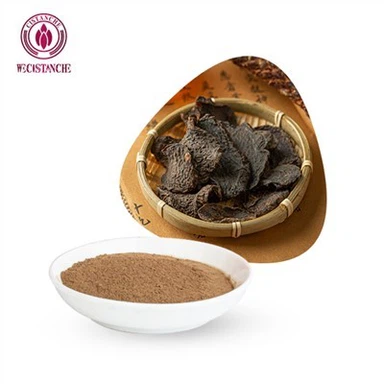
Cistanche is a traditional Chinese herbal medicine used for centuries to treat various health conditions, including kidney disease. It is derived from the dried stems of Cistanche deserticola, a plant native to the deserts of China and Mongolia. The main active components of cistanche are phenylethanoid glycosides, echinacoside, and acteoside, which have been found to have beneficial effects on kidney health.
Kidney disease, also known as renal disease, refers to a condition in which the kidneys are not functioning properly. This can result in a buildup of waste products and toxins in the body, leading to various symptoms and complications. Cistanche may help treat kidney disease ase through several mechanisms.
Firstly, cistanche has been found to have diuretic properties, meaning it can increase urine production and help eliminate waste products from the body. This can help relieve the burden on the kidneys and prevent the buildup of toxins. By promoting diuresis, cistanche may also help Reduce high blood pressure, a common complication of kidney disease.
Moreover, cistanche has been shown to have antioxidant effects. Oxidative stress, caused by an imbalance between the production of free radicals and the body's antioxidant defenses, plays a key role in the progression of kidney disease. ies help neutralize free radicals and reduce Oxidative stress, thereby protecting the kidneys from damage. The phenylethanoid glycosides found in cistanche have been particularly effective in scavenging free radicals and inhibiting lipid peroxidation.
Additionally, cistanche has been found to have anti-inflammatory effects. Inflammation is another key factor in the development and progression of kidney disease. Cistanche's anti-inflammatory properties help reduce the production of pro-inflammatory cytokines and inhibit the activation of inflammation mandatory pathways, thus alleviating inflammation in the kidneys.

Furthermore, cistanche has been shown to have immunomodulatory effects. In kidney disease, the immune system can be dysregulated, leading to excessive inflammation and tissue damage. Cistanche helps regulate the immune response by modulating the production and activity of immune cells, such as T cells and macrophages. This immune regulation helps reduce inflammation and prevent further damage to the kidneys.
Moreover, cistanche has been found to improve renal function by promoting the regeneration of renal tubes with cells. Renal tubular epithelial cells play a crucial role in the filtration and reabsorption of waste products and electrolytes. In kidney disease, these cells can be damaged, leading to damaged renal function. Cistanche's ability to promote the regeneration of these cells helps restore proper renal function and improve overall kidney health.
In addition to these direct effects on the kidneys, cistanche has been found to have beneficial effects on other organs and systems in the body. This holistic approach to health is particularly important in kidney disease, as the condition often affects multiple organs and systems. che has been shown to have protective effects on the liver, heart, and blood vessels, which are commonly affected by kidney disease. By promoting the health of these organs, cistanche helps improve overall kidney function and prevent further complications.
In conclusion, cistanche is a traditional Chinese herbal medicine used for centuries to treat kidney disease. Its active components have diuretic, antioxidant, anti-inflammatory, immunomodulatory, and regenerative effects, which help improve renal function and protect the kidneys from further damage. , cistanche has beneficial effects on other organs and systems, making it a holistic approach to treating kidney disease.