Do You Know What Cistanche Is And Where The Best Cistanche Comes From?
Dec 31, 2024
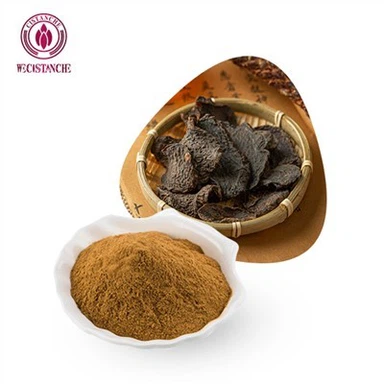
Cistanche tastes sweet, salty, and is warm in nature. It enters the kidney and large intestine meridians. It has the effects of tonifying kidney yang, nourishing essence and blood, and moistening the intestines and relieving constipation. It is commonly used to treat symptoms such as insufficient kidney yang, deficiency of essence and blood, impotence, infertility, weakness and soreness in the lower back and knees, lack of strength in the tendons and bones, and dryness and constipation of the intestines. For example, for male infertility caused by kidney yang deficiency, Cistanche can be combined with other kidney-tonifying drugs such as Rehmannia glutinosa and Lycium barbarum to play a role in warming and tonifying kidney yang and filling essence and marrow.

Cistanche is suitable for people with insufficient kidney yang, dry intestines and constipation, etc. However, due to its warm nature, it is not suitable for people with yin deficiency and internal heat and loose stools. For example, people who are prone to getting angry and have symptoms such as dry mouth and tongue and sore throat may aggravate the symptoms of getting angry after taking Cistanche.
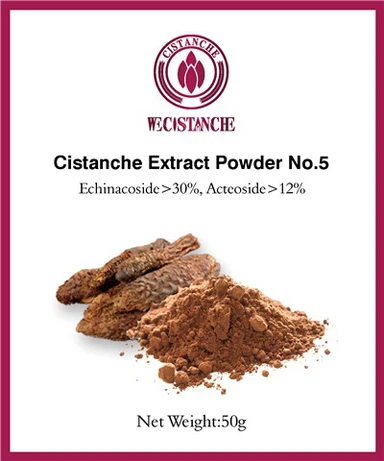
Cistanche contains a variety of active ingredients, such as phenylethanoid glycosides, iridoids, lignans, and other compounds. These components have a variety of pharmacological effects such as antioxidation, enhancing immunity, regulating the endocrine system, and improving microcirculation. Among them, phenylethanoid glycoside components can promote the growth and repair of nerve cells and may be helpful in improving memory and preventing and treating nervous system diseases such as senile dementia.
1. Decoction
This is the most common way to use traditional Chinese medicine. Generally, cut Cistanche into thin slices or small sections, put them into a casserole, add an appropriate amount of water, soak for a period of time (about 20 - 30 minutes), and then decoct over low heat. The conventional dose is 10 - 15 grams, which can be adjusted appropriately according to the condition and individual differences. For example, when used to treat weakness and soreness in the lower back and knees caused by insufficient kidney yang, it can be combined with Eucommia ulmoides and Achyranthes bidentata and decocted together. Take one dose a day and divide it into two doses. The decoction time is generally about 20 - 30 minutes to allow the active ingredients to dissolve fully.
2. Making Pills or Powders
2.1 Pills
Dry Cistanche and grind it into fine powder, mix it with the powder of other medicinal materials (such as Rehmannia glutinosa and Cornus officinalis, which are used to enhance the kidney-tonifying effect), add an appropriate amount of honey and other binders, and make pills. The advantage of pills is that they are easy to store and carry, and the drug effect is long-lasting. The dose of each pill can be determined according to the formula and the condition, generally 6 - 9 grams, 2 - 3 times a day.
2.2 Powders
Directly grind Cistanche into fine powder for use. You can put Cistanche powder into capsules for convenient taking. The dose of powder is generally smaller than that of pills, 3 - 6 grams each time, and take it with warm water. Its absorption is relatively fast.
3. Soaking in Wine
Soaking Cistanche in wine is a traditional usage method. Wash and dry Cistanche, and then put it into white wine to soak. Usually, the ratio of Cistanche to white wine is about 1:10 - 1:20. For example, use 50 grams of Cistanche to soak 1000 - 1500 milliliters of white wine. The soaking time needs at least 1 - 2 weeks to allow the active ingredients of Cistanche to dissolve fully into the wine. The prepared Cistanche wine can be drunk in a small cup (about 10 - 15 milliliters) every day and has the effect of warming and tonifying kidney yang. However, drinking should be in moderation. Excessive drinking is harmful to the body, and people with alcohol allergies cannot drink it.
4. Dietary Therapy
4.1 Soup
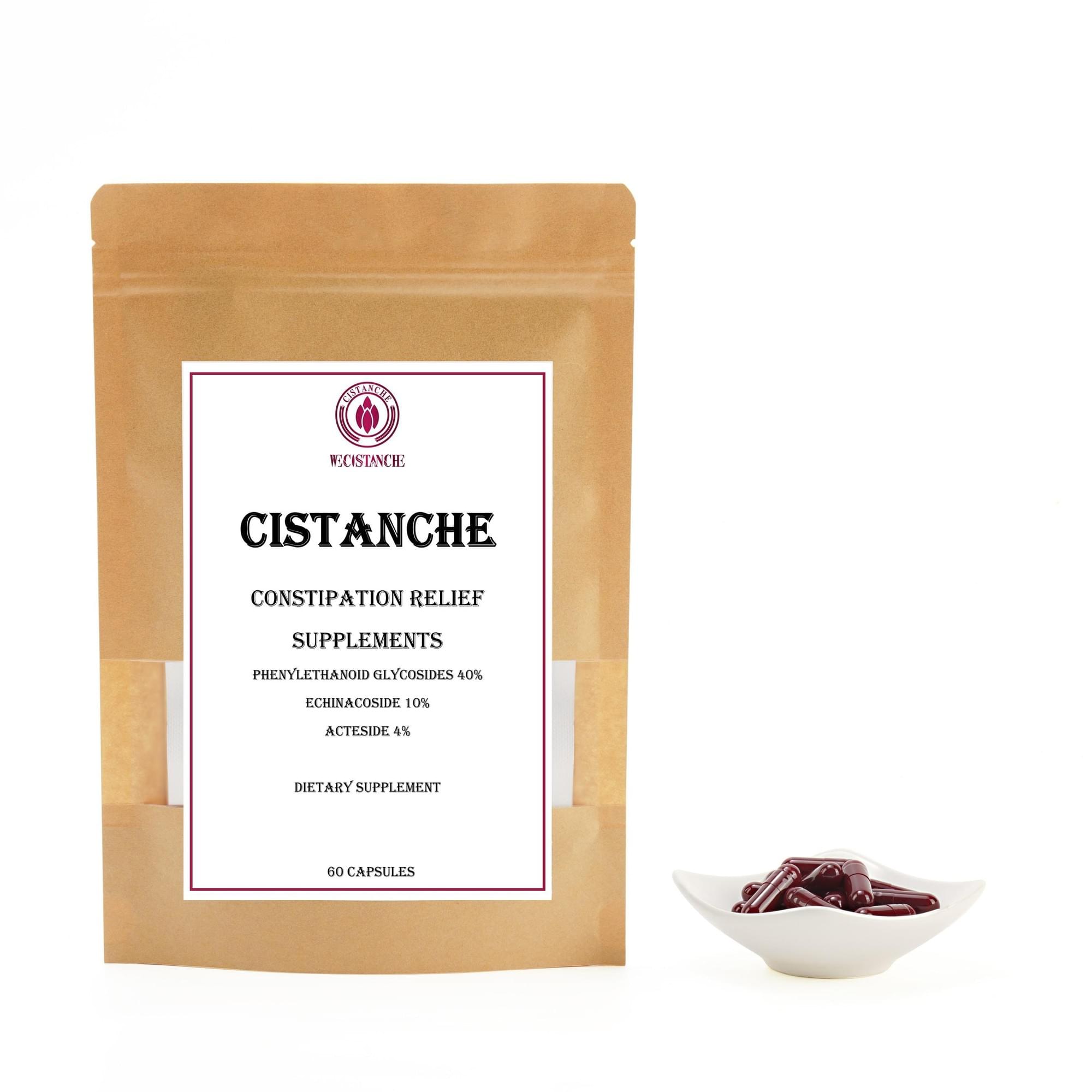
Cistanche can be used to make soup with a variety of ingredients. For example, for Cistanche, Chinese yam, and pork bone soup, wash 20 grams of Cistanche, 50 grams of Chinese yam, and 500 grams of pork bone. Blanch the pork bone to remove the fishy smell first, and then put all the ingredients into a soup pot, add an appropriate amount of water, bring to a boil over high heat, and then turn to low heat and simmer for about 1.5 - 2 hours until the pork bone is cooked through and the soup is thick. This soup tastes delicious and has the effects of tonifying the kidney and replenishing essence and nourishing the spleen and stomach.
There is also Cistanche and mutton soup. Take 30 grams of Cistanche and 500 grams of mutton. Cut the mutton into pieces and blanch it, and then put it into a pot with Cistanche, add ginger slices, scallions, and other seasonings, and simmer until the mutton is tender. This soup is especially suitable for winter consumption and can play a very good warming yang role.
4.2 Porridge
Cistanche porridge is also a simple and easy-to-make dietary therapy method. Wash 15 - 20 grams of Cistanche and put it into a pot, add an appropriate amount of water and bring to a boil, and then remove Cistanche and keep the soup. Then put 100 grams of japonica rice into the Cistanche soup and cook the porridge as usual. The cooked porridge can be added with an appropriate amount of honey, red dates, etc. according to personal taste. It tastes sweet and can moisten the intestines and relieve constipation and tonify the kidney and assist yang.
4.3 Tea
Cistanche can also be made into tea. Cut Cistanche into small pieces or slices and brew it with boiling water like making tea. You can add an appropriate amount of honey or Lycium barbarum according to personal taste. Generally, use 3 - 5 grams of Cistanche each time and brew it repeatedly until the taste becomes weak. This method is convenient and fast and is suitable for daily health care drinking.
Cistanche and Constipation: A Natural Solution
One of the common concerns among patients is constipation. It can cause a great deal of discomfort, including abdominal pain, bloating, and a general feeling of sluggishness. In modern medicine, constipation can be caused by a variety of factors such as an unbalanced diet, lack of physical activity, and stress.
Cistanche offers a natural and effective way to address constipation. Modern research has shown that Cistanche contains certain substances that can have a beneficial effect on the digestive system. It can help to increase the water content in the feces, making it softer and easier to pass. This is especially important for those who struggle with hard and dry stools. Additionally, Cistanche can stimulate the peristalsis of the intestines, promoting the regular movement of feces through the digestive tract. This gentle yet effective action can provide relief for constipation without the harsh side effects that some chemical laxatives may have.
Beyond Constipation: Other Potential Benefits and Considerations
In addition to its constipation-relieving properties, Cistanche holds great potential in other aspects of health. Its ability to tonify kidney yang and nourish essence and blood can have a positive impact on overall energy levels and vitality. By improving kidney function, it may also help with other issues related to kidney health, such as maintaining proper fluid balance in the body.
Moreover, the antioxidant and immune-enhancing effects of Cistanche may contribute to better overall health and a reduced risk of diseases. The fact that it can be used in various forms, from decoctions to dietary recipes, makes it a versatile option for those interested in natural health remedies.

However, it is important to note that like any herbal remedy, Cistanche should be used with caution. While it has many potential benefits, it may interact with certain medications or have different effects on different individuals. For example, it is always advisable to consult with a healthcare professional before using Cistanche, especially if you have underlying health conditions or are taking other medications.
In conclusion, Cistanche is a remarkable herb with a rich history and a promising future in modern health. Its unique properties and potential benefits make it a subject worthy of further exploration. Whether you are interested in its traditional uses or its modern applications, Cistanche has the potential to offer a natural and effective solution for various health concerns. By understanding its value and using it responsibly, we can tap into the power of nature to enhance our well-being. But always remember to prioritize your health and make informed decisions when it comes to using herbal remedies.