Effects Of Cistanche Total Glycosides On Oxidative Stress in Alzheimer's Disease
Sep 28, 2026
Abstract: Oxidative stress is an early and persistent component of Alzheimer disease (AD) pathology. Lipid peroxidation, protein carbonylation, and nucleic acid oxidation occur before or in parallel with amyloid deposition and tau hyperphosphorylation.

Benefits of Cistanche tubulosa: Anti-Alzheimer's disease
Cistanche total glycosides are the total fraction of phenylethanoid glycosides extracted from the succulent stems of Cistanche species; among them, Cistanche tubulosa (Schenk) Wight contains substantially more echinacoside than related species and is the principal raw material for relevant preparations. This review searches and appraises the literature under four simultaneous boundaries: species, preparation, disease, and endpoint. As of September 2026, no clinical study has been identified that simultaneously enrols patients with AD, uses Cistanche total glycosides as the intervention, and reports oxidative stress endpoints such as superoxide dismutase, malondialdehyde, glutathione peroxidase, total antioxidant capacity or 8-hydroxy-2-deoxyguanosine. The three closest human studies each miss one dimension. An eighteen-patient open-label study of Memoregain in moderate AD over forty-eight weeks, in which the Mini-Mental State Examination score changed from 14.78 plus or minus 2.51 to 14.06 plus or minus 4.26, included no oxidative stress measurements. A one-hundred-participant randomized, double-blind, placebo-controlled trial of a combination of Cistanche tubulosa and Ginkgo biloba extracts reported total tau and several phosphorylated tau epitopes instead. A phase II study of Congrong Zonggan capsules in vascular dementia involving 231 participants did not state the botanical source and addressed a different indication. At the preclinical level, total glycosides raised serum superoxide dismutase and glutathione peroxidase activity and lowered malondialdehyde in rats given intracerebroventricular amyloid beta 1-42; a study explicitly using Cistanche tubulosa extract in D-galactose-induced aging mice reported that cerebral malondialdehyde fell by 41.68 percent and cerebral superoxide dismutase reached 1.14 times the model value in the high-dose group; and the study with the most rigorously defined species, using APP/PS1 mice at 100, 200 and 400 mg per kg per day for sixty days, demonstrated cognitive improvement and reduced amyloid burden but did not measure classical oxidative endpoints, pointing instead to a gut microbiota, fatty acid metabolism and neuroinflammation axis. The conclusion is that the antioxidant potential of Cistanche total glycosides is chemically and preclinically plausible, but the proposition that they have been shown to reduce oxidative stress in patients with AD is not established. The next step is to close the evidence chain with batch-traceable preparations, combined central and peripheral endpoints, and pre-registered randomized controlled trials.
Keywords: Cistanche total glycosides; Cistanche tubulosa; Alzheimer disease; oxidative stress; superoxide dismutase; malondialdehyde; Nrf2/HO-1; randomized controlled trial; evidence gap

Phenylethanol glycoside is the main active component of Cistanche tubulosa
1. Introduction: A Clinical Question That Must Be Decomposed Precisely
1.1 The Position of Oxidative Stress in AD Pathology
The core pathology of Alzheimer disease includes deposition of amyloid beta to form senile plaques, hyperphosphorylation of tau to form neurofibrillary tangles, synaptic loss, and neuronal death. Oxidative stress is neither a bystander in this cascade nor its sole driver; it is an amplifier that operates throughout. Brain tissue has high oxygen consumption, is rich in polyunsaturated fatty acids, has relatively weak antioxidant defences and contains appreciable amounts of transition metals such as iron and copper, which makes it especially vulnerable to reactive oxygen species.
Amyloid beta oligomers can induce reactive oxygen species generation at the mitochondrial membrane, inhibit respiratory chain complexes, and lower membrane potential. In the reverse direction, the lipid peroxidation products 4-hydroxynonenal and malondialdehyde promote amyloid beta aggregation and tau phosphorylation, forming a positive feedback loop. Markers of nucleic acid and protein oxidation such as 8-hydroxy-2-deoxyguanosine and protein carbonyls have likewise been repeatedly reported in brain tissue and peripheral samples from patients with AD. For this reason, antioxidant intervention has long been regarded as a candidate therapeutic strategy.

Cistanche prevents Alzheimer's disease
It must be recognised, however, that the validity of the antioxidant hypothesis does not mean that any antioxidant agent will produce a clinically measurable change in humans. Oral bioavailability, blood-brain barrier permeability, unbound concentration in target tissue, timing of intervention, and treatment duration together determine whether a molecule that is antioxidant in chemistry genuinely alters the redox state of the brain in a patient with AD.
1.2 What Are Cistanche Total Glycosides
Cistanche total glycosides are the total fraction extracted from the succulent stems of Cistanche species in which phenylethanoid glycosides predominate. Representative constituents include echinacoside, verbascoside (also called acteoside), isoacteoside, and tubulosides. The Chinese Pharmacopoeia uses echinacoside and verbascoside as the marker compounds for identification and assay of Cistanches Herba, requiring a combined content of not less than 1.5 percent for Cistanche tubulosa and not less than 0.30 percent for Cistanche deserticola, calculated on the dried basis.
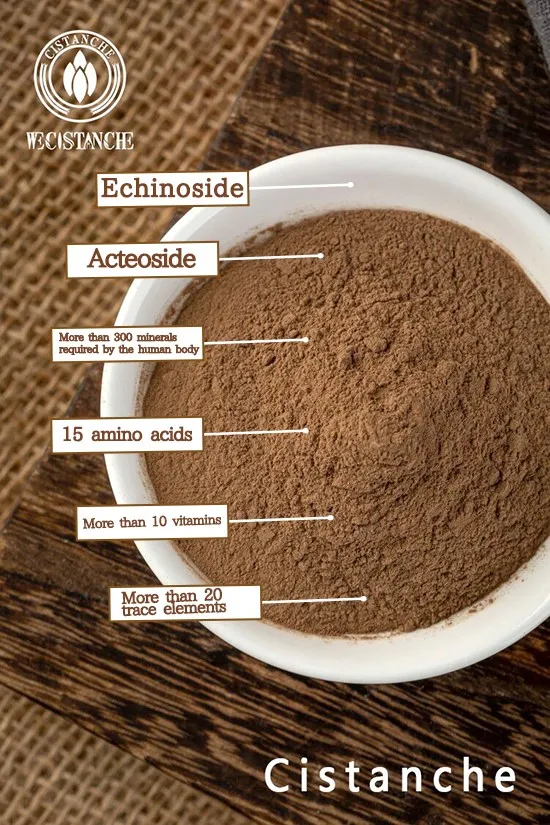
Main Chemical Constituents of Cistanche tubulosa
Congrong Zonggan capsules, a Chinese patent medicine whose principal active fraction is total glycosides, are already marketed, with the original indication being mild to moderate vascular dementia of the marrow-sea deficiency pattern. In 2022, the company obtained approval to add an indication and conduct clinical trials in patients with mild to moderate dementia due to Alzheimer disease corresponding to the same traditional pattern, and the relevant phase II trial enrolled its first participant in April 2025. Separately, Cistanche tubulosa glycoside capsules (Memoregain) have been studied outside mainland China in patients with AD.
1.3 Defining the Question Addressed Here
The question this review addresses can be stated in one sentence: in patients meeting diagnostic criteria for Alzheimer disease, when Cistanche total glycosides are the principal intervention, are oxidative stress-related markers altered, by how much, and with what strength of evidence?
This definition contains four indispensable dimensions: species, meaning whether the material is Cistanche tubulosa; preparation, meaning total glycosides rather than a combination or a single compound; disease, meaning AD rather than vascular dementia or mild cognitive impairment; and endpoint, meaning oxidative stress markers rather than cognitive scales alone. If any one dimension is missing, the study cannot be counted as a direct answer to the question.
2. Evidence Boundaries and Search Strategy
2.1 Botanical Determination Cannot Be Inferred from Development History
The term Cistanche total glycosides is often used in the Chinese literature without stating the plant species. Because the Chinese Pharmacopoeia lists both Cistanche deserticola and Cistanche tubulosa under Cistanches Herba, and because their chemical fingerprints and glycoside ratios differ, studies that do not state the species cannot be assumed to refer to C. tubulosa. This review applies a three-level determination.
Table 1. Levels of botanical determination and how each is handled
|
Level |
Condition |
Handling in this review |
|
C. tubulosa confirmed |
The paper states Cistanche tubulosa or gives the full Latin name |
Eligible for inclusion in the C. tubulosa evidence chain |
|
Botanical source not stated |
Only Cistanche total glycosides, Congrong Zonggan, or Cistanche is written, with no species or Latin name |
Treated separately and labelled as source not stated; not assumed to be C. tubulosa |
|
Possibly mixed source |
A generic pharmacopoeial drug name is used without distinguishing species |
Source uncertainty flagged explicitly; no quantitative extrapolation |
This boundary is not a pedantic requirement. The pharmacological behaviour of echinacoside may be influenced by co-extracted constituents in different extract matrices, while macroporous resin processes, solvents and batch variation further alter in vivo exposure. Consequently, even where development documentation for a preparation points to C. tubulosa, a development history cannot replace a materials declaration in the original publication.
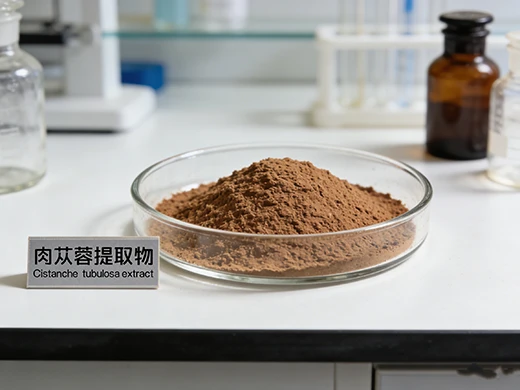
Cistanche tubulosa extract
2.2 Endpoint Determination: Which Markers Count as Oxidative Stress
Oxidative stress endpoints are restricted here to markers that directly reflect redox state or oxidative damage: antioxidant enzymes including superoxide dismutase, glutathione peroxidase and catalase; total antioxidant capacity; lipid peroxidation products including malondialdehyde, 4-hydroxynonenal and 8-isoprostane F2alpha; nucleic acid oxidation markers such as 8-hydroxy-2-deoxyguanosine; protein oxidation markers such as protein carbonyls; and reactive oxygen species or the glutathione redox pair.
Indirect or upstream markers are excluded. Total tau, phosphorylated tau, inflammatory cytokines, and the amyloid beta 42 to 40 ratio are markers of AD pathology and neuroinflammation; although they intersect with oxidative stress, they cannot substitute for redox endpoints. Likewise, scales such as the Mini-Mental State Examination, the Montreal Cognitive Assessment, the cognitive subscale of the Alzheimer Disease Assessment Scale, and activities of daily living are clinical outcomes, and improvement on a scale cannot be inverted to infer improvement in oxidative stress.
2.3 Search Coverage
Searches covered Chinese journal databases and their accessible mirrors, PubMed, Europe PMC, ClinicalTrials.gov, and the Chinese Clinical Trial Registry. Search term combinations included Cistanche total glycosides, Congrong Zonggan, Cistanche tubulosa, and related terms crossed with Alzheimer disease or senile dementia and with oxidative stress, superoxide dismutase, malondialdehyde, glutathione peroxidase, and 8-hydroxy-2-deoxyguanosine, together with the corresponding English combinations of Cistanche total glycosides, Congrong Zonggan, Memoregain, and Cistanche tubulosa glycosides with Alzheimer and oxidative stress endpoints.
3. Direct Clinical Evidence: The Search Returns an Empty Set
No clinical study was identified that simultaneously satisfies the three conditions of patients with AD, intervention with Cistanche total glycosides, and measurement of oxidative stress endpoints. This negative finding must itself form part of the conclusion and must be stated precisely: it means that within currently accessible literature and registry information, no direct quantitative human evidence chain can be constructed. It does not prove that such studies were never conducted, and it certainly cannot be inverted to prove that the intervention is ineffective.
Table 2. Search matrix for direct evidence
|
Search target |
Search result |
Supported conclusion |
Unsupported conclusion |
|
C. tubulosa total glycosides in AD with SOD, MDA or GSH-Px measurement |
No study meeting all conditions identified |
Direct evidence is currently an empty set |
Cannot assert that none exists permanently in all languages |
|
ClinicalTrials.gov and the Chinese Clinical Trial Registry |
No verifiable target trial record with results identified |
No registry-to-results chain is currently available |
Cannot exclude unregistered studies or studies without uploaded results |
|
Eighteen-patient Memoregain study in AD |
Full text found, but no oxidative stress endpoint was set |
Cannot be used to calculate an antioxidant effect size |
SOD or MDA values must not be supplied retroactively |
|
One-hundred-participant trial of the C. tubulosa and Ginkgo biloba combination |
Full text found, but participants were at-risk individuals and the target endpoint was absent |
Usable only as indirect clinical reference |
Cannot be treated as single-agent total glycoside evidence in AD |
If pre-registered trials appear in future, judgement should rest on the primary endpoint, sample size calculation and complete analysis sets specified in the pre-registered protocol, rather than on conference abstracts, news reports or company announcements. Regulatory permission to conduct trials and clinical validation are different stages: approval to run a trial in AD is not evidence of efficacy in AD.

Benefits of Cistanche tubulosa: Anti-Alzheimer's disease
Click here to view Cistanche Improving Memory Preventing Alzheimer's Disease products
【Ask for more】 Email:cindy.xue@wecistanche.com / WhatsApp: 0086 18599088692 / Wechat: 18599088692
4. The Four Closest Human Studies and Their Gaps
4.1 The Eighteen-Patient Open-Label Memoregain Study: Closest Population, Missing Endpoint
This is the only study identified with verifiable full text in which Cistanche tubulosa total glycosides were administered to patients with AD. It used an open-label, non-placebo-controlled, single-arm design and enrolled patients with moderate AD meeting NINCDS-ADRDA diagnostic criteria, with entry criteria of a Mini-Mental State Examination score between 10 and 18, a Hachinski Ischemic Score below 7, and no history of stroke, aged 55 to 80 years. Eighteen participants completed forty-eight weeks of observation. The intervention was Memoregain, each capsule containing 300 mg of C. tubulosa glycosides, at two capsules three times daily.
The Mini-Mental State Examination score was 14.78 plus or minus 2.51 at baseline and 14.06 plus or minus 4.26 at study completion. Change in the cognitive subscale of the Alzheimer Disease Assessment Scale over forty-eight weeks was not statistically significant; the score improved in ten patients, deteriorated in seven, and remained unchanged in one. Scores for activities of daily living and the Clinical Global Impression scale showed no significant difference from baseline. All adverse reactions were mild. The authors concluded cautiously that patients showed no obvious aggravation of cognitive function, independent living ability, or overall condition and remained stable throughout, suggesting potential as a treatment option for mild to moderate AD, while explicitly noting that larger trials are required for confirmation.
cistanche supplement
The critical gap lies in the endpoint. Cognitive and functional scales were the principal observations; the paper lists no oxidative stress assay protocol and provides no means, standard deviations, or P values for superoxide dismutase, malondialdehyde, or glutathione peroxidase. An antioxidant effect size therefore cannot be calculated, and stability of the Mini-Mental State Examination score cannot be used to infer improvement in oxidative stress. The single-arm open design additionally means that natural fluctuation, observer expectation, changes in the care environment, and measurement error cannot be excluded.
4.2 The Hundred-Participant Combination Trial: Strongest Methods, Threefold Offset
A randomized, double-blind, placebo-controlled trial enrolled one hundred Chinese middle-aged and elderly participants for ninety days, with two tablets daily, each pair of tablets providing 72 mg echinacoside and 27 mg flavonol glycosides. Cognitive scales improved significantly; among blood biomarkers, total tau, pT181, pS199, pT231, pS396, and thyroid-stimulating hormone decreased significantly, while triiodothyronine and free triiodothyronine increased significantly. No treatment-related adverse events were reported.
Although methodologically stronger than the open-label study, this trial carries three offsets relative to the present question. The first is population: participants were middle-aged and elderly people at risk of neurodegenerative disease with relatively high cognitive baselines, not patients meeting diagnostic criteria for AD dementia. The second is intervention: the product evaluated was a combination of Cistanche tubulosa and Ginkgo biloba, and Ginkgo has independent pharmacological activity, so effects cannot be attributed to total glycosides alone. The third is the endpoint: the phosphorylated tau epitopes and thyroid hormones reported are pathological and endocrine markers rather than oxidative stress endpoints, and no values for superoxide dismutase, malondialdehyde, glutathione peroxidase, total antioxidant capacity, 8-isoprostane F2alpha, or 8-hydroxy-2-deoxyguanosine were reported.
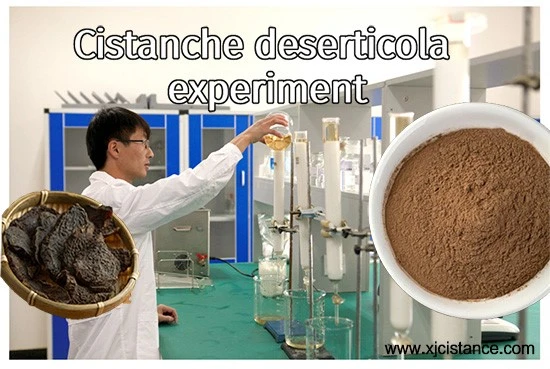
Cistanche tubulosa experiment
4.3 Cistanche tubulosa capsules The Phase II Vascular Dementia Study: Historical Registration Context, Dual Constraints
A phase II study used a randomized, double-blind, double-dummy, positive-drug parallel-controlled, multicentre design to observe 231 patients with mild to moderate vascular dementia of the marrow-sea deficiency pattern, with 116 receiving Cistanche tubulosa capsules and 115 receiving hydergine tablets, evaluating cognitive status by the Mini-Mental State Examination, behavioural capacity by the Blessed Behavioral Scale, activities of daily living, and traditional Chinese medicine syndrome scores. Marked improvement and total effective rates were 33.62 and 75.00 percent for cognitive status in the treatment group versus 25.22 and 71.30 percent in the control group; 5.17 and 65.52 percent versus 0.87 and 53.04 percent for behavioural capacity; 1.72 and 50.00 percent versus 0 and 39.13 percent for activities of daily living; and 21.55 and 83.62 percent versus 13.04 and 69.57 percent for syndrome response. Between-group comparison indicated that the capsules were similar to the control drug for cognitive status and activities of daily living and superior for behavioural capacity and syndrome response, with no evident effect on safety indicators and no serious adverse events during the trial.
Cistanche tubulosa capsules
Two constraints limit the relevance of this study. First, the original abstract does not state the botanical source, so it must be labelled as source not stated under the rules adopted here. Second, the indication is vascular dementia, whose pathological basis is cerebrovascular disease and ischaemic injury rather than the amyloid and tau pathology of AD, so cross-indication extrapolation requires independent supporting evidence. In addition, the retrieved abstract lists no oxidative stress markers.
A further retrieved record describes a double-blind randomized controlled study that enrolled four hundred patients aged fifty years or older with AD or vascular dementia, randomly assigned to Congrong Zonggan capsules or placebo for twenty-two weeks, in which the treatment group improved by an average of 3.2 points on the SKT test while the placebo group deteriorated by an average of 1.3 points, with secondary outcomes including the neuropsychiatric inventory and activities of daily living also significantly better than placebo. This record comes from conference and abstract-level material; its full text and detailed numerical basis could not be verified, and no oxidative stress markers were identified within it, so it is listed only as a background lead and is not cited quantitatively.
4.4 The Ongoing Phase II Trial for the AD Indication: Worth Watching, Results Pending
Congrong Zonggan capsules (approval number Guo Yao Zhun Zi Z20143012, traditional Chinese medicine class 2.3) originally carried the indication of mild to moderate vascular dementia of the marrow-sea deficiency pattern. In 2022, the product received approval to conduct clinical trials for an added indication, namely symptomatic improvement in patients with mild to moderate dementia due to Alzheimer disease corresponding to the marrow-sea deficiency pattern, under acceptance number CXZL2200011. Publicly available information indicates that the first participant in the phase II trial for mild to moderate AD signed informed consent on 14 April 2025, with 136 participants planned, and that the trial primarily evaluates change in the eleven-item cognitive subscale of the Alzheimer Disease Assessment Scale and adverse events over a period from before treatment to twenty-four weeks after treatment.
Desert living cistanche prevents Alzheimer's disease
This trial deserves continued attention, with two caveats. First, the publicly disclosed primary endpoint is a cognitive scale, and no oxidative stress marker has been disclosed as a primary endpoint. Second, the trial is ongoing, so any statement about efficacy is premature. Registration and initiation of a trial indicate only that the indication has entered the validation stage; they do not constitute evidence of efficacy.
Table 3. Key elements and gaps of the four closest human studies
|
Study |
Population and design |
Sample |
Intervention |
Gap relative to the present question |
|
Memoregain (Guo et al., 2013) |
Moderate AD; open-label, no placebo, single-arm |
18 completers |
300 mg per capsule, two capsules three times daily for 48 weeks |
No oxidative stress endpoint; very small sample; no control |
|
C. tubulosa plus Ginkgo biloba (Chen et al., 2024) |
Middle-aged and elderly at risk of neurodegenerative disease; randomized, double-blind, placebo-controlled |
100 participants |
Echinacoside 72 mg plus flavonol glycosides 27 mg daily for 90 days |
Not patients with AD; a combination rather than total glycosides alone; oxidative markers not measured |
|
Congrong Zonggan capsules, phase II in vascular dementia (Wang et al., 2005) |
Mild to moderate vascular dementia; randomized, double-blind, double-dummy, positive-controlled, multicentre |
231 participants (116 versus 115) |
Capsules taken orally, duration as stated in the original report |
Botanical source not stated; indication is vascular dementia; no oxidative markers retrieved |
|
Congrong Zonggan capsules, phase II in AD (ongoing) |
Mild to moderate AD, marrow-sea deficiency pattern; randomized controlled phase II |
136 participants planned |
As per trial protocol |
Results not available; disclosed primary endpoint is ADAS-cog/11, no oxidative endpoint |
5. Preclinical Evidence: Where the Rationale for Antioxidant Effects Comes From
5.1 The Intracerebroventricular Amyloid Beta 1-42 Rat Model
In one study, bilateral intracerebroventricular injection of amyloid beta 1-42 was used to prepare a rat model of AD, and different doses of Cistanche total glycosides were given by intraperitoneal injection for twenty days. Spatial learning and memory were assessed with the Morris water maze; hippocampal CA1 cell morphology was observed by Nissl staining with counting of normal pyramidal cells; synaptophysin content in brain tissue was measured by immunohistochemistry; and serum superoxide dismutase and glutathione peroxidase activities, together with malondialdehyde content, were determined by enzyme-linked immunosorbent assay.
Total glycosides significantly shortened escape latency and the distance travelled before reaching the platform, increased the percentage of time in the target quadrant and the number of platform crossings, raised the survival rate of pyramidal cells in hippocampal CA1, increased synaptophysin expression, raised superoxide dismutase and glutathione peroxidase activity, and lowered malondialdehyde. The authors proposed that the mechanism by which total glycosides improve learning and cognitive impairment in AD may involve reducing free radical accumulation and clearing excess peroxides, thereby enhancing synaptic plasticity.
This study matches the present question closely in both model and endpoint and is the closest link in the preclinical chain. Its limitations are equally clear: the botanical source was not stated, so the findings cannot be upgraded to a conclusion about Cistanche tubulosa total glycosides; the abstract does not provide means, standard deviations, or P values, so effect size cannot be assessed; and administration was by intraperitoneal injection, whose absorption and first-pass profile differ substantially from oral dosing in humans.
5.2 The Aging Model Using Material Explicitly Identified as Cistanche tubulosa
A study that explicitly used Cistanche tubulosa extract established low-, medium-, and high-dose groups together with a vitamin C positive control group in mice with D-galactose-induced subacute aging, dosing for thirty days. Glutathione peroxidase and superoxide dismutase were significantly elevated in all dose groups relative to the model group; malondialdehyde was significantly reduced in the medium- and high-dose groups; in the high-dose group cerebral malondialdehyde fell by 41.68 percent relative to the model group and cerebral superoxide dismutase reached 1.14 times the model value; hepatic malondialdehyde fell by 23.86 percent in the medium-dose group; and serum malondialdehyde fell by 38.30 percent in the high-dose group.
This is one of the few studies identified that both confirms the species and reports relatively specific changes. Three boundaries must nevertheless be stated: the model is D-galactose-induced subacute aging rather than AD; the intervention is a Cistanche tubulosa extract rather than a fully standardized total glycoside fraction; and the systemic oxidative damage of an aging model is not equivalent to the chronic, focal oxidative stress intertwined with amyloid and tau pathology in the brains of patients with AD. What it supports is therefore systemic antioxidant potential in an aging-like model, not demonstrated improvement of oxidative stress in patients with AD.
5.3 The APP/PS1 Mouse Study: Species Defined Most Rigorously, Classical Oxidative Endpoints Absent
A study published in 2025 has particular value for species definition. It used six-month-old APP/PS1 double transgenic mice with a wild-type control group, a model group, total glycoside groups at 100, 200, and 400 mg per kg per day, and a donepezil group at 0.92 mg per kg per day, with ten animals per group, dosed orally for sixty days.
Total glycoside treatment significantly improved spatial memory and reduced soluble and insoluble amyloid beta 1-40 and 1-42, as well as pro-inflammatory factors in the hippocampus. Multi-omics analysis revealed that from day seven of intervention, the glycosides rapidly enriched beneficial taxa such as Akkermansia and suppressed the abnormal expansion of Firmicutes, leading to increased neuroprotective short-chain fatty acids such as beta-hydroxybutyrate and decreased pro-inflammatory long-chain fatty acids in both serum and brain. In vitro experiments further demonstrated direct promotion of Akkermansia muciniphila proliferation. The investigators proposed a gut microbiota, fatty acid metabolism, and neuroinflammation axis.
What must be understood precisely is that the methods section of this study confirms that superoxide dismutase, malondialdehyde, glutathione peroxidase, catalase, reactive oxygen species, and 8-hydroxy-2-deoxyguanosine were not measured, and Nrf2 and HO-1 were not assessed either. Absence of measurement cannot be read as absence of effect, and classical enzymological or lipid peroxidation endpoints certainly cannot be written into the results retroactively. The value of the study lies in providing a testable route by which a poorly bioavailable phytochemical may act systemically through the gut-brain axis; its limitation is that it cannot answer the specific question of whether oxidative stress was improved.
5.4 The Ischaemia-Reperfusion Model: Support for the Nrf2/HO-1 Pathway but a Shifted Disease Model
In a study using a cerebral ischaemia-reperfusion rat model, Cistanche total glycosides were given by gavage at 50 mg per kg per day for fourteen days. Compared with the model group, malondialdehyde fell while superoxide dismutase and glutathione peroxidase rose, and Nrf2, HO-1, and Bcl-2 increased in brain tissue while Bax and caspase-3 decreased. This result is valuable for understanding the chain from total glycosides through Nrf2/HO-1 and antioxidant enzymes to apoptosis, but the disease model is ischaemic stroke and the botanical source was not stated, so the mechanistic conclusion cannot be transferred directly to the amyloid and tau environment of AD.
Table 4. Summary of preclinical oxidative stress studies
|
Study |
Model |
Botanical determination |
Dose and duration |
Oxidative findings and extrapolation limits |
|
Amyloid beta 1-42 rat study (Wang et al., 2020) |
Bilateral intracerebroventricular amyloid beta 1-42 |
Source not stated |
Intraperitoneal injection for 20 days |
Serum SOD and GSH-Px raised, MDA lowered; complete means not given; intraperitoneal route differs greatly from oral dosing |
|
Quinolinic acid mouse study |
Quinolinic acid neurotoxicity |
Source not stated |
Gavage for 17 days |
Cerebral MDA lowered, SOD and GSH-Px raised; absolute values not extractable; excitotoxic injury is not AD |
|
Cistanche tubulosa extract aging study |
D-galactose-induced aging mice |
C. tubulosa confirmed, but an extract rather than a standardized fraction |
1, 2, and 4 g per 10 g for 30 days |
High-dose cerebral MDA fell 41.68 percent, and cerebral SOD reached 1.14 times the model value; aging model rather than AD |
|
APP/PS1 mouse study (Hou et al., 2025) |
Six-month-old APP/PS1 double transgenic mice |
Cistanche tubulosa confirmed |
100, 200, and 400 mg per kg per day for 60 days |
SOD, MDA, GSH-Px, and Nrf2/HO-1 not measured; mechanism points to the microbiota and fatty acid axis |
|
Cerebral ischaemia-reperfusion study (2023) |
Middle cerebral artery occlusion rats |
Source not stated |
50 mg per kg per day for 14 days |
SOD and GSH-Px raised, MDA lowered, Nrf2 and HO-1 raised; a stroke model cannot stand in for AD |
6. Mechanistic Basis: The Distance from Chemical Reducing Capacity to Effective Brain Exposure
6.1 Phenolic Hydroxyl and Caffeoyl Groups Provide Chemical Reducing Capacity
Echinacoside and verbascoside contain several phenolic hydroxyl groups and caffeoyl moieties, enabling radical scavenging through hydrogen atom transfer or single-electron transfer, and allowing coordination with transition metals. These structural features explain activity in cell-free scavenging systems and in cellular oxidative injury models, but they do not demonstrate that the parent compound or its metabolites reach sufficient concentrations in the brain after oral administration.
Oral bioavailability of phenylethanoid glycosides is extremely low. After intragastric administration of echinacoside at 100 mg per kg in rats, the time to maximum concentration was about fifteen minutes, the maximum concentration was 612.2 plus or minus 320.4 ng per mL, the half-life was approximately 74.4 minutes, and the absolute bioavailability was about 0.83 percent. Caco-2 monolayers showed apparent permeability coefficients close to zero or around ten to the minus seven cm per second, and after dosing with total glycosides, the relative content of echinacoside in intestinal contents fell from 48 to 16 percent, with part converted to acteoside and multiple deglycosylated and decaffeoylated products detected in faeces. These data demonstrate a substantial distance between chemical antioxidant capacity and effective in vivo exposure.
6.2 Nrf2/HO-1 Is a Plausible Candidate Pathway, but the Causal Chain in AD Is Not Closed

Cistanche prevents Alzheimer's disease
The Keap1-Nrf2-ARE pathway induces expression of antioxidant genes including HO-1, NQO1, SOD2, glutathione peroxidase and glutamate-cysteine ligase, and is the central transcriptional programme by which cells respond to oxidative stress. The cerebral ischaemia-reperfusion study showed that total glycosides were accompanied by upregulation of Nrf2 and HO-1 together with increased superoxide dismutase and glutathione peroxidase, supporting this pathway as a candidate mechanism.
In the context of AD, however, measuring HO-1 protein alone without assessing Nrf2 nuclear translocation, ARE reporter activity, downstream antioxidant enzyme transcripts and functional rescue experiments is insufficient to establish pathway causality. Higher-confidence verification should include observing whether the phenotype disappears after Nrf2 inhibition or knockdown; measuring Nrf2 nuclear translocation, HO-1, NQO1 and downstream antioxidant enzymes concurrently; distinguishing initiation of antioxidant transcription from a mere rise in HO-1 protein; and linking oxidative markers, mitochondrial markers and cognitive behaviour within the same animals.
6.3 Mitochondrial Protection Lies Closer to AD Pathology Than Radical Scavenging
Amyloid beta oligomers and glutamate excitotoxicity increase mitochondrial reactive oxygen species and cause loss of membrane potential, cytochrome c release, and caspase activation. The literature indicates that verbascoside can inhibit the rise in reactive oxygen species, the fall in mitochondrial membrane potential, and caspase-3 activation induced by amyloid beta 25-35 or by MPP+ and glutamate, with involvement of PI3K/Akt, ERK, and Nrf2 nuclear translocation in PC12 and SH-SY5Y models.
These cellular findings support a direction from phenylethanoid glycosides through mitochondrial protection to apoptosis inhibition, but cell lines, insulting agents, and compound purity differ substantially, so values from different papers cannot be spliced into a single dose-response. For standardized total glycosides of Cistanche tubulosa, a single cell system should report exposure concentration, pretreatment duration, injury model, reactive oxygen species and the glutathione redox pair, malondialdehyde or 4-hydroxynonenal, mitochondrial membrane potential and ATP, and caspase-3 together with Bax and Bcl-2.
6.4 The Amyloid-Metal-Oxidation-Inflammation Cycle Remains an Unverified Model
Amyloid beta can form redox-active complexes with copper, iron and zinc and promote hydrogen peroxide generation, while 4-hydroxynonenal, malondialdehyde and 8-hydroxy-2-deoxyguanosine reflect lipid, protein and nucleic acid oxidative damage respectively. The sequence of inhibiting amyloid aggregation, reducing reactive oxygen species, protecting mitochondria, and lowering inflammation therefore forms a logically plausible closed loop.
That loop, however, remains a model awaiting verification. Exposure data for Cistanche tubulosa total glycosides in the brain tissue or cerebrospinal fluid of patients with AD are absent, as is any mediation analysis involving human brain amyloid, metals, 8-hydroxy-2-deoxyguanosine and inflammatory cytokines. A fall in amyloid beta observed in animals cannot automatically be attributed to antioxidant action; equally, a change in peripheral superoxide dismutase does not demonstrate that cerebral amyloid aggregation has been directly modulated.
cistanche-prevent Alzheimers disease
6.5 The Gut Microbiota-Short-Chain Fatty Acid Axis: A Newer Candidate Whose Link to Oxidative Stress Is Circumstantial
The APP/PS1 mouse study indicated that total glycosides enriched Akkermansia from day seven, altered the proportion of Firmicutes, and raised protective short-chain fatty acids such as beta-hydroxybutyrate in serum and brain while lowering pro-inflammatory long-chain fatty acids. This suggests that a poorly bioavailable phytochemical may influence systemic metabolism through local action in the gut.
That study, however, measured neither reactive oxygen species nor antioxidant enzymes, and did not test whether short-chain fatty acids directly cause Nrf2 activation or a fall in oxidative damage. More rigorous tests should include faecal microbiota transplantation, short-chain fatty acid replacement and antibiotic depletion or germ-free controls. In human trials, faecal microbiota, plasma short-chain fatty acids, systemic inflammation and central oxidative markers should be correlated in a layered fashion.
Table 5. Mechanistic propositions, supporting evidence and unclosed links
|
Proposition |
Supporting evidence |
Evidence level |
Unclosed link |
|
Phenylethanoid glycosides directly scavenge reactive oxygen species |
Chemical studies on single compounds and cellular antioxidant assays |
Moderate, mostly in vitro |
Effective central concentration after oral dosing not demonstrated |
|
Total glycosides raise SOD and GSH-Px and lower MDA |
Studies in amyloid, quinolinic acid and aging models with unstated botanical source |
Low to moderate |
Species confirmation, preparation standardization, AD-specific pathology |
|
Nrf2/HO-1 mediates antioxidant defence |
Cerebral ischaemia-reperfusion study and cellular reviews |
Moderate mechanistic plausibility, low direct AD evidence |
Specificity and functional rescue in AD models |
|
Mitochondrial protection and caspase-3 inhibition |
PC12 and SH-SY5Y studies with amyloid beta and MPP+ |
Moderate cellular evidence |
Primary neurons, blood-brain barrier, and human extrapolation |
|
Microbiota and short-chain fatty acid axis |
APP/PS1 mouse study with total glycosides |
Moderate AD model evidence, low oxidative mechanism evidence |
Reactive oxygen species, 8-OHdG and causal mediation |
7. Methodology: Why Peripheral Oxidative Markers Cannot Stand in for Cerebral Events in AD
7.1 Different Samples Answer Different Questions
Table 6. Interpretive boundaries of oxidative stress samples and markers
|
Sample or marker |
Principal question addressed |
Principal limitations |
|
Erythrocyte or serum SOD and GSH-Px |
Systemic antioxidant enzyme level and assay reproducibility |
Influenced by age, sex, inflammatory state, haemolysis during sampling, and circadian rhythm |
|
Plasma malondialdehyde and 8-isoprostane F2alpha |
Lipid peroxidation burden |
Highly sensitive to sampling, light protection, freeze-thaw cycles, and between-assay variation |
|
Urinary 8-isoprostane F2alpha |
Systemic isoprostane excretion |
Isomer cross-reactivity and renal excretion effects |
|
Urinary 8-OHdG |
Excretion reflecting nucleic acid oxidative damage |
Influenced by renal function and sample storage |
|
Cerebrospinal fluid 8-isoprostane F2alpha, 4-HNE, protein carbonyls and 8-OHdG |
Closer to central oxidative damage |
More invasive; requires joint interpretation with clinical and amyloid or tau data |
|
Neuron-derived exosome markers |
Oxidative or pathological change in specific cell types |
Isolation purity, co-pathology contamination and insufficient standardization |
Future trials should therefore set at least three tiers of endpoints simultaneously: classical enzymological and lipid peroxidation markers including plasma malondialdehyde, 8-isoprostane F2alpha, superoxide dismutase, glutathione peroxidase and total antioxidant capacity; nucleic acid and protein oxidative damage markers including urinary or plasma 8-OHdG, protein carbonyls and 4-hydroxynonenal; and central accessibility endpoints including oxidative markers in cerebrospinal fluid or neuron-derived exosomes together with the amyloid beta 42 to phosphorylated tau ratio.
The interpretive rule should be that if peripheral malondialdehyde falls while cerebrospinal fluid 8-isoprostane F2alpha and clinical outcomes are unchanged, the more reasonable explanation is a systemic effect or assay noise rather than improved cerebral oxidative stress in AD; conversely, a change in a single central marker cannot stand independently of clinical, amyloid and tau, and safety data.
7.2 Disease Heterogeneity and Interpretive Pitfalls in Existing Studies
Dementia due to AD is frequently mixed with cerebrovascular disease, diabetes, renal dysfunction, smoking, sleep disturbance and multiple concomitant medications. Oxidative stress markers are additionally influenced by age, sex, inflammatory state, renal function, haemolysis during sampling, and circadian rhythm. If entry criteria rely only on a Mini-Mental State Examination cut-off without ATN biomarker or amyloid status, heterogeneity may mask a genuine effect. A more robust strategy is to prioritize patients meeting NIA-AA biological criteria for AD at the mild to moderate stage and to stratify by amyloid status.
Apparent stability in open-label studies is especially prone to being read as efficacy. In the Memoregain study, the Mini-Mental State Examination score changed from 14.78 plus or minus 2.51 to 14.06 plus or minus 4.26 over forty-eight weeks, and the change in the cognitive subscale of the Alzheimer Disease Assessment Scale was not statistically significant; at most, this suggests acceptable long-term tolerability and cannot demonstrate disease modification, nor can it be compared causally with cholinesterase inhibitors. Sample size should be calculated against a pre-registered primary endpoint rather than mechanically scaled from the percentage change in malondialdehyde seen in animals, since animal effect sizes are frequently far larger than effects attainable in humans.
7.3 Concomitant Medication, Batch Variation and Assay Quality
Patients with AD commonly take donepezil, rivastigmine, memantine, antipsychotics and antidepressants, and may also receive glucose-lowering, antihypertensive and lipid-lowering treatments, all of which can influence cognition and oxidative markers through cholinergic, glutamatergic, metabolic or inflammatory routes. Future trials may adopt a design that permits stable concomitant medication with a placebo parallel control, with an adequate washout or stabilization period before randomization and stratification by amyloid status, use of disease-modifying drugs, diabetes and APOE status.
At product level, the following must be reported: species, origin and batch number of the raw material; extraction solvent and process; total phenylethanoid glycoside content; fingerprint peaks for echinacoside and verbascoside; limits for impurities and heavy metals; and within-batch and between-batch consistency. Writing only that a certain number of Congrong Zonggan capsules were given makes dose differences between studies uninterpretable. Regarding assay quality, malondialdehyde determination requires protection from light and strict control of reaction time and standards; superoxide dismutase and glutathione peroxidase are affected by haemolysis and by how enzyme activity units are defined; isotope dilution LC-MS/MS for 8-OHdG is more specific than ELISA; and 8-isoprostane F2alpha requires isomer separation. All samples should follow a unified collection window, standard operating procedures, and blinded testing, with quality control samples in each batch and reporting of between-batch variation, missing rates, and lower limits of detection.
8. Design Pathways for Future Research
8.1 Expressing the Research Question in PICOS Form
The question may be stated as follows: in patients meeting NIA-AA biological criteria for AD at the mild to moderate clinical stage (P), compare batch-traceable Cistanche tubulosa total glycoside capsules (I) with placebo (C) for combined changes in oxidative stress, AD pathology and clinical endpoints (O), using a randomized, double-blind, parallel-group, multicentre design that permits stable standard care (S).
The primary endpoint should not be the Mini-Mental State Examination alone. A more robust combination takes the sum of boxes of the Clinical Dementia Rating as the primary endpoint at twenty-four or forty-eight weeks; plasma malondialdehyde and 8-isoprostane F2alpha, or cerebrospinal fluid 8-isoprostane F2alpha, as co-primary or key secondary endpoints; and superoxide dismutase, glutathione peroxidase, total antioxidant capacity, 8-OHdG, protein carbonyls, neuron-derived exosomes, the amyloid beta 42 to phosphorylated tau ratio, inflammatory cytokines and microbial metabolites as exploratory endpoints.
8.2 Dose, Duration and Safety
Dose groups should be defined in terms of total phenylethanoid glycosides, for example 100, 200 and 400 mg per day, with actual exposure corrected using the echinacoside and verbascoside fingerprint, alongside a placebo group. Duration should be at least twenty-four weeks, ideally forty-eight to ninety-six weeks, to capture longitudinal cognitive change, balanced against dropout and confounding from concomitant medication. Capsule counts, concomitant medication and adverse events should be reviewed every three months.
Beyond routine haematology, liver and renal function and electrocardiography, safety monitoring should address diarrhoea and electrolyte disturbance, blood pressure change, neuropsychiatric symptoms including hallucinations, agitation and sleep disturbance, cognitive fluctuation and falls, and serious adverse events and hospitalization. Any dose adjustment or discontinuation should follow pre-specified risk management rules; transient stability under open-label conditions cannot justify expanded use.
Table 7. Design elements recommended for a future randomized controlled trial
|
Module |
Recommendation |
Rationale |
|
Enrolment |
NIA-AA biomarker-positive, mild to moderate stage, stable care environment |
Avoids inadvertently including general aging or vascular dementia |
|
Control |
Double-blind placebo, batch-matched |
Reduces observer bias and batch confounding |
|
Dose reporting |
Total phenylethanoid glycosides per capsule, echinacoside and verbascoside content, fingerprint, batch number |
Resolves the undefined meaning of total glycosides |
|
Primary endpoint |
Clinical Dementia Rating sum of boxes and a pre-registered cognitive composite |
Clinical meaning takes precedence over a single scale |
|
Oxidative endpoints |
Plasma malondialdehyde, 8-isoprostane F2alpha and 8-OHdG; explore cerebrospinal fluid or exosomes |
Links lipid peroxidation, nucleic acid damage and central accessibility |
|
Mechanistic endpoints |
Cerebrospinal fluid or plasma amyloid beta 42, phosphorylated tau, inflammatory factors, faecal microbiota and short-chain fatty acids |
Tests the intersection of amyloid, inflammation and oxidation |
|
Analysis sets |
Intention-to-treat primary, stratified by amyloid status, diabetes and APOE |
Controls disease heterogeneity |
|
Transparency |
Pre-registration, sample size calculation, statistical analysis plan, batch quality control reports |
Reduces selective reporting and batch-related interpretation problems |
8.3 Priorities for Preclinical Work
Before investing in human trials, the valuable preclinical work is not further repetition of generic antioxidant enzyme assays. It is rather: longitudinal studies in APP/PS1 or 5xFAD mice using total glycosides confirmed as Cistanche tubulosa, measuring cerebral and peripheral malondialdehyde, 8-OHdG, superoxide dismutase and glutathione peroxidase concurrently; measurement of mitochondrial reactive oxygen species, membrane potential, amyloid and tau, and the Nrf2 pathway in the same animals; methodological validation of plasma, cerebrospinal fluid and exosome markers; evaluation of the statistical mediation between the microbiota and short-chain fatty acid axis and oxidative markers; and use of standardized preparations to improve cross-laboratory reproducibility.
9. Conclusions
First, direct human evidence is currently an empty set. As of September 2026, no qualifying clinical study has been identified that enrols patients with AD, uses Cistanche total glycosides as the intervention, and reports oxidative stress markers. The closest study, the eighteen-patient open-label Memoregain trial, set no oxidative endpoint; the hundred-participant randomized controlled trial of the Cistanche tubulosa and Ginkgo biloba combination is offset in population, intervention, and endpoint; and the phase II study of Congrong Zonggan capsules in vascular dementia is constrained both by an unstated botanical source and by a different indication.
Second, existing evidence does not support a series of common assertions, including that Cistanche total glycosides lower malondialdehyde in patients with AD, that total glycosides raise superoxide dismutase and glutathione peroxidase in such patients, that Memoregain has demonstrated antioxidant efficacy in AD, that biomarker changes seen with the combination product can be attributed to total glycosides alone, and that a fall in malondialdehyde in animals predicts clinical benefit in patients with AD. Where verifiable original values are absent, statements about dose-response and effect size should be left blank.
Third, preclinical evidence supports continued investigation. Raised superoxide dismutase and glutathione peroxidase, together with lowered malondialdehyde, have been observed in several AD-like and aging models, with mechanistic support from Nrf2/HO-1 and mitochondrial protection. Among these, the aging study using material explicitly identified as Cistanche tubulosa reported that cerebral malondialdehyde fell by 41.68 percent and cerebral superoxide dismutase reached 1.14 times the model value in the high-dose group, whereas the study with the most rigorously defined species, in APP/PS1 mice, demonstrated cognitive and amyloid improvement without measuring classical oxidative endpoints and pointed instead to the gut-brain axis.
Fourth, clinical translation must define effect jointly through traceable exposure and multiple endpoints. A falsifiable framework runs from batch-traceable total glycosides to effective human exposure, to concordant change in peripheral and central oxidative markers, to combined improvement in AD pathology or clinical outcome. If peripheral antioxidant markers change while central markers and clinical outcomes do not, the more appropriate interpretation is systemic redox fluctuation; if the clinical state is stable while all oxidative markers are unchanged, the result cannot be labelled an antioxidant mechanism.
The final judgement is that the potential of Cistanche total glycosides to modify oxidative stress in AD is worth testing, but the proposition that they have been shown to improve oxidative stress levels in patients with AD is not currently established. As the phase II trial of Congrong Zonggan capsules for the AD indication progresses, and as future studies potentially incorporate oxidative stress endpoints, this judgement may be reassessed within the coming years.
References
[1] Guo Q, Zhou Y, Wang C J, Huang Y M, Lee Y T, Su M H, Lu J. An open-label, nonplacebo-controlled study on Cistanche tubulosa glycoside capsules (Memoregain) for treating moderate Alzheimer disease. American Journal of Alzheimer's Disease and Other Dementias, 2013, 28(4): 363-370. DOI: 10.1177/1533317513488907. PMID: 23687177.
[2] Chen L, et al. A randomized, double-blind, placebo-controlled study of Cistanche tubulosa and Ginkgo biloba extracts for the improvement of cognitive function in middle-aged and elderly people. Phytotherapy Research, 2024. DOI: 10.1002/ptr.8275. PMID: 38972848.
[3] Hou R, Song W, Nan Y, Gong Y, Liu J, Liu J. Cistanche tubulosa glycosides ameliorate cognitive decline in APP/PS1 mice via modulation of gut microbiota and fatty acid metabolism: insights from multi-omics and experimental validation. Frontiers in Pharmacology, 2025, 16: 1662336. DOI: 10.3389/fphar.2025.1662336.
[4] Wang L, Bai Y, Li X, Yan X, Huo D, Song W, Yang Z, Jia J. Effects of Cistanche total glycosides on learning and cognitive function and oxidative stress in a rat model of Alzheimer disease. Chinese Journal of Anatomy, 2020, 43(3): 194-199. DOI: 10.3969/j.issn.1001-1633.2020.03.004. (in Chinese)
[5] Wang Y, An J, Fan X, et al. A phase II clinical study of Congrong Zonggan capsules in the treatment of vascular dementia. Proceedings of the Third Symposium on Cistanche and Psammophytic Medicinal Plants, 2005: 102-108. (in Chinese)
[6] Jiangsu Kanion Pharmaceutical Co., Ltd. Announcement on approval to conduct clinical trials for an added indication, 2022. Congrong Zonggan capsules (approval number Z20143012, traditional Chinese medicine class 2.3), acceptance number CXZL2200011; the added indication is symptomatic improvement in patients with mild to moderate dementia due to Alzheimer disease of the marrow-sea deficiency pattern. (in Chinese)
[7] Liu J, Yang L, Dong Y, Zhang B, Ma X. Echinacoside, an inestimable natural product in treatment of neurological and other disorders. Molecules, 2018, 23(5): 1213. DOI: 10.3390/molecules23051213.
[8] Chinese Pharmacopoeia Commission. Pharmacopoeia of the People's Republic of China, Volume 1, 2020 edition. Beijing: China Medical Science Press, 2020. Under the Cistanches Herba monograph, the combined content of echinacoside and verbascoside in Cistanche tubulosa must be not less than 1.5 percent. (in Chinese)
[9] Liao P L, Li C H, Tse L S, Kang J J, Cheng Y W. Safety assessment of the Cistanche tubulosa health food product Memoregain: genotoxicity and 28-day repeated dose toxicity test. Food and Chemical Toxicology, 2019.
[10] Zhu K, Meng Z, Tian Y, et al. Hypoglycemic and hypolipidemic effects of total glycosides of Cistanche tubulosa in diet/streptozotocin-induced diabetic rats. Journal of Ethnopharmacology, 2021.
[11] Effects of Cistanche total glycosides on oxidative stress injury and apoptosis in rats with cerebral ischemia-reperfusion. Journal of Baotou Medical College, 2023. DOI: 10.16833/j.cnki.jbmc.2023.12.002. (in Chinese)
[12] Effects of Cistanche total glycosides on learning and memory in mice with Alzheimer disease induced by quinolinic acid and the underlying mechanism. Journal of Chongqing Medical University. (in Chinese)
[13] Bai D, et al. Study on the antioxidant effects of Cistanche tubulosa extract in D-galactose-induced aging mice. (in Chinese)
[14] Wang W, Jiang S, Zhao Y, Zhu G. Echinacoside: a promising active natural product and pharmacological agent. Pharmacological Research, 2023, 197: 106951. DOI: 10.1016/j.phrs.2023.106951.
[15] Ameliorative effects of echinacoside against spinal cord injury via inhibiting the NLRP3 inflammasome signaling pathway. Life Sciences, 2019, 116978. DOI: 10.1016/j.lfs.2019.116978.
[16] State Key Laboratory of Natural and Biomimetic Drugs. Progress by the research groups of Tu Pengfei and Zeng Kewu on the targets of Cistanche against cerebral ischemia. Congrong Zonggan capsules approved for marketing in 2005; echinacoside received clinical trial approval in 2017 and completed phase I studies. (in Chinese)
[17] ClinicalTrials.gov. Search terms: Cistanche, Alzheimer disease, oxidative stress. https://clinicaltrials.gov/
[18] Chinese Clinical Trial Registry (ChiCTR). https://www.chictr.org.cn/