Fibromyalgia And Irritable Bowel Syndrome Interaction: A Possible Role For Gut Microbiota And Gut-Brain AxisⅢ
Dec 06, 2023
4. Discussion
FM is a disabling chronic pain syndrome, characterized by chronic pain frequently associated with chronic fatigue, sleep disturbances, cognitive dysfunctions as well as signs of psychological distress such as depression, anxiety, and stress-related symptoms [1,2,5,101]. Numerous rehabilitation programs are currently being used to restore compromised functions and improve the quality of life with poor results. IBS is mainly characterized by abnormal pain and altered and irritable bowel as well as gastroesophageal reflux, oesophageal hypersensitivity, and functional dyspepsia [18]. IBS is also commonly associated with extra-intestinal comorbidities including anxiety, depression, somatization, insomnia, and chronic fatigue. All these clinical conditions are mostly associated with FM [25].

Click to best laxative for constipation
The etiology of both FM and IBS is currently not completely understood, but a lot of hypotheses are developing. The literature supports the coexistence between IBS and FM, which suggests the existence of common pathogenic mechanisms for both conditions [26,29–37]. Gut microbiota represents a heterogeneous ecosystem composed of billions of microorganisms that play a fundamental role in host health [39–41]. Some of the beneficial effects exerted by intestinal microbiota occur through the gut-brain axis, which implies that any alteration or distress in gut microbiota homeostasis can affect gut-brain axis regulation mediated through immunological, hormonal, and neural pathways [56,67,102,103]. Alterations in this axis have been associated with gastrointestinal syndromes [17,25,51].
Recently, the possibility that gut microbiota could contribute to the regulation of chronic pain has attracted more attention. Literature supports the fact that the gut microbiota is involved in the central sensitization of chronic pain as well as inflammatory diseases such as endometriosis by regulating microglia, astrocytes, and immune cells [101,104]. Therefore, knowing the role of the human gut microbiota in the pathogenesis of pain could open a possibility to use it as a possible target for analgesic therapies. The causes underlying the heterogeneity in FM symptoms are not well defined.
Among the possible pathogenetic mechanisms, alterations in gut microbiota and the gut-brain axis have been proposed. SIBO as well as alterations in gut microbiota balance have indeed been reported [59,60,65,66,68]. Experimental findings showed that gut dysbiosis in FM and IBS patients share several features in terms of abundance/depletion of bacterial families and genera [52,59,60,79–81,92,94–96]. This evidence, together with the symptoms overlap, is suggestive of a common origin for FM and IBS, which might represent different manifestations of the same pathological entity.

This hypothesis could also justify the apparent discrepancies reported regarding gut microbiota in the two groups of patients. It is possible that, in the context of a common frame of central distress, alterations in specific species might modulate the clinical manifestations of the disease, shifting the balance toward pain sensitization or intestinal symptoms. Nowadays, therapeutic approaches for the management of chronic pain are widely investigated [105]. The most prominent approach could be represented by probiotic intervention, defined as live microorganisms whose administration confers a health benefit to the host, such as improved digestion, boosted immunity, and decreased cholesterol levels, all associated with lowered risk of certain diseases [104,106,107]. The benefits of probiotics in IBS patients have been studied in depth. Lactobacillus, Enterococcus, and Bifidobacterium bifidum were shown to improve symptom severity in IBS [108,109]. Butyrate producers such as Faecalibacterium sp. have an anti-inflammatory effect on the gastrointestinal tract. F. prausnitzii, as a source of serine protease, can decrease the excitability of dorsal root ganglia neurons with an anti-nociceptive activity [110,111]. Bifidobacterium longum was associated with a significant reduction in depression and an increased quality of life in IBS patients, but no changes in IBS symptoms severity or fecal microbiota profile were reported, suggesting that B. longum might act at the CNS level [112]. The beneficial effects of Clostridium butyricum and Roseburia hominis against visceral hypersensitivity in IBS were observed in preclinical animal studies [113,114]. Lactobacillus and Bifidobacterium bacteria are capable of preventing chronic stress-mediated brain function abnormalities by modulating the HPA axis response [115].
Indeed, a probiotic mixture of B. infantis and B. longum in IBS children has been demonstrated to improve abdominal pain and quality of life [116]. Probiotics have been shown to increase the production of SCFAs, which have been associated with peripheral nerve sensitization and abdominal pain relief [117]. This evidence indicated that SCFAs may be important gut microbiota mediators in the regulation of pain through receptor-mediated mechanisms in IBS patients. Probiotics can also affect the inflammatory response by modulating pro-inflammatory and anti-inflammatory cytokines and possible analgesic effects of probiotics on inflammatory pain are expected [107]. Another mode of action of probiotics is to regulate pain through gene expression of pain-related receptors on epithelial cells [107].
For example, L. acidophilus is known to increase the expression of cannabinoid receptor 2 and colonic µ-opioid receptor together to reduce pain sensation [118]. All these data indicate that the use of probiotics is indicated as a potential treatment to cure IBS symptoms and could be also considered as a potential strategy to treat chronic pain [104]. The use of probiotics in the treatment of FM was also studied. L. casei and B. infantis showed the capability to improve cognition, particularly impulsive choice and decision-making in FM patients. However, no other beneficial effects were observed in self-reported pain, quality of life, depression, or anxiety [119]. The role of probiotics in the improvement of FM cognitive processes was assessed by using a combination of L. rhamnosus, L. paracasei, L. acidophilus, and B. Bifidus, reporting a beneficial effect on cognitive and emotional symptoms [120]. However, such a benefit has not been confirmed, probably because of the short length of the treatment [120]. On the contrary, the efficacy of probiotic treatment has been observed in Alzheimer's disease, demonstrating an improvement in learning and memory [121]. Since SIBO is widely associated with FM, the usage of antibiotics as treatment has also been proposed. Accordingly, antibiotic therapy in FM patients has been demonstrated to be useful to counteract intestinal distress [65,100].
However, such a finding has not been further investigated in clinical trials. Overall, current data are insufficient to evaluate the utility of probiotics and/or antibiotics in FM therapy, and more research will be required to confirm the effectiveness of these interventions. Fecal bacteriotherapy or stool/fecal transplantation (FMT) is the infusion or engraftment of liquid filtrate feces from a healthy donor into the gut of a recipient. FMT is used to treat Clostridium difficile infection, IBD, obesity, and insulin resistance [107]. A study of FMT in IBS patients showed improvement in abdominal pain associated with the relative abundance of Akkermansia muciniphila [122]. FMT studies in rats showed that visceral hypersensitivity was induced by the transplantation of the fecal microbiota from constipation-predominant IBS patients [123]. FMT represents a possible therapeutic strategy to improve FM patients' lives. FM patients were reported to be in full recovery after FMT [124]. In this study, an increase in fecal Bifidobacterium proportion from 0% to 5.23% and a reduction in Streptococcus from 26.39% to 0.15% was observed [124].
The molecular mechanisms underlying gut microbiota's capability to modulate pain should be investigated in the future and could be useful for the discovery of novel drugs for pain relief. It is well elucidated that gut microbiota may also play a role in depression and anxiety, which co-exist with pain syndromes. Thus, the modulation of gut microbiota for the control of pain should be addressed. FMT should be considered as a valuable therapeutic option for the cure of pain. Indeed, FMT may become a promising approach to treat FM patients, thus re-establishing the microbiota-gut-brain axis and limiting the symptoms associated with IBS as well as pain relief. Collectively, current findings show that gut microbiota composition is quantitatively and qualitatively altered in FM and IBS patients, which suggests an active role of intestinal bacterial species in modulating several common aspects of the two pathologies such as pain sensitization, intestinal symptoms, and physiological manifestations.
However, whether such a dysbiosis causes FM/IBS onset or is rather a consequence of alterations at the central level affecting the gut-brain axis is not known. Studies investigating gut microbiota composition have been conducted in subjects with confirmed pathology, which allowed the assessment of the association between FM/IBS and the relative abundance of specific microbial species, but not to define the causal link. However, evidence provided by FMT
studies favors the first hypothesis. Intestinal microbes from patients induced IBS symptoms when transplanted in germ-free mice [91], while FMT from healthy donors to IBS patients was able to relieve psychological symptoms [125].

Similarly, neurobehavioral changes were observed in rats when FMT was performed by using patients with depression [126]. Overall, this evidence indicates that dysbiosis might be an upstream mechanism determining the onset of symptoms, particularly neurological ones, observed in FM and IBS. Further studies in animal models as well as more in-depth knowledge of dysbiosis at the species level will provide more insights into the specific pathological mechanisms induced by bacteria expansion/contraction and the cause–effect relationships linking gut microbiota alterations to the heterogeneous symptoms of both FM and IBS. This knowledge will be in turn useful to design tailored therapeutic strategies to restore specific bacterial populations to relieve the most debilitating symptoms in FM patients. Still, whether dysbiosis is a leading cause or a consequence of other pathological mechanisms in both FM and IBS is unknown.
5. Conclusions
IBS and FM are defined as central sensitivity disorders in which patients perceive pain by hyperalgesia and receptive field expansion. The pathophysiological mechanisms underlying FM and IBS remain, to date, still underexplored, although some hypotheses have been proposed. Among them, the role of the gut-brain axis as well as gut microbiota alterations (dysbiosis, SIBO) have gained much attention. Indeed, increasing reports are describing the expansion/contraction of specific bacterial species in the gut microbiota of both FM and IBS patients as well as the association between these alterations and symptom severity. Notably, several of these changes have been reported in both diseases, providing a biological mechanism underlying the co-occurrence and symptoms overlapping of the two pathological entities and supporting the hypothesis that they may represent different manifestations of the same disease. Accordingly, the use of probiotics as well as FTM could be prominent strategies to improve symptoms severity of FM and IBS, with a reduction of depression and anxiety, as well as pain relief.
However, more studies are needed to effectively demonstrate the efficacy of these interventions, particularly in FM patients. To date, there is no clear evidence about the causative link between dysbiosis and both FM and IBS, although FMT in animal models strongly suggest that alterations in gut microbiota occur before clinical onset and are sufficient to cause at least some of the typical symptoms common to FM and IBS. Further studies, particularly analysis of gut microbiota composition in healthy subjects and follow-up studies, are necessary to formally prove the causative role of gut microbiota, and in turn, of the gut-brain axis in FM and IBS physiopathology. Such knowledge will be useful to improve current approaches, design new therapeutic regimens, and, possibly, develop preventive strategies for high-risk subjects.
Natural Herbal Medicine For Relieving Constipation-Cistanche
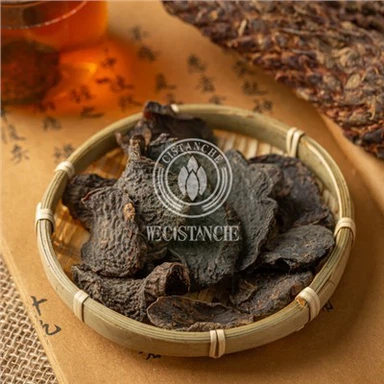
Cistanche is a genus of parasitic plants that belongs to the family Orobanchaceae. These plants are known for their medicinal properties and have been used in Traditional Chinese Medicine (TCM) for centuries. Cistanche species are predominantly found in arid and desert regions of China, Mongolia, and other parts of Central Asia. Cistanche plants are characterized by their fleshy, yellowish stems and are highly valued for their potential health benefits. In TCM, Cistanche is believed to have tonic properties and is commonly used to nourish the kidney, enhance vitality, and support sexual function. It is also used to address issues related to aging, fatigue, and overall well-being. While Cistanche has a long history of use in traditional medicine, scientific research on its efficacy and safety is ongoing and limited. However, it is known to contain various bioactive compounds such as phenylethanoid glycosides, iridoids, lignans, and polysaccharides, which may contribute to its medicinal effects.

Wecistanche's cistanche powder, cistanche tablets, cistanche capsules, and other products are developed using desert cistanche as raw materials, all of which have a good effect on relieving constipation. The specific mechanism is as follows: Cistanche is believed to have potential benefits for relieving constipation based on its traditional use and certain compounds it contains. While scientific research on Cistanche's effect on constipation is limited, it is thought to have multiple mechanisms that may contribute to its potential to relieve constipation. Laxative Effect: Cistanche has long been used in Traditional Chinese Medicine as a remedy for constipation. It is believed to have a mild laxative effect, which can help promote bowel movements and induce constipation. This effect may be attributed to various compounds found in Cistanche, such as phenylethanoid glycosides and polysaccharides. Moistening the Intestines: Based on traditional use, Cistanche is considered to have moisturizing properties, specifically targeting the Intestines. Promoting hydration and lubrication of the Intestines may help soften tools and facilitate easier passage, thereby relieving constipation. Anti-inflammatory Effect: Constipation can sometimes be associated with inflammation in the digestive tract. Cistanche contains certain compounds, including phenylethanoid glycosides and lignans, that are believed to have anti-inflammatory properties. Reducing inflammation in the intestines may help improve bowel movement regularity and relieve constipation.