Five Characteristics Of CKD-associated Pruritus
Jun 07, 2023
Chronic kidney disease-associated pruritus (CKD-aP) is a common skin symptom in patients with chronic kidney disease (CKD), especially in the late stage of CKD. Up to 70% of dialysis patients are troubled by CKD-aP. CKD-aP has the characteristics of complex pathogenesis, great harm, difficult assessment, difficult diagnosis, and difficult treatment. It faces many challenges in clinical diagnosis and treatment.

Click to cistanche herba for kidney disease
1 The pathogenesis is complex: not yet fully understood
The pathogenesis of CKD-aP is complex, and a variety of hypotheses have been put forward to explain its pathogenesis, including uremic toxin deposition, peripheral neuropathy, immune system disorders, and endogenous opioid receptor imbalance. However, the etiology and pathophysiological mechanism of CKD-aP have not been fully clarified.
In recent years, many advances have been made in the research on the imbalance of endogenous opioid receptors leading to CKD-aP. Studies have found that refractory CKD-aP is mostly central nervous pruritus, which is caused by excessive activation of opioid μ receptors. Opioids regulate the occurrence of pruritus through the interaction of opioid μ and κ receptors on the postsynaptic cell membrane in the dorsal horn of the spinal cord. The activation of μ receptors promotes the formation of pruritus, while the activation of κ receptors inhibits itching. Endogenous opioids in CKD patients are disordered, and the increase in serum β-endorphin/dynorphin ratio leads to excessive activation of opioid μ receptors in skin cells and immune cells, resulting in pruritus.
Therefore, the application of opioid μ receptor antagonists or κ receptor agonists can effectively inhibit central nervous pruritus. This mechanism provides a new target for the treatment of CKD-aP.
2 Great harm: Significantly reduce the quality of life of patients
CKD-aP negatively impacts the quality of life of patients. Patients are often unable to concentrate on work, study, and daily activities due to strong itching, which affects their work efficiency and social interaction, directly leading to a decline in the quality of life of patients.
The clinical manifestations of CKD-aP vary from person to person and usually affect a large area of skin in a discontinuous and symmetrical manner. The face, chest, and extremities are the most common sites of itching, and the symptoms are more severe at night. CKD-aP can be induced by other conditions, and most patients suffer from CKD-aP for months or even years. Over time, chronic pruritus can lead to frequent scratching, leading to secondary skin changes, such as exfoliation or nodular pruritus, resulting in skin damage and infection.

In addition, CKD-aP is also associated with poor sleep quality, depression, and an increased risk of death in patients. Patients suffer from chronic sleep deprivation, anxiety, and depression, which further worsen their physical and mental health. For hemodialysis patients, severe pruritus may also cause them to withdraw from dialysis treatment.
3 Difficult to assess: patients are highly subjective and difficult to quantify
Correctly quantifying the severity of CKD-aP is conducive to accurate diagnosis and treatment of patients. However, CKD-aP is a multifactorial subjective symptom with multi-dimensionality. Its diagnosis largely depends on patient-reported outcomes, and it is difficult to quantify and evaluate it objectively and accurately. Moreover, no universally applicable indicators have been found to evaluate the severity of CKD-aP, and there is no recognized CKD-aP measurement tool in China or even in the world.
Multidimensional measurement tools are often used in clinical practice, such as the 5-D pruritus scale and the 14-item uremic skin pruritus scale to evaluate CKD-aP. Compared with unidimensional measurement tools such as visual analog scale, digital rating scale, and language rating scale, multidimensional measurement tools can evaluate CKD-aP more comprehensively and accurately.
4 Difficulty in diagnosis: lack of clear and consistent diagnostic criteria
Currently, there are still differences in the definition and description of CKD-aP. Different studies and professional organizations use different terminology and standards to describe the condition, lacking consistency and uniformity.
There are no clear and consistent diagnostic criteria for CKD-aP at home and abroad, and the general diagnostic criteria are:
(1) Skin itching caused by other diseases should be ruled out in patients with uremia.
(2) Pruritus occurred for at least 3 days within 2 weeks, and itched several times a day, lasting several minutes each time, affecting the life of the patient.
(3) Skin itching in a specific form that lasts for more than 6 months.
In China, most people think that CKD-aP can be diagnosed if there is pruritus in the uremic phase. As a result, it is difficult to correctly define and diagnose CKD-aP.

To solve the problem of inconsistency in the diagnostic criteria of CKD-aP, it is necessary to conduct further research in the future and formulate expert consensus, guidelines, and standardized diagnostic criteria, which will help clinicians diagnose and manage CKD-aP patients more accurately and improve their Quality of life and prognosis.
5 Difficult to treat: There are many treatments, but the curative effect is not good
CKD-aP is usually a persistent and intractable symptom that is difficult to cure completely. At present, there are many clinical programs for the treatment of CKD-aP. However, most patients have limited or unsatisfactory responses to existing treatments, and there is still a lack of specific and effective treatments in clinical practice.
For refractory CKD-aP caused by an imbalance of endogenous opioid receptors, nalbuphine hydrochloride may be considered. Nafuraphine hydrochloride is a κ opioid receptor agonist, which inhibits the excessive activation of μ receptors by reducing the ratio of β endorphin/dynorphin in the patient's serum, plays an antipruritic effect, improves the quality of life of the patient, and reduces the patient's response to The need for other antipruritic drugs.
Studies have shown that nalbuphine hydrochloride can effectively relieve the itching sensation of CKD-aP and is safe and tolerated by most patients. At present, Nafuraphine hydrochloride has been approved for the treatment of CKD-aP in Japan and other countries, has completed clinical phase III registration, and will soon be approved for marketing in China.
6 Summary
At present, CKD-aP is still a thorny problem in nephrology. It is seriously underestimated by doctors and patients, and there is a lack of evaluation, diagnosis methods, and effective and safe treatment methods. In the future, we should fully understand and understand the hazards of CKD-aP, focus on its pathogenesis, find tools to accurately assess the degree of skin itching, and explore more effective therapies for CKD-aP from the mechanism, such as nalorphine hydrochloride. Help patients relieve itching and improve their quality of life.

the mechanism of Cistanche treatment Kidney disease
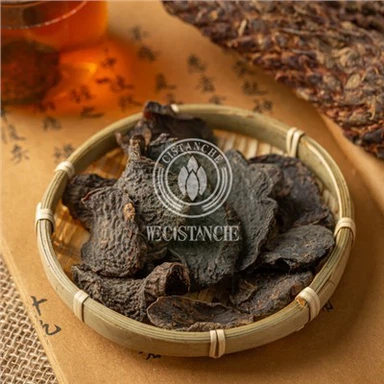
Cistanche is a traditional Chinese medicinal herb that is commonly used to treat kidney diseases such as renal failure, proteinuria, and chronic kidney disease. The mechanism of action of Cistanche in treating these conditions is believed to be due to its effects on the immune system, antioxidant capacity, and anti-inflammatory properties.
Cistanche contains a variety of active compounds, such as echinacoside, acteoside, and phenylethanoid glycosides, which are known to have antioxidant and anti-inflammatory effects. These compounds can help to reduce inflammation in the kidneys and protect them from oxidative damage. Additionally, Cistanche can boost the immune system by increasing the production of white blood cells, which can help combat infections that may worsen kidney health.
Furthermore, Cistanche has been shown to increase the production of nitric oxide, a substance that helps to regulate blood flow and blood pressure in the kidneys. This increased blood flow can improve kidney function and reduce the risk of kidney damage.
Overall, the combination of Cistan's antioxidant, anti-inflammatory, immune-boosting, and blood flow-enhancing properties make it a promising natural treatment for diseases.