How Should CKD Patients Choose Antihypertensive Treatment Options?
Jun 07, 2023
It is well known that antihypertensive therapy is the cornerstone of chronic kidney disease (CKD) treatment. Antihypertensive treatment is divided into conventional antihypertensive (SBP<140mmHg) and intensive antihypertensive (SBP<120mmHg) according to different systolic blood pressure (SBP) targets. Previous studies have shown that about 15% to 20% of patients receiving intensive blood pressure reduction experienced a rapid decline in estimated glomerular filtration rate (eGFR). In addition, a rapid decline in eGFR can occasionally occur in CKD patients who are routinely lowered for blood pressure. A rapid decline in eGFR can lead to irreversible renal damage in patients, leading to end-stage renal disease, requiring continuous renal replacement therapy. Therefore, it is necessary to explore the most suitable antihypertensive treatment plan for CKD patients and when to stop antihypertensive treatment.

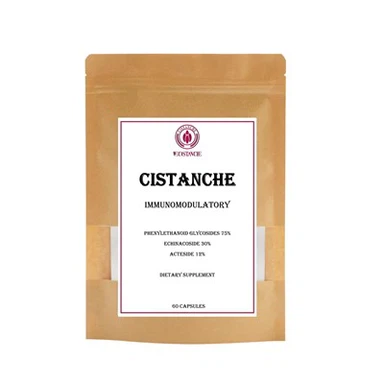
Click to cistanche tubulosa capsules for CKD
On June 1, 2023, AJKD released a study from the United States. This study has important guiding significance for clinical practice, and its important conclusions are as follows:
important conclusion
①For CKD patients, no matter whether intensive blood pressure reduction or conventional blood pressure reduction is adopted, eGFR may drop rapidly, but the risk of conventional blood pressure reduction is relatively low;
②If eGFR does not decline rapidly, that is, the decline rate is >15%, compared with the conventional blood pressure lowering group, the patients in the intensive blood pressure lowering group have a lower risk of requiring renal replacement therapy and death;
③In the first 4 months of antihypertensive treatment, the changes in eGFR and SBP should be closely observed. When the decline rate of eGFR is >15%, individualized treatment should be considered.
Methods
This is a retrospective observational study with data from 4 studies, namely MDRD, AASK, SPRINT, and ACCORD. The inclusion criteria of the study were CKD patients (eGFR<60ml/min/1.73㎡[CKD-EPI 2021 formula]) receiving antihypertensive therapy. Patients were divided into four categorical variables according to their rate of decline in eGFR. According to the results of previous studies, the rapid decline in eGFR in this study was defined as the decline rate of eGFR > 15% within 4 months. A total of 22 to 72 months of follow-up in this study.
The endpoint of the study was renal replacement therapy, that is, receiving dialysis or kidney transplantation, except for the ACCORD study. In the ACCORD study, the endpoint was a composite of serum creatinine >3.3 mg/dL, renal failure, or renal replacement therapy.

The research data were verified by a multivariate Cox model to clarify the relationship between antihypertensive treatment and rapid decline in eGFR and research endpoints.
Results
A total of 4473 CKD patients were enrolled. There were 3829 patients with eGFR decline rate ≤ 15%, including 1979 cases in the conventional antihypertensive group and 1850 cases in the intensive antihypertensive group; 644 patients with eGFR decline rate > 15%, including 244 cases in the conventional antihypertensive group and intensive antihypertensive group. Group of 400 cases. A total of 351 patients reached the study endpoint, and 304 patients died.
Overall, patients with a rapid decline in eGFR had higher baseline SBP in both the conventional and intensive antihypertensive groups (Table 1). A total of 14% of patients experienced a rapid decline in eGFR, including 11.0% in the conventional antihypertensive group and 17.8% in the intensive antihypertensive group. Multivariate Cox analysis showed that risk factors for patients with rapid decline in eGFR included: intensive blood pressure reduction (compared with routine, OR = 1.36; 95% CI, 1.02-1.81), history of diabetes (compared with patients without diabetes history, OR = 1.36; 95% CI, 1.02~1.81), higher baseline SBP (every 10mmHg increase in SBP, OR = 1.12; 95% CI, 1.07~1.17), higher UACR (every doubling of UACR, OR = 1.22; 95 % CI, 1.17~1.26), while other factors, such as age, gender, race, BMI, etc., were not statistically significant.
In the unadjusted model, in the intensive antihypertensive group, the study endpoint and the risk of death in patients with an eGFR decline rate of ≤15% were lower, even lower than those in the conventional antihypertensive group. However, when the eGFR decline rate was >15%, the risk of study endpoint events and death was significantly increased in both the intensive antihypertensive group and the conventional antihypertensive group.
In adjusted models, patients with an eGFR decline of ≤15% in the intensive blood pressure lowering group were associated with a lower risk of the study endpoint (0.75; 95% CI, 0.57 to 0.98) compared with those in the conventional blood pressure lowering group. In contrast, no matter in the conventional or intensive blood pressure lowering group, patients with an eGFR decline rate ≥ 15% had a higher risk of study end-point events and death (.
Remarks: The adjustment model adjusted for factors such as age, gender, race, history of diabetes, smoking, history of cardiovascular disease, baseline BMI, and eGFR.
Discussion
The mechanism by which intensive antihypertensive or antihypertensive therapy may lead to a rapid decline in eGFR is related to renal perfusion. Renal perfusion depends on the self-regulation of the renin-angiotensin system, and CKD patients, especially those with advanced CKD, have impaired renin-angiotensin system and related disorders. At this time, receiving intensive blood pressure reduction may lead to hypoperfusion and interstitial fibrosis, thereby accelerating the progression of CKD. Another expert pointed out that patients receiving intensive antihypertensive treatment have a greater burden of underlying diseases and their health status is worse than that of patients with conventional antihypertensive treatment, so their risk of renal function deterioration is higher.

The study also found that in the first 4 months of antihypertensive treatment, changes in eGFR and SBP, and diabetes were important factors in predicting the rapid decline in eGFR. In the first 4 months of antihypertensive treatment, SBP changes greatly, and patients with more eGFR decline have a higher risk of rapid eGFR decline. On the other hand, most diabetic patients have atherosclerotic disease, so they are less tolerant to antihypertensive therapy.
Overall, this study reveals that CKD patients with higher SBP, lower eGFR, higher UACR, and diabetes may be more prone to rapid eGFR decline when receiving antihypertensive therapy. In clinical practice, the changes in eGFR and SBP should be closely observed in the first 4 months of antihypertensive treatment, and individualized treatment should be considered when the decline rate of eGFR is >15%. At the same time, perhaps for patients with diabetes and atherosclerotic disease, antihypertensive treatment needs to be more cautious.
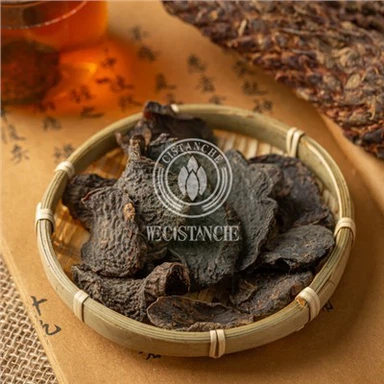
how does Cistanche treat kidney disease?
Cistanche is an herb that has been used in traditional Chinese medicine to treat kidney disease. It is believed to nourish the kidneys and improve their function by reducing inflammation and increasing blood flow.
One study found that Cistanche extract reduced kidney damage in rats with chronic kidney disease by decreasing oxidative stress and inflammation in the kidneys. Another study in humans found that Cistanche helped improve kidney function and reduced proteinuria (excessive protein in the urine) in patients with chronic kidney disease.
Cistanche may also help to protect the kidneys from damage caused by medications and other toxins.

1. Ku E, McCulloch CE, Copeland TP, et al. Acute Declines in Estimated GFR in Blood Pressure Target Trials and Risk of Adverse Outcomes. Am J Kidney Dis. 2023 Jun 1:S0272-6386(23)00653-4.