Foamy Urine, Edema? Beware Of Nephrotic Syndrome
Mar 25, 2022
ali.ma@wecistanche.com
Many patients go to the hospital for examination because of foamy urine and edema. After going to the hospital for examination, the doctor tells them that they have nephrotic syndrome, and they are also asked to take hormones, do kidney punctures, etc. a bunch of doctor's orders. Isn't it confusing? So, what kind of disease is nephrotic syndrome? Today, the editor will take you to understand what nephrotic syndrome is and what its symptoms are so that you can relieve your doubts.
What is Nephrotic Syndrome?
Nephrotic syndrome refers to a group of syndromes caused by a variety of etiologies, which are mainly glomerular lesions such as increased glomerular basement membrane permeability and decreased glomerular filtration rate, rather than an independent disease. Symptoms include massive proteinuria, hypoalbuminemia, hyperlipidemia, and edema. Generally, the urine protein of the patient should be monitored within 24 hours. If it exceeds 3.5g per day and the albumin in the blood drops below 30g/L, it can generally be determined that the patient has nephrotic syndrome.

Treatment of Nephrotic Syndrome: cistanche extract
Click to Cistanche extract benefits for kidney disease
What are the symptoms of nephrotic syndrome?
1. Massive proteinuria
Heavy proteinuria is a hallmark of nephrotic syndrome, and these patients often present with increased foamy urine. It is often caused by damage to the glomerular filtration barrier to proteins in the blood. Normal urine protein excretion does not exceed 150mg per day. The daily loss of protein from the urine of patients with nephrotic syndrome is far more than that of normal people, as much as 3.0 to 3.5g, and children are 50mg/kg.
2. Hypoproteinemia
Since a large amount of albumin in the blood leaks out through the kidneys and is excreted through the urine, the albumin in the plasma will decrease accordingly, which will cause hypoalbuminemia. The appearance of hypoalbuminemia can easily lead to body edema, and at the same time, it will also reduce the body's immunity, and there will be repeated infections, such as repeated upper respiratory tract infections.
3. Hyperlipidemia
A large amount of albumin in the body is lost from urination, resulting in a decrease in albumin in the plasma. Therefore, it will be compensated by lipoproteins, which will improve the compensatory properties of lipoproteins, which will easily cause hyperlipidemia, that is, blood will Become viscous, serious can lead to the formation of blood clots, and even cause a certain threat to life.
4. Edema
Hypoproteinemia is the main cause of severe edema in the body. Clinically, edema often develops gradually, and initially, it is more common in the ankle, showing depression. In the morning, edema can be seen on the eyelids and face. With the development of the disease, the edema can develop to the whole body, and there will be a large amount of effusion in the thoracic cavity, abdominal cavity, and even pericardial cavity, and high edema of the scrotum or perineum.
5. Common complications
① Infection: common in the respiratory tract, skin and urinary tract infections, of which the upper respiratory tract infection is the most common; ② Electrolyte disturbance and hypovolemia; ③ Thrombosis and embolism: renal vein thrombosis is more common, specific It is manifested as sudden back pain, hematuria or hematuria is more severe than before, oliguria, and even kidney failure.

Treatment of kidney disease: cistanche herb
Principles of treatment of the nephrotic syndrome
Nephrotic syndrome is a common disease in nephrology and is often treated with glucocorticoid-based comprehensive treatment. The principle is to control edema, maintain water and electrolyte balance, and prevent and control infection and complications. Rational use of glucocorticoids should be combined with cytotoxic drugs and immunosuppressive drugs for patients with recurrent nephropathy or hormone resistance. The purpose of treatment is not only to eliminate urinary protein but also to protect renal function.
Daily prevention and management of the nephrotic syndrome
Preventive measures: The etiology of nephrotic syndrome is still unclear, so there is no clear prevention method. Mainly from the avoidance of relevant risk factors.
Do not take medicines blindly or casually, especially those with renal toxicity;
Actively prevent infection and various diseases, especially when suffering from diabetes, hepatitis B, and other diseases that can lead to nephrotic syndrome, regular treatment and regular check of renal function are required.

Daily management:
Pay attention to rest: Adequate sleep and good rest should be ensured when nephrotic syndrome occurs. The pillow should be slightly higher for those with edema of the eyes and face, bed rest when the edema is obvious with massive proteinuria, and semi-recumbent rest for those with severe edema and dyspnea;
Diet: To develop healthy eating habits, it is advisable to eat light and easily digestible food, a low-salt (<3g/d) diet, no pickled food, and less monosodium glutamate and alkali. Should be given a higher intake of high-quality protein, 0.8 ~ 1.0g/kg per day. The daily energy supply is 30-35kcal/kg (1kcal=4.184kJ) body weight;
Moderate exercise: After the edema has basically subsided, you can get up and move moderately to prevent the formation of blood vessel thrombosis in the limbs. After the disease is basically relieved, activities can be gradually increased, mainly aerobic exercise, such as walking, exercising, jogging, cycling, playing Tai Chi, etc., to enhance the body's resistance.

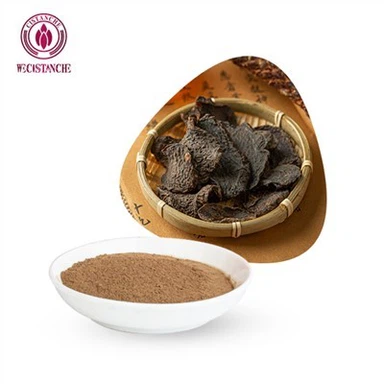
Kidney nourishing herb: Cistanche
Note: The traditional Chinese medicinal herb cistanche (also known as the "dragon herb" and "desert ginseng"), grows only in the arid and warm deserts. As one of the nine immortal herbs, Cistanche (cistanche tubulosa/cistanche deserticola/desert living cistanche/cistanche salsa)contents with rich effective ingredients such as echinacoside, acteoside, total phenylethanoid glycosides, flavonoids, polysaccharides, etc. these effective ingredients made cistanche a precious nourishing herb and food material for people's immunity, internal organs, and brain cells and neurons, etc. The modern pharmacological studies have confirmed the following effects of cistanche(benefits of cistanche): improve immunity; improve sexual function and kidney function; anti-fatigue; anti-aging; improve memory; anti-Parkinson's disease; anti-Alzheimer's disease; antioxidation; ease-constipation; anti-inflammatory; promote bone growth, whitening skin; protect liver; etc.