Good Liver, Everything Is Fine! Don't Force Yourself To Handle The Seven Physical Conditions
Apr 20, 2023
The liver is the largest metabolic organ in the human body, playing a role in detoxifying, protein metabolism, and decomposition. It can be said to be the busiest organ in the human body; The liver is also an organ that is prone to getting sick, and daily maintenance is crucial.

Effects Of Cistanche-Maintaining the liver
Click here to view Cistanche Extract Protect Liver products
【Ask for more】 Email:cindy.xue@wecistanche.com / Whats App: 0086 18599088692 / Wechat: 18599088692
Liver cancer is a "mute cancer" that can only be felt after 70% of the damage
Generally speaking, the total course of liver cancer is less than three years, but most of the first two years have no obvious symptoms. Because the liver is the only organ without pain nerves, it only feels when it is damaged up to 70%. In other words, the liver is a "mute" that does not cry or cry when sick or in pain. Liver cancer has become one of the most difficult cancers to detect in the early stages, and many patients are already diagnosed with liver cancer in its mid to late stages.
We know that there is a trilogy in the occurrence of liver cancer, namely hepatitis cirrhosis liver cancer. Although hepatitis and cirrhosis may develop into liver cancer. However, based on existing cases, it takes an average of 20-25 years to develop from hepatitis to liver cancer. So patients can take precautions and stay away from cancer while controlling their condition.
Don't resist 7 physical conditions
When these seven conditions occur in the body, patients with liver disease, especially those with hepatitis B or cirrhosis, must not be forced to shoulder, but should immediately be carefully checked by the hospital to see if there is canceration, early detection, and early treatment.
· Feeling tired without reason;
· Inexplicably appearing thin;
· Digestive symptoms: Warmth, indigestion, nausea, diarrhea, decreased appetite, abdominal distension, and other common digestive symptoms of liver cancer;
· Fever: Moderate to low degree fever, especially in summer, at 37.5-38.5 degrees Celsius, usually lasting for 3-5 days;
· Bleeding tendency: In early liver cancer patients, bleeding tendencies such as gum bleeding and subcutaneous plaques often occur;
· Chest tightness and cough;
· Pain in the liver area.

Benefits of cistanche tubulosa-Maintaining the liver
The liver has 5 main functions to protect TA
(1) Synthesis function. Five grains and miscellaneous grains enter the digestive tract, undergo digestion, and are hydrolyzed into glucose before being transported to the liver, which is then absorbed and utilized by the human body. After glucose is transported to the liver, a portion of it is stored as glycogen in the liver for future use. Amino acids absorbed by the digestive tract also undergo protein synthesis, deamination, and transamination in the liver. The liver is also the main synthesis site for various coagulation factors, with 12 coagulation factors in the human body, of which 4 are synthesized in the liver.
(2) Decomposition function. The liver is the main detoxifying organ of the human body, which can protect the body from damage. Some metabolic waste or spoilage products of intestinal bacteria, as well as drugs, are taken, in the body are processed by the liver, and toxic substances become non-toxic, less toxic, or easily soluble substances and are discharged from the body. This process is called detoxification.
(3) Filtering function. Hormones are synthesized in endocrine organs to regulate various human functions in trace amounts. Most hormones undergo chemical changes and are excreted in the liver. For example, thyroid hormones, estrogen, aldosterone, and antidiuretic hormone are metabolized in the liver. So when liver disease is severe, there will be an imbalance in hormone levels, which affects the normal function of the body.
(4) Storage function. The liver can store fat-soluble vitamins, and 95% of vitamin A in the human body is stored in the liver. The liver is also the storage and metabolism site for vitamins C, D, E, K, B1, B6, etc. Iron is an important component of hemoglobin, and the liver stores more iron than all the blood in the body.
(5) Produce bile. Bile is a digestive fluid that helps to absorb lipids and fat-soluble vitamins. The liver produces bile, which is then transported to the gallbladder and stored, concentrated in the gallbladder, and discharged into the duodenum.

Superman herbs cistanche
9 Most Liver Injured Killers Prohibited
(1) Lack of sleep. Nowadays, many people have the habit of working or playing at night, but staying up late is the easiest way to suffer from liver disease. The reason is that during sleep, the human body enters a self-repair mode. Frequent staying up late not only leads to insufficient sleep, and decreased body resistance but also affects the liver's self-repair at night. Staying up late for people already infected with the hepatitis virus can worsen the condition. Professor Neil Colin, an expert at the American Sleep Association, said that "late sleepers" should try to adjust their sleep schedules, preferably falling asleep before 11 pm every night, to ensure that they sleep for 7-8 hours every night, to effectively detoxify the liver and ensure overall health.
(2) Failure to urinate promptly after waking up in the morning. Dr. Daniel Palladi, an expert from the European Association for Liver Research, stated that detoxification in the body can be achieved through urination, sweating, and defecation. After waking up in the morning, urinating as soon as possible can timely expel toxins that have accumulated all night long, avoiding toxin retention in the body and causing liver "poisoning".
(3) Overindulgence in drinking and eating. Many people know that eating too much can increase the burden on the gastrointestinal tract and trigger the fatty liver disease. Dr. Palladi pointed out that binge drinking and overeating not only damage gastrointestinal health, but also can cause a significant increase in free radicals in the body. The key role of the liver is to help the body deal with free radicals, eliminate toxins, and purify the blood. The more free radicals in the human body, the more severe the damage to liver function.
(4) Skip breakfast. Nutrition experts said that eating breakfast helps neutralize stomach acid and protect the liver, reducing the risk of pancreatitis, diabetes, gallstones, constipation, and other diseases. Dr. Hermit Surrey, a holistic nutritionist in Ontario, Canada, stated that a healthy breakfast can prolong satiety and prevent liver damage.
(5) Take too much medicine. A study published in the British Journal of Clinical Pharmacology suggests that long-term use of painkillers and other medications can increase the burden of detoxification on the liver, leading to liver damage. Dr. Kenneth Simpson, the head of the new study and an expert at the Royal Hospital of Edinburgh, UK, stated that there are multiple drugs and their metabolites that can easily cause liver damage, leading to drug-induced hepatitis (referred to as drug-induced hepatitis). These drugs include antibiotics, antipyretics and analgesics, antipsychotics, antidepressants, antiepileptics, sedatives, hyperthyroidism, anti-tumor drugs, hypoglycemic drugs, and cardiovascular drugs. Therefore, medication must be taken strictly according to medical advice and under the guidance of a doctor.
(6) Excessive intake of processed food. Dr. Hidakhiran Zara Hussain, a registered nutritional therapist in India, stated that many processed foods contain various food additives such as preservatives, pigments, and artificial sweeteners. These added ingredients contain various chemicals that are difficult to decompose in the human body, which can increase the burden of detoxification on the liver and induce liver damage upon entering the body.
(7) Prefer fried food. A study reported by CBS found that eating fried food for one month can cause significant changes in the liver, triggering changes in enzymes similar to hepatitis. Dr. Drew Oden, a renowned American medical expert, pointed out that the accumulation of fats and saturated fatty acids can lead to fatty liver. Unhealthy consumption of oil can increase the risk of heart and liver disease. Relatively speaking, olive oil and sesame oil are healthier.
(8) Eat half-cooked or burnt food. Dr. Hussein stated that undercooked food or overcooked burnt food (especially meat) can also lead to liver damage. Research has found that drunken shrimp, oysters, and half-cooked shellfish often carry bacteria and parasites. Once acute gastroenteritis and dysentery occur, it can easily lead to the deterioration of liver disease and even induce liver coma.
(9) Excessive drinking. Dr. Nimo Ashi, a liver disease expert at the Zefu Medical Research Center in Israel, said that excessive alcohol consumption can reduce the liver's ability to purify the blood, leading to an increase in toxins in the body, inducing liver damage and various diseases. In addition, excessive drinking can easily lead to liver poisoning and induce hepatitis. Long-term excessive drinking can easily lead to liver cirrhosis. Dr. Ashi stated that drinking more than two glasses (25 milliliters) of high-concentration alcohol every day can harm the liver.
Poor liver, impaired blood sugar

Cistanche tea
That hepatogenic diabetes is secondary diabetes, which is generally secondary to liver diseases such as chronic hepatitis and cirrhosis. The liver is another very important sugar-regulatory organ besides the pancreas. After people eat, excessive sugar can be synthesized and stored in tissues such as the liver to prevent high blood sugar concentrations; When the body's blood sugar is low, liver sugar is broken down into glucose to supplement blood sugar. In addition, the liver is the target organ of some hormones (such as insulin, glucagon, somatostatin, etc.) involved in blood glucose regulation. Therefore, if the liver function is damaged, the glucose regulation function will also decline, specifically manifested as impaired glucose tolerance (between normal and diabetes) or diabetes. Related research shows that about 50%~80% of chronic liver disease patients have impaired glucose tolerance, and 20%~30% eventually develop into diabetes.
In clinical practice, patients with hepatogenic diabetes often do not have obvious symptoms of "more than three and less" (eating too much, drinking too much, urinating too much, and being thin), but mainly show typical liver diseases characteristics such as abdominal distension, fatigue, and anorexia. Although some patients have symptoms of thirst and polyuria, it is often attributed to the use of diuretics, which is more common in patients with cirrhosis and ascites. In terms of indicators, patients with hepatogenic diabetes are characterized by normal or low fasting blood glucose, while postprandial blood glucose is significantly higher. The general display is fasting blood glucose<7 mmol/L and/or postprandial blood glucose ≥ 11.1 mmol/L; Or oral glucose tolerance test (OGTT): 2-hour blood glucose ≥ 11.1 mmol/L.
That if liver damage causes a decrease in glucose tolerance, patients do not need to be overly nervous. As liver function recovers, blood sugar will gradually return to normal. Patients should focus on the treatment of liver disease, without additional diabetes drug treatment, diet, and exercise intervention. If the liver injury causes a significant increase in blood sugar or there is diabetes associated with liver injury, the patient should take a dual approach to liver disease and diabetes. The generally recommended hypoglycemic measure is to inject insulin and try not to use oral hypoglycemic drugs. Because most oral hypoglycemic drugs require liver metabolism, which can increase the liver burden and even worsen liver disease. It should be noted that patients with hepatogenic diabetes are prone to hypoglycemia, so the dosage of insulin should be particularly cautious and self-blood glucose monitoring should be strengthened.
The liver is busy, nourishing and protecting the liver are four important things to do well
The liver is the "chemical factory" of the human body
The main physiological functions of the liver are approximately 1500, and it is the "chemical factory" of the human body, which synthesizes proteins, enzymes, and various substances required by the body. The liver is also the largest digestive organ in the human body, which helps with digestive function by secreting bile from liver cells. The liver also has a reserve function, storing essential energy and substances such as vitamins, fats, and sugars for the human body.
High probability of liver 'error'
The more work you do, the higher the probability of "making mistakes". The liver has multiple functions and heavy tasks, making it an organ that is prone to "getting sick". Everyone is most familiar with hepatitis. In addition to viral hepatitis such as hepatitis A, hepatitis B, hepatitis C, and hepatitis E, there are also alcoholic hepatitis, steatohepatitis, drug-induced hepatitis, and autoimmune liver disease.
Traditional Chinese medicine believes that "nourishing the liver is nourishing the life"
If the liver metabolism is abnormal, the nutrients needed by the human body cannot be supplied promptly, and all organs of the body cannot function properly: the eyes that should have been bright will become dry and sluggish due to insufficient liver blood, and the nails that should have been smooth and tough will also become dry and deformed. If the liver cannot detoxify normally, the toxin will remain in the body, and even the most beautiful woman will become a "yellow-faced woman", and even the strongest man will be depressed. To maintain good health, the first step is to protect the liver, which is what traditional Chinese medicine says "Nourishing the liver is nourishing the life".
Daily maintenance of the liver is important
Firstly, have a moderate diet. To maintain the liver, one can eat foods rich in vitamins and protein, such as fresh fruits and vegetables. The premise is to control the amount of food consumed. If the intake of calories is too high to consume, it can also lead to liver disease.
Secondly, start the engine in the morning. The ancients said 'dance upon hearing the chicken', which shows that exercising in the morning is very beneficial to the body. In the morning, the liver qi is most active. At this time, you can walk and move to activate the qi and adjust the liver function to its optimal state. If one sleeps late, the liver function will also be affected and people will not have strength.
Thirdly, scheduled activities. When feeling tired, stretching and moving muscles and bones can activate qi and blood. Occasionally cycling to work and seemingly simple activities are all good ways to nourish the liver.
Fourthly, massage the acupoints. You can tap the gallbladder meridian every day, which is located on the outer side of the body. Use both hands to clench your fists and gently tap the outer sides of your left and right thighs 50 times. Knocking on the gallbladder can accelerate bile secretion, enhance the body's absorption capacity, and also have the effects of regulating emotions and relieving tension.
6 secrets to enhance liver function
(1) Drink more lemonade
Water helps to accelerate metabolism, eliminate impurities and toxins from the body, and reduce the burden on the liver. After waking up every day, drink a cup of warm boiled water first, which can awaken the body's functions. Dr. Peter Kramer, an American liver disease expert, suggests adding lemons to water. The acidity of lemons can promote bile production in the liver, which is beneficial for detoxification in the body. Drink 8-10 cups daily, 300 milliliters each time.
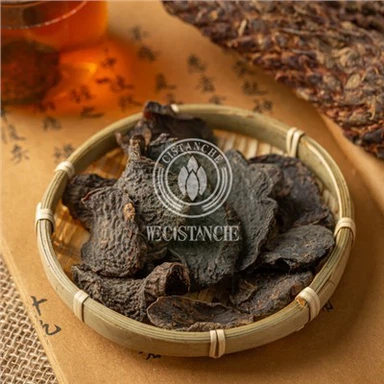
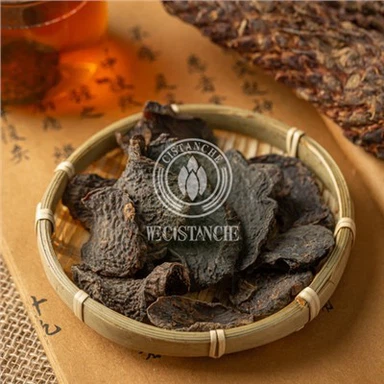
(2) Frequent consumption of Cistanche deserticola

Chinese herb cistanche
The total glycosides of Cistanche deserticola can inhibit liver cancer cells in the early stages of liver cancer.
To sum up, the total glycosides of cistanche inhibit the proliferation and growth of HepG2 cells by affecting cell cycle progress, destroying cell structure, promoting cell apoptosis, and limiting cell migration.
(3) Regular massage
When the body is lying flat, gently massage the gallbladder and liver area, approximately below the ribs on the right side of the body. Stephen Stewart, a liver disease expert at Met Hospital in the UK, believes that massage can help promote blood circulation in the liver and improve overall metabolic function.
(4) Stay away from alcohol and medicine
Alcohol is extremely detrimental to liver function. People with liver damage must quit drinking. In addition, many people are not in good health and are accustomed to buying over-the-counter painkillers at pharmacies to eat. However, these drugs may contain acetaminophen, which may produce some toxic metabolites after liver metabolism, causing liver damage.
(5) Supplement minerals
Ensure that you receive sufficient minerals in your daily diet, such as magnesium, calcium, potassium, zinc, selenium, and manganese. For patients with liver cirrhosis, doctors may also recommend supplementing them with more vitamins and minerals than usual to activate the liver function.
(6) Homemade liver protection tea

Cistanche tea
Cistanche deserticola, chrysanthemums, and dandelions are all believed to help clean and protect the liver. You can try taking 45 milligrams of Cistanche deserticola slices and 400 milligrams of dandelion extract every day. You can also soak the sliced cistanche in boiling water as a substitute for tea, but make sure it is not contaminated by chemical pesticides.