Herbs For Ovarian Health: Cistanche And POI Research
Nov 17, 2026
Can Herbs Support Ovarian Health? Cistanche and the Science of Premature Ovarian Insufficiency
Explore Cistanche and other herbs studied for ovarian health, what POI research shows, its limitations, and how to assess supplement quality and safety.
herbs for ovarian health
Cistanche and ovarian health
premature ovarian insufficiency
can herbs reverse ovarian insufficiency
natural supplements for ovarian health
low AMH and ovarian insufficiency
Cistanche extract research
herbal supplement quality for women
oxidative stress and ovarian function
Can Herbs Support Ovarian Health? Cistanche and the Science of Premature Ovarian Insufficiency
Irregular periods, a low AMH result, or difficulty getting pregnant can raise an unsettling question: Are my ovaries losing function earlier than they should?
For some women, the diagnosis is premature ovarian insufficiency, or POI. Others may have diminished ovarian reserve or a different cause of menstrual changes. These conditions are related to ovarian health, but they are not interchangeable.
Interest in natural approaches has led researchers to investigate herbs and plant-derived compounds, including Cistanche, curcumin, resveratrol, and traditional Chinese herbal formulas.
The short answer: some of these ingredients have shown potentially protective effects in laboratory and animal studies. However, they have not been established as treatments that reliably restore ovarian function or fertility in women with POI.
This article explains what the research suggests, where Cistanche fits, and what consumers and supplement developers should look for before drawing conclusions.
Medical information notice: This article is educational. It does not recommend a supplement regimen or replace diagnosis and treatment. Do not discontinue prescribed hormone therapy or fertility care to use herbal products.
What Is Premature Ovarian Insufficiency?
Premature ovarian insufficiency occurs when ovarian activity is impaired before age 40. It can involve irregular or absent periods, elevated follicle-stimulating hormone, known as FSH, and estrogen deficiency.
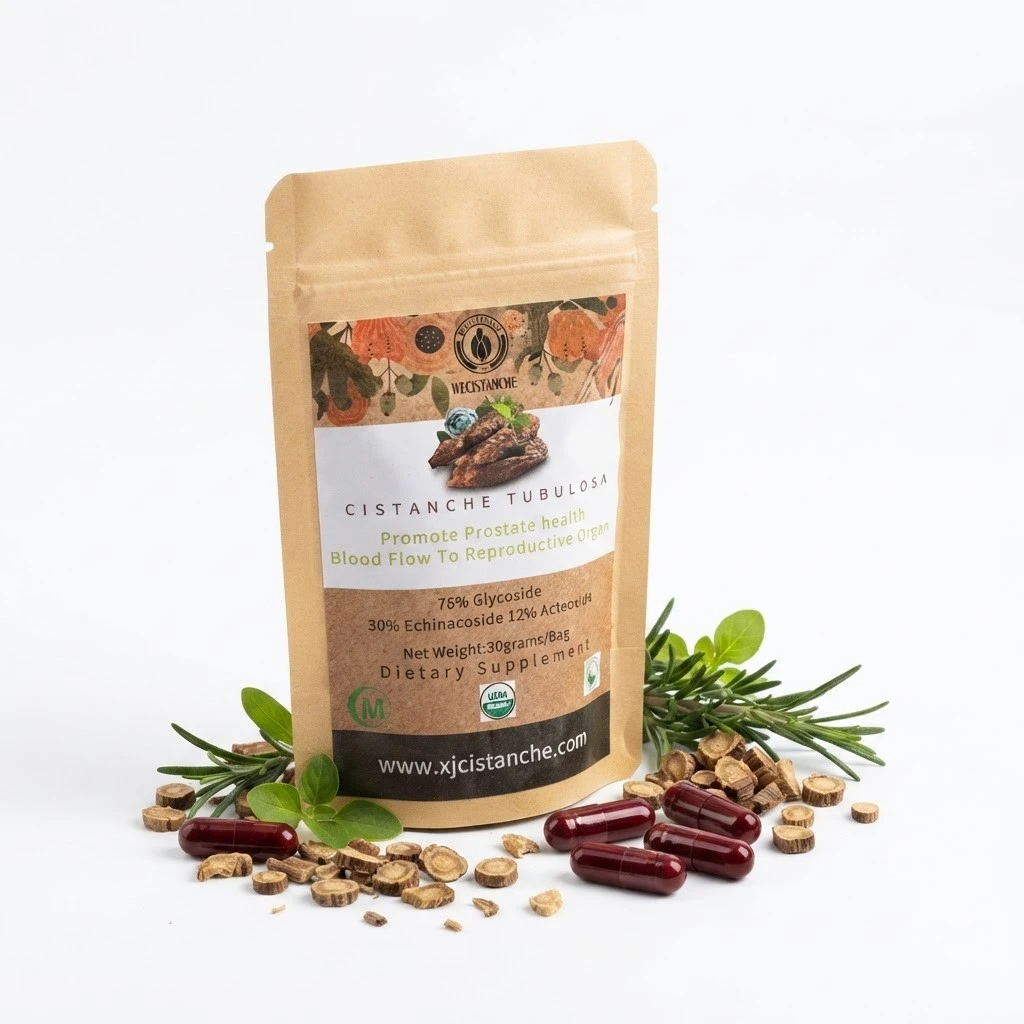
Cistanche Extract Supplements for estrogen deficiency
Possible symptoms include:
Irregular or missed periods.
Hot flashes or night sweats.
Vaginal dryness.
Difficulty becoming pregnant.
Sleep or mood changes associated with estrogen deficiency.
These symptoms can also occur for other reasons. Pregnancy, thyroid problems, medication effects, and other causes of menstrual disturbance need to be considered by a healthcare professional.
The current international guideline recommends diagnosing POI based on disordered menstrual cycles lasting at least four months and an FSH concentration above 25 IU/L25\ \mathrm{IU/L}25 IU/L. Repeat testing may be needed when the diagnosis is uncertain.
A low AMH result alone does not diagnose POI. The international POI guideline also does not apply directly to every woman with low ovarian reserve.
Source: International evidence-based guideline on premature ovarian insufficiency.

Can Herbs Reverse Ovarian Insufficiency?
No herbal ingredient discussed in this review has been established as a reliable way to reverse POI in humans.
Researchers have observed changes in ovarian tissue, hormone levels, follicle counts, and reproductive outcomes in certain experimental models. These findings are useful for identifying possible mechanisms, but they do not establish that a commercially available supplement will produce the same results in women.
The distinction matters because:
Chemically induced ovarian injury in an animal is not equivalent to every form of human POI.
A purified compound is not the same as a whole-herb powder or extract.
An experimental dose is not automatically an appropriate human dose.
Improved hormone measurements do not necessarily mean restored fertility.
Increasing follicle activation is not always beneficial if it accelerates depletion of the remaining follicle pool.
The international guideline states that complementary therapies should not replace hormone therapy, because evidence is insufficient for preventing the long-term consequences of POI.
Source: ASRM/ESHRE evidence-based POI guideline.
Why Are Researchers Studying Herbs for Ovarian Health?
The research focuses less on "rejuvenating the ovaries" and more on protecting the cells and biological systems involved in ovarian function.
Five recurring areas are:

1. Oxidative Stress
Excess reactive oxygen species can damage cellular structures. Some botanical compounds are being investigated for their effects on antioxidant defense pathways, including Nrf2/HO-1.
2. Mitochondrial Function
Mitochondria help cells generate energy. Their function is important in both ovarian granulosa cells and oocytes.
3. Inflammation and Immune Regulation
Immune abnormalities contribute to some forms of POI. Certain studies examine inflammatory signals and the balance between different immune cell populations.
4. Cell Survival and Autophagy
Granulosa cells support developing oocytes. Researchers study whether interventions can reduce excessive cell death or normalize autophagy, the cellular process that recycles damaged components.
Importantly, more autophagy is not always better, and less autophagy is not always better. The relevant question is whether the process is functioning appropriately in a particular cell and disease model.
5. Ovarian Blood Supply and Metabolism
Some herbal formulas are being investigated for effects on angiogenesis, lipid metabolism, and energy production in ovarian tissue.
These are research mechanisms-not clinical promises.
Cistanche and Ovarian Health: What Does the Review Report?
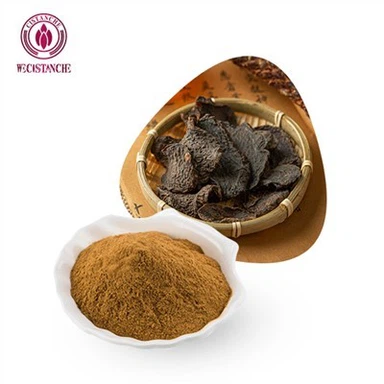
Cistanche, known in traditional Chinese medicine as Rou Cong Rong, is included in the supplied review as a single-herb intervention.
The cited rat study reported:
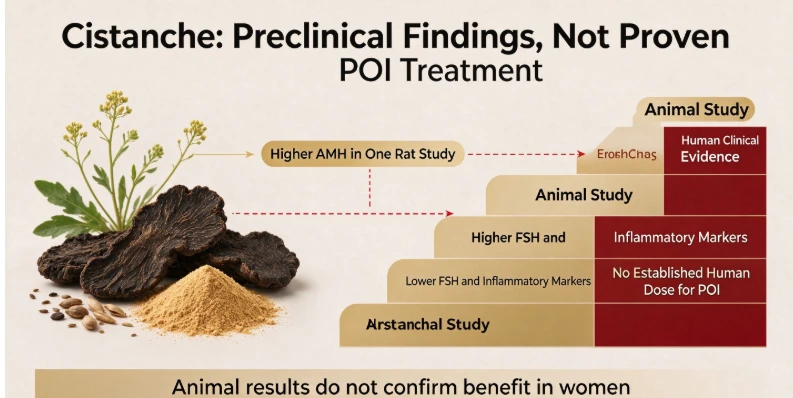
Lower FSH levels.
Higher estrogen and anti-Müllerian hormone levels.
Reduced expression of inflammatory factors, including TNF-α and interferon-γ.
Increased expression of the anti-apoptotic protein Bcl-2.
Reduced expression of the pro-apoptotic protein Bax.
Together, these findings suggest possible effects on endocrine measurements, inflammation, and ovarian cell survival in that experimental setting.
What These Findings Do Not Establish
The study does not establish that Cistanche supplements:
Restore ovarian function in women with POI.
Increase the human egg supply.
Improve pregnancy or live-birth rates.
Replace hormone therapy.
Have an established effective dose for POI.
The supplied review also does not provide enough detail to determine which commercial Cistanche extract would match the studied intervention.
For consumers, that means "contains Cistanche" is not enough information to predict an ovarian-health benefit.
For product developers, it means the original study's material specifications must be examined before using it to guide ingredient selection.
Other Ingredients Discussed in the Research
| Ingredient | Main research directions described in the review | Important qualification |
|---|---|---|
| Curcumin | Antioxidant defense, cell survival, senescence-related markers | Findings mainly concern experimental models |
| Resveratrol–β-cyclodextrin complex | Macrophage signaling and granulosa-cell autophagy | A specific delivery complex is not interchangeable with ordinary resveratrol |
| Icariin | DNA damage repair, antioxidant pathways, immune regulation | Does not establish a clinical POI treatment |
| Quercetin | Primordial follicle activation, mitochondrial stress, energy regulation | Effects depend on cell type and model |
| Ginsenosides | Inflammation, oxidative stress, autophagy | Different ginsenosides and extracts should not be treated as identical |
| Proanthocyanidins | Antioxidant signaling and cellular aging | Human ovarian-function benefits remain unestablished |
| Cuscuta seed preparations | Oxidative stress and apoptosis | Some evidence comes from a granulosa tumor-derived cell line |
| Cistanche | Hormone measurements, inflammation, apoptosis-related proteins | The cited evidence is preclinical |
A longer ingredient list does not automatically produce a better product. Combining botanicals introduces additional questions about dose, interactions, stability, and safety.

How to Assess an Herbal Supplement for Ovarian Health
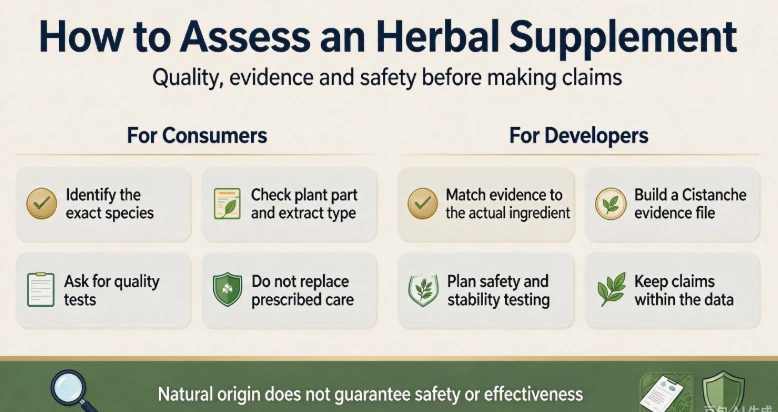
Before purchasing a product, ask:
Is the exact botanical species identified?
Common names can cover different species.
Does the label identify the plant part and extract type?
Powder, water extract, and other extracts can have different compositions.
Are quality tests available?
Relevant testing may include identity, marker compounds, heavy metals, pesticides, microorganisms, and residual solvents where applicable.
Does the evidence match the actual ingredient?
A study on a different extract or isolated compound may not support the marketed product.
Are the claims realistic?
Be cautious of "ovarian rejuvenation," "egg regeneration," "reverse POI," or guaranteed pregnancy claims.
Has safety been considered for your circumstances?
Discuss use with your clinician, especially during fertility treatment, pregnancy planning, or use of prescription medicines.
Natural origin does not guarantee safety or clinical effectiveness.
Frequently Asked Questions
Can Cistanche increase AMH?
The supplied review cites an animal study reporting higher AMH after a Cistanche intervention. This does not establish that Cistanche increases AMH in women or improves fertility.
Are low AMH and POI the same condition?
No. AMH is related to ovarian reserve, but a low result alone does not diagnose POI. POI assessment includes age, menstrual history, FSH testing, and clinical evaluation.
Can I use herbs instead of hormone therapy?
Herbs should not replace prescribed hormone therapy for POI. Current guidelines state that complementary therapies lack sufficient evidence for preventing the condition's long-term consequences.
Does an antioxidant effect mean a supplement improves ovarian function?
No. Antioxidant activity may support a research hypothesis, but clinical ovarian-function benefits require appropriate human studies.
Is there a recommended Cistanche dose for POI?
The supplied review does not establish an evidence-based human dose. Animal doses should not be converted into consumer recommendations without appropriate pharmacological and safety evaluation.
When should I seek medical advice?
Seek evaluation if you are under 40 and have persistent irregular or absent periods, especially with hot flashes, vaginal dryness, or fertility concerns. Do not wait for a supplement to resolve the problem.
Full Research Review Translation
Research Advances in the Mechanisms of Chinese Herbal Medicines for Improving Premature Ovarian Insufficiency
Editorial note on this translation
The following is a complete English translation of the supplied review, including its abstract, main text, and 56 reference entries. It reports the original authors' interpretations; it is not an endorsement of every statement.
Several issues require attention:
The source describes POI and premature ovarian failure as sequential stages separated by FSH thresholds. Current international guidance does not use that simplified staging scheme. "Premature ovarian failure" is an older term, and ovarian activity in POI can be intermittent.
Statements in the source about significant clinical efficacy, minimal adverse effects, or restoration of normal ovarian function should not be interpreted as established outcomes for commercial supplements.
Static autophagy markers do not, by themselves, establish autophagic flux. Some pathway descriptions also require checking against the original studies.
The contribution of adult ovarian or oogonial stem cells to clinically meaningful human oocyte regeneration remains controversial.
References [50] and [52] are duplicates. Citations near the end of the source are misaligned. In this translation, the gut-microbiota statement cites [53], the Kuntai autophagy study cites [54], the Kuntai SIRT5 study cites [55], and the Bu-Shen-Ning-Xin study cites [56]. All original reference entries are retained.
The supplied bibliography has not been independently verified entry by entry. Editorial clarifications are separate from the translated review.
Abstract
Premature ovarian insufficiency (POI) is a reproductive endocrine disorder that seriously affects women's reproductive health. However, clinical practice still lacks treatments that can effectively restore ovarian function while offering an ideal safety profile.
With their multi-component, multi-target capacity for integrated regulation, Chinese herbal medicines show distinctive potential in the prevention and management of POI.
Among isolated compounds associated with Chinese herbal medicines, curcumin, resveratrol, and icariin can regulate signaling pathways such as nuclear factor erythroid 2-related factor 2/heme oxygenase-1 (Nrf2/HO-1), phosphoinositide 3-kinase/protein kinase B (PI3K/Akt), and mitogen-activated protein kinase (MAPK), thereby exerting antioxidant, anti-inflammatory, and anti-apoptotic effects in ovarian granulosa cells.
Single herbal medicines, including American ginseng, Cuscuta seed, and Cistanche, can regulate sex hormone levels and improve ovarian oxidative stress and immune-mediated injury.
Chinese herbal formulas, including Yijing Decoction, Si-Wu-Tang, Zuogui Pills, and Kuntai Capsules, can regulate multiple signaling pathways, such as vascular endothelial growth factor/vascular endothelial growth factor receptor 2 (VEGF/VEGFR2), PI3K/Akt/mammalian target of rapamycin (mTOR), and sirtuin 1/p53 (SIRT1/p53). These effects may promote angiogenesis, inhibit mitochondrial apoptosis, and regulate cellular autophagy and ferroptosis, thereby delaying follicular atresia and improving ovarian reserve.
Future researchers are encouraged to use artificial intelligence to investigate the relevant mechanisms further and to conduct high-quality clinical trials, promoting standardized applications of traditional Chinese medicine in POI prevention and management.
Keywords: premature ovarian insufficiency; premature ovarian failure; Chinese herbal medicine; isolated compounds; herbal formulas; mechanisms of action.
Introduction
Premature ovarian insufficiency refers to menstrual abnormalities occurring before age 40, including amenorrhea, infrequent menstruation, or frequent menstruation, accompanied by endocrine abnormalities such as elevated follicle-stimulating hormone (FSH) and reduced estrogen levels.
Before the concept of POI emerged, premature ovarian failure (POF) was a professional term widely used in clinical practice.
As research into the causes of POF deepened and clinical cases accumulated, it became increasingly apparent that ovarian failure encompasses a group of disorders with diverse clinical manifestations, complex causes, and progressive development.
The source describes POI as an early stage of ovarian functional failure, with FSH above 25 U/L25\ \mathrm{U/L}25 U/L, and POF, with FSH above 40 U/L40\ \mathrm{U/L}40 U/L, as its terminal stage. Accordingly, the source argues that diagnosing POI facilitates early identification and intervention, potentially delaying progression to POF [1].
The pathogenesis of POI is complex and remains incompletely understood. It has serious adverse effects on women's physical and psychological well-being and long-term health.
Current conventional treatment primarily relies on hormone replacement therapy. However, no further treatment is widely recognized as both safe and effective for restoring and maintaining ovarian function in women with POI.
In recent years, traditional Chinese medicine practitioners have investigated patterns and causes and applied individualized treatment based on organ systems, yin and yang, qi and blood, and meridian-related differentiation, reporting favorable outcomes.
A substantial body of modern pharmacological research has also explored Chinese herbal interventions for POI at multiple levels and through multiple mechanisms, providing experimental support for their use.
The following review discusses research advances in the mechanisms through which Chinese herbal medicines may improve POI.
1. Molecular Mechanisms Underlying the Development and Progression of POI
The exact causes and mechanisms of POI have not been fully clarified. However, associations with genetic factors, environmental factors, iatrogenic injury, and immune abnormalities have been established [2].
These factors may induce premature death or activation of primordial follicles, leading to follicular atresia and ultimately POI.
An imbalance between DNA damage and repair is one pathological mechanism. Both intrinsic genetic defects and external factors can cause DNA damage [3].
Excessive apoptosis of ovarian granulosa cells is considered a major cause of follicular atresia [4]. When expression of the BRE gene, which plays an important role in DNA repair and resistance to apoptosis, is reduced or absent in granulosa cells, these cells arrest in the G1 and G2/M phases and undergo apoptosis [5].
Oxidative stress caused by the factors described above can also induce granulosa-cell apoptosis and accelerate ovarian aging.
As a major source of reactive oxygen species (ROS), mitochondria play an important role in maintaining granulosa-cell stability. ROS accumulation within mitochondria, reduced mitochondrial membrane potential, fewer mitochondria, and increased DNA degradation can all induce granulosa-cell apoptosis [6].
In addition, oocyte death is a fundamental driving force behind follicular atresia and loss of ovarian function. Oocyte development also depends on an adequate energy supply from granulosa cells [7–8].
When the energy provided by granulosa cells through mitochondrial oxidative phosphorylation decreases, glycolysis can become an alternative route for energy production. The source associates this metabolic shift with oocyte aging and the eventual development of POI [9].
Beyond these mechanisms, both excessive and insufficient granulosa-cell autophagy can damage follicles.
This process may involve signaling pathways including:
PI3K/Akt/mTOR.
PTEN-induced kinase 1 (PINK1)/Parkin.
Janus kinase 2 (JAK2)/signal transducer and activator of transcription 3 (STAT3).
MAPK.
AMP-activated protein kinase (AMPK)/forkhead box O3a (FoxO3a).
For example, the PI3K/Akt/mTOR pathway can activate mammalian target of rapamycin complex 1 (mTORC1) through Ras homolog enriched in brain (RHEB). mTORC1 then inhibits autophagy through phosphorylation of the Unc-51-like autophagy-activating kinase 1 (ULK1) complex [10].
AMPK can regulate the expression of autophagy-related genes by activating FoxO3a [11]. It can also inhibit RHEB activity and mTORC1 activation, thereby promoting autophagy [12].
Abnormalities in either direction of autophagy regulation may induce granulosa-cell apoptosis and ultimately contribute to POI.
For POI arising from these different causes and mechanisms, Chinese herbal interventions demonstrate potential advantages through multi-target regulation.
Compared with hormone replacement therapy, the source describes Chinese herbal treatment as using approaches such as tonifying the kidney, replenishing essence, soothing the liver, and nourishing blood. Treatment can be adjusted dynamically and individually according to the menstrual cycle.
The source further reports significant clinical effects and suggests that such approaches can improve POI symptoms while minimizing adverse reactions.
2. Mechanisms of Isolated Chinese Herbal Compounds in Improving POI
Numerous isolated compounds associated with Chinese herbal medicines have shown potential to improve POI in experimental research.
Curcumin
Curcumin has been shown to activate the Nrf2/HO-1 signaling pathway in ovarian granulosa cells in a mouse model of POI.
It increases superoxide dismutase (SOD) activity, strengthens antioxidant defenses, and alleviates oxidative stress injury.
Curcumin can also activate PI3K/Akt signaling and inhibit granulosa-cell apoptosis.
In addition, it significantly reduces expression of the senescence-associated protein p16, thereby delaying ovarian aging [13].
Myrcene
Myrcene has been reported to suppress excessive activation of MAPK signaling in ovarian tissue and reduce expression of phosphorylated p38 MAPK and phosphorylated c-Jun N-terminal kinase (JNK).
In immune regulation, myrcene can correct an imbalance between T helper 17 (Th17) cells and regulatory T (Treg) cells, reduce serum concentrations of the pro-inflammatory cytokine interleukin-17 (IL-17), and increase the proportion of Treg cells.
It also improves ovarian histopathology in POI model mice, increases the numbers of primordial, primary, and secondary follicles, and reduces atretic follicles [14].
Resveratrol–β-Cyclodextrin Complex
A resveratrol–β-cyclodextrin complex can activate ovarian macrophages and induce their polarization toward the M1 phenotype, promoting IL-6 secretion.
IL-6 subsequently activates JAK2/STAT3 signaling in granulosa cells and significantly enhances cellular autophagy.
The intervention restores follicle numbers at different developmental stages, increases anti-Müllerian hormone and estradiol (E2), reduces FSH, and ultimately improves fertility in POI model mice [15].
Ginsenosides
Liu Xiaohu and colleagues reported that ginsenoside Rg1 may delay ovarian aging by negatively regulating PI3K/Akt/mTOR signaling and activating autophagy [16].
Tao and colleagues found that the studied ginsenosides effectively inhibited phosphorylation within the p38 MAPK/NF-κB p65 signaling pathway, thereby reducing gene expression and protein synthesis of downstream pro-inflammatory factors.
They also alleviated oxidative stress in ovarian tissue and granulosa cells, reducing malondialdehyde (MDA) while increasing SOD and glutathione [17].
Icariin
Icariin can promote DNA damage repair in granulosa cells from POI model mice by regulating phosphorylated histone H2A.X and p53-binding protein 1.
It also inhibits senescence-associated β-galactosidase activity and increases cell viability, thereby exerting protective effects in POI [18].
Another study found that icariin activates the Nrf2/HO-1/SIRT1 pathway in ovarian tissue, strengthening antioxidant defenses and suppressing NF-κB-mediated inflammation.
It also increases the proportion of Treg cells and inhibits excessive Th1 activation, correcting the Th1/Treg imbalance and improving the local ovarian immune microenvironment.
These changes improve the pathological condition of POI model mice [19].
Quercetin
Quercetin can inhibit phosphorylation of PI3K, Akt, and FoxO3a, delaying excessive primordial follicle activation and depletion of the follicle pool while reducing ovarian oxidative stress [20].
It can also activate peroxisome proliferator-activated receptor gamma coactivator 1-alpha (PGC-1α) signaling and promote mitochondrial biogenesis.
These effects can reverse mitochondrial dysfunction and reduce mitochondrial oxidative stress, providing protection for ovarian function [21].
Proanthocyanidins
Proanthocyanidins can activate Sestrin2/Nrf2 signaling to reduce oxidative stress injury in ovarian tissue from POI model mice.
They inhibit granulosa-cell apoptosis and promote germ-cell proliferation, thereby improving follicular development and endocrine function [22].
Other research suggests that proanthocyanidins can delay POI progression by regulating SIRT1/p53/p21 signaling [23].
3. Mechanisms of Single Chinese Herbal Medicines in Improving POI
Single Chinese herbal medicines may act on POI through multiple mechanisms.
American Ginseng
Zhu and colleagues found that American ginseng root extract increased the expression of microRNA-29a and microRNA-144.
These changes inhibited transcription and translation of PLA2G4A, reducing arachidonic acid release and prostaglandin E2 (PGE2) synthesis.
The extract reduced luteinizing hormone and FSH secretion, increased E2 levels, and prevented abnormal ovulation and ovarian atrophy in POI model rats [24].
Evodia Fruit
An in vitro study suggested that Evodia fruit extract may activate Akt signaling and induce phosphorylation of downstream effectors, including mTOR and glycogen synthase kinase 3β.
These effects may inhibit apoptosis in follicular cells [25].
Pearl
Pearl has been reported to alleviate oxidative stress by clearing excessive ROS.
It inhibits phosphorylation of extracellular signal-regulated kinase 1/2 (ERK1/2), p38 MAPK, and JNK within the MAPK pathway.
It also reduces expression of cleaved caspase-3 and B-cell lymphoma 2-associated X protein (Bax), while increasing expression of autophagy-associated proteins, including microtubule-associated protein 1A/1B light chain 3-II (LC3-II), Beclin-1, and p62.
These effects promote follicular development and improve ovarian function [26].
Cuscuta Seed
Both wine-processed and stir-fried Cuscuta seed can activate PI3K/Akt signaling and promote activation of the Kelch-like ECH-associated protein 1 (Keap1)-Nrf2/HO-1 pathway.
They increase expression of B-cell lymphoma 2 (Bcl-2), reduce Bax expression and the Bax/Bcl-2 ratio, and inhibit activation of cleaved caspase-9 and cleaved caspase-3.
These effects ultimately reduce oxidative stress and apoptosis in the human granulosa-cell line KGN [27].
Xie Ying and colleagues reported that Cuscuta seed may act on targets including TP53, Akt1, proto-oncogene tyrosine-protein kinase, tumor necrosis factor (TNF), and epidermal growth factor receptor (EGFR).
Through these targets, it may regulate pathways associated with lipids and atherosclerosis, TNF signaling, and TP53 signaling, thereby exerting pharmacological effects relevant to POI prevention and management [28].
Cistanche
Cistanche may regulate POI progression through several mechanisms.
It can reduce FSH while increasing estrogen and anti-Müllerian hormone. It can also inhibit expression of inflammatory factors, including TNF-α and interferon-γ.
In addition, Cistanche can increase Bcl-2 expression and reduce Bax expression, improving the Bcl-2/Bax balance.
Together, these effects reduce ovarian cell apoptosis and immune-mediated injury [29].
4. Mechanisms of Chinese Herbal Formulas in Improving POI
4.1 Yijing Decoction
Yijing Decoction originates from Fu Qing Zhu's Gynecology, a renowned Qing-dynasty text on obstetrics and gynecology.
It contains prepared Rehmannia root, Atractylodes macrocephala rhizome, Chinese yam, unprocessed sour jujube seed, moutan bark, Shashen, Chinese angelica root, white peony root, Bupleurum root, carbonized Eucommia bark, and ginseng.
A study combining network pharmacology prediction with experimental validation found that Yijing Decoction can activate VEGF/VEGFR2/focal adhesion kinase (FAK) signaling.
It increases expression and relevant phosphorylation of key pathway factors, including VEGF, VEGFR2, and FAK.
These changes promote ovarian angiogenesis and reduce oxidative stress injury and apoptosis, thereby improving experimental POI [30].
4.2 Si-Wu-Tang and Bushen Huoxue Formula
Si-Wu-Tang consists of prepared Rehmannia root, Chinese angelica root, white peony root, and Chuanxiong rhizome.
Research suggests that Si-Wu-Tang activates Nrf2/HO-1 signaling, increases antioxidant factors such as SOD, and reduces ovarian oxidative stress injury.
It also activates STAT3/hypoxia-inducible factor 1-alpha (HIF-1α)/VEGF signaling and increases expression of basic fibroblast growth factor (bFGF), platelet-derived growth factor B, and angiopoietin-1.
These effects contribute to improvement in experimental POI [31].
Bushen Huoxue Formula is a modification of Si-Wu-Tang. It contains prepared Rehmannia root, Chinese angelica root, white peony root, Chuanxiong rhizome, Astragalus root, Poria, Cornus fruit, moutan bark, Cuscuta seed, and Chinese yam.
Research in a POI mouse model suggests that its core mechanism involves activation of the stromal cell-derived factor 1 (SDF-1)/C-X-C chemokine receptor 4 (CXCR4) axis and the hepatocyte growth factor/c-Met signaling axis.
These pathways promote migration and homing of bone marrow mesenchymal stem cells to sites of ovarian injury.
The formula can also regulate VEGF and bFGF expression, promoting local ovarian microvascular formation [32].
Another study found that Bushen Huoxue Formula reduces expression of peroxisome proliferator-activated receptor gamma and CCAAT/enhancer-binding protein alpha.
At the same time, it increases expression of adipose triglyceride lipase and carnitine palmitoyltransferase 1A, a rate-limiting enzyme in fatty acid β-oxidation.
These changes collectively reduce lipid accumulation in ovarian tissue and granulosa cells.
They subsequently lower ROS associated with lipid accumulation, inhibit LC3-II expression and degradation of the autophagy substrate p62, and suppress excessive autophagy triggered by lipid accumulation.
The resulting effects protect granulosa-cell function and improve the ovarian microenvironment [33].
4.3 Bushen Yangjing Granules
Bushen Yangjing Granules contain prepared Rehmannia root, Chinese angelica root, white peony root, Chuanxiong rhizome, Cuscuta seed, goji berries, Plantago seed, and other ingredients.
Research indicates that the preparation reduces HIF-1α expression and increases VEGF expression, promoting ovarian angiogenesis and local microcirculation.
It also reduces Bax and increases Bcl-2, inhibiting the mitochondrial apoptosis pathway mediated by caspase-9 and caspase-3.
These effects reduce granulosa-cell apoptosis and follicular atresia, thereby improving experimental POI [34].
4.4 Yangyin Shugan Formula
Yangyin Shugan Formula is a traditional herbal formula containing Rehmannia root, white peony root, Bupleurum root, Curcuma root, Cyperus rhizome, Chinese yam, and red peony root.
Research in a rat model of POI found that it activates PI3K/Akt/mTOR signaling through a cascade mediated by estrogen receptors α and β.
This strengthens ovarian cell survival and proliferation signals.
The formula also inhibits expression of LC3-II, Beclin-1, and caspase-3, reducing follicular atresia and programmed ovarian cell death and providing ovarian protection [35].
4.5 Huyang Yangkun Formula
Huyang Yangkun Formula contains Astragalus root, Epimedium, Chinese yam, Cuscuta seed, prepared Rehmannia root, Chinese angelica root, and Glehnia root.
Research indicates that it can improve ovarian dysfunction and strengthen ovarian function in POI model rats by regulating Hippo/JAK2/STAT3 signaling [36].
It can also regulate the fat mass and obesity-associated protein (FTO)/m6A-p53 pathway.
Through this mechanism, it reduces p53 and aquaporin-8 expression, lowers Bax and cleaved caspase-3, and increases B-cell lymphoma-extra large protein, thereby inhibiting mitochondrial apoptosis in granulosa cells [37–38].
In addition, the formula can reduce hypothalamic expression of gamma-aminobutyric acid transporter 1 (GAT-1), decreasing gamma-aminobutyric acid (GABA) reuptake.
The resulting increase in GABA activates the GABA type A receptor subunit designated GABAAR2 in the source on gonadotropin-releasing hormone (GnRH) neurons.
This enhances neuronal excitability, promotes GnRH secretion and pulsatile luteinizing hormone release, and ultimately promotes follicular proliferation and counteracts ovarian aging [39].
4.6 Zuogui Pills
Zuogui Pills were first recorded in Jing Yue's Complete Works.
The formula contains prepared Rehmannia root, Chinese yam, goji berries, Cornus fruit, Achyranthes root, Cuscuta seed, deer antler gelatin, and turtle shell gelatin.
Research found that Zuogui Pills reduce Bax expression, increase Bcl-2 expression, and maintain mitochondrial membrane potential.
These effects inhibit mitochondrial cytochrome c release into the cytoplasm and block mitochondria-mediated apoptosis, thereby improving experimental POI [40].
Zuogui Pills can also regulate Nrf2/HO-1 signaling, increase SOD and glutathione peroxidase (GSH-Px) activities, and reduce ROS and MDA accumulation.
This alleviates oxidative stress injury.
In addition, the formula can increase cyclin D1 and cyclin E1 while reducing cyclin-dependent kinase inhibitor 1A.
The source reports that these changes improve cell-cycle progression in oogonial stem cells, promote proliferation, inhibit apoptosis, and ultimately restore ovarian function to normal in the experimental setting [41].
4.7 Danggui Shaoyao San
Danggui Shaoyao San contains Chinese angelica root, peony root, Poria, Chuanxiong rhizome, Atractylodes macrocephala rhizome, and Alisma rhizome.
Research indicates that it activates SIRT1, promoting deacetylation of p53 and inhibiting p53-mediated transcriptional activity.
This reduces expression of pro-apoptotic proteins Bax and cleaved caspase-3 while increasing the anti-apoptotic protein Bcl-2.
It also lowers intracellular oxidative stress markers, including ROS and MDA, and improves mitochondrial damage.
These effects inhibit ovarian cell apoptosis and oxidative stress [42].
4.8 Yu Lin Zhu
Yu Lin Zhu originates from Jing Yue's Complete Works.
It contains ginseng, Atractylodes macrocephala rhizome, Poria, peony root, Chuanxiong rhizome, honey-prepared licorice root, Chinese angelica root, prepared Rehmannia root, Cuscuta seed, Eucommia bark, deer antler residue, and Sichuan pepper.
Yu Lin Zhu can markedly improve the POI phenotype in mice.
Its principal mechanism is associated with regulation of FoxO3a signaling, improvement of oocyte mitochondrial function, and promotion of follicular development.
It reduces FoxO3a expression and increases PGC-1α expression, promoting cellular proliferation and inhibiting cell death.
It can also enhance SIRT3 catalytic activity, suppress mitochondrial acetylation, maintain oocyte mitochondrial health, and promote follicular development, thereby improving ovarian function [43].
Another study found that Yu Lin Zhu activates HIF-1α/connexin 43 signaling and increases expression of glycolysis-related factors such as lactate dehydrogenase.
It promotes granulosa-cell glycolysis and adenosine triphosphate (ATP) production, thereby improving the POI phenotype in model rats [44].
4.9 He Shi Yu Lin Formula
He Shi Yu Lin Formula is an empirical prescription from the He school of gynecology, modified from Cong Rong Tu Si Pills recorded in Ji Yin Gang Mu.
It contains Cuscuta seed, goji berries, Chinese angelica root, Chuanxiong rhizome, prepared Rehmannia root, Morinda root, Cistanche, Epimedium, Cnidium fruit, raspberry fruit, Codonopsis root, and licorice root.
The formula can reduce mitochondrial ROS production in granulosa cells, increase mitochondrial membrane potential, and improve mitochondrial function, thereby delaying POI progression [45].
Other research indicates that it regulates PI3K/Akt signaling and the balance between Bax and Bcl-2 expression.
These effects maintain granulosa-cell mitochondrial stability and inhibit mitochondrial apoptosis, thereby improving fertility in POI model rats [46].
4.10 Zigui Yichong Formula
Zigui Yichong Formula is a clinical empirical prescription containing Codonopsis root, Atractylodes macrocephala rhizome, Chinese angelica root, Cyperus rhizome, honey-prepared licorice root, prepared Rehmannia root, human placenta, Cornus fruit, glossy privet fruit, goji berries, white peony root, and Astragalus root.
Research found that it increases SIRT1 expression, promotes FoxO3a deacetylation, and inhibits Akt-mediated phosphorylation, thereby improving ovarian reserve in POI model mice [47].
It also increases SIRT1 expression and enhances PGC-1α deacetylation, activating mitochondrial biogenesis and improving mitochondrial energy metabolism in granulosa cells [48].
Together with increased glycolysis that supplies energy to granulosa cells, these effects inhibit granulosa-cell apoptosis and follicular atresia [49].
4.11 Liuwei Dihuang Pills
Liuwei Dihuang Pills originate from Key to Therapeutics of Children's Diseases.
The formula contains prepared Rehmannia root, Chinese yam, Poria, moutan bark, wine-processed Cornus fruit, and Alisma rhizome.
Animal experiments reported that Liuwei Dihuang Pills activate PI3K, reduce Akt phosphorylation, regulate the balance between Bcl-2 and Bax, and subsequently activate mTOR.
The source describes downstream reductions in Beclin-1 and LC3 expression and reduced consumption of p62, thereby improving autophagy-related injury in granulosa cells.
The formula can also activate SIRT1, affect the deacetylation status and activity of Akt, regulate granulosa-cell autophagy, and protect ovaries in POI model mice [50–51].
In addition, Zhong Jiawen and colleagues found that Liuwei Dihuang Pills can reduce ovarian oxidative stress injury by regulating gut microbial balance in POI model mice [53].
4.12 Kuntai Capsules and Bushen Ningxin Decoction
Kuntai Capsules contain prepared Rehmannia root, Coptis rhizome, Scutellaria root, white peony root, donkey-hide gelatin, and Poria.
Research in a rat model of POI reported that Kuntai Capsules primarily act through AMPK/mTOR signaling.
The source describes increased expression of phosphorylated AMPK, phosphorylated mTOR, and p62, together with reduced LC3 and Beclin-1, suppressing excessive granulosa-cell autophagy.
The preparation also reduces Bax and caspase-3 expression and increases Bcl-2, inhibiting apoptosis and improving impaired follicular development and ovarian functional decline [54].
Kuntai Capsules can additionally increase SIRT5 expression and promote FoxO3a deacetylation and nuclear translocation.
These effects enhance antioxidant enzymes such as SOD2 and alleviate ovarian oxidative injury in POI model mice [55].
Bushen Ningxin Decoction contains herbal ingredients similar to those in Kuntai Capsules.
In a rat model of POI, it activates PI3K and thereby indirectly activates Akt. Akt then initiates mTOR phosphorylation.
Phosphorylated mTOR suppresses granulosa-cell autophagy through the ribosomal S6 kinase/ULK1 pathway, reducing follicular atresia and promoting follicular development [56].
5. Summary and Future Perspectives
The mechanisms through which Chinese herbal medicines may improve POI show a pattern extending from single- or dual-pathway regulation by isolated compounds and single herbs to multi-pathway coordination by herbal formulas.
Isolated compounds such as myrcene, resveratrol, and curcumin exert pharmacological effects through regulation of one or two signaling pathways, as described in the source.
For example:
Myrcene primarily inhibits MAPK signaling.
Resveratrol can activate JAK2/STAT3 signaling.
Curcumin acts on Nrf2/HO-1 and PI3K/Akt to exert antioxidant effects.
Single herbal medicines such as pearl and Cuscuta seed contain multiple active constituents and may regulate two or more signaling pathways.
Pearl, for example, can inhibit MAPK signaling to reduce apoptosis-related proteins while increasing expression of autophagy-associated proteins.
Cuscuta seed can activate both PI3K/Akt and Keap1-Nrf2/HO-1, producing coordinated anti-apoptotic and antioxidant effects.
Herbal formulas can achieve integrated multi-pathway and multi-target regulation through combinations of different compounds.
Bushen Huoxue Formula, for example, can regulate:
The SDF-1/CXCR4 homing axis.
VEGF/bFGF-associated angiogenesis.
Lipid metabolism pathways.
The source interprets these effects as supporting multi-level coordination between neuroendocrine regulation and the local ovarian microenvironment.
Si-Wu-Tang may improve the ovarian microenvironment through coordinated regulation of the Nrf2/HO-1 antioxidant pathway and the STAT3/HIF-1α/VEGF angiogenesis pathway.
Huyang Yangkun Formula can regulate three signaling axes described in the source:
Hippo/JAK2/STAT3.
FTO/m6A-p53.
GAT-1/GABA/GABAAR2.
Among the mechanisms investigated for herbal formulas, the direction of pathway regulation, downstream effects, and intervention priorities differ between formulas.
PI3K/Akt is one of the most extensively studied core pathways.
Yangyin Shugan Formula, He Shi Yu Lin Formula, and Bushen Ningxin Decoction can protect the ovary by activating PI3K/Akt/mTOR signaling and inhibiting granulosa-cell apoptosis.
The source describes these formulas as being used primarily to improve diminished ovarian reserve and promote follicular development.
Si-Wu-Tang activates Nrf2/HO-1 while also coordinating with STAT3/HIF-1α/VEGF to promote angiogenesis.
Thus, from natural compounds to single herbs and herbal formulas, the mechanisms described reflect multi-component, multi-target, and integrated effects.
The source proposes that these findings provide a theoretical basis for more precise traditional pattern differentiation and rational formula selection in POI.
Through a systematic review of POI mechanisms, this article identifies multiple signaling pathways that may be regulated by isolated compounds, single herbs, and herbal formulas, including pathways related to antioxidant defenses, apoptosis, autophagy, and angiogenesis.
Potential effects include:
Promoting DNA damage repair.
Alleviating ovarian cellular oxidative stress.
Improving granulosa-cell mitochondrial function.
Increasing energy supply to oocytes.
Regulating granulosa-cell autophagy.
Promoting angiogenesis.
Modulating immune function.
Together, these mechanisms may reduce follicular atresia and delay ovarian aging associated with POI.
Although the mechanisms of Chinese herbal medicines are complex, advances in network pharmacology, molecular docking, and other bioinformatics methods offer new approaches to investigating interactions between herbal constituents and their targets.
These methods have contributed to preliminary progress in the mechanistic study of herbal interventions for POI.
However, current research has several limitations.
1. Incomplete Understanding of Active Constituents
Chinese herbal medicines contain multiple active compounds.
Although some have shown effects in POI models, other potentially relevant compounds should not be overlooked.
Further investigation using approaches such as molecular docking and network pharmacology is needed.
2. Insufficient Clinical Evidence
The effects and mechanisms of many herbal formulas have been investigated extensively in animal experiments, but scientific clinical studies remain insufficient.
3. Limited Toxicity Research
Most studies have not adequately investigated the toxicity of herbal interventions.
Future research should use continually updated herbal compound databases and artificial intelligence-assisted screening to investigate how active constituents interact with POI-related targets.
Researchers should also prioritize clinical trials and develop treatment strategies informed by mechanistic studies, supporting translation from laboratory research to clinical practice.
Greater attention should be paid to mechanisms of herbal toxicity and adverse reactions at the molecular level.
Innovation should include investigation of new targets and mechanisms, strengthening the evidence chain and supporting appropriate clinical applications.
References
Chinese-language reference titles are translated below. English-language titles and bibliographic details are retained from the supplied source. All 56 entries are included.
Feng Xiaoling, Li Li, Qu Fan, et al. Guideline for the integrated traditional Chinese and Western medicine diagnosis and treatment of premature ovarian insufficiency. Journal of Traditional Chinese Medicine. 2022;63(12):1193–1198. [In Chinese]
Huang YJ, Liu Z, Geng YL, et al. The risk factors, pathogenesis and treatment of premature ovarian insufficiency. J Ovarian Res. 2025;18(1):134.
Puy V, Barroca V, Messiaen S, et al. Mouse model of radiation-induced premature ovarian insufficiency reveals compromised oocyte quality: implications for fertility preservation. Reprod Biomed Online. 2021;43(5):799–809.
Glamoclija V, Vilović K, Saraga-Babić M, et al. Apoptosis and active caspase-3 expression in human granulosa cells. Fertil Steril. 2005;83(2):426–431.
Yeung CK, Wang G, Yao Y, et al. BRE modulates granulosa cell death to affect ovarian follicle development and atresia in the mouse. Cell Death Dis. 2017;8(3):e2697.
Wang XF, Wang LJ, Xiang WP. Mechanisms of ovarian aging in women: a review. J Ovarian Res. 2023;16(1):67.
Kasapoğlu I, Seli E. Mitochondrial dysfunction and ovarian aging. Endocrinology. 2020;161(2):bqaa001.
Tesarik J, Galán-Lázaro M, Mendoza-Tesarik R. Ovarian aging: molecular mechanisms and medical management. Int J Mol Sci. 2021;22(3):1371.
Smits MAJ, Schomakers BV, Van Weeghel M, et al. Human ovarian aging is characterized by oxidative damage and mitochondrial dysfunction. Hum Reprod. 2023;38(11):2208–2220.
Ding ZW, Shao GB, Li MY. Targeting autophagy in premature ovarian failure: therapeutic strategies from molecular pathways to clinical applications. Life Sci. 2025;366/367:123473.
Zhao JH, Brault JJ, Schild A, et al. FoxO3 coordinately activates protein degradation by the autophagic/lysosomal and proteasomal pathways in atrophying muscle cells. Cell Metab. 2007;6(6):472–483.
Kim J, Kundu M, Viollet B, et al. AMPK and mTOR regulate autophagy through direct phosphorylation of ULK1. Nat Cell Biol. 2011;13(2):132–141.
Yan ZJ, Dai YJ, Fu HL, et al. Curcumin exerts a protective effect against premature ovarian failure in mice. J Mol Endocrinol. 2018;60(3):261–271.
Hu FY, Zhou XW, Jiang YJ, et al. Effect of myrcene on Th17/Treg balance and endocrine function in autoimmune premature ovarian insufficiency mice through the MAPK signaling pathway. Protein Pept Lett. 2022;29(11):954–961.
Hu BB, Zheng XS, Zhang W. Resveratrol-βCD inhibited premature ovarian insufficiency progression by regulating granulosa cell autophagy. J Ovarian Res. 2024;17(1):18.
Liu Xiaohu, Zhao Zhihui, Zhou Yue, et al. Role of the PI3K/Akt/mTOR autophagy pathway in the effects of ginsenoside Rg1 on delaying ovarian aging in a D-galactose-induced mouse model of premature ovarian failure. China Journal of Chinese Materia Medica. 2020;45(24):6036–6042. [In Chinese]
Tao FY, Zhai QF, Cao YQ, et al. Inhibition of p38 MAPK/NF-κB p65 signaling pathway activity by rare ginsenosides ameliorates cyclophosphamide-induced premature ovarian failure and KGN cell injury. J Ethnopharmacol. 2024;326:117944.
Li N, Wang J, Wang X, et al. Icariin exerts a protective effect against D-galactose induced premature ovarian failure via promoting DNA damage repair. Biomed Pharmacother. 2019;118:109218.
Chen HR, Song LJ, Xu XF, et al. The effect of icariin on autoimmune premature ovarian insufficiency via modulation of Nrf2/HO-1/SIRT1 pathway in mice. Reprod Biol. 2022;22(2):100638.
Zheng SY, Ma MY, Chen YX, et al. Effects of quercetin on ovarian function and regulation of the ovarian PI3K/Akt/FoxO3a signalling pathway and oxidative stress in a rat model of cyclophosphamide-induced premature ovarian failure. Basic Clin Pharmacol Toxicol. 2022;130(2):240–253.
Chen Y, Zhao Y, Miao CY, et al. Quercetin alleviates cyclophosphamide-induced premature ovarian insufficiency in mice by reducing mitochondrial oxidative stress and pyroptosis in granulosa cells. J Ovarian Res. 2022;15(1):138.
Huang YP, Cui YF, Huang J, et al. Proanthocyanidins protects 3-NPA-induced ovarian function decline by activating Sestrin2-Nrf2-mediated oxidative stress in mice. Sci Rep. 2024;14:25643.
Wu WB, Bai MY, Hong WL, et al. Proanthocyanidins delaying the premature ovarian insufficiency through regulatory SIRT1-p53-p21 signaling pathway in female germline stem cells. J Ovarian Res. 2025;18(1):97.
Zhu L, Li J, Xing NN, et al. American ginseng regulates gene expression to protect against premature ovarian failure in rats. Biomed Res Int. 2015;2015:767124.
Nam EY, Kim SA, Kim H, et al. Akt activation by Euodiae Fructus extract protects ovary against 4-vinylcyclohexene diepoxide-induced ovotoxicity. J Ethnopharmacol. 2016;194:733–739.
Han SY, Li HX, Lu R, et al. Effect and mechanism of pearl on ovarian function of rats with premature ovarian failure induced by Tripterygium glycosides. J Tradit Complement Med. 2023;13(4):368–378.
Liang YS, Shi Y, Guo R, et al. Wine- and stir-frying processing of Cuscutae Semen enhance its ability to alleviate oxidative stress and apoptosis via the Keap 1-Nrf2/HO-1 and PI3K/Akt pathways in H2O2-challenged KGN human granulosa cell line. BMC Complement Med Ther. 2024;24(1):189.
Xie Ying, Xiao Min, Jiang Xiaocui, et al. Investigation of the mechanism of Cuscuta seed in preventing and treating premature ovarian failure based on the lipid and atherosclerosis pathway. Chinese Journal of Experimental Traditional Medical Formulae. 2024;30(6):109–118. [In Chinese]
Liu Tao, Yin Songna, Luan Xin. Effects of Cistanche on immune factors and apoptosis-related proteins in rats with premature ovarian failure. The Chinese Journal of Clinical Pharmacology. 2019;35(23):3084–3087. [In Chinese]
Gao RR, Wu YK, Tang YQ, et al. Yijing decoction improves premature ovarian failure in rats by activating VEGF/VEGFR-2/FAK pathway. J Ovarian Res. 2025;18(1):87.
Zhou FR, Song YF, Liu X, et al. Si-wu-tang facilitates ovarian function through improving ovarian microenvironment and angiogenesis in a mouse model of premature ovarian failure. J Ethnopharmacol. 2021;280:114431.
Huang YJ, Hu RN, Liu Z, et al. Bushen huoxue recipe ameliorates ovarian function via promoting BMSCs proliferation and homing to ovaries in POI mice. Phytomedicine. 2024;129:155630.
Li T, Wei Y, Jiao BB, et al. Bushen huoxue formula attenuates lipid accumulation evoking excessive autophagy in premature ovarian insufficiency rats and palmitic acid-challenged KGN cells by modulating lipid metabolism. Front Pharmacol. 2024;15:1425844.
Zhang Bing, Wang Li, Zuo Jinnan, et al. Mechanism of Bushen Yangjing Granules in intervening in a rat model of premature ovarian insufficiency through regulation of the HIF-1α/VEGF signaling pathway. China Journal of Traditional Chinese Medicine and Pharmacy. 2023;38(9):4148–4153. [In Chinese]
Hou JR, Huang XC, Cao XJ, et al. Yangyin shugan capsule ameliorates premature ovarian insufficiency via dual receptor-mediated cascade in rats. Phytomedicine. 2025;147:157139.
Xie L, Wu SN, Cao DD, et al. Huyang yangkun formula protects against 4-vinylcyclohexene diepoxide-induced premature ovarian insufficiency in rats via the Hippo-JAK2/STAT3 signaling pathway. Biomed Pharmacother. 2019;116:109008.
Li Y, Wang LD, Liu J, et al. Huyang yangkun formula regulates the mitochondria pathway of ovarian granulosa cell apoptosis through FTO/M6A-p53 pathway. Front Pharmacol. 2024;15:1491546.
Wang LD, Li MF, Liu J, et al. Protective effect of Huyang yangkun formula on ovarian function in premature ovarian insufficiency rats based on apoptotic mechanism. J Ethnopharmacol. 2021;280:114477.
Li Y, Peng Y, Nie GN, et al. Huyang yangkun formula enhances ovarian function and delays reproductive aging by influencing hypothalamic GnRH/LH pulse release through GAT-1/GABA/GABAAR2. Drug Des Devel Ther. 2025;19:2677–2691.
Peng HJ, Zeng LH, Zhu L, et al. Zuogui pills inhibit mitochondria-dependent apoptosis of follicles in a rat model of premature ovarian failure. J Ethnopharmacol. 2019;238:111855.
Li ZA, Liang YY, Wang YX, et al. Zuogui pills alleviate cyclophosphamide-induced ovarian aging by reducing oxidative stress and restoring the stemness of oogonial stem cells through the Nrf2/HO-1 signaling pathway. J Ethnopharmacol. 2024;333:118505.
Chen HM, Zhang GY, Peng Y, et al. Danggui shaoyao san protects cyclophosphamide-induced premature ovarian failure by inhibiting apoptosis and oxidative stress through the regulation of the SIRT1/p53 signaling pathway. J Ethnopharmacol. 2024;323:117718.
Yang Zhen, Wei Maolin, Dong Xiaoying. Mechanistic study of the effects of Yu Lin Zhu on ovarian function in mice with immune-mediated POI through regulation of the FOXO3a pathway. China Journal of Traditional Chinese Medicine and Pharmacy. 2022;37(10):6026–6030. [In Chinese]
Ruan X, Wang PX, Wei ML, et al. Yu linzhu alleviates primary ovarian insufficiency in a rat model by improving proliferation and energy metabolism of granulosa cells through HIF1α/CX43 pathway. J Ovarian Res. 2024;17(1):89.
Huang Y, Zhang Q, Shen D, et al. Mechanisms of He shi yu lin formula in treating premature ovarian insufficiency: insights from network pharmacology and animal experiments. J Ovarian Res. 2024;17(1):254.
Wang Ruye, Zhang Qin, Fang Xiaohong. Effects of He Shi Yu Lin Formula on granulosa cells in rats with diminished ovarian reserve through regulation of the PI3K/Akt signaling pathway. Chinese Traditional Patent Medicine. 2024;46(7):2382–2389. [In Chinese]
Xiu Z, Tang SL, Kong P, et al. Zigui-yichong-fang protects against cyclophosphamide-induced premature ovarian insufficiency via the SIRT1/FoxO3a pathway. J Ethnopharmacol. 2023;314:116608.
Liu Xueping, Su Zi, Li Rongxia, et al. Investigation of the mechanism of Zigui Yichong Formula in improving ovarian function in mice with premature ovarian insufficiency through mitochondrial energy metabolism. China Journal of Traditional Chinese Medicine and Pharmacy. 2023;38(5):2361–2366. [In Chinese]
Zhang Xinmiao, Liu Xueping, Xi Hongyan, et al. Effects of Zigui Yichong Formula on premature ovarian insufficiency in mice through the glycolytic metabolic pathway. China Pharmacy. 2024;35(20):2460–2465. [In Chinese]
Zhong Jiawen, Jiang Bo, Zhang Wenyan, et al. Effects and mechanisms of Liuwei Dihuang Pills on hormone levels, oxidative stress, and granulosa-cell autophagy in mice with premature ovarian failure. World Chinese Medicine. 2025;20(4):574–582, 592. [In Chinese]
Zhong JW, Lan GX, Ma XQ, et al. Mechanism study on the regulation of autophagy and oxidative stress through SIRT1/PI3K/AKT pathway by Liuwei dihuang pill to improve ovarian function. J Ovarian Res. 2025;18(1):118.
Zhong Jiawen, Jiang Bo, Zhang Wenyan, et al. Effects and mechanisms of Liuwei Dihuang Pills on hormone levels, oxidative stress, and granulosa-cell autophagy in mice with premature ovarian failure. World Chinese Medicine. 2025;20(4):574–582, 592. [In Chinese; duplicate of reference 50 in the supplied source]
Zhong Jiawen, Jiang Bo, Zhang Wenyan, et al. Liuwei Dihuang Pills inhibit oxidative stress in mice with premature ovarian failure by regulating gut microbiome balance. Chinese Journal of Tissue Engineering Research. 2025;29(11):2285–2293. [In Chinese]
Ye XM, Chen M, Zhong JJ, et al. Kuntai capsules improve premature ovarian failure by regulating AMPK-mediated autophagy. Reprod Sci. 2025;32(9):2970–2984.
Gong LL, Hou JL, Yang HJ, et al. Kuntai capsule attenuates premature ovarian insufficiency by activating the FOXO3/SIRT5 signaling pathway in mice: a comprehensive study using UHPLC-LTQ-Orbitrap and integrated pharmacology. J Ethnopharmacol. 2024;322:117625.
Dou XQ, Jin X, Chen XB, et al. Bu-shen-ning-xin decoction alleviates premature ovarian insufficiency (POI) by regulating autophagy of granule cells through activating PI3K/Akt/mTOR pathway. Gynecol Endocrinol. 2022;38(9):754–764.
What This Research Means for Herbal Supplement Developers
The following section is an editorial product-development interpretation, not part of the original review.
For brands exploring botanical products for women's wellness, this review is most useful as a research map. It identifies mechanisms worth investigating, but it does not provide a clinically validated POI supplement formula.
1. Define the Product Before Selecting Ingredients
Start with a specific intended use and target population.
A general women's wellness supplement, a menopause-support product, and a clinical investigation involving women with POI are different development projects.
Do not treat evidence from these populations as interchangeable.
A defensible development brief should identify:
The intended consumer population.
The proposed non-disease benefit.
The exact ingredient specification.
The available evidence supporting that specification.
The safety questions that remain unresolved.
The regulatory requirements in the target market.
2. Build a Cistanche Evidence-Matching File
Before using the Cistanche study to guide development, obtain the full original paper and record:
| Information to verify | Why it matters |
|---|---|
| Botanical species | Cistanche deserticola and Cistanche tubulosa should not be assumed equivalent |
| Plant part | Research should match the material being supplied |
| Preparation and extraction method | Powder and different extracts may have different compositions |
| Chemical characterization | Enables comparison between research material and commercial batches |
| Dose, route, and treatment duration | Determines whether the study is relevant to the proposed product |
| Animal model and controls | Helps distinguish general injury protection from POI-specific implications |
| Safety observations | Efficacy endpoints alone do not establish safety |
| Human evidence | Determines whether consumer benefit claims are supportable |
Echinacoside and acteoside may be considered as chemical quality markers where appropriate to the species and extract.
However, marker content is not a validated measure of clinical ovarian-health efficacy.
An extract ratio such as "10:1" also does not establish active-compound content or effectiveness.
3. Use the Mechanisms to Design Experiments-not Marketing Claims
Potential research directions include:
Oxidative stress and antioxidant defense.
Granulosa-cell mitochondrial function.
Inflammatory signaling.
Apoptosis-related pathways.
Cellular energy metabolism.
To strengthen mechanistic evidence:
Measure functional outcomes alongside protein expression.
Assess mitochondrial respiration or other relevant functional measures where feasible.
Evaluate autophagic flux rather than relying only on LC3, Beclin-1, or p62.
Use appropriate positive and negative controls.
Investigate whether pathway inhibition or genetic manipulation changes the observed effect.
Separate effects in granulosa cells from effects in oocytes and primordial follicles.
KGN experiments can be useful for screening, but KGN is a tumor-derived cell line and cannot independently establish effects in normal human ovarian tissue.
4. Do Not Assume a Multi-Herb Formula Is Synergistic
The review discusses multiple ingredients affecting overlapping pathways. That does not prove that combining them improves efficacy.
A proposed combination should be assessed for:
Additive, synergistic, or antagonistic effects.
Pharmacokinetic interactions.
Cumulative exposure and tolerability.
Stability and manufacturing compatibility.
Whether useful doses can fit the chosen dosage form.
Whether the evidence actually supports the combination rather than only its individual ingredients.
Some traditional formulas in the review also contain animal-derived or human-derived materials. They are not automatically suitable templates for a botanical, vegan, or internationally marketable supplement.
5. Plan Human Research Around Meaningful Outcomes
There is no established Cistanche dose for treating POI in the supplied review.
For a general wellness product, human research should align with its intended positioning and include appropriate safety monitoring.
If investigating a product in women with diagnosed POI:
Use ethics approval and qualified clinical supervision.
Do not withdraw necessary standard care merely to test a supplement.
Control for concurrent hormone therapy and fertility treatment.
Prespecify clinically relevant outcomes.
Interpret FSH, E2, and AMH changes in context.
Do not equate a biomarker change with restored fertility.
Use adequately designed studies if pregnancy or live birth is a research endpoint.
A well-characterized single extract may be easier to evaluate initially than a complex formula whose individual contributions cannot be distinguished.
6. Build a Quality Package That Brands Can Actually Use
A useful supplier dossier should include:
Botanical identity and traceability.
Plant part and source documentation.
Extraction process and solvent information.
Defined marker specifications and validated analytical methods.
Chromatographic fingerprinting where appropriate.
Batch-specific certificates of analysis.
Microbial, heavy-metal, and pesticide testing.
Residual-solvent testing where relevant.
Stability data and storage conditions.
Relevant safety documentation.
Evidence summaries that clearly distinguish cell, animal, and human studies.
Do not advertise certifications, testing capabilities, clinical results, or regulatory status that the factory cannot document.
7. Keep Claims Within the Evidence
| Avoid | A more appropriate approach |
|---|---|
| "Reverses premature ovarian insufficiency" | Explain that POI research is preclinical and not proof of a supplement treatment |
| "Regenerates eggs" | Do not make this claim |
| "Raises AMH and restores fertility" | Report experimental findings only in their original research context |
| "Replaces hormone therapy" | State that supplements should not replace prescribed care |
| "Clinically proven ovarian rejuvenation" | Use only claims supported by relevant, verified human studies |
| "Supports antioxidant defenses" without supporting evidence | Treat this as a candidate claim requiring substantiation for the actual ingredient and product |
Even apparently general phrases such as "supports ovarian health" or "balances hormones" can become problematic when placed next to POI symptoms, disease studies, or treatment comparisons.
For the United States, see:
FDA guidance on structure/function claims.
FDA guidance on substantiating dietary supplement claims.
Bottom Line for Product Development
The strongest opportunity is not to market a "natural cure for ovarian failure."
It is to develop a well-characterized botanical ingredient or formula, investigate a clearly defined benefit, establish safety and batch consistency, and communicate the evidence honestly.
For Cistanche suppliers, transparent specifications, reproducible quality, and evidence-matched documentation are more valuable than exaggerated ovarian-rejuvenation claims.