How To Take Cistanche So It Actually Works
Aug 04, 2026
A Gentle "Desert Ginseng" Guide for Western Readers
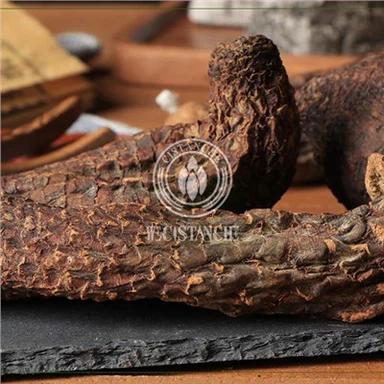
If you've been hearing about Cistanche (Rou Cong Rong, 肉苁蓉)-often nicknamed "Desert Ginseng"-you've probably also seen bold claims online. This article keeps it practical and easy to read, and answers the one question that matters:
How do you take Cistanche so you can feel the benefits you expect?
We'll go from basics → daily routines → recipes → safety → where to buy.
1) What Is Cistanche (Rou Cong Rong) - in Plain English?
In Traditional Chinese Medicine (TCM), Cistanche is a classic food-grade tonic herb (often used as both herb and functional food).
TCM describes it as:
Warm, but gentle (not aggressively "hot")
Traditionally associated with Kidney and Large Intestine support
Western-friendly translation:
Cistanche is commonly used to support:
Vitality & stamina (especially when you feel "run-down")
Healthy aging
Bowel regularity (particularly dryness-related constipation)
It's popular because it's often described as tonifying without being harsh-many people find it easier to tolerate than stronger, drying tonics.

2) Why People Call It "Desert Ginseng" (and What They Actually Mean)
In TCM theory, the "Kidney system" is linked with your foundational reserves-energy, lower back/knee strength, and aging-related vitality. When those reserves feel low, people may notice:
low energy / low motivation
weak lower back and knees
feeling cold easily
brain fog or forgetfulness
dryness-related constipation
Cistanche is traditionally used because it's seen as supporting both Yin and Yang in a balanced, gentle way-plus it has a reputation for helping regularity.


3) How to Take Cistanche so It Works: The 3 Best Methods
Here's the truth: most "tonic herbs" work best when you take them consistently, not intensely.
Method A (Best for beginners): Simmered Tea / Daily Decoction
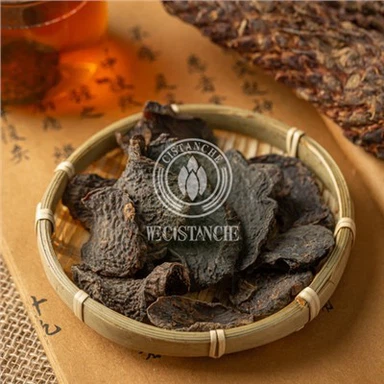
If you're using raw slices (traditional form), a common traditional daily amount is:
10–15 grams per day
Simple daily tea method
Cistanche slices: 10 g (start here)
Water: 600–800 ml
Simmer: 20–30 minutes
Drink warm throughout the day
Why this works: it's consistent, gentle on digestion, and easy to repeat daily-which matters more than "mega-dosing."

Method B: Chewing Slices (Convenient, less precise)
Some people chew prepared Cistanche slices like a functional snack.
Tip: drink warm water afterward.
Downside: dosing is less consistent than tea.
Method C: Food Therapy (The easiest way to stay consistent)
If you want something that fits a Western lifestyle, cooking it into soup or congee can be the most realistic long-term option.
4) The "Most Practical" Daily Routine (If You Don't Want to Overthink It)
If your goal is to actually feel something, try this:
Week 1: 10 g/day as tea
Week 2–4: 10–15 g/day as tea (adjust based on how you feel)
Track: energy, sleep, digestion, bowel movements, dryness/"heat" sensations
Many people notice:
Regularity changes: within 1–7 days
Vitality/back/knee support: often 2–6 weeks (consistent use)

5) Two Gentle Combinations People Love (Beginner-Friendly "Cistanche Formulas")
These are food-grade style ideas-keep them simple.
1) "Warm Vitality Tea" (Cistanche + Astragalus)
Recipe
Cistanche: 10 g
Astragalus (Huang Qi): 10 g
Simmer 20–30 minutes, drink as tea for the day.
Best for: low energy, shortness of breath, feeling cold easily.
Avoid if: you have strong dryness/heat signs (more on that below).

2) "Brain + Dryness" Tea (Cistanche + Walnut + Goji)
Recipe
Cistanche: 10 g
Walnut kernels: 2 (crushed)
Goji berries: 10–15
Steep 20–30 minutes (or lightly simmer).
Best for: mental fatigue + dryness, especially in older adults.
6) Two Food Recipes (Easy to Copy into Your Kitchen Notes)
Recipe 1: Cistanche Black Chicken Soup (Once per week)
Ingredients
Cistanche: 10 g
Dendrobium (Shi Hu): 10 g
Black chicken: ~500 g

How to cook
Blanch chicken → simmer everything 1.5 hours → salt to taste.
Notes
Not ideal for diarrhea-prone people
If you're watching fats, skim the oil layer before drinking
Recipe 2: Cistanche Lamb Congee (Great in cold seasons)
Cook rice congee → add lamb slices + ginger → add pre-softened Cistanche near the end → season.
Best for: cold tendency + low energy + constipation from dryness/low drive.

7) Who Should Avoid Cistanche (Important Safety Section)
Even gentle herbs aren't for everyone. Be cautious or avoid if you are:
1) "Yin-deficiency heat" type (TCM pattern)
Common signs:
night sweats
dry mouth/throat
hot palms/soles
red tongue with little coating (TCM sign)
In these cases, Cistanche may feel too warming for some people.
Click to visit our organic shop

2) "True heat constipation"
Signs:
very hard, dry stool (pellet-like)
strong thirst, bad breath
abdominal bloating/pain
You may need a cooling, heat-clearing approach instead.
3) Loose stools / chronic diarrhea / weak digestion
Because Cistanche can be moistening, it may worsen diarrhea in sensitive people.
4) Pregnancy, children
Don't self-prescribe. Use professional guidance.
Medical caution (Western lens):
If you have severe urinary symptoms (acute retention, blood in urine, fever, suspected infection, stones), seek medical evaluation first.
8) Where to Buy "Safe/Organic" Cistanche (Provided Source)
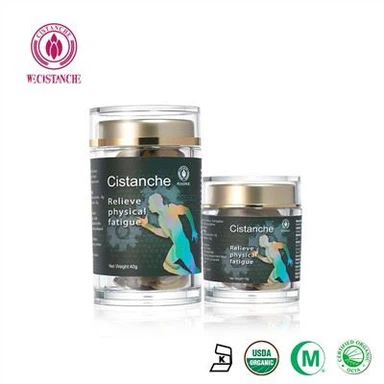
When buying Cistanche , look for:
clear species labeling (commonly Cistanche tubulosa)
quality testing (heavy metals, pesticides, microbes)
batch consistency and traceability
Click To Visit Cistanche Supplement Factory

Quick Wrap-Up:
If you want a simple plan:

Use tea/decoction for consistency
Start with 10 g/day, move to 10–15 g/day
Stay consistent 2–6 weeks for deeper "tonic" effects
Avoid if you clearly run "hot," or you have diarrhea-prone digestion
Buy from a tested, traceable source