Key Points On Benign Prostatic Hyperplasia (BPH): A Staged TCM Approach Based On The Integrated Regulation Of Water–Qi–Yin–Yang
Aug 04, 2026
Abstract
Benign prostatic hyperplasia (BPH) is one of the most common urinary disorders among middle-aged and elderly men. It often persists over time and is prone to relapse. From a Traditional Chinese Medicine (TCM) perspective, the essential pathogenesis of BPH is an interwoven imbalance of three core dimensions: disordered water metabolism, obstructed qi movement, and disrupted yin–yang equilibrium. Drawing on classical doctrines-such as the Huangdi Neijing principle "to regulate qi, one must first differentiate yin and yang," and Jingyue Quanshu's teaching "to treat water, one must first treat qi"-this paper proposes that clinical management should prioritize: harmonizing yin and yang as the root, restoring qi dynamics as the pivot, and promoting water transformation and drainage as a key support strategy.
Based on disease course and the evolution of pathomechanisms, BPH is discussed via a staged treatment framework integrating water–qi–yin–yang regulation. In the Deficiency Stage, the core mechanism is spleen–kidney yang deficiency with weakened warming and transformation, and impaired qi-driven water metabolism; a modified Jisheng Shenqi Wan is used to warm yang, strengthen qi, and promote water transformation. In the Stagnation/Accumulation Stage, yang decline leads to yin congealing into tangible masses, with qi constraint and turbid water obstruction; treatment focuses on moving qi, resolving blood stasis, transforming phlegm, dispersing accumulations, while still supporting yang. Early phlegm–stasis binding is treated with modified Jisheng Shenqi Wan combined with Guizhi Fuling Wan; deeper, entrenched stasis may require Jisheng Shenqi Wan combined with a modified Didang Tang.
The Obstruction Stage includes two phases: a Yang-Excess (Heat/Turbidity) Phase and a Yin-Deficiency (Dryness/Deficient Fire) Phase. The yang-excess phase involves turbid obstruction with heat; strategies such as clearing heat, transforming turbidity, and opening water pathways are emphasized (e.g., modifications of Bazheng San combined with formulas to ventilate the lung and clear damp-heat). The yin-deficiency phase features depleted fluids and dryness of the urinary passage; treatment centers on nourishing yin, reducing deficient fire, moistening dryness, and facilitating urination (e.g., a modified Erxian Tang). One clinical case is presented to support this staged approach.
Marketing note for global readers (contextual): In TCM, many male urinary complaints are interpreted through the lens of "kidney yang deficiency," "damp-heat," or "phlegm–stasis binding." For those exploring TCM herb for urinary symptoms, modern botanical ingredients-such as Cistanche tubulosa (Cistanche)-are often discussed as supportive options in formulas targeting vitality, warmth, and fluid transformation (see "Cistanche formula" suggestions later in this article).
Keywords
Benign prostatic hyperplasia; urinary retention/strangury; water metabolism; qi; yin–yang; staged treatment; Jisheng Shenqi Wan; tcm herb for BPH symptoms

1. Introduction
BPH is among the most common conditions in older men. Patients frequently experience bladder outlet obstruction and lower urinary tract symptoms, including urinary frequency/urgency, increased nocturia, weak urinary stream, and hesitancy-significantly reducing quality of life. In biomedicine, BPH development is associated with aging, androgen–estrogen interactions, growth factors, and inflammatory processes. Current approaches include alpha-1 blockers, 5-alpha reductase inhibitors, surgery, or combined therapy. While short-term results can be acceptable, outcomes vary and adverse effects are not uncommon (e.g., postural hypotension, rashes; or post-surgical complications such as urethral stricture, residual tissue regrowth, procedural complexity, and financial burden).
In TCM, BPH-related manifestations may fall under categories such as "Long Bi" (urinary retention/obstruction), "Lin Zhuo" (turbid strangury), or "Jing Long" (essence-related urinary obstruction). This paper argues that the essence of the disorder is the mutual influence of:

Water metabolism dysfunction (fluids fail to transform and flow)
Qi mechanism blockage (qi fails to move and regulate)
Yin–yang disequilibrium (warming, nourishing, and balancing functions are impaired)
Yin–yang imbalance is considered the foundational driver: yang deficiency fails to warm and transform; yin deficiency fails to moisten and nourish; yang excess generates heat that blocks water pathways; yin excess (as tangible stasis or phlegm) obstructs the lower burner. These patterns shape staging and therapeutic direction. Qi is the key connector: "to treat water, one must first treat qi." When lung, spleen, liver, and kidney qi dynamics are impaired, fluids stagnate and "turbidity" forms. Meanwhile, chronic water retention further blocks qi and consumes yin–yang, accelerating progression.
A common limitation of routine approaches is focusing narrowly on "draining water" for urinary obstruction, or only "tonifying kidney deficiency," or only "moving qi." In practice, BPH requires an integrated view: harmonize yin–yang (root), restore qi movement (pivot), and promote water transformation and drainage (support)-implemented as a staged strategy aligned with disease evolution.
2. Pathogenesis by Stage: Understanding BPH Through Water–Qi–Yin–Yang
2.1 Deficiency Stage: Spleen–Kidney Yang Deficiency → Qi Fails to Warm → Water Fails to Transform
Classical theory notes that male kidney qi declines with age. In this early-stage pattern, the core mechanism is spleen–kidney yang deficiency, leading to impaired bladder "qi transformation." When warming and transforming power weakens, clear and turbid fluids fail to separate properly; urinary frequency, urgency, and nocturia emerge-often worse at night when yin predominates.
Kidney yang is viewed as the "root of yang" and the foundation of transformation. Spleen and kidney support each other: kidney yang warms spleen yang; spleen transports and transforms fluids and nutrients. When kidney yang declines, spleen movement and lifting can weaken, worsening fluid retention and nocturia.

Clinical picture (typical): frequent urination, urgency, nocturia, fatigue/cold tendency, weak stream early on without pronounced "mass" signs.
TCM interpretation (simple for Western readers): the body's "metabolic warmth and pump power" is lower; fluids don't move efficiently.
This is often where many people begin searching for a tcm herb for nocturia symptoms or a supportive vitality-tonic strategy.
2.2 Stagnation/Accumulation Stage: Yang Declines Further → Yin Congeals into Mass → Qi Obstructed + Turbid Water + Blood Stasis
A classical TCM principle states: "Yang transforms qi; yin forms substance." When yang is insufficient to transform and mobilize, "yin pathogens" (phlegm-turbidity, stasis) can condense into tangible obstruction. Over time, dampness may transform into phlegm; impaired blood movement yields stasis. These accumulate in the lower burner, compressing the urinary passage and worsening voiding.
Clinical picture: hesitancy, weak/intermittent stream, feeling of incomplete emptying, perineal distension pain, dark or purplish tongue, stasis signs.
TCM interpretation: reduced transformation + blocked circulation leads to "build-up" and mechanical-like obstruction
Modern research describes BPH as an imbalance between cell proliferation and apoptosis, which can be conceptually aligned with the TCM idea that insufficient "yang transformation" allows excessive "substance formation."
For many consumers, this corresponds to searching for tcm herb for weak urine stream symptoms or "prostate support" blends-yet TCM would emphasize that once "phlegm–stasis" forms, merely draining or tonifying alone is often incomplete.
2.3 Obstruction Stage
2.3.1 Yang-Excess (Heat/Turbidity) Phase: Turbid Obstruction + Heat Blocking the Waterways
In advanced cases, longstanding phlegm and stasis combined with external pathogens, rich diet, or emotional constraint can create triple-burner blockage and heat. In TCM, the lung is the "upper source of water" and connects with bladder regulation; heat in the upper burner may prevent the descent of fluids and worsen urinary obstruction. Damp-heat in the middle burner (diet-related) can also descend, while liver constraint can turn to fire, further intensifying blockage.
Clinical picture: severe difficulty urinating, burning pain, dark/scanty urine, irritability, constipation, heat signs.
TCM interpretation: inflammatory-like heat plus thick "turbidity" blocks the fluid pathway.
This pattern often drives interest in a tcm herb for burning urination symptoms-but TCM would emphasize pattern accuracy, as "heat" is not always present in all BPH patients.
2.3.2 Yin-Deficiency (Dryness/Deficient Fire) Phase: Depleted Fluids → Dry Urinary Passage → Difficulty Urinating
This phase may arise from prolonged yang deficiency consuming yin, excessive use of warm-dry herbs, overwork, or sexual overstrain. The core is kidney yin depletion, leading to deficient fire that scorches fluids, producing dryness and urinary passage friction.
Clinical picture: urinary difficulty with burning/dryness, thirst, night sweating, insomnia, red tongue with little coating, thin rapid pulse; constipation may worsen due to dryness. With chronicity, phlegm and stasis may again combine into more fixed obstruction.
People often describe this as "dry heat + blockage," and look for a tcm herb for dryness-related urinary symptoms-TCM would aim to nourish fluids while gently restoring transformation.

3. Treatment Strategy by Stage: One Integrated Framework, Different Priorities
3.1 Deficiency Stage: Tonify Yang to Generate Qi; Warm Yang to Transform Water
Therapy targets the root: strengthen kidney qi and kidney yang to restore bladder transformation. A classical strategy uses Shenqi Wan (Kidney Qi Pill) for patterns like excessive urination due to kidney deficiency. Later clinicians adjusted it into Jisheng Shenqi Wan by adding herbs that support water regulation while balancing warming and nourishing.
Core idea for Western readers: restore metabolic drive and fluid regulation without overstimulating.
Where a "Cistanche formula" can fit :
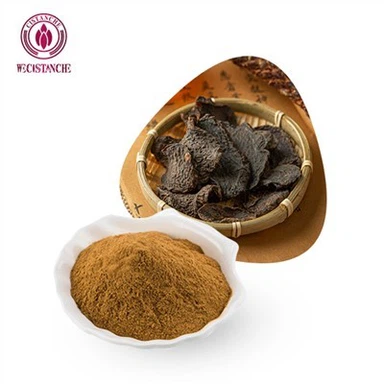
In TCM materia medica, Cistanche (Rou Cong Rong) is widely known as a warming, tonifying botanical often associated with kidney yang support and essence vitality. In the deficiency stage (cold/low-drive patterns), a cistanche formula is often discussed as part of a broader kidney-support strategy. For consumers searching for a tcm herb for nocturia symptoms, cistanche-containing blends are commonly positioned to support energy, warmth, and healthy urinary function-especially when paired with lifestyle measures.
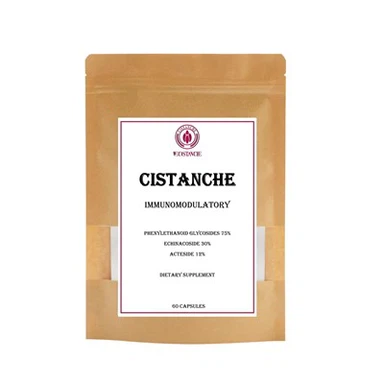
cistanche formula supplements


3.2 Stagnation/Accumulation Stage: Move Qi, Resolve Blood Stasis, Transform Phlegm, Disperse Accumulation-While Supporting Yang
Because patients are often "deficient in root but excessive in branch," harsh purging is usually avoided. A commonly used strategy is combining Jisheng Shenqi Wan with Guizhi Fuling Wan to promote circulation and resolve stasis while still supporting the underlying deficiency.
For deeper stasis, more forceful stasis-breaking strategies may be considered (classically represented by Didang Tang modifications), always with attention to constitution and safety.
Consumer translation: In this stage, the goal is not only to "pee more," but to "reduce the build-up and improve flow dynamics." This is relevant for people looking for tcm herb for incomplete emptying symptoms-because TCM would interpret that symptom as "obstruction + weak transformation," not a single-factor issue.
Cistanche positioning:
In a product development context, cistanche is often paired with herbs that address "stasis/phlegm" patterns or that support circulation and fluid metabolism-depending on regulatory and safety requirements in the target market.

3.3 Obstruction Stage
3.3.1 Yang-Excess Phase: Clear Heat, Transform Turbidity, Open Water Pathways (Regulate Qi First)
This phase emphasizes clearing damp-heat and restoring the qi dynamics of the three burners. Bazheng San is a classical formula for hot strangury/urinary obstruction patterns, and it may be combined with strategies that:
Ventilate the lung (to open the "upper source" of water)
Strengthen and dry dampness in the spleen/middle burner
Clear constrained fire in the liver channel
Western-friendly summary: address inflammatory heat, reduce thick "turbid" obstruction, and reopen urinary flow.
3.3.2 Yin-Deficiency Phase: Nourish Yin, Reduce Deficient Fire, Moisten Dryness, Facilitate Urination
A modified Erxian Tang approach is described for yin deficiency with deficient fire. This strategy aims to replenish the "source fluids" while gently harmonizing yin and yang-particularly relevant for older men prone to dryness and sleep disturbance.
Caution for product messaging: This phase is not the place for overly warm-dry tonics alone. For consumer-facing content, it's important to educate that "warming tonics" are not universally appropriate-pattern matters.
4. Case Report (Representative Example)
Patient: Male, 75 years old
First visit: Feb 9, 2025
Chief complaint: progressive urinary difficulty for 2 years, worsened for 1 week

He had nocturia 3–4 times, weak stream, prostate volume increased over time (ultrasound), had used finasteride with partial relief but relapse after stopping. Later he took intermittent warm-yang, water-draining herbal decoctions (with strong warming herbs) for ~6 months; nocturia improved but symptoms were not consolidated. In the week prior to the visit, symptoms worsened.
Findings: marked hesitancy, dribbling, incomplete emptying, nocturia 4–6, burning pain, thirst, night sweating, insomnia, constipation (3–4 days), red-crimson tongue with cracks and little fluid, dark engorged sublingual veins, thin rapid pulse with weak "chi" positions.
TCM diagnosis: essence-related urinary obstruction with yin deficiency and deficient fire scorching fluids, with stasis involvement.

Treatment principle: nourish yin, clear deficient fire, moisten dryness, unblock urination; assist with moving qi and resolving stasis/phlegm accumulation.
A staged adjustment was made over follow-ups (Feb 23 and Mar 9), reducing purgative elements as constipation and heat improved, shifting toward consolidation. At 3-month follow-up: urinary flow improved, nocturia reduced, objective measures improved.
Interpretation: In older patients, prolonged warming-dry strategies without balancing yin can aggravate dryness and deficient fire, worsening urinary passage friction. The case supports the need for stage-accurate, yin–yang balanced regulation of water and qi.
5. Conclusion
The integrated regulation of water–qi–yin–yang offers a coherent staging framework for BPH-related urinary symptoms:
Deficiency Stage: warm yang, support qi, transform water
Stagnation Stage: move qi, resolve stasis, transform phlegm, disperse accumulation, while supporting yang
Obstruction Stage: differentiate between heat/turbidity (clear and drain) vs yin deficiency/dryness (nourish and moisten)
This approach aligns with TCM's root-branch thinking and reflects the chronic, progressive, and mixed deficiency–excess nature of BPH in older men. Lifestyle guidance (avoid cold exposure, reduce rich/greasy foods, avoid prolonged sitting and holding urine, manage stress, maintain moderate activity) is emphasized. Severe obstruction, acute urinary retention, or kidney impairment may require integrative management with conventional medicine.
Practical "Cistanche Formula" Ideas for Product Developers
Below is a marketing-oriented, compliance-aware way to position cistanche in a prostate-support line, mapped to the TCM staging logic above. (These are concept concepts, not medical prescriptions.)

1) "Kidney Yang & Vitality Support" (Deficiency-leaning users)
Positioning: tcm herb for nocturia symptoms, fatigue + frequent urination support
Core: Cistanche tubulosa extract (high-actives, standardized)
Supporting angles: vitality, healthy aging, urinary comfort, sleep/nighttime bathroom frequency support
Education hook: "In TCM, low 'warming power' can reduce fluid transformation-supporting kidney yang is a common strategy."
2) "Flow & Circulation Support" (Stagnation/accumulation-leaning users)
Positioning: tcm herb for weak urine stream symptoms, incomplete emptying support (structure/function language)
Core: cistanche + circulation-support botanicals (choose legally/regionally acceptable options)
Education hook: "When circulation and fluid movement are sluggish, support strategies often combine vitality tonics with 'movement' herbs."
3) "Heat & Urinary Comfort" (Heat/turbidity-leaning users)
Positioning: tcm herb for burning urination symptoms (use careful language: "urinary comfort," "heat sensation")
Core: urinary comfort + cooling botanical strategy; cistanche may be reduced or positioned as balancing support rather than the hero ingredient, to respect TCM pattern logic.
4) "Yin & Moisture Balance" (Dryness/yin deficiency-leaning users)
Positioning: tcm herb for dry urinary tract symptoms; hydration + sleep support
Core: yin-nourishing, moistening narrative; cistanche can appear as "yin–yang balancing support," but not as a purely warming push.
Our differentiation
Click the picture to get more details of cistanche supplement factory in china


We are an independent factory specializing in Cistanche tubulosa extract, and our extract can be positioned as having higher effective constituent content (and therefore better suitability for standardized finished products). This is exactly what supplement brands care about: batch-to-batch consistency, potency, and supply stability.