How To Use Cistanche (Rou Cong Rong) in Soup: A Balanced TCM-Style Recipe
Aug 12, 2026
Cistanche Soup Guide: The "Balanced Pairing" That Makes It Easier to Stick With
Meta Description
A practical guide to using Cistanche (Rou Cong Rong) in a slow-cooked soup. Learn traditional pairing logic, a mild recipe, and safety notes. Results vary.
I simmered this soup for years before I finally understood the real "secret":
it's not about using the strongest ingredient-it's about pairing it correctly.
When the balance is right, the soup tastes savory, clean, and warming-not overly "hot," not overly heavy. After a month of making it consistently, my husband's reaction was simple:
"This one feels good. Keep making it."
Why "strong warming tonics" can feel uncomfortable for some people
In traditional Chinese wellness practices, certain ingredients are considered very warming. Some people try them alone-then notice signs they describe as "too much heat," such as:
mouth irritation
restless sleep
feeling overheated
A common TCM-style explanation is: warming ingredients are best used with supportive, more "gentle" components, especially in long-term routines. Think of it like coffee: the right breakfast makes it smoother; on an empty stomach it can feel harsh.
Click the picture to learn more details about

Supportive Service Of Wecistanche-For more details about cooperation
Email:wallence.suen@wecistanche.com
The pairing principle: "warm, but not drying"
A more sustainable approach is to combine:
Warming ingredients (used in small amounts)
Gentler, moistening and nourishing foods
A slow-cooking method (instead of "quick, intense" preparation)
This is why Cistanche (Rou Cong Rong) is often included in traditional recipes: it's commonly described as warming yet relatively gentle-and many people find it easier to tolerate as part of a balanced soup.
What is Cistanche?
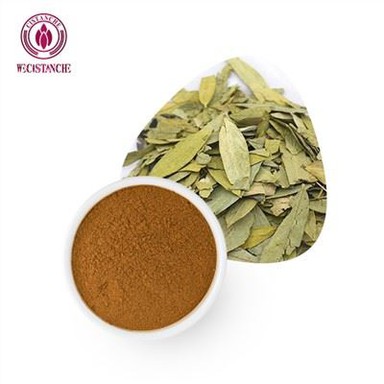
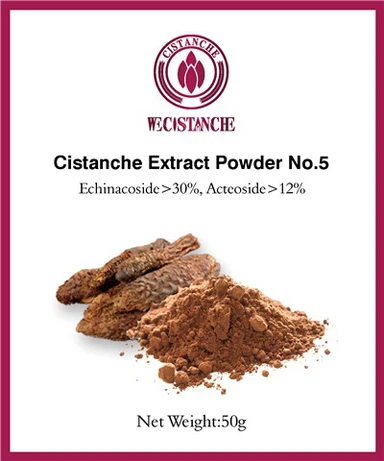
Cistanche (often Cistanche tubulosa in supplements) is a traditional herb used in Chinese wellness for long-term vitality and general "kidney yang" support in TCM terms. In modern wellness language, people often use it as part of an overall routine for energy, stamina, and daily vitality. Results vary.
The Balanced Soup Formula (savory, not fishy)
Below is a TCM-inspired structure you can adapt. I'm sharing it as food and wellness tradition, not medical advice.
1) The "warming" base (use modest amounts)
Velvet antler (small amount)
Seahorse (optional; traditional ingredient)
Tip: In traditional cooking, these are often used lightly-more is not always better.

2) The gentle "support" trio (the part that changes the whole feel)
Cistanche (Rou Cong Rong)
Morinda root (Ba Ji Tian)
Eucommia bark (Du Zhong)
Many people find this trio makes the soup feel warmer but smoother, especially when used consistently and cooked slowly.

3) Protein & "harmonizers" for taste and balance
Pigeon (or chicken as a more accessible swap)
Lean pork (for a clean savory base)
Red dates + goji berries (for a mild sweetness)
4) Ginger for aroma and "clean finish"
Ginger slices help reduce strong odors and make the soup taste clearer.
Step-by-Step (slow-cook method)
Rinse and soak the herbs for 20–30 minutes.
Blanch the meat briefly, rinse, and drain.
Add everything except goji berries into a pot/steaming jar. Add water to cover ingredients by 2–3 cm.
Slow cook 1.5–2 hours (gentle simmer or double-boil).
Season with salt; add goji berries near the end.
Taste note: done right, the soup is savory and rich, with no "weird" aftertaste.
Who might like this style of recipe?
This is often searched by people who feel:
"I'm not as resilient as I used to be."
"I want a consistent routine, not something extreme."
"I'm curious how to use Cistanche in a practical way."
If you're new to Cistanche, many people start with milder recipes and smaller amounts, then adjust based on how they feel.
Safety notes (important)
If you are pregnant, nursing, have a medical condition, or take medications, talk to a qualified healthcare professional first.
If a recipe makes you feel uncomfortable (overheating, poor sleep, digestive upset), stop and reassess.
This content is for general wellness and food culture only.
Disclaimer: This is not medical advice. These statements have not been evaluated by the FDA. This is not intended to diagnose, treat, cure, or prevent any disease.
Search optimization keywords
Cistanche, Rou Cong Rong, Cistanche tubulosa, how to take cistanche, how to use cistanche, cistanche soup, cistanche dosage (traditional use), what is cistanche, cistanche benefits (traditional), herba cistanches.