Impact Of COVID-19 Pandemic in Children With CKD Or Immunosuppression
Mar 28, 2023
Infections are a major concern in children on KRT and with CKD. Risk factors include immunosuppression, multiple contacts in dialysis units, and hospital visits (1).
Italy was one of the countries most affected by the severe acute respiratory syndrome coronavirus 2 (SARS-CoV-2) outbreak (2). Although adults with CKD and kidney transplant recipients are known to be at greater risk for disease severity due to immunosuppression and comorbidities (3), little is known about the equivalent pediatric population.
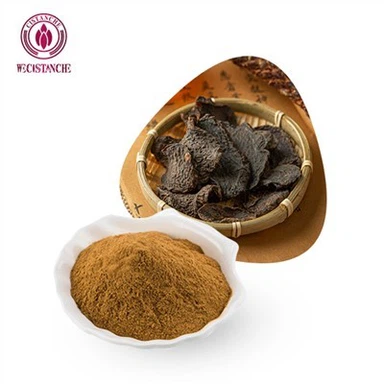
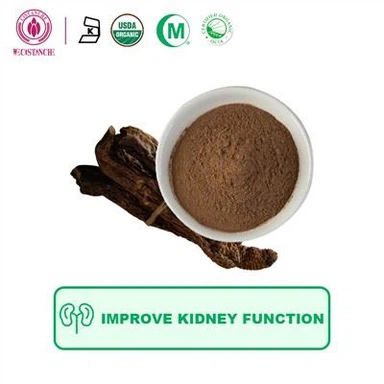
In recent years, research into the use of stem cells and a Chinese herbal remedy for the treatment of kidney diseases has gained great attention. The main mechanism of the two therapies is to promote the repair of injured renal tissues and protect the remaining renal functions. The Chinese herbal remedy,cistanche, has been used in traditional Chinese medicine to treat various chronic kidney diseases since ancient times. It is reported that cistanche has the potential to reduce inflammation, reduce kidney fibrosis, and promote the synthesis of extracellular matrix components. It has been revealed that these effects are due to its bioactive components, including many phenolic substances, triterpenoids, and coumarins. On the other hand, stem cell technology has caused a revolution in medical practice. Research has demonstrated that stem cells can differentiate into various types of renal cells and perform therapeutic activities, including protecting the remaining functional renal tissues, slowing down tissue fibrosis, and repairing damaged renal tissues.

Click on Cistanche Tubulosa Supplement
Ask for more:
david.deng@wecistanche.com WhatApp:86 13632399501
Ultimately, the combination of traditional Chinese medicine with modern science could be the key to treating various kidney diseases. This strategy has gradually been accepted by the medical community and studies have already shown that the combined therapy of cistanche and stem cell treatment may considerably reduce the mortality rate of kidney diseases.
In conclusion, the use of cistanche and stem cell treatment in the treatment of kidney diseases shows great potential and requires further research. The combined therapy of the two treatments could provide an improved treatment option for those facing kidney diseases.

We report data from a nationwide observational study performed by the Italian Society of Pediatric Nephrology during the lockdown period to better understand the clinical effect of coronavirus disease 2019 (COVID-19) in children with immunosuppression or CKD. Data were collected using a phone-based structured questionnaire between April 13 and 24, 2020, and data referred to the whole period from the detection of the first cases to the pandemic peak in Italy (February 20 to April 15, 2020). The primary objective was to identify patients with severe COVID-19 as defined by any of the following: death, admission to the Pediatric Intensive Care Unit, mechanical ventilation, and the need to change ongoing immunosuppressive treatment due to a documented SARS-CoV-2 infection. The presence of fever, respiratory, gastrointestinal, or flu-like symptoms and adherence to lockdown measures were also assessed. Inclusion criteria were age,18 years, and one of the following diagnoses: primary or secondary GN and idiopathic nephrotic syndrome requiring long-term immunosuppressive therapy, CKD stages 3–5, dialysis, or kidney transplant. National rates of participation were calculated by estimating the number of prevalent cases. Data regarding COVID-19 swab testing in the enrolled population were compared with those of the general Italian population for the same age range and period. The study was approved by the local ethics committees of each participating center.

dialysis. Hypertension was present in 20% of children, and 20% of the total cohort was on renin-angiotensin-aldosterone system blockers. Nonspecific infectious symptoms were identified in 12%. Patients were quarantined at home in 83% of cases, yet 35% underwent at least one hospital visit during the observation, and 51% had parents working outside, including healthcare workers (Table 1).
No patients fulfilled the criteria for the presence of severe COVID-19.
Nevertheless, swab tests were performed in 84 patients, mostly symptomatic children (46 of 84) or those with a confirmed familial SARS-CoV-2 case (four of 84). A significantly higher percentage of patients underwent swab testing compared with the healthy Italian pediatric population (5% versus 1%; P50.005); however, the percentage of positive tests was not significantly different (4% versus 2%; P50.43). Only three patients (0.19%) tested positive for SARS-CoV-2, all living in the worst affected Italian region (Lombardy). One was on immunosuppressive therapy for Henoch–Schönlein purpura and the other two had CKD secondary to congenital abnormalities of the kidneys and urinary tract. Two had symptoms (fever and skin rash); the other was asymptomatic and was tested because of family exposure. None had leukopenia or required an x-ray. Baseline therapies were not modified, and each child had a mild clinical course, in line with previous patient series in a similar population (4,5).

Our study has some limitations, including potential recall bias from the survey and the overall small number of swab tests performed. We did not aim to assess the prevalence of SARS-CoV-2 infection because of the very strict swab testing policy in place in Italy during the worst phase of the pandemic, limiting the screening to only symptomatic children. Instead, we planned a pragmatic study to clarify the real effect of the disease and elucidate clinical recommendations in those times of uncertainty.
Although the reason is unclear, the incidence of COVID-19 is known to be low in the pediatric population, with a generally benign clinical trend. Considering the exposure to the hospital environment in over a third of patients, our data show that even children in the advanced stages of CKD or on immunosuppressive therapy are at low risk of clinically relevant COVID-19.
Disclosures

Funding
Acknowledgments
A. Mastrangelo, G. Montini, W. Morello, L. Peruzzi, and E. Vidal conceptualized the study; A. Mastrangelo, G. Montini, W. Morello, and L. Peruzzi designed the study; A. Mastrangelo and W.Morello designed the data collection instrument; G. Montini and L. Peruzzi coordinated data collection; E. Benetti, R. Chimenz, C. Corrado, M. Giordano, I.Guzzo, L.Massella, M.Materassi, A.Pasini, C. Pecoraro, L.A. Petruzzelli, and E. Vidal collected data; A. Mastrangel, G. Montini, W. Morello, and L. Peruzzi supervised data collection; G. Puccio carried out the initial analyses; G. Puccio and E. Vidal performed statistical analysis; A. Mastrangelo and W. Morello drafted the initial manuscript; E. Benetti, R. Chimenz, C. Corrado, M. Giordano, I. Guzzo, L. Massella, A. Mastrangelo, M. Materassi, W. Morello, A. Pasini, C. Pecoraro, L.A. Petruzzelli, G. Puccio, and E. Vidal reviewed and revised the manuscript; G. Montini and L. Peruzzi critically reviewed the manuscript for important intellectual content; and all authors approved the final manuscript as submitted and agree to be accountable for all aspects of the work.
References
5. Melgosa M, Madrid A, Alva ´rez O, Lumbreras J, Nieto F, Parada E, Perez-Beltra ´n V; Spanish Pediatric Nephrology Association: SARS-CoV-2 infection in Spanish children with chronic kidney pathologies. Pediatr Nephrol 35: 1521–1524, 2020
*The COVID-19 Task Force of the Italian Society of Pediatric Nephrology members are Licia Peruzzi, Elisa Benetti, Chiara Benevenuta, Milena Brugnara, Luca Casadio, Roberto Chimenz, Giovanni Conti, Ciro Corrado, Roberto Dall’Amico, Bruno Gianoglio, Mario Giordano, Chiara Gualeni, Stefano Guarino, Isabella Guzzo, Angelan La Manna, Claudio La Scola, Laura Martelli, Laura Massella, Antonio Mastrangelo, Giovanni Montini, William Morello, Antonello Pani, Teresa Papalia, Andrea Pasini, Carmine Pecoraro, Piernicola Pelliccia, Marco Pennesi, Luigi Annicchiarico Petruzzelli, Fabrizio Pugliese, Ilse Maria Ratsch, Paola Romagnani, Marco Materassi, RosaMaria Roperto, Chiara Tamburello, Gianluca Vergine, Antonio Vergori, Federica Alessandra Vianello, and Enrico Vidal.
A.M. and W.M. contributed equally to this work as the first authors.
Ask for more: david.deng@wecistanche.com WhatApp:86 13632399501