Mechanism Study: A TCM Formula (BHXF) Regulates Keap1/Nrf2/HO‑1–Mediated Ferroptosis To Improve Renal Fibrosis In Chronic Renal Failure Rats
May 27, 2026
(Marketing-adapted scientific English translation + "from easy to deep" explanation for Western audiences; includes Cistanche / Cistanche tubulosa integration and the keyword concept "tcm herb for [symptom]" in natural variations.)
Important note (for compliance and reader trust): The study below investigates a multi-herb Traditional Chinese Medicine (TCM) formula in a rat model of chronic renal failure. These findings are preclinical and do not prove clinical efficacy in humans. Where we discuss Cistanche, we do so as TCM-based supportive wellness positioning and as R&D direction for product development-without claiming to treat, cure, or prevent disease.
1) Quick, intuitive overview (for non-scientists)
Chronic kidney disease (CKD) often progresses with oxidative stress (too many damaging "free radicals") and renal fibrosis (scar-like tissue buildup). In modern biology, one important form of cell damage involved is ferroptosis-an iron-driven, lipid-peroxidation–driven cell death process.
This research tested a classic "TCM pattern-based" approach:
BHXF (Bushen Huoxue Xiezhuo Formula)
A TCM formula designed to:
"Nourish Kidney" (补肾, Bushen) → strengthen core functional deficiency patterns
"Invigorate Blood" (活血, Huoxue) → improve microcirculation / resolve stasis patterns
"Clear turbidity / remove toxins" (泄浊, Xiezhuo) → support elimination of pathological byproducts
In the rat model, BHXF improved kidney function markers and reduced fibrosis. Mechanistically, it appeared to work by activating the body's antioxidant defense axis Nrf2/HO‑1 and reducing ferroptosis.
For Western consumers searching in plain language, this maps to demand for:
tcm herb for oxidative stress
tcm herb for kidney weakness / fatigue
tcm herb for water retention / puffiness (traditional "dampness" framing)
tcm herb for recovery and resilience
2) Title
Mechanistic Study on Bushen Huoxue Xiezhuo Formula (BHXF) Regulating Keap1/Nrf2/HO‑1–Mediated Ferroptosis to Improve Fibrosis in Chronic Renal Failure Rats
3) Abstract (complete English translation, meaning-preserving)
Objective
To evaluate the effects of Bushen Huoxue Xiezhuo Formula (BHXF) on rats with chronic renal failure (CRF) and to investigate its anti-renal-fibrosis mechanism focusing on Keap1/Nrf2/HO‑1–mediated ferroptosis.
Methods
Ninety male SD rats were randomly divided into six groups:
Sham operation group
Model group
BHXF low-dose group 5.31 g\cdotpkg−1\cdotpd−1 \,5.31\,\text{g·kg}^{-1}\text{·d}^{-1}\,5.31g\cdotpkg−1\cdotpd−1
BHXF medium-dose group 10.62 g\cdotpkg−1\cdotpd−1 \,10.62\,\text{g·kg}^{-1}\text{·d}^{-1}\,10.62g\cdotpkg−1\cdotpd−1
BHXF high-dose group 21.24 g\cdotpkg−1\cdotpd−1 \,21.24\,\text{g·kg}^{-1}\text{·d}^{-1}\,21.24g\cdotpkg−1\cdotpd−1
Benazepril group 10 mg\cdotpkg−1\cdotpd−1 \,10\,\text{mg·kg}^{-1}\text{·d}^{-1}\,10mg\cdotpkg−1\cdotpd−1
Each group contained 15 rats. BHXF was administered by gavage once daily for 8 weeks. Sham and model groups received an equal volume of normal saline.
After the intervention, kidney tissues were collected for HE staining and Masson staining to assess injury and fibrosis under light microscopy. Serum was tested using:
Automated biochemical analyzer: Urea, Serum creatinine (Scr), β2-microglobulin (β2‑MG)
ELISA: ROS, SOD, MDA
Kidney tissue assays included:
Immunohistochemistry (IHC): α‑SMA, TGF‑β, FN, Collagen‑1, SLC7A11, GPX4
Western blot: Keap1, Nrf2, HO‑1
Real-time RT‑PCR: mRNA of Keap1, Nrf2, HO‑1, SLC7A11, GPX4
Results
Compared with the sham group, the model group showed typical pathological changes such as marked tubular dilation and collagen deposition. Serum Urea, Scr, β2‑MG, ROS, MDA and tissue α‑SMA, TGF‑β, FN, Collagen‑1, Keap1 were increased (P < 0.05), while SOD, Nrf2, HO‑1, GPX4, SLC7A11 were decreased (P < 0.05).
After drug intervention, pathological damage and fibrosis were reduced (P < 0.05). Serum Urea, Scr, β2‑MG, ROS, MDA and tissue α‑SMA, TGF‑β, FN, Collagen‑1, Keap1 were decreased (P < 0.05), while SOD, Nrf2, HO‑1, GPX4, SLC7A11 were increased (P < 0.05). The BHXF high-dose group showed the best overall effect (P < 0.05).
Conclusion
BHXF effectively inhibited renal fibrosis and improved renal function in CRF rats. Its potential mechanism may be related to regulation of the Keap1/Nrf2/HO‑1 axis to inhibit the ferroptosis pathway.
Keywords
Chronic renal failure; Bushen Huoxue Xiezhuo Formula; Ferroptosis; Fibrosis; Keap1/Nrf2/HO‑1 pathway
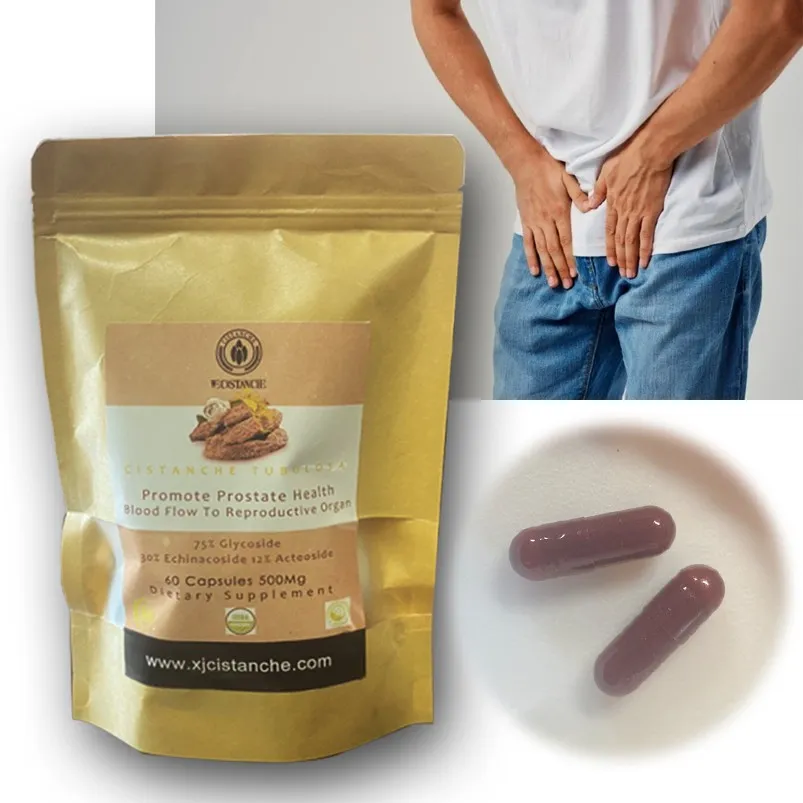
Supportive Service Of Wecistanche-For more details about cooperation
Email:wallence.suen@wecistanche.com
4) Background
Chronic kidney disease (CKD) is characterized by long-term structural and functional kidney impairment with progressive decline. Prevalence and mortality continue to rise, posing a major societal challenge. Estimates suggest CKD may become one of the leading causes of death globally by 2040.
CKD progression involves multiple factors. Increasing evidence links oxidative stress–induced ferroptosis with CKD development. Excessive accumulation of ROS disrupts redox balance, damages the body, triggers kidney ferroptosis, worsens kidney function, and ultimately contributes to fibrosis. Therefore, inhibiting oxidative stress and ferroptosis may alleviate renal fibrosis.
The Keap1/Nrf2/HO‑1 pathway is a key cellular defense system against oxidative stress. It can regulate apoptosis, reduce mitochondrial damage, and provide antioxidant and anti-inflammatory effects. However, the role of Keap1/Nrf2/HO‑1 in regulating ferroptosis within CKD anti-fibrosis research remains limited.
This study used BHXF-an experience-based formula developed through long-term clinical practice-to explore protective mechanisms for kidney function and provide theoretical support for further clinical application.
5) Materials, drugs, and instruments
5.1 Animals
90 male SPF SD rats (180–220 g) were obtained from Liaoning Changsheng Company (license: SCXK (Liao) 2020‑0001) and housed at the SPF animal facility of Hebei University of Chinese Medicine with free access to food and water. The study was approved by the university's animal ethics committee (No. DWLL2019035).
5.2 Drugs (BHXF composition)
BHXF consisted of:
Rhubarb (Da Huang) 10 g
Astragalus (Huang Qi) 25 g
Smilax glabra (Tu Fu Ling) 20 g
Centella asiatica (Ji Xue Cao) 15 g
Aconite (Fu Zi) 6 g
Salvia miltiorrhiza (Dan Shen) 12 g
Safflower (Hong Hua) 10 g
Curcuma (E Zhu) 10 g
Pseudostellaria heterophylla (Tai Zi Shen) 10 g
Granules were purchased from a pharmaceutical manufacturer; batch numbers were listed in the original text.
Benazepril hydrochloride tablets were used as a positive control.
5.3 Reagents and equipment
ROS/SOD/MDA ELISA kits; HE and Masson staining kits; IHC kits; DAB; antibodies for α‑SMA, FN, Collagen‑1, Nrf2, SLC7A11, β‑actin; Keap1, HO‑1, GPX4; TGF‑β1; qPCR reagents.
Key instruments included microplate reader, qPCR system, microscope, electrophoresis/transfer system, microtome, chemiluminescent imaging system.
6) Experimental methods
6.1 Grouping, modeling, and administration
Rats were randomized into sham, model, BHXF low/medium/high, and benazepril groups. Except for sham, all rats underwent 5/6 nephrectomy to establish CRF. After successful modeling, BHXF doses (5.31/10.62/21.24 g/kg/day) were calculated via body surface area conversion; benazepril dose was 10 mg/kg/day. Drugs were administered once daily for 8 weeks. Sham and model groups received distilled water by gavage in equal volume.
6.2 Sample collection
After 8 weeks, rats were anesthetized with 1% pentobarbital sodium; blood was collected from the abdominal aorta. Serum was separated and stored at −80°C. Kidney tissues were collected and stored at −80°C for subsequent tests.
6.3 Biochemical indices
Serum Urea, Scr, β2‑MG were measured using an automated analyzer.
6.4 ELISA for oxidative stress markers
Serum ROS, SOD, MDA were measured according to kit instructions.
6.5 HE and Masson staining
Kidney tissues were fixed, dehydrated, paraffin-embedded, sectioned at 4 μm, and stained. ImageJ was used to quantify fibrosis area percentage.
6.6 Immunohistochemistry
IHC measured kidney expression of α‑SMA, TGF‑β, FN, Collagen‑1, SLC7A11, GPX4 using standard procedures.
6.7 Western blot
Protein was extracted, quantified by BCA, separated on 10% SDS‑PAGE, transferred to PVDF membranes, blocked, incubated with primary antibodies (Keap1, Nrf2, HO‑1; β‑actin as control), then secondary antibody, ECL detection, and ImageJ densitometry.
6.8 Real-time PCR
RNA was extracted from kidney tissue; qPCR measured mRNA of Keap1, Nrf2, HO‑1, SLC7A11, GPX4 with β‑actin as internal control.
6.9 Statistics
SPSS 24.0; data expressed as mean ± SD; one-way ANOVA; LSD‑t for pairwise comparisons; P < 0.05 significant.
7) Results
7.1 General condition
Sham rats were active with normal weight and glossy fur. Model rats showed lethargy, weight loss, dull fur, pale tails/claws, reduced food intake/activity. BHXF and benazepril groups improved to varying degrees; BHXF medium/high performed better.
7.2 Histopathology
HE staining: Model group showed mesangial cell/matrix proliferation and inflammatory infiltration; BHXF and benazepril reduced damage, most notably high-dose BHXF.
Masson staining: Model group had extensive collagen deposition; BHXF and benazepril reduced collagen and fibrosis, high-dose BHXF most obvious.
7.3 Renal function
Model group had significantly elevated Urea, Scr, β2‑MG; all intervention groups decreased these markers, with high-dose BHXF showing stronger improvement.
7.4 Oxidative stress
Model group: ROS and MDA increased, SOD decreased.
BHXF reduced ROS/MDA and increased SOD, with medium/high dose showing better effect.
7.5 Fibrosis-related proteins
Model group increased α‑SMA, TGF‑β, FN, Collagen‑1.
BHXF and benazepril decreased these, with high-dose BHXF best.
7.6 Keap1/Nrf2/HO‑1 pathway
Model group: Keap1 up, Nrf2 and HO‑1 down (protein and mRNA).
BHXF and benazepril reversed these trends; high-dose BHXF most prominent.
7.7 Ferroptosis-related markers
Model group decreased SLC7A11 and GPX4 (protein and mRNA).
BHXF and benazepril increased them (SLC7A11 mRNA showed no significant difference statistically in one comparison), with high-dose BHXF generally stronger.
8) Discussion
8.1 How TCM "pattern language" maps to modern mechanisms
In TCM theory, CKD-like conditions align with categories such as "edema" and "kidney exhaustion." The proposed key pathogenesis in CRF is deficiency (虚) + blood stasis (瘀) + turbidity/toxin (浊). Treatment emphasizes:
Root: tonify spleen/kidney (restore baseline resilience)
Branch: activate blood & discharge turbidity (support circulation + metabolic clearance)
BHXF combines:
Tonifying/supporting herbs (e.g., Astragalus, Pseudostellaria; aconite used traditionally to warm yang)
"Clearing" herbs (e.g., Smilax, Centella)
"Blood-activating" herbs (e.g., Salvia, safflower, Curcuma)
In this model, BHXF improved renal markers, reduced fibrosis, and reduced oxidative stress-supporting the idea that regulating redox balance can slow fibrosis progression.
8.2 The modern pathway story (simple to deep)
Simple level:
BHXF → fewer free radicals (ROS) → less scarring (fibrosis)
Mechanistic level:
BHXF appears to modulate the cell's antioxidant switch:
Keap1 is like the "brake" that keeps Nrf2 low under normal conditions.
When Nrf2 is activated, it turns on antioxidant and cytoprotective genes, including HO‑1, and supports systems like GPX4 and SLC7A11 that protect against lipid peroxidation and ferroptosis.
So the observed pattern:
CRF model: Keap1 ↑, Nrf2/HO‑1 ↓, GPX4/SLC7A11 ↓, ROS/MDA ↑ → fibrosis ↑
BHXF: Keap1 ↓, Nrf2/HO‑1 ↑, GPX4/SLC7A11 ↑, ROS/MDA ↓ → fibrosis ↓
Interpretation: BHXF may protect kidney tissue by reducing oxidative injury and inhibiting ferroptosis, thereby suppressing fibrotic remodeling.
9) Where Cistanche (Cistanche tubulosa) fits for product development (marketing + R&D logic)
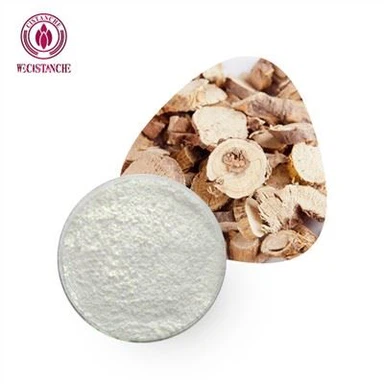
You mentioned you are a Cistanche extract factory, specifically Cistanche tubulosa (管花肉苁蓉) with higher active compound content-a key differentiator for Western formulators who care about standardization and potency.
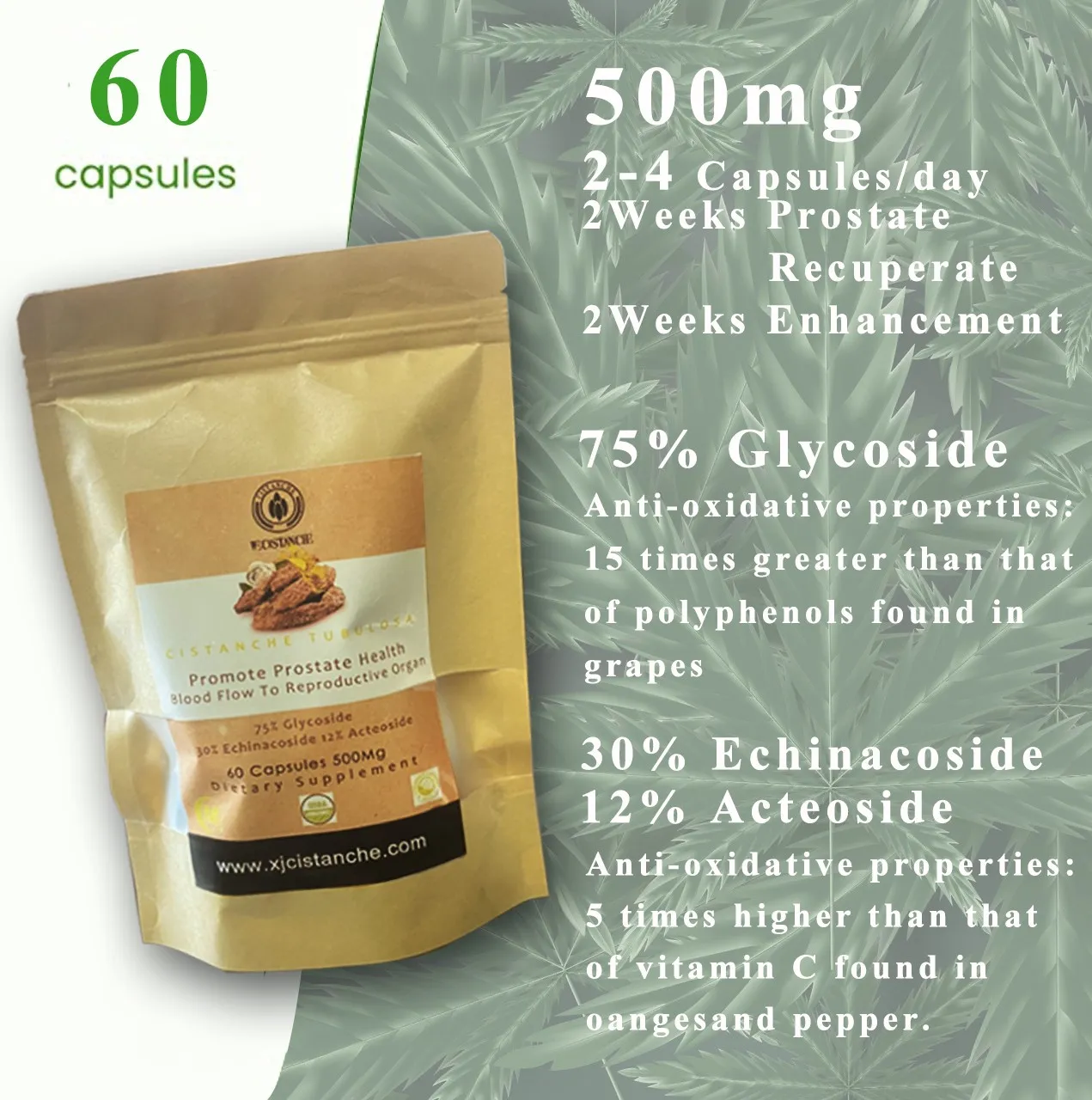
In TCM, Cistanche is widely positioned as a Kidney-tonifying herb (often used for "Kidney Yang deficiency" patterns). For Western audiences, the consumer language often becomes:
tcm herb for low energy and burnout-style fatigue
tcm herb for cold intolerance and vitality (traditional "yang" framing, without medical claims)
tcm herb for healthy aging & resilience
tcm herb for libido and stamina support (again: structure/function positioning)
Practical formulation message (non-disease claims)
BHXF is a multi-herb prescription used in a disease model. For consumer products, many brands create simplified, compliant formulations inspired by TCM principles-e.g.:
"Kidney & Vitality Support" concept formula (example direction):
Cistanche tubulosa extract (core tonic; highlight "high-actives" + standardized extraction)
Antioxidant-supporting botanicals (positioned for oxidative balance)
Microcirculation-supporting botanicals (positioned for "blood flow support")
This approach helps Western product developers tell a coherent story:
"Traditional 'Kidney' support + modern antioxidant science (Nrf2/HO‑1 as a research direction)"
Why emphasize Cistanche tubulosa and high-actives?
For B2B buyers, "Cistanche" is not enough. They want:
botanical identity (species + plant part)
extraction ratio/solvent
marker compounds and assay method
batch-to-batch consistency
heavy metals, pesticide residues, microbiology, adulteration controls
So your key marketing phrasing can be:
Cistanche tubulosa extract (high active components, standardized quality)
Factory-direct supply with consistent potency
Designed for wellness formulas targeting vitality, endurance, and healthy aging
(If you share your actual spec sheet-e.g., echinacoside/acteoside percentages-I can write it into the copy in a very "EU/US supplement buyer" style.)
10) SEO keyword set (integrated, "tcm herb for symptom" variations)
Use these naturally in headings, FAQs, and product pages:
tcm herb for oxidative stress support
tcm herb for fatigue and low energy
tcm herb for vitality and stamina
tcm herb for healthy aging
tcm herb for recovery and resilience
tcm herb for circulation support
Cistanche tubulosa extract
high potency Cistanche extract
standardized Cistanche extract supplier / factory
Kidney-tonifying TCM herb (traditional phrasing)
11) Next step (so I can optimize this into a high-converting marketing article)
Answer these 6 items and I'll turn the above into a polished EU/US-ready landing page + brochure copy (with compliant wording):
Your main actives and spec (e.g., echinacoside %, acteoside %, polysaccharides %)
Dosage form you sell (powder/extract granule/capsule OEM?)
Key certifications (GMP, ISO, HACCP, organic, Kosher/Halal, etc.)
Target market (US dietary supplement, EU novel food constraints, cosmetics, functional beverage?)
Preferred claims style (very conservative / moderate structure-function / R&D story-focused)
Do you want BHXF mentioned explicitly, or just use it as a "research-inspired" mechanism section?
If you want, I can also produce:
a 1-page "Science Summary" for formulators (Nrf2/HO‑1 + ferroptosis language)
a consumer-friendly blog ("From TCM kidney tonics to modern antioxidant pathways")
Amazon-style bullets (strictly non-medical, compliance-friendly)