Insomnia, Anxiety, Low Libido… Men’s “Midlife Transition” Deserves Attention: 3 Food-Therapy Recipes To Save
Jul 20, 2026
1) What Is Male Menopause?
"Menopause" is a phenomenon unique to humans and refers to a specific stage of transition from adulthood to older age.
Male Menopausal Syndrome describes a specific age window in which men transition from middle age to older age-commonly described as 40–70 years old-during which a series of clinical symptoms and signs may appear. These symptoms may occur with or without reduced serum testosterone, can negatively affect multiple organ systems, and may reduce quality of life.

2) Common Symptoms of Male Menopause
Because male reproductive aging is different from female menopause (there is no single clearly defined "end point" like menopause in women), the definition and symptom boundaries remain debated.
That said, commonly cited core features include:
Neurological & vasomotor symptoms:
Hot flashes
Sudden sweating episodes
Insomnia
Mental & emotional symptoms:
Anxiety
Depression/low mood
Memory decline
Reduced confidence and vitality
Reduced masculinization / physical decline:
Decreased physical strength and energy
Loss of body hair
Abdominal (central) obesity
Reduced sexual function:
Lower libido
Erectile dysfunction
Weak ejaculation / reduced force and volume
These symptoms do not necessarily appear all at once; one or several may be more prominent.


Supportive Service Of Wecistanche-For more details about cooperation
Email:wallence.suen@wecistanche.com
3) How Is Male Menopause Managed?
In Traditional Chinese Medicine (TCM), male menopausal syndrome is often discussed within patterns such as:
"Yu Zheng" (constraint/depressive disorder)
"Zang Zao" (visceral agitation)
"Yang Wei" (erectile dysfunction)
"Xu Lao" (deficiency fatigue)
"Xin Ji" (palpitations)
Classical literature has discussed similar symptoms and mechanisms for centuries, with some of the earliest ideas recorded in the Huangdi Neijing (Inner Canon) tradition.
A commonly used TCM interpretation is:
Root (ben): kidney deficiency
Branch (biao): liver constraint
Often involving heart and spleen as well

A representative formula concept: Er Xian Tang (Two-Immortals Decoction)
Er Xian Tang is a well-known formula approach described as supporting balance through a strategy that combines warming and cooling actions. It is traditionally said to:
warm kidney yang,
nourish kidney essence,
clear deficient heat/fire,
and regulate overall balance.
It is classically composed of herbs including:
Xian Mao (Curculigo)
Xian Ling Pi (Epimedium)
Dang Gui (Angelica sinensis)
Ba Ji Tian (Morinda officinalis)
Huang Bai (Phellodendron)
Zhi Mu (Anemarrhena)
The formula is often explained as "cold and heat used together," balancing tonification with clearing.

A clinical experience-based formula concept: "Nan Geng Ning" (for "kidney deficiency + liver constraint + blood stasis")
A clinician (Zhou Shaohu) has been described as using an experience formula commonly called "Nan Geng Ning", containing herbs such as:
Ba Ji Tian
Xian Ling Pi
Rou Cong Rong (Cistanche)
Chai Hu
Yu Jin
Mu Li
Huang Bai
…with reported good clinical outcomes in that narrative context.
Common patent medicines used in the market may include items like Zhu Sha An Shen Wan and Bai Zi Yang Xin Wan (selection depends on individual presentation and local regulations).
4) Why Herb Extract Companies Care: A Practical, Claim-Safe Opportunity
For brands and ingredient companies, men's midlife wellness is a high-demand category because the symptom cluster (sleep, mood, energy, libido) maps well to structure/function-style claims:
Herb Extract for Sleep Support (insomnia / sleep quality)
Herb Extract for Stress & Mood Support (anxiety / low mood)
Herb Extract for Energy & Vitality Support (fatigue / low motivation)
Herb Extract for Men's Sexual Health Support (libido / performance)
Herb Extract for Healthy Aging Support (oxidative stress management)
Where Cistanche (Rou Cong Rong) fits naturally
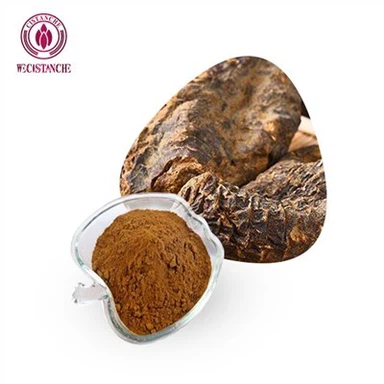
Cistanche tubulosa is widely discussed as a tonic herb in TCM and is also sold internationally as a standardized extract powder.
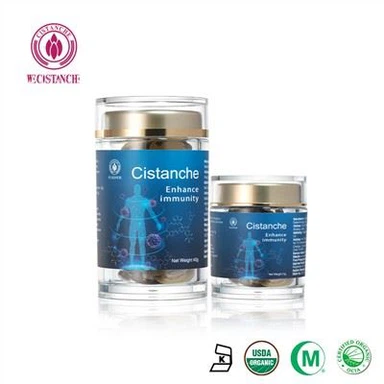
From the supplier product information you provided, WECISTANCHE describes Cistanche products with active ingredients such as echinacoside and verbascoside (acteoside), plus total glycosides and flavonoids; typical commercial specs include brown powder, ≤100 mesh, 3-year shelf life, and drum packaging, with suggested usage ranges on the page. These details are useful for B2B buyers evaluating COA markers, specification sheets, and supply logistics.
Important: when selling internationally, keep claims compliant-position as men's vitality / kidney support in TCM tradition / antioxidant support, not "treat kidney disease" or other medical claims.

5) 3 Food-Therapy Recipes (Dietary Conditioning) - Keep for Reference
Safety reminder: These are traditional food-therapy style recipes. If someone has chronic disease, is on medication, or has sleep/anxiety disorders, they should consult a qualified clinician-especially because some ingredients (e.g., cinnabar/朱砂) raise safety and regulatory issues.
Recipe 1: Longan & Ziziphus Seed Drink (Long Yan–Suan Zao Ren Juice)
Longan (Long Yan Rou) 10 g
Sour jujube seed (Suan Zao Ren) 10 g
Gorgon fruit (Qian Shi) 12 g
Use case (traditional): often used in "sleep and calming" dietary conditioning contexts.
Recipe 2: Cinnabar + Prepared He Shou Wu + Pork Heart (Zhu Sha Shou Wu Xin Pian)
Water-ground cinnabar (Shui Fei Zhu Sha) 1 g
Prepared He Shou Wu (Zhi He Shou Wu) 20 g
Pork heart 1 piece
Note (very important for international brands): cinnabar contains mercury compounds and is high risk / restricted in many markets. This recipe is included to preserve the original article's completeness, but it is not recommended for supplement commercialization in many jurisdictions.
Recipe 3: Snow Frog & Lotus Seed Dessert (Xue Ha Lian Zi Geng)
Snow frog oil (Xue Ha Gao) 5 g
Lotus seeds (Lian Zi) 30 g
White fungus (Bai Mu Er / tremella) 20 g
Rock sugar (Bing Tang) 15 g
Use case (traditional): gentle tonic-style dessert for "nourishing" dietary routines.
6) Supplier/Brand Action Points (How to Turn This Into a Compliant Product Page)
Standardize your hero ingredient
For Cistanche extract powder, buyers typically expect marker compounds on the COA, especially:
Echinacoside
Verbascoside (Acteoside)
Plus supporting specs (mesh size, moisture, solvents, heavy metals, microbes).
Build a claim-safe benefits framework
Use: "supports sleep quality," "supports stress resilience," "supports vitality," "supports antioxidant defenses."
Avoid: "treat male menopause," "treat kidney disease," "cure insomnia," etc.
Create an SEO cluster that matches buyer intent
Use content hubs like: men's vitality, energy, libido support, healthy aging, sleep support-then link internally to the standardized extract product page.
7) Keyword
Herb Extract for Men's Vitality Support
Herb Extract for Male Midlife Support
Herb Extract for Libido Support (Men)
Herb Extract for Sleep Support (Insomnia)
Herb Extract for Stress & Anxiety Support
Herb Extract for Healthy Testosterone Support (structure/function wording; compliance required)
Cistanche Extract Powder Supplier (Echinacoside, Verbascoside/Acteoside)
Rou Cong Rong Extract Bulk / OEM / Private Label Ingredient
Reference
WECISTANCHE – Cistanche Extract Anti Alzheimer's product page (specs, ingredient markers, usage, packaging, shelf life, and mechanism narrative on antioxidant/neuro-support context). citeturn0user
WECISTANCHE – Cistanche for "Nourishing Kidney" product page (specs, ingredient markers, usage, packaging, shelf life, and broader tonic narrative). citeturn0user