Is Oral Testosterone The New Frontier Of Testosterone Replacement TherapyⅠ
Jun 05, 2023
Abstract
Male hypogonadism is a condition in which the body does not produce enough testosterone, resulting in symptoms such as depressed mood, decreased sex drive, decreased skeletal muscle, and increased fat mass. Male hypogonadism can be readily treated with many available treatments when clinically indicated. The advent of readily available testosterone therapy has increased the importance of finding the most efficacious and cost-efficient treatment modality to approach these patients. Testosterone is typically administered through intramuscular or subcutaneous injections, topical gels, and oral tablets.

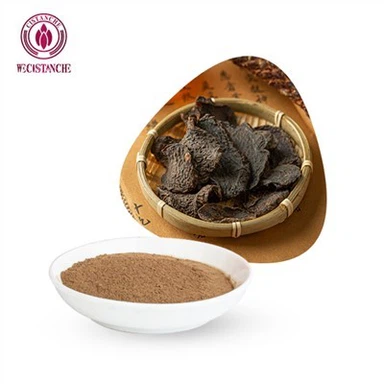
Click to cistanche tubulosa extract for a testosterone boost
The efficacy of testosterone therapy on hypogonadal men has been widely studied. However, there has been little research done comparing each modality against each other. This paper seeks to compare the various modalities of testosterone replacement therapy using various parameters such as the beneficial effects on bone mineral density, skeletal muscle mass, fat mass, and libido while simultaneously weighing the distinct undesirable side effects of each form of administration. Our investigation analyzes the methodology and results of the existing research within this field. It aims to draw a nuanced conclusion about the current standard of care for testosterone replacement therapy.
According to our research and statistical analyses, we have concluded that oral administration has shown to be as advantageous as other modalities for male hypogonadism. Currently, injectables are the modality of choice, but with the right improvements, oral administration can potentially overtake injectables and transdermal testosterone as the treatment of choice.
Keywords: trt, male hypogonadism, oral testosterone, im testosterone, transdermal testosterone
Introduction And Background
Male hypogonadism is characterized by a deficiency in the body’s innate ability to produce testosterone, usually due to some dysfunction of the hypothalamic-pituitary-gonadal axis. The characteristic sequela of testosterone deficiency is categorized by symptoms such as decreased libido and mood and signs such as decreased serum testosterone levels and a change in body composition. Changes in body composition are associated with both a decrease in skeletal muscle mass and an increase in fat mass. The use of testosterone therapy in patients with androgen deficiency syndromes has unequivocally been proven to benefit in all the parameters mentioned above [1].
Testosterone administration for the treatment of hypogonadism routinely consists of either transdermal application of specially formulated gels, intramuscular/subcutaneous injections, or oral tablets taken by mouth. Recently, the United States FDA approved the use of oral testosterone undecanoate in treating men with certain forms of hypogonadism. The American Urological Association recommends treating patients on a case-by-case basis utilizing a combination of signs and symptoms and serum testosterone levels. According to Paduch et al., no “universally accepted threshold of Testosterone (T) concentration distinguishes eugonadal from hypogonadal men” and, therefore, no current standard of care guidelines for the treatment of hypogonadism [2].

However, there are European guidelines set forth by the Endocrine Society that currently recommend 75-100mg of testosterone enanthate or cypionate administered via intramuscular injections weekly or 150-200mg administered every two weeks. One or two 5mg non-genital testosterone patches can be applied nightly over the skin of the back, thigh, or upper arm (away from pressure areas). 5-10g of a 1% testosterone gel applied daily over a covered area of non-genital skin. 30 mg of a bioadhesive buccal testosterone tablet can be applied to the buccal mucosa every 12hr.
Testosterone pellets are implanted subcutaneously (SC) at intervals of 3-6 months, with the dose and regimen varying with the formulation used. Lastly, oral testosterone undecanoate, injectable testosterone undecanoate, testosterone-in-adhesive matrix patch, and testosterone pellets were available [3]. This review summarizes the current strengths and weaknesses of oral, injectable, and transdermal testosterone administration and highlights the possible advancements in testosterone therapy in the United States.
Review
Materials & Methods
We searched ScienceDirect, MEDLINE, and PubMed databases and included publications from January 1st, 1970, to March 1st, 2021. We selected a total of thirty-three articles (including both primary and secondary studies) in which researchers examined the use of injectable, transdermal, and oral testosterone therapy along with its effects on any of the following: serum hormone levels, body composition (including skeletal muscle mass and fat mass), libido, mood, and adverse effects.
The studies were then screened for possible therapy effects on serum hormone levels, body composition (including skeletal muscle mass and fat mass), libido, mood, and adverse effects; afterward, relevant data was extracted.
Results
Injectable therapy
The traditional method for delivering androgens to the body is via injection, either intramuscularly or subcutaneously. The testosterone molecule is attached to an ester that allows it to be taken up through the tissue and delivered systemically. Testosterone enanthate and testosterone cypionate formulations are clinically available for use in the US. Both formulations require either weekly or biweekly injections to maintain stable blood levels and prevent fluctuations.
Serum Testosterone Levels
The effects of injectable testosterone on serum total and serum-free testosterone have been widely studied. In a study by Behre et al., intramuscular substitution therapy was applied to 52 patients with 250mg testosterone enanthate, injected almost every three weeks. In their study, they were able to determine that testosterone replacement therapy for up to 16 years yielded a normalization of testosterone serum levels in all patients.

Baseline levels increased from (164 ±17 ) ng/dL in untreated hypogonadal patients to (551 ± 38) ng/dL in all patients during therapy [4]. Similarly, Bhasin et al. studied the effects of 100mg testosterone enanthate given IM weekly to hypogonadal men. After 10 weeks of treatment, they found that total serum testosterone rose from (72 ± 29) ng/dL to (767 ± 182) ng/dL, and free serum testosterone increased from (19.0 ± 6.9) pg/mL to (69.0 ± 8.1) pg/mL [5].
Body Composition
In Behre et al.’s previously mentioned study, they investigated bone mineral density (BMD) changes in hypogonadal men treated with testosterone preparations over 16 years. In the 32 hypogonadal men with quantitative computed tomography (QCT) measurements before treatment, multiple regression analysis revealed a significant association of BMD with serum levels of testosterone and with age. Testosterone therapy resulted in an increase in BMD from (95.2 ± 5.9) to (120.0 ± 6.1) mg/cm3 after the first year [4]. Amory et al. also evaluated the effects of 200mg testosterone enanthate injected biweekly on the effects of bone mineral density.
After 36 months of treatment, the subjects were measured to have a (1.06 ± 0.16)% increase in lumbar spine density and a (0.75 ± 0.11)% increase in trochanteric density [6]. In terms of lean body mass, Bhasin et al found that weekly 100mg IM injections of testosterone enanthate on average produced a 5.0 ± 0.7 kg increase after 10 weeks [5].
In a study recently published by Saad et. al in February of 2019 two groups of men with hypogonadism were categorized under having no/mild erectile dysfunction and moderate/severe erectile dysfunction (ED). The patients of both groups who chose to accept testosterone therapy (TTh) were administered injections of testosterone undecanoate entirely through intervals of 3-month periods; with the exception of an initial 6-week interval.
Patients would regularly be measured for anthropometric measurements during their routine follow-ups at the practice; the data were averaged across each year. Data at the 10-year mark for follow-ups when estimated to show differences amongst both groups displayed that there was an average decrease of 18.4±0.5 kgs (no/mild ED TTh treated group) and 18.0±0.4 kg (moderate/severe ED TTh treated group). Both groups that were treated with testosterone undecanoate went on to show an average decrease in waist circumference of 10.3±0.3 cms (no/mild ED TTh treated group) and 9.5±0.3 cms (moderate/severe TTh treated group). BMI group averages also showed a drop of 5.8±0.2 kg/m2 (no/mild ED TTh treated group) and 5.8±0.1 kg/m2 (moderate/severe ED TTh treated group) [7].
Quality of Life
In the previously mentioned study by Saad et al., several quality-of-life factors were recorded to show improvement, including blood pressure, lipid quantity, urinary function, erectile function, and even AMS (aging males' symptoms) scores. Urinary function, erectile function, and AMS are measured through a questionnaire.
The questionnaires are designed to assess the effects of erection problems in a person's life (IIEF), assess the symptoms of aging between groups of aging men under different circumstances (AMS), and assess urinary function based on a set of questions concerning urinary function (IPSS). An average drop of 19.4±0.9 mmHg (no/mild ED TTh treated group) and 22.5±0.9 mmHg (moderate/severe ED TTh treated group) was recorded for systolic pressure in both TTh treated groups; an average drop of 11.5±1.0 mmHg (no/mild ED TTh treated group) and 11.1±0.8 mmHg (moderate/severe ED TTh group) for diastolic pressure.
Lipid quantity showed an average decrease in both non-HDL cholesterols by 4.1±0.2 mmol/L (no/mild ED TTh treated group) and 4.1±0.2 mmol/L (moderate/severe ED TTh treated group) and triglycerides by 1.0±0.0 mmol/L (no/mild ED TTh treated group) and 0.9±0.0 mmol/L (moderate/severe ED TTh treated group). All the while still showing an average increase in HDL cholesterol by an average of 0.4±0.0 mmol/L (no/mild ED TTh treated group) and 0.3±0.0 mmol/L (moderate/severe ED TTh treated group). Improvements in urinary function were based on scores from the IPSS, which in both TTh treated groups showed a decrease of 4.6±0.2 (no/mild ED TTh treated group) and 4.6±0.2 (moderate/severe ED TTh treated group) [7].
In a separate study on injectable testosterone therapy by Schiavi et al., a significant increase in the frequency of ejaculation and sexual desire in those receiving IM testosterone versus placebo was discovered [8]. Additional data from Saad et al. supports this, as in their study, erectile function was also measured, it was measured off IIEF-EF scores, which recorded an average increase in the TTh tested groups of 4.4±0.2 (no/mild ED TTh treated group) and 11.1±0.3 (moderate/severe ED TTh treated group).
AMS scores were recorded and showed a decrease of 31.9±0.3 (no/mild ED TTh treated group) and 27.3±0.5 (moderate/severe ED TTh treated group) in the two groups. These AMS and IIEF-EF scores were accompanied and could also be related to improving urinary function in TTh-treated groups. Improvements in urinary function were based on scores from the IPSS, which in both TTh treated groups showed a decrease of 4.6±0.2 (no/mild ED TTh treated group) and 4.6±0.2 (moderate/severe ED TTh treated group) [7].
Adverse Effects
Bhasin et al. found that AST/ALT levels after 10 weeks of injectable testosterone enanthate therapy were reduced [5]. In a study by Turner et al., patients experienced pain at the injection site up to 24 hours after treatment [9]. There is a correlation between high testosterone levels and high hemoglobin. Erythrocytosis, or polycythemia, is a known side effect of testosterone replacement therapy (TRT).

Testosterone injection is associated with a higher potential for erythrocytosis than topical preparations. Fernandez-Balsells et al. found 11 trials highlighting erythrocytosis as a prominent side effect of TRT in hypogonadal men [10]. Another study was able to demonstrate that TRT caused statistically significant increased hemoglobin levels (0.86 ± 0.31g/dl, p = 0.01) [11]. In a study by Raynaud et al., there was an elevated prostate-specific antigen (PSA) level due to IM testosterone over six years [12].
The mechanism of Cistanche boosts the testosterone effect
Cistanche has been found to boost testosterone levels in several ways. Firstly, it contains compounds known as echinacoside and acteoside, which have been shown to enhance the production of luteinizing hormone (LH) in the pituitary gland. LH stimulates the Leydig cells in the testes to produce testosterone. Cistanche also contains polysaccharides and phenylethanoid glycosides, which have been shown to have antioxidant and anti-inflammatory properties. This can help reduce oxidative stress and inflammation in the testes, which can impair testosterone production Additionally, Cistanche has been found to increase the expression of genes involved in testosterone synthesis and reduce the activity of enzymes that break down testosterone, such as 5-alpha-reductase. Overall, the combination of these mechanisms is thought to contribute to Cistanche's testosterone-boosting effects.
To be continued...