Male Menopause Isn’t “Just Kidney Deficiency”: A Practical, Symptom-First Guide To LOH (And How TCM Can Fit Modern Product Development)
Jun 30, 2026
For many Western consumers, "menopause" sounds like a women-only topic. But men can also experience an age-related hormonal transition-often described clinically as Late-Onset Hypogonadism (LOH)-where androgen (testosterone) levels gradually decline, leading to a cluster of physical and mental changes.
Compared with the sudden and obvious symptom shift many women experience, male LOH symptoms can be more subtle, but they can still significantly affect quality of life-especially in midlife and beyond.
Modern medicine often uses testosterone replacement therapy (TRT) as a core option, but TRT can involve contraindications and potential risks, so many men look for integrative approaches. This is where Traditional Chinese Medicine (TCM) can be framed in a way Western customers understand: not as abstract "energy talk," but as a pattern-based, whole-body support strategy that can be used alongside mainstream lifestyle and medical evaluation.
Compliance note (U.S./EU markets): In marketing, position botanicals as structure/function support (e.g., "supports healthy energy, mood, sexual function, and urinary comfort"), not as treatments for LOH or any disease.
1) What "Male Menopause / LOH" Looks Like in Real Life
Clinically, LOH is associated with symptom clusters such as:
Sexual function changes (lower libido, fewer morning erections, reduced performance confidence)
Mood / emotional changes (irritability, anxiety, low mood)
Physical vitality decline (fatigue, weaker performance, reduced muscle strength)
Vasomotor/autonomic symptoms (sweating episodes, hot sensations, palpitations)
In a Western-friendly translation, think of LOH as a multi-system aging-and-stress loop involving hormones, sleep, nervous system tone, metabolic health, and inflammatory/oxidative load.


2) Sexual Function Decline: "Kidney Pattern" in TCM-But Explained in Symptom Language
Common LOH-related sexual symptoms
This is often the #1 reason men seek support:
noticeably lower sex drive
reduced morning erections
less frequent sexual activity
reduced erection firmness
Modern mechanism (simple version)
Testosterone tends to decline with age. Reduced testicular responsiveness and weaker regulation along the hypothalamic–pituitary–testicular axis can contribute to lower testosterone output. Testosterone plays an important role in libido and erectile function, and low levels may influence nerve signaling and smooth-muscle relaxation in erectile tissue-leading to "performance decline."
TCM interpretation (translated)
TCM often groups these symptoms under a "Kidney" pattern (not the anatomical kidney). In TCM language, the "Kidney system" relates to reproductive function, vitality, and aging trajectory.
For Western consumers, you can position it as:
tcm herb for low libido support
tcm herb for erection performance support
tcm herb for male vitality support
Classical formula suggestion: Rehmannia Pill family (Di Huang Wan)
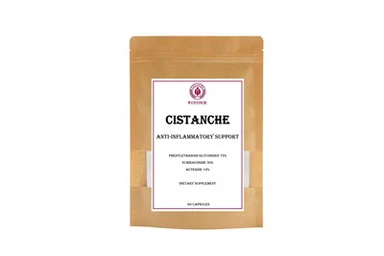
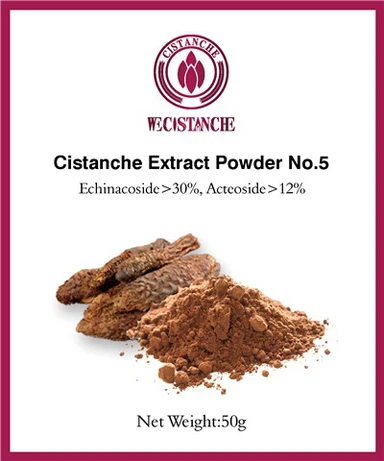
TCM Standardized Cistanche Extract Supplements Sell Overseas Now


In TCM practice, a common approach is selecting a Rehmannia-based formula depending on pattern signs:
If signs suggest "Yin deficiency" (dryness/heat-type)
Typical signs (in addition to sexual decline) can include:
low back/knee soreness
night sweats, hot sensations
irritability, insomnia
dry throat, red tongue, scant coating, thin/rapid pulse
Liu Wei Di Huang Wan (Six-Ingredient Rehmannia Pill) is traditionally chosen here. It includes:
Prepared Rehmannia (Shu Di Huang)
Cornus (Shan Zhu Yu)
Yam (Shan Yao)
Alisma (Ze Xie)
Moutan bark (Mu Dan Pi)
Poria (Fu Ling)
The "Western translation" is: restorative + fluid/nourishment support + balance (not "too cloying").
If signs suggest "Yang deficiency" (cold/low-drive-type)
Typical signs may include:
aversion to cold, preference for warmth
fatigue, low drive
cold/sore low back and knees
pale complexion, pale/swollen tongue, deep/weak pulse
Jin Gui Shen Qi Wan / Gui Fu Di Huang Wan (a warming modification of the Rehmannia pill family) is often used.
Important: These are pattern-based formulas. For brand content, present them as educational examples, and encourage professional guidance.

3) Mood Swings, Anxiety, Low Mood, Sleep Problems: Think "Liver" Pattern-But Make It Practical
Common LOH-related emotional/cognitive symptoms
mood swings, irritability
anxiety/depressed mood
lower mental sharpness
insomnia
Modern framing
Androgen decline can correlate with changes in neurotransmitter balance and brain stress response, which can affect mood and sleep quality.
TCM translation
TCM often links emotional regulation to the "Liver" system (again: a functional framework, not anatomy). When the Liver's "flow" is constrained, you may see emotional tension and poor sleep.
A clear marketing translation is:
tcm herb for mood support
tcm herb for stress support
tcm herb for sleep quality support
Classical formula suggestion: Xiao Yao San (Free & Easy Wanderer)
Traditionally used for patterns described as "Liver constraint with blood deficiency and spleen weakness," with ingredients such as:
Bupleurum (Chai Hu)
Angelica sinensis (Dang Gui)
White peony (Bai Shao)
Atractylodes (Bai Zhu)
Poria (Fu Ling)
Licorice (Zhi Gan Cao)
plus mint/ginger in some versions
A common modification for more "heat" signs is Dan Zhi Xiao Yao San (with Moutan + Gardenia).

4) Persistent Fatigue & Lower Physical Performance: "Spleen/Gut Energy" in TCM Terms
Typical symptoms
persistent fatigue, low stamina
reduced physical performance
reduced muscle strength
less robust "daily drive"
Modern framing
Lower androgens may associate with reduced muscle mass and lower metabolic efficiency, which can amplify fatigue-especially with poor sleep and stress.
TCM translation
TCM often frames this as Spleen/Stomach weakness (digestive efficiency and "postnatal energy production"). A Western consumer-friendly version is:
tcm herb for fatigue support
tcm herb for energy support
tcm herb for stamina support
Classical formula suggestion: Bu Zhong Yi Qi Tang
Often used for "qi deficiency" patterns (low energy, weak appetite, sinking feeling), with ingredients including:
Astragalus (Huang Qi)
Ginseng (Ren Shen) or substitutes
Atractylodes (Bai Zhu)
Licorice (Zhi Gan Cao)
Angelica (Dang Gui)
Citrus peel (Chen Pi)
Cimicifuga (Sheng Ma)
Bupleurum (Chai Hu)
5) Palpitations, Hot Sensations, Sweating Episodes: Autonomic/Vasomotor Support
Typical symptoms
sweating episodes, spontaneous sweating
hot sensations / "flush-like" feelings
palpitations
Modern framing
These may relate to autonomic nervous system shifts and cardiovascular adaptation as hormones change.
TCM translation
TCM often associates palpitations/sweating with "Heart" patterns (again: functional system). A Western-friendly message:
tcm herb for palpitations support
tcm herb for sweating support
tcm herb for calm focus support
Classical formula suggestion: Tian Wang Bu Xin Dan
A traditional formula often used for "heart yin/blood deficiency with restlessness/insomnia-type" presentations.
6) Screening & Prevention: What Western Readers Expect (And You Should Include)
If LOH-like symptoms appear, recommend a proper medical evaluation, typically involving blood tests such as:
total testosterone (and sometimes free testosterone)
LH/FSH
plus cardiometabolic checks (blood pressure, lipids, glucose) depending on risk profile
For prevention and symptom reduction, emphasize habits with strong consensus:
balanced diet (protein, vitamins, minerals; less excess sugar/fat/salt)
weekly activity goals (e.g., aerobic + resistance training)
sleep routine (aiming for consistent 7–8 hours)
smoking cessation, alcohol moderation
stress management
This improves credibility for Western audiences and reduces "TCM-only" skepticism.
Where Cistanche Fits: A Western-Friendly TCM Ingredient for Male Vitality Product Development
Many TCM formulas above are multi-herb prescriptions used by practitioners. For supplement brands and B2B product developers, you also need a hero ingredient that is:
recognizable
scalable
standardizable
backed by known actives and testing
That's where Cistanche (Rou Cong Rong)-especially Cistanche tubulosa extract-becomes highly practical.
In TCM tradition, Cistanche is famous for supporting:
vitality and endurance
reproductive function
"moistening" support (often discussed for bowel comfort)
healthy aging positioning

In Western symptom language, it can be framed as:
tcm herb for fatigue support
tcm herb for male vitality support
tcm herb for cognitive support (healthy aging narrative)
tcm herb for constipation support (dryness-related bowel comfort)
Why Cistanche tubulosa specifically matters for B2B buyers
For product developers, the key isn't the folklore-it's repeatable quality.
Your "About Us" positioning highlights an integrated supply chain and GMP manufacturing capacity, and you emphasize a Cistanche-focused industrial base and processing capability. (xjcistanche.com)
And your content positions Cistanche tubulosa as a modern, science-friendly botanical for men's health narratives (including prostate-support angles), which can be used as a content pillar in your brand ecosystem. (xjcistanche.com)
Practical Cistanche Formula Ideas
Below are concept-level suggestions (not medical prescriptions) you can use as product development inspiration and for content/SEO clusters:
1) Midlife Male Vitality Daily Stack (capsule)
Cistanche tubulosa extract (standardized)
Zinc + vitamin D (common Western expectations)
Optional: Panax ginseng or Rhodiola (energy narrative)
Keyword placements:
tcm herb for fatigue support
tcm herb for male vitality support
2) Mood + Sleep Wind-Down (capsule/tea)
Cistanche tubulosa extract (low-to-moderate dose)
Jujube seed / lily / magnesium glycinate (depending on regulatory strategy)
Keyword placements:
tcm herb for stress support
tcm herb for sleep support
3) Prostate & Urinary Comfort Support (capsule)
Cistanche tubulosa extract
Saw palmetto or pumpkin seed oil (Western familiar anchors)
Optional: plant sterols
Content bridge: you already have a prostate-related education page that can be referenced internally for topical authority. (xjcistanche.com)
Why Source From a Dedicated Cistanche Tubulosa Extract Factory (Xinjiang / Tarim Basin Supply Base)
For Western B2B buyers, the real question is:
Can your supplier deliver standardized actives, stable supply, and documentation-batch after batch?
Position your factory story around:
Cistanche tubulosa specialization (mainstream commercial source)
higher active marker potential via standardization (e.g., phenylethanoid glycosides like echinacoside/acteoside-your core QC language)
GMP manufacturing and integrated chain (cultivation → processing → extraction → QC) (xjcistanche.com)
export readiness (COAs, micro/heavy metals/solvents, identity tests)
Suggested on-page CTA: ask buyers for target marker specs and dosage form (capsule/tablet/drink mix), then recommend a grade.
FAQ
Is "male menopause" real?
Many clinicians discuss age-related testosterone decline and symptom clusters; evaluation is individualized
Is TCM a replacement for TRT?
Position TCM as supportive and integrative, not a replacement for medically indicated therapy.
What is the best tcm herb for fatigue in midlife men?
In TCM education, herbs and formulas are chosen by pattern. For product development, Cistanche tubulosa extract is a scalable option for "energy/vitality" positioning (structure/function).
Why use standardized Cistanche extract instead of raw herb powder?
Standardization supports predictable actives, easier QC, and consistent manufacturing.
About Us
To learn more about our integrated supply chain, manufacturing capabilities, and quality approach, please see our About Us page.
Supportive Service Of Wecistanche-For more details about cooperation
Email:wallence.suen@wecistanche.com

(xjcistanche.com)