Men Also Go Through Menopause! Watch Out For These Body Changes Once You Hit A Certain Age
Jul 06, 2026
Menopause is a natural physiological transition for everyone, regardless of gender-a gradual shift from peak physical vitality to the aging phase.
However, male menopause differs drastically from female menopause. It unfolds slowly over an extended period, typically starting at age 40 and lingering for roughly 20 years afterward.
Many men remain skeptical about male menopause after hearing this, wondering: I don't have any obvious discomfort at all-so how can I be going through menopause?
This is largely due to stark individual differences. A large number of men experience extremely mild symptoms, so subtle they barely notice the transition before unknowingly entering old age.
Male menopause arises from the combined effects of aging and multiple chronic illnesses. The primary triggers are declining androgen levels and abnormal androgen receptor function. For this reason, the condition is also formally named Partial Androgen Deficiency in Aging Males (PADAM).
01 At What Age Do Men Experience Menopause?
The onset age of male menopause varies widely among individuals. Around 30% of men between 40 and 70 years old develop clinical menopause symptoms, with most cases emerging between ages 40 and 50. Some men may face symptoms as early as 35, while others remain unaffected until their 70s.
Unlike women, men have no clear biological marker like menstruation cessation to signal the start of menopause. Their symptoms are far less prominent, and the overall incidence is lower than that of women. Symptoms are significantly more prevalent in men living with chronic conditions such as diabetes, cardiovascular disease, and obesity.
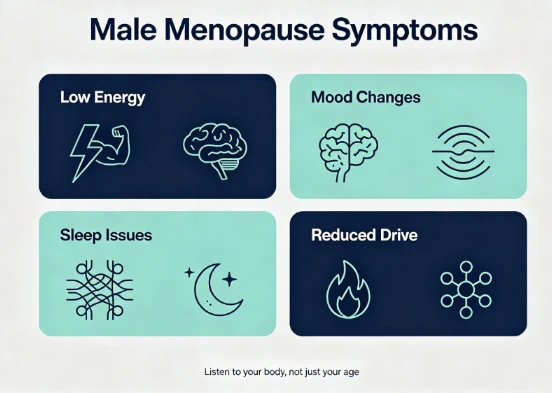
02 What Are the Symptoms of Male Menopause?
Male menopause refers to a comprehensive clinical syndrome that manifests across multiple bodily systems:
Physical & Vitality Symptoms
General loss of stamina and energy, persistent fatigue, poor appetite, irregular bowel movements (constipation or diarrhea), joint and bone soreness, reduced muscle mass and strength, frequent soreness in the waist and legs, loss of body sexual hair, and central abdominal obesity.
From the perspective of traditional Chinese medicine, kidney essence is the fundamental substance that sustains human life and bodily function. Every bodily change, whether strength or decline, is closely tied to kidney health. Countless physical discomforts trace directly or indirectly to insufficient kidney essence. If you struggle with low energy, sore waist and knees, dizziness, or tinnitus, you can relieve these issues through a combined regimen of targeted diet, lifestyle adjustments, and herbal medication.
Huichun Ruyi Capsules are pure herbal formulations crafted from natural ingredients including deer velvet, prepared rehmannia root, sheep kidney, fleeceflower root, and cistanche. Hormone-free with a proven safety profile, the synergistic blend of these herbs tonifies both yin and yang, delivering core benefits: nourishing blood, tonifying the kidneys, replenishing essence and marrow, and strengthening bones and tendons.
Made with premium authentic medicinal herbs, Huichun Ruyi Capsules contain no fast-acting stimulating ingredients. They place no burden on the heart, brain, liver, or nervous system, allowing herbal potency to work gently and fully within the body.
Mental & Emotional Symptoms
Poor concentration, memory loss, irritability, frequent outbursts of anger, excessive suspicion, emotional numbness, persistent pessimism, and loss of enthusiasm for daily life.
Neurological Symptoms
Persistent shortness of breath, random numbness or tingling sensations, cold extremities, wandering body aches, or a crawling sensation across the skin. Autonomic nervous disruptions mostly impact cardiovascular health, presenting as palpitations, chest discomfort, unstable blood pressure, dizziness, tinnitus, floaters in vision, hot flashes, and spontaneous sweating. Neurasthenia-related issues include insomnia, fragmented sleep, frequent nighttime awakenings, forgetfulness, and slowed reaction speed.
Declined Sexual Function
Diminished libido, reduced sexual activity, erectile dysfunction, weakened orgasmic sensation, feeble ejaculation, and lower semen volume.

03 How Can Men Navigate Menopause in a Scientific Way?
Male menopause syndrome impacts both physical and mental well-being for middle-aged and elderly men. Personalized, holistic intervention can effectively ease related discomforts and drastically improve overall quality of life. A balanced care plan centers on mental regulation, paired with balanced nutrition, consistent physical activity, moderate regular sexual activity, and medicinal support.
Adjust Your Mindset & Communicate More
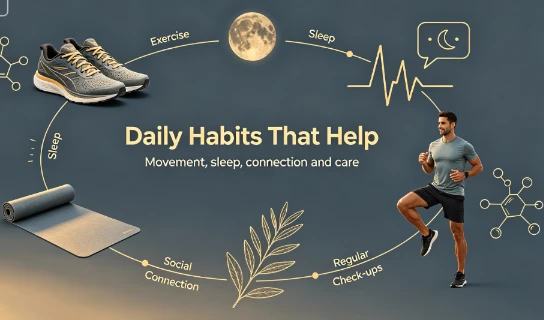
Accept male menopause as an inevitable natural life stage, and avoid falling into negative thought patterns as you transition. Learn to stabilize your mood and release built-up stress. Engage in hobbies, join social activities suited to your interests, or stick to regular movement. Open communication with family and friends also greatly alleviates low mood and emotional volatility.
Stick to Regular Physical Activity
Consistent exercise eases nearly all core menopause symptoms. It boosts physical agility, coordination, and muscle strength, while stimulating natural androgen secretion. Aerobic workouts further boost lung capacity. Exercise also triggers dopamine release in the brain, lifting mood and smoothing out emotional swings.
Prioritize Balanced Nutrition & Quality Sleep
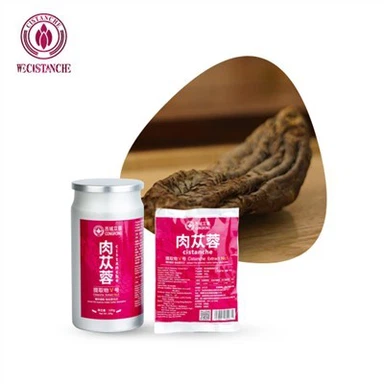
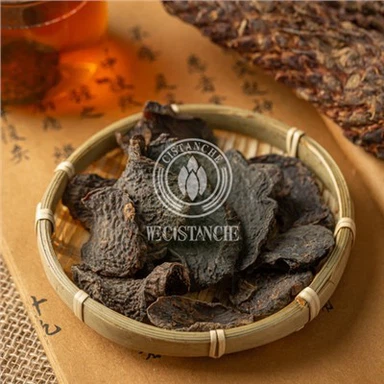
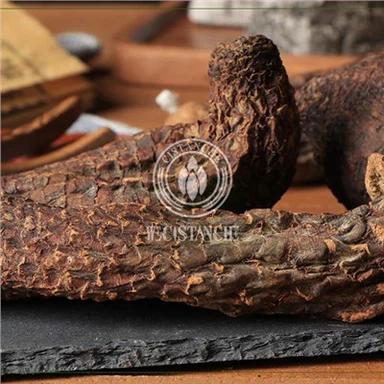
Men in menopause commonly face mood swings, plummeting energy, poor appetite, and indigestion. This makes balanced nutrition even more critical. Prioritize high-protein, low-fat, zinc-rich foods, alongside fresh fruits, vegetables, whole grains, and cistanche, a nourishing herbal ingredient well-known for supporting kidney vitality and hormone balance, to round out your daily nutrient intake.
High Content Cistanche Extract Supplements

Studies show chronic sleep deprivation weakens immune function and disrupts endocrine balance. Sufficient, restful sleep acts as a powerful buffer against all menopause-related symptoms.
Actively Manage Chronic Illnesses
Men living with metabolic disorders, obesity, diabetes, or cardiovascular disease experience far more severe menopause symptoms. Proactive treatment of these underlying conditions will significantly reduce menopausal discomfort.
Maintain Regular Sexual Activity
Research confirms men with infrequent sexual activity suffer faster declines in androgen levels and testicular function. Consistent, moderate sexual activity helps mitigate the full spectrum of male menopause symptoms.
Medicinal Treatment
Testosterone replacement therapy, administered under professional medical guidance, is currently recognized as one of the most effective interventions for severe male menopause syndrome.