Mood Symptoms And Chronic Fatigue Syndrome Due To Relapsing-Remitting Multiple Sclerosis Are Associated With Immune Activation And Aberrations in The Erythron Part 3
Aug 16, 2023
4.3. Fatigue and PP due to MS and the Erythron
The third major finding of the present study is that chronic fatigue and affective symptoms due to MS, but not MS per se, are associated with deficits in the erythron, namely, lowered numbers of RBCs, Hct, and Hb, whereas alterations in RBC indices have less impact. Thus, aberrations in RBC indices (especially increased RDW) are a hallmark of MS, but not chronic fatigue and affective symptoms due to MS. Our findings extend previous results showing that the erythron profile of MS patients indicates altered RDW values [92] and that, in MS, there is a significant association between high RDW and EDSS scores [93]. Other hemorheological features of MS comprise an increased aggregation of RBCs due to increased peripheral inflammation [92]. RBC numbers, Hb, and Hct may differ significantly between RRMS and SPMS and are lower in RRMS compared to normal controls [35]. Furthermore, major depression is associated with abnormal erythroid parameters including decreased RBCs, Hct, and Hb, probably as a consequence of the chronic mild inflammatory response during that illness [36,37]. In chronic fatigue syndrome, RBCs are less deformable and show lower membrane fluidity and zeta-surface charge compared with RBCs of healthy controls [94]. It is common knowledge that anemia and iron deficiency may cause chronic fatigue symptoms.
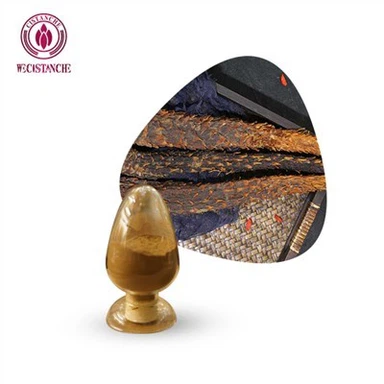
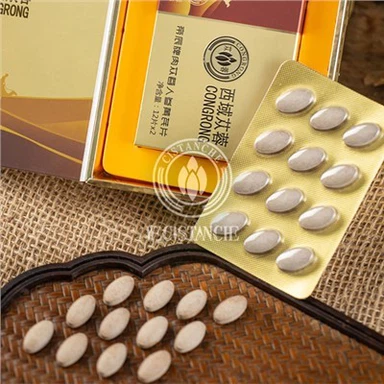
Cistanche can act as an anti-fatigue and stamina enhancer, and experimental studies have shown that the decoction of Cistanche tubulosa could effectively protect the liver hepatocytes and endothelial cells damaged in weight-bearing swimming mice, upregulate the expression of NOS3, and promote hepatic glycogen synthesis, thus exerting anti-fatigue efficacy. Phenylethanoid glycoside-rich Cistanche tubulosa extract could significantly reduce the serum creatine kinase, lactate dehydrogenase, and lactate levels, and increase the hemoglobin (HB) and glucose levels in ICR mice, and this could play an anti-fatigue role by decreasing the muscle damage and delaying the lactic acid enrichment for energy storage in mice. Compound Cistanche Tubulosa Tablets significantly prolonged the weight-bearing swimming time, increased the hepatic glycogen reserve, and decreased the serum urea level after exercise in mice, showing its anti-fatigue effect. The decoction of Cistanchis can improve endurance and accelerate the elimination of fatigue in exercising mice, and can also reduce the elevation of serum creatine kinase after load exercise and keep the ultrastructure of skeletal muscle of mice normal after exercise, which indicates that it has the effects of enhancing physical strength and anti-fatigue. Cistanchis also significantly prolonged the survival time of nitrite-poisoned mice and enhanced the tolerance against hypoxia and fatigue.

Click on Always Tired
【For more info:george.deng@wecistanche.com / WhatApp:8613632399501】
Our results suggest that aberrations in the erythrina in MS may contribute to the pathophysiology of chronic fatigue and affective symptoms due to MS. First, disorders in the erythrina resulting from activated IRS may induce the hypoxia-inducible factor (HIF) pathway leading to hypoxic damage [95] as repeatedly reported in fatigue, depression, and anxiety [96]. Second, RBCs have important antioxidant defenses including superoxide dismutase, catalase, and glutathione peroxidase activities [97], whilst hemoglobin may also serve as an antioxidant [97]. Increased lipid peroxidation, which accompanies IRS activation [98], may suppress the antioxidant defenses in the RBCs and change the morphometric features of RBCs and functions of Hb, whilst these changes may be attenuated by the administration of antioxidants [99]. Moreover, the antioxidant capacity of RBCs is reduced in MS leading to increased oxidative stress [92], which plays a key role in chronic fatigue syndrome and affective symptoms [16,98]. Thus, disturbances in RBCs and their antioxidant capacity coupled with high peripheral oxidative stress and changes in blood rheology may increase the vulnerability to oxidative damage and contribute to ischaemic tissue damage [92] and, therefore, to chronic fatigue and affective symptoms.
5. Limitations
First, the results would have been more informative if we had assessed biomarkers of oxidative stress including lipid peroxidation and RBC superoxide dismutase, autoimmune biomarkers, and neurotoxic tryptophan catabolites, which are induced during immune activation. Second, although this study was performed on a smaller study sample, the sample size was estimated a priori, based on a power of 0.8. Moreover, post hoc computation of the achieved power, given the computed effect and sample sizes and alpha, show that the power of the regression analyses shown in Table 4 ranges between 0.92 and 1.0. Third, future research should examine the differences in immune and erythrina profiles between the remission and acute relapse phases of RRMS and examine whether RRMS patients with increased immune activation show a higher relapse rate or an earlier relapse compared with RRMS patients without immune activation.
6. Conclusions
A considerable proportion of RRMS patients in remission exhibit active immune-inflammatory pathways and neuroimmune toxicity. Activated immune-inflammatory responses and an aberrant erythrina may explain the presence of chronic fatigue, affective symptoms, psychosomatic symptoms, insomnia, and autonomic symptoms throughout the remission period of RRMS. MS-related chronic fatigue and affective symptoms are caused by immunological activation and erythrocyte abnormalities. The more generalized IRS and CIRS activation, as well as the Th1 profile and Th17-axis, are therapeutic targets to prevent subsequent relapses in a subset of remitted RRMS patients. Erythron abnormalities are emerging therapeutic targets for the treatment of RRMS-related chronic fatigue, and psychosomatic and mood symptoms.

Author Contributions: A.A.A.A., A.-K.K.A.J., and H.K.H. recruited the patients and performed the sampling. The measurements of serum biomarkers were performed by A.F.A., C.T., and H.K.A.-H. The study design and statistical analysis were carried out by M.M., A.F.A., and M.M. wrote and edited the manuscript. All authors have read and agreed to the published version of the manuscript.
Funding: The study was funded by the C2F program of Chulalongkorn University, Thailand. Grant Number: 64.310/436/2565.
Institutional Review Board Statement: The approval to conduct the current study was obtained from the institutional ethics board of the College of Medical Technology, The Islamic University of Najaf, Iraq (doc. no 11/2021). In this study, we also followed Iraqi and foreign ethics and privacy rules based on the guidelines of the World Medical Association Declaration of Helsinki, the Belmont Report, CIOMS guidelines, and the International Conference on Harmonization of Good Clinical Practice. Our IRB adheres to the International Guideline for Human Research Safety (ICH-GCP).
Informed Consent Statement: Informed consent was obtained from all subjects involved in the study. Written informed consent has been obtained from the patients to publish this paper.
Data Availability Statement: After the authors have thoroughly utilized the dataset, the corresponding author (M.M.) will make all pertinent data available upon reasonable request.
Acknowledgments: We would like to express our appreciation to the individuals who worked diligently to compile the data at the Neuroscience Center of Al-Sader Medical City of Najaf, Iraq.

Conflicts of Interest: The authors have no conflict of interest associated with the submitted article.
References
1. Havrdová, E.; Preiningerova, J.L. Symptoms and diagnosis of multiple sclerosis. In Personalized Management of Multiple Sclerosis; Future Medicine Ltd.: London, UK, 2013; pp. 36–48.
2. Kallaur, A.P.; Lopes, J.; Oliveira, S.R.; Simão, A.N.; Reiche, E.M.; de Almeida, E.R.; Morimoto, H.K.; de Pereira, W.L.; Alfieri, D.F.; Borelli, S.D.; et al. Immune-Inflammatory and Oxidative and Nitrosative Stress Biomarkers of Depression Symptoms in Subjects with Multiple Sclerosis: Increased Peripheral Inflammation but Less Acute Neuroinflammation. Mol. Neurobiol. 2016, 53, 5191–5202. [CrossRef]
3. Jongen, P.J.; Ter Horst, A.T.; Brands, A.M. Cognitive impairment in multiple sclerosis. Minerva Med. 2012, 103, 73–96. [PubMed]
4. Leray, E.; Moreau, T.; Fromont, A.; Edan, G. Epidemiology of multiple sclerosis. Rev. Neurol. 2016, 172, 3–13. [CrossRef] [PubMed]
5. Hassoun, H.K.; Al-Mahadawi, A.; Sheaheed, N.M.; Sami, S.M.; Jamal, A.; Allebban, Z. Epidemiology of multiple sclerosis in Iraq: Retrospective review of 4355 cases and literature review. Neurol. Res. 2022, 44, 14–23. [CrossRef] [PubMed]
6. Lublin, F.D.; Reingold, S.C. Defining the clinical course of multiple sclerosis: Results of an international survey. Neurology 1996, 46, 907–911. [CrossRef] [PubMed]
7. Yiangou, Y.; Facer, P.; Durrenberger, P.; Chessell, I.P.; Naylor, A.; Bountra, C.; Banati, R.R.; Anand, P. COX-2, CB2 an,d P2X7- immunoreactivities are increased in activated microglial cells/macrophages of multiple sclerosis and amyotrophic lateral sclerosis s nal cord. BMC Neurol. 2006, 6, 12. [CrossRef] [PubMed]
8. Kurtzke, J.F. Rating neurologic impairment in multiple sclerosis: An expanded disability status scale (EDSS). Neurology 1983, 33, 1444–1452. [CrossRef]
9. Roxburgh, R.H.S.R.; Seaman, S.R.; Masterman, T.; Hensiek, A.E.; Sawcer, S.J.; Vukusic, S.; Achiti, I.; Confavreux, C.; Coustans, M.; le Page, E.; et al. Multiple Sclerosis Severity Score. Neurology 2005, 64, 1144. [CrossRef]
10. Lublin, F.D.; Häring, D.A.; Ganjgahi, H.; Ocampo, A.; Hatami, F.; ˇCuklina, J.; Aarden, P.; Dahlke, F.; Arnold, D.L.; Wiendl, H.; et al. How patients with multiple sclerosis acquire a disability. Brain 2022, 145, 3147–3161. [CrossRef]
11. Siotto, M.; Filippi, M.M.; Simonelli, I.; Landi, D.; Ghazaryan, A.; Vollaro, S.; Ventriglia, M.; Pasqualetti, P.; Rongioletti, M.C.A.; Squitti, R.; et al. Oxidative Stress Related to Iron Metabolism in Relapsing-Remitting Multiple Sclerosis Patients With Low Disability. Front. Neurosci. 2019, 13, 86. [CrossRef]
12. De Carvalho Jennings Pereira, W.L.; Flauzino, T.; Alfieri, D.F.; Oliveira, S.R.; Kallaur, A.P.; Simão, A.N.C.; Lozovoy, M.A.B.; Kaimen-Maciel, D.R.; Maes, M.; Reiche, E.M.V. Prolactin is Not Associated with Disability and Clinical Forms in Patients with Multiple Sclerosis. NeuroMolecular Med. 2020, 22, 73–80. [CrossRef] [PubMed]
13. Abbasi, M.; Nabavi, S.M.; Fereshtehnejad, S.M.; Ansari, I.; Zerafatjou, N.; Shayegannejad, V.; Mohammadianinejad, S.E.; Farhoudi, M.; Noorian, A.; Razazian, N.; et al. Risk factors of Multiple sclerosis and their Relation with Disease Severity: A Cross-sectional Study from Iran. Arch. Iran Med. 2016, 19, 852–860.
14. Debouverie, M. Gender as a prognostic factor and its impact on the incidence of multiple sclerosis in Lorraine, France. J. Neurol. Sci. 2009, 286, 14–17. [CrossRef]
15. Sospedra, M.; Martin, R. Immunology of Multiple Sclerosis. Semin. Neurol. 2016, 36, 115–127. [CrossRef] [PubMed]
16. Morris, G.; Maes, M. Myalgic encephalomyelitis/chronic fatigue syndrome and encephalomyelitis disseminate/multiple sclerosis show remarkable levels of similarity in phenomenology and neuroimmune characteristics. BMC Med. 2013, 11, 205. [CrossRef]
17. Bai, Z.; Chen, D.; Wang, L.; Zhao, Y.; Liu, T.; Yu, Y.; Yan, T.; Cheng, Y. Cerebrospinal Fluid and Blood Cytokines as Biomarkers for Multiple Sclerosis: A Systematic Review and Meta-Analysis of 226 Studies with 13,526 Multiple Sclerosis Patients. Front. Neurosci. 2019, 13, 1026. [CrossRef] [PubMed]
18. Morris, G.; Reiche, E.M.V.; Murru, A.; Carvalho, A.F.; Maes, M.; Berk, M.; Puri, B.K. Multiple Immune-Inflammatory and Oxidative and Nitrosative Stress Pathways Explain the Frequent Presence of Depression in Multiple Sclerosis. Mol. Neurobiol. 2018, 55, 6282–6306. [CrossRef]
19. Ormstad, H.; Simonsen, C.S.; Broch, L.; Maes, D.M.; Anderson, G.; Celius, E.G. Chronic fatigue and depression due to multiple sclerosis: Immune-inflammatory pathways, tryptophan catabolites, and the gut-brain axis as possible shared pathways. Mult. Scler. Relat. Disord. 2020, 46, 102533. [CrossRef]
20. Nagaraj, K.; Taly, A.B.; Gupta, A.; Prasad, C.; Christopher, R. Prevalence of fatigue in patients with multiple sclerosis and its effect on the quality of life. J. Neurosci. Rural Pr. 2013, 4, 278–282. [CrossRef]
21. Boeschoten, R.E.; Braamse, A.M.J.; Beekman, A.T.F.; Cuijpers, P.; van Oppen, P.; Dekker, J.; Uitdehaag, B.M.J. Prevalence of depression and anxiety in Multiple Sclerosis: A systematic review and meta-analysis. J. Neurol. Sci. 2017, 372, 331–341. [CrossRef]
22. Ayache, S.S.; Serratrice, N.; Abi Lahoud, G.N.; Chalah, M.A. Fatigue in Multiple Sclerosis: A Review of the Exploratory and Therapeutic Potential of Non-Invasive Brain Stimulation. Front. Neurol. 2022, 13, 813965. [CrossRef]
23. Peres, D.S.; Rodrigues, P.; Viero, F.T.; Frare, J.M.; Kudsi, S.Q.; Meira, G.M.; Trevisan, G. Prevalence of depression and anxiety in the different clinical forms of multiple sclerosis and associations with disability: A systematic review and meta-analysis. Brain Behav. Immun. Health 2022, 24, 100484. [CrossRef]
24. Herring, T.E.; Alschuler, K.N.; Knowles, L.M.; Phillips, K.M.; Morean, W.M.; Turner, A.P.; Ehde, D.M. Differences in correlates of fatigue between relapsing and progressive forms of multiple sclerosis. Mult. Scler. Relat. Disord. 2021, 54, 103109. [CrossRef] [PubMed]
25. Kahl, K.G.; Kruse, N.; Faller, H.; Weiss, H.; Rieckmann, P. Expression of tumor necrosis factor-alpha and interferon-gamma mRNA in blood cells correlates with depression scores during an acute attack in patients with multiple sclerosis. Psychoneuroendocrinology 2002, 27, 671–681. [CrossRef] [PubMed]
26. Pokryszko-Dragan, A.; Frydecka, I.; Kosmaczewska, A.; Ciszak, L.; Bili ´nska, M.; Gruszka, E.; Podemski, R.; Frydecka, D. Stimulated peripheral production of interferon-gamma is related to fatigue and depression in multiple sclerosis. Clin. Neurol. Neurosurg. 2012, 114, 1153–1158. [CrossRef]

27. Maes, M.; Carvalho, A.F. The Compensatory Immune-Regulatory Reflex System (CIRS) in Depression and Bipolar Disorder. Mol. Neurobiol. 2018, 55, 8885–8903. [CrossRef]
28. Michopoulos, V.; Powers, A.; Gillespie, C.F.; Ressler, K.J.; Jovanovic, T. Inflammation in Fear- and Anxiety-Based Disorders: PTSD, GAD, and Beyond. Neuropsychopharmacology 2017, 42, 254–270. [CrossRef]
29. Vasupanrajit, A.; Jirakran, K.; Tunvirachaisakul, C.; Solmi, M.; Maes, M. Inflammation and nitro-oxidative stress in current suicidal attempts and current suicidal ideation: A systematic review and meta-analysis. Mol. Psychiatry 2022, 27, 1350–1361. [CrossRef] [PubMed]
30. Maes, M.; Song, C.; Lin, A.; De Jongh, R.; Van Gastel, A.; Kenis, G.; Bosmans, E.; De Meester, I.; Benoy, I.; Neels, H.; et al. The Effects of Psychological Stress on Humans: Increased Production of Pro-Inflammatory Cytokines and Th1-Like Response in Stress-Induced Anxiety. Cytokine 1998, 10, 313–318. [CrossRef] [PubMed]
31. Kunkl, M.; Frascolla, S.; Amormino, C.; Volpe, E.; Tuosto, L. T Helper Cells: The Modulators of Inflammation in Multiple Sclerosis. Cells 2020, 9, 482. [CrossRef]
32. Maciak, K.; Dziedzic, A.; Miller, E.; Saluk-Bijak, J. miR-155 as an Important Regulator of Multiple Sclerosis Pathogenesis. A Review. Int. J. Mol. Sci. 2021, 22, 4332. [CrossRef]
33. Melnikov, M.; Lopatina, A. Th17-cells in depression: Implication in multiple sclerosis. Front. Immunol. 2022, 13, 1010304. [CrossRef] [PubMed]
34. Hon, G.M.; Hassan, M.S.; Rensburg, S.J.v.; Erasmus, R.T.; Matsha, T. The Haematological Profile of Patients with Multiple Sclerosis. Open J. Mod. Neurosurg. 2012, 2, 36–44. [CrossRef]
35. Kasprzycka, W.; Nie´spiałowska, M.; Jakubowska-Solarska, B. Blood count parameters in the course of multiple sclerosis. J. Transfus. Med. 2019, 12, 117–123. [CrossRef]
36. Vandoolaeghe, E.; De Vos, N.; Demedts, P.; Wauters, A.; Neels, H.; De Schouwer, P.; Maes, M. Reduced number of red blood cells, lowered hematocrit and hemoglobin, and increased number of reticulocytes in major depression as indicators of activation of the inflammatory response system: Effects of antidepressant drugs. Hum. Psychopharmacol. Clin. Exp. 1999, 14, 45–52. [CrossRef]
37. Maes, M.; Van de Vyvere, J.; Vandoolaeghe, E.; Bril, T.; Demedts, P.; Wauters, A.; Neels, H. Alterations in iron metabolism and the erythron in major depression: Further evidence for a chronic inflammatory process. J. Affect Disord. 1996, 40, 23–33. [CrossRef]
38. Wysoki ´nski, A.; Szczepocka, E. Red Blood Cells Parameters in Patients with Acute Schizophrenia, Unipolar Depression and Bipolar Disorder. Psychiatr. Danub. 2018, 30, 323–330. [CrossRef]
39. Polman, C.H.; Reingold, S.C.; Banwell, B.; Clanet, M.; Cohen, J.A.; Filippi, M.; Fujihara, K.; Havrdova, E.; Hutchinson, M.; Kappos, L.; et al. Diagnostic criteria for multiple sclerosis: 2010 revisions to the McDonald criteria. Ann. Neurol. 2011, 69, 292–302. [CrossRef]
40. Katz, S.; Downs, T.D.; Cash, H.R.; Grotz, R.C. Progress in development of the index of ADL. Gerontologist 1970, 10, 20–30. [CrossRef]
41. Hamilton, M. A rating scale for depression. J. Neurol. Neurosurg. Psychiatry 1960, 23, 56–62. [CrossRef]
42. Hamilton, M. The assessment of anxiety states by rating. Br. J. Med. Psychol. 1959, 32, 50–55. [CrossRef] [PubMed]
43. Zachrisson, O.; Ragland, B.; Jahreskog, M.; Kron, M.; Gottfries, C.G. A rating scale for fibromyalgia and chronic fatigue syndrome (the FibroFatigue scale). J. Psychosom. Res. 2002, 52, 501–509. [CrossRef] [PubMed]
44. Almulla, A.F.; Al-Rawi, K.F.; Maes, M.; Al-Hakeim, H.K. In schizophrenia, immune-inflammatory pathways are strongly associated with depressive and anxiety symptoms, which are part of a latent trait that comprises neurocognitive impairments and schizophrenia symptoms. J. Affect. Disord. 2021, 287, 316–326. [CrossRef]
45. Al-Hakeim, H.K.; Al-Rubaye, H.T.; Al-Hadrawi, D.S.; Almulla, A.F.; Maes, M. Long-COVID post-viral chronic fatigue and affective symptoms are associated with oxidative damage, lowered antioxidant defenses and inflammation: A proof of concept and mechanism study. Mol. Psychiatry 2022, 28, 564–578. [CrossRef]
46. Al-Hadrawi, D.S.; Al-Rubaye, H.T.; Almulla, A.F.; Al-Hakeim, H.K.; Maes, M. Lowered oxygen saturation and increased body temperature in acute COVID-19 largely predict chronic fatigue syndrome and affective symptoms due to Long COVID: A precision nomothetic approach. Acta Neuropsychiatr. 2022, 35, 76–87. [CrossRef]
47. Maes, M.; Rachayon, M.; Jirakran, K.; Sodsai, P.; Klinchanhom, S.; Gałecki, P.; Sughondhabirom, A.; Basta-Kaim, A. The Immune Profile of Major Dysmood Disorder: Proof of Concept and Mechanism Using the Precision Nomothetic Psychiatry Approach. Cells 2022, 11, 1183. [CrossRef] [PubMed]
48. Thisayakorn, P.; Thipakorn, Y.; Tantavisut, S.; Sirivichayakul, S.; Maes, M. Delirium due to hip fracture is associated with activated immune-inflammatory pathways and a reduction in negative immunoregulatory mechanisms. BMC Psychiatry 2022, 22, 369. [CrossRef]
49. Al-Hakeim, H.K.; Al-Musawi, A.F.; Al-Mulla, A.; Al-Dujaili, A.H.; Debnath, M.; Maes, M. The interleukin-6/interleukin-23/T helper 17-axis as a driver of neuro-immune toxicity in the major neurocognitive psychosis or deficit schizophrenia: A precision nomothetic psychiatry analysis. PLoS ONE 2022, 17, e0275839. [CrossRef] [PubMed]
50. Benjamini, Y.; Hochberg, Y. Controlling the False Discovery Rate: A Practical and Powerful Approach to Multiple Testing. J. R. Stat. Soc. Ser. B 1995, 57, 289–300. [CrossRef]
51. Khaibullin, T.; Ivanova, V.; Martynova, E.; Cherepnev, G.; Khabirov, F.; Granatov, E.; Rizvanov, A.; Khaiboullina, S. Elevated Levels of Proinflammatory Cytokines in Cerebrospinal Fluid of Multiple Sclerosis Patients. Front. Immunol. 2017, 8, 531. [CrossRef]
52. Rodríguez-Sáinz Mdel, C.; Sánchez-Ramón, S.; de Andrés, C.; Rodríguez-Mahou, M.; Muñoz-Fernández, M.A. Th1/Th2 cytokine balance and nitric oxide in cerebrospinal fluid and serum from patients with multiple sclerosis. Eur. Cytokine Netw. 2002, 13, 110–114.
53. Kallaur, A.P.; Oliveira, S.R.; Colado Simão, A.N.; Delicato de Almeida, E.R.; Kaminami Morimoto, H.; Lopes, J.; de Carvalho Jennings Pereira, W.L.; Marques Andrade, R.; Muliterno Pelegrino, L.; Donizete Borelli, S.; et al. Cytokine profile in relapsing-remitting multiple sclerosis patients and the association between progression and activity of the disease. Mol. Med. Rep. 2013, 7, 1010–1020. [CrossRef] [PubMed]
54. Hollifield, R.D.; Harbige, L.S.; Pham-Dinh, D.; Sharief, M.K. Evidence for Cytokine Dysregulation in Multiple Sclerosis: Peripheral Blood Mononuclear Cell Production of Pro-inflammatory and Anti-inflammatory Cytokines During Relapse and Remission. Autoimmunity 2003, 36, 133–141. [CrossRef] [PubMed]
55. Rieckmann, P.; Albrecht, M.; Kitze, B.; Weber, T.; Tumani, H.; Brooks, A.; Lüer, W.; Poser, S. Cytokine mRNA levels in mononuclear blood cells from patients with multiple sclerosis. Neurology 1994, 44, 1523–1526. [CrossRef] [PubMed]
56. Rieckmann, P.; Albrecht, M.; Kitze, B.; Weber, T.; Tumani, H.; Brooks, A.; Lüer, W.; Helwig, A.; Poser, S. Tumor necrosis factor-alpha messenger RNA expression in patients with relapsing-remitting multiple sclerosis is associated with disease activity. Ann. Neurol. 1995, 37, 82–88. [CrossRef]
57. Bertolotto, A.; Capobianco, M.; Malucchi, S.; Manzardo, E.; Audano, L.; Bergui, M.; Bradac, G.B.; Mutani, R. Transforming growth factor beta1 (TGFbeta1) mRNA level correlates with magnetic resonance imaging disease activity in multiple sclerosis patients. Neurosci. Lett. 1999, 263, 21–24. [CrossRef]
58. Mokhtarian, F.; Shi, Y.; Shirazian, D.; Morgante, L.; Miller, A.; Grob, D. Defective production of anti-inflammatory cytokine, TGF-beta by T cell lines of patients with active multiple sclerosis. J. Immunol. 1994, 152, 6003–6010. [CrossRef]
59. Brucklacher-Waldert, V.; Stuerner, K.; Kolster, M.; Wolthausen, J.; Tolosa, E. Phenotypical and functional characterization of T helper 17 cells in multiple sclerosis. Brain 2009, 132, 3329–3341. [CrossRef]
60. Kebir, H.; Ifergan, I.; Alvarez, J.I.; Bernard, M.; Poirier, J.; Arbour, N.; Duquette, P.; Prat, A. Preferential recruitment of interferon- γ–expressing TH17 cells in multiple sclerosis. Ann. Neurol. 2009, 66, 390–402. [CrossRef]
61. Kalra, S.; Lowndes, C.; Durant, L.; Strange, R.C.; Al-Araji, A.; Hawkins, C.P.; Curnow, S.J. Th17 cells increase in RRMS as well as in SPMS, whereas various other phenotypes of Th17 increase in RRMS only. Mult. Scler. J. Exp. Transl. Clin. 2020, 6, 2055217319899695. [CrossRef]
62. Babaloo, Z.; Aliparasti, M.R.; Babaiea, F.; Almasi, S.; Baradaran, B.; Farhoudi, M. The role of Th17 cells in patients with relapsing-remitting multiple sclerosis: Interleukin-17A and interleukin-17F serum levels. Immunol. Lett. 2015, 164, 76–80. [CrossRef] [PubMed]
63. Maes, M.; Nani, J.V.; Noto, C.; Rizzo, L.; Hayashi, M.A.F.; Brietzke, E. Impairments in Peripheral Blood T Effector and T Regulatory Lymphocytes in Bipolar Disorder Are Associated with Staging of Illness and Anti-cytomegalovirus IgG Levels. Mol. Neurobiol. 2021, 58, 229–242. [CrossRef] [PubMed]
64. Kamphuis, W.W.; Derada Troletti, C.; Reijerkerk, A.; Romero, I.A.; de Vries, H.E. The blood-brain barrier in multiple sclerosis: MicroRNAs as key regulators. CNS Neurol. Disord. Drug Targets 2015, 14, 157–167. [CrossRef]
65. Irizar, H.; Muñoz-Culla, M.; Sepúlveda, L.; Sáenz-Cuesta, M.; Prada, Á.; Castillo-Triviño, T.; Zamora-López, G.; López de Munain, A.; Olascoaga, J.; Otaegui, D. Transcriptomic profile reveals gender-specific molecular mechanisms driving multiple sclerosis progression. PLoS ONE 2014, 9, e90482. [CrossRef]
66. Morris, G.; Maes, M.; Murdjeva, M.; Puri, B.K. Do Human Endogenous Retroviruses Contribute to Multiple Sclerosis, and if So, How? Mol. Neurobiol. 2019, 56, 2590–2605. [CrossRef]
67. Morandi, E.; Tarlinton, R.E.; Gran, B. Multiple Sclerosis between Genetics and Infections: Human Endogenous Retroviruses in Monocytes and Macrophages. Front. Immunol. 2015, 6, 647. [CrossRef] [PubMed]
68. O’Shea, J.J.; Ma, A.; Lipsky, P. Cytokines and autoimmunity. Nat. Rev. Immunol. 2002, 2, 37–45. [CrossRef]
69. McCabe, M.P. Mood and self-esteem of persons with multiple sclerosis following an exacerbation. J. Psychosom. Res. 2005, 59, 161–166. [CrossRef]
70. Jefferies, K. The neuropsychiatry of multiple sclerosis. Adv. Psychiatr. Treat. 2006, 12, 214–220. [CrossRef]
71. Koutsouraki, E.; Hatzifilipou, E.; Michmizos, D.; Cotsavasiloglou, C.; Costa, V.; Baloyannis, S. Increase in interleukin-6 levels is related to depressive phenomena in the acute (relapsing) phase of multiple sclerosis. J. Neuropsychiatry Clin. Neurosci. 2011, 23, 442–448. [CrossRef]
72. Frei, K.; Fredrikson, S.; Fontana, A.; Link, H. Interleukin-6 is elevated in plasma in multiple sclerosis. J. Neuroimmunol. 1991, 31, 147–153. [CrossRef] [PubMed]
73. de Carvalho Jennings Pereira, W.L.; Flauzino, T.; Alfieri, D.F.; Oliveira, S.R.; Kallaur, A.P.; Simão, A.N.C.; Lozovoy, M.A.B.; Kaimen-Maciel, D.R.; Maes, M.; Reiche, E.M.V. Immune-inflammatory, metabolic and hormonal biomarkers are associated with the clinical forms and disability progression in patients with multiple sclerosis: A follow-up study. J. Neurol. Sci. 2020, 410, 116630. [CrossRef] [PubMed]
74. Leonard, B.; Maes, M. Mechanistic explanations of how cell-mediated immune activation, inflammation, and oxidative and nitrosative stress pathways and their sequels and concomitants play a role in the pathophysiology of unipolar depression. Neurosci. Biobehav. Rev. 2012, 36, 764–785. [CrossRef] [PubMed]
75. Maes, M.; Mihaylova, I.; Kubera, M.; Ringel, K. Activation of cell-mediated immunity in depression: Association with inflammation, melancholia, clinical staging and the fatigue and somatic symptom cluster of depression. Prog. Neuro-Psychopharmacol. Biol. Psychiatry 2012, 36, 169–175. [CrossRef]
76. Moylan, S.; Maes, M.; Wray, N.R.; Berk, M. The neuro progressive nature of major depressive disorder: Pathways to disease evolution and resistance, and therapeutic implications. Mol. Psychiatry 2013, 18, 595–606. [CrossRef]
77. Maes, M.; Anderson, G.; Kubera, M.; Berk, M. Targeting classical IL-6 signaling or IL-6 trans-signaling in depression? Expert Opin. Ther. Targets 2014, 18, 495–512. [CrossRef]
78. Cui, M.; Dai, W.; Kong, J.; Chen, H. Th17 Cells in Depression: Are They Crucial for the Antidepressant Effect of Ketamine? Front. Pharmacol. 2021, 12, 649144. [CrossRef]
79. Nadeem, A.; Ahmad, S.F.; Al-Harbi, N.O.; Fardan, A.S.; El-Sherbeeny, A.M.; Ibrahim, K.E.; Attia, S.M. IL-17A causes depressionlike symptoms via NFκB and p38MAPK signaling pathways in mice: Implications for psoriasis associated depression. Cytokine 2017, 97, 14–24. [CrossRef]
80. Kim, J.; Kim, J.-H.; Chang, K.-A. Sex Difference in Peripheral Inflammatory Biomarkers in Drug-Naïve Patients with Major Depression in Young Adulthood. Biomedicines 2021, 9, 708. [CrossRef]
81. Morris, G.; Maes, M. A neuro-immune model of Myalgic Encephalomyelitis/Chronic fatigue syndrome. Metab. Brain Dis. 2013, 28, 523–540. [CrossRef]
82. Vieira, M.M.; Ferreira, T.B.; Pacheco, P.A.; Barros, P.O.; Almeida, C.R.; Araújo-Lima, C.F.; Silva-Filho, R.G.; Hygino, J.; Andrade, R.M.; Linhares, U.C.; et al. Enhanced Th17 phenotype in individuals with generalized anxiety disorder. J. Neuroimmunol. 2010, 229, 212–218. [CrossRef] [PubMed]
83. Mikova, O.; Yakimova, R.; Bosmans, E.; Kenis, G.; Maes, M. Increased serum tumor necrosis factor-alpha concentrations in major depression and multiple sclerosis. Eur. Neuropsychopharmacol. 2001, 11, 203–208. [CrossRef] [PubMed]
84. Maes, M.; Sirivichayakul, S.; Matsumoto, A.K.; Maes, A.; Michelin, A.P.; de Oliveira Semeão, L.; de Lima Pedrão, J.V.; Moreira, E.G.; Barbosa, D.S.; Geffard, M.; et al. Increased Levels of Plasma Tumor Necrosis Factor-α Mediate Schizophrenia Symptom Dimensions and Neurocognitive Impairments and Are Inversely Associated with Natural IgM Directed to Malondialdehyde and Paraoxonase 1 Activity. Mol. Neurobiol. 2020, 57, 2333–2345. [CrossRef] [PubMed]
85. Prajeeth, C.K.; Kronisch, J.; Khorooshi, R.; Knier, B.; Toft-Hansen, H.; Gudi, V.; Floess, S.; Huehn, J.; Owens, T.; Korn, T.; et al. Effectors of Th1 and Th17 cells act on astrocytes and augment their neuroinflammatory properties. J. Neuroinflammation. 2017, 14, 204. [CrossRef] [PubMed]
86. Feinstein, A.; Roy, P.; Lobaugh, N.; Feinstein, K.; O’Connor, P.; Black, S. Structural brain abnormalities in multiple sclerosis patients with major depression. Neurology 2004, 62, 586–590. [CrossRef]
87. Khatibi, A.; Moradi, N.; Rahbari, N.; Salehi, T.; Dehghani, M. Development and Validation of Fear of Relapse Scale for RelapsingRemitting Multiple Sclerosis: Understanding Stressors in Patients. Front. Psychiatry 2020, 11, 226. [CrossRef]
88. Hanken, K.; Sander, C.; Schlake, H.-P.; Kastrup, A.; Eling, P.; Hildebrandt, H. Fatigue in Multiple Sclerosis is related to relapses, autonomic dysfunctions, and introversion: A quasi-experimental study. Mult. Scler. Relat. Disord. 2019, 36, 101401. [CrossRef]
89. Moore, P.; Hirst, C.; Harding, K.E.; Clarkson, H.; Pickersgill, T.P.; Robertson, N.P. Multiple sclerosis relapses and depression. J. Psychosom. Res. 2012, 73, 272–276. [CrossRef]
90. Šabanagi´c-Hajri´c, S.; Sulji´c, E.; Kuˇcukali´c, A. Fatigue during multiple sclerosis relapse and its relationship to depression and neurological disability. Psychiatr. Danub. 2015, 27, 406–412.
91. Maes, M.; Twisk, F.N.M.; Ringel, K. Inflammatory and Cell-Mediated Immune Biomarkers in Myalgic Encephalomyelitis/Chronic Fatigue Syndrome and Depression: Inflammatory Markers Are Higher in Myalgic Encephalomyelitis/Chronic Fatigue Syndrome than in Depression. Psychother. Psychosom. 2012, 81, 286–295. [CrossRef]
92. Groen, K.; Maltby, V.E.; Sanders, K.A.; Scott, R.J.; Tajouri, L.; Lechner-Scott, J. Erythrocytes in multiple sclerosis—forgotten contributors to the pathophysiology? Mult. Scler. J. Exp. Transl. Clin. 2016, 2, 2055217316649981. [CrossRef]
93. Peng, Y.F.; Cao, W.Y.; Zhang, Q.; Chen, D.; Zhang, Z.X. Assessment of the Relationship Between Red Cell Distribution Width and Multiple Sclerosis. Medicine 2015, 94, e1182. [CrossRef] [PubMed]
94. Saha, A.K.; Schmidt, B.R.; Wilhelmy, J.; Nguyen, V.; Abugherir, A.; Do, J.K.; Nemat-Gorgani, M.; Davis, R.W.; Ramasubramanian, A.K. Red blood cell deformability is diminished in patients with Chronic Fatigue Syndrome. Clin. Hemorheol. Microcirc. 2019, 71, 113–116. [CrossRef]
95. Deng, W.; Feng, X.; Li, X.; Wang, D.; Sun, L. Hypoxia-inducible factor 1 in autoimmune diseases. Cell. Immunol. 2016, 303, 7–15. [CrossRef]
96. Zhao, F.; Yang, J.; Cui, R. Effect of Hypoxic Injury in Mood Disorder. Neural. Plast. 2017, 2017, 6986983. [CrossRef] [PubMed]
97. Jó´zwik, M.; Jó´zwik, M.; Jó´zwik, M.; Szczypka, M.; Gajewska, J.; Laskowska-Klita, T. Antioxidant defense of red blood cells and plasma in stored human blood. Clin. Chim. Acta 1997, 267, 129–142. [CrossRef] [PubMed]
98. Maes, M.; Galecki, P.; Chang, Y.S.; Berk, M. A review on the oxidative and nitrosative stress (O&NS) pathways in major depression and their possible contribution to the (neuro)degenerative processes in that illness. Prog. Neuropsychopharmacol. Biol. Psychiatry 2011, 35, 676–692. [CrossRef]
99. Revin, V.V.; Gromova, N.V.; Revina, E.S.; Samonova, A.Y.; Tychkov, A.Y.; Bochkareva, S.S.; Moskovkin, A.A.; Kuzmenko, T.P. The Influence of Oxidative Stress and Natural Antioxidants on Morphometric Parameters of Red Blood Cells, the Hemoglobin Oxygen Binding Capacity, and the Activity of Antioxidant Enzymes. Biomed. Res. Int. 2019, 2019, 2109269. [CrossRef] [PubMed]
Disclaimer/Publisher’s Note: The statements, opinions, and data contained in all publications are solely those of the individual author(s) and contributor(s) and not of MDPI and/or the editor(s). MDPI and/or the editor(s) disclaim responsibility for any injury to people or property resulting from any ideas, methods, instructions, or products referred to in the content.
【For more info:george.deng@wecistanche.com / WhatApp:8613632399501】