Multidirectional Activity Of Bakuchiol Against Cellular Mechanisms Of Facial Aging - Experimental Evidence For A Holistic Treatment Approach Part 2
Jun 16, 2023
Antioxidative power
Electron spin resonance was applied to assay the AP of test substances, whereby a solution of 1 ppm vitamin C is defined as 1 AU. Retinol had a longer reaction time (2.59min) than bakuchiol (0.99min) or vitamin C (0.24min) indicating a lower reactivity of retinol with free radicals. Further, the wc values showed that bakuchiol (0.028mg) had an increased capacity to react with free radicals compared to retinol (0.151mg). Both these characteristics lead to an AP value of 12 125AU for bakuchiol and 848AU for retinol (Figure 2b).

Determination of anti-inflammatory effects
For the investigation of the (ii) anti-inflammatory effects of bakuchiol and retinol, we determined the level of the proinflammatory cytokines PGE2 and MIF.
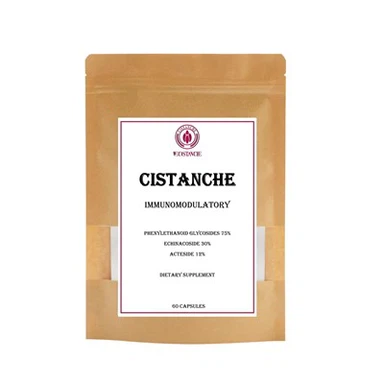
Glycoside of cistanche can also increase the activity of SOD in heart and liver tissues, and significantly reduce the content of lipofuscin and MDA in each tissue, effectively scavenging various reactive oxygen radicals (OH-, H₂O₂, etc.) and protecting against DNA damage caused by OH-radicals. Cistanche phenylethanoid glycosides have a strong scavenging ability of free radicals, a higher reducing ability than vitamin C, improve the activity of SOD in sperm suspension, reduce the content of MDA, and have a certain protective effect on sperm membrane function. Cistanche polysaccharides can enhance the activity of SOD and GSH-Px in erythrocytes and lung tissues of experimentally senescent mice caused by D-galactose, as well as reduce the content of MDA and collagen in lung and plasma, and increase the content of elastin, have a good scavenging effect on DPPH, prolong the time of hypoxia in senescent mice, improve the activity of SOD in serum, and delay the physiological degeneration of lung in experimentally senescent mice With cellular morphological degeneration, experiments have shown that Cistanche has the good antioxidant ability and has the potential to be a drug to prevent and treat skin aging diseases. At the same time, echinacoside in Cistanche has a significant ability to scavenge DPPH free radicals and can scavenge reactive oxygen species, prevent free radical-induced collagen degradation, and also has a good repair effect on thymine free radical anion damage.

Click on How to Take Antioxidant Cistanche
【For more info:george.deng@wecistanche.com / WhatApp:86 13632399501】
PGE2 levels
Prostaglandin E2 levels of LPS-treated HDFs were significantly elevated relative to the untreated control (p=0.0005) indicating successful stress induction (Figure 2c). As expected, the pharmacologically well-known high-standard diclofenac induced significantly decreased PGE2 levels in LPS-treated HDFs compared to the stressed control (p=0.0005). In LPS- and bakuchiol-treated cells, PGE2 levels were significantly reduced relative to HDFs only treated with LPS (p=0.0005 for all indicated concentrations). Application of retinol at concentrations equal to or higher than 2.5 μM also significantly diminished PGE2 levels about the stressed control (2.5 μM: p=0.0024; 5 and 10 μM: p=0.0005).
MIF protein levels
As depicted in Figure 2d, stressed control HDFs displayed a significant increase in MIF protein levels relative to the unstressed control (p=0.0020) demonstrating efficient stress induction. Treatment of stressed HDFs with bakuchiol resulted in significantly decreased MIF protein levels (1 μM: p=0.0020; 10 μM: p=0.0039) compared to the stressed control. The application of retinol also significantly lowered MIF protein levels (1 and 10 μM: p=0.0020).
Analysis of cell activity
To examine the impact of bakuchiol and retinol on (iii) cell activity, FGF7 protein levels and WST-1 metabolization were measured.
Determination of FGF7 protein levels
Treatment of HDFs with 10 μM bakuchiol significantly increased FGF7 protein levels relative to control cells (p = 0.0396), while 10 μM retinol displayed no significant effect (Figure 3a).
Determination of WST-1 metabolization
As illustrated in Figure 3b, triton-X significantly lowered WST-1 metabolization levels in HDFs relative to control cells (p = 0.0000) indicating proper assay implementation. HDFs treated with 1 and 10 μM bakuchiol displayed significantly increased WST-1 metabolization levels compared to the control (p = 0.0000 for both concentrations). Treatment with 1 μM retinol also caused a significant augmentation of WST-1 metabolization levels (p = 0.0066) relative to control cells, while 10 μM retinol had no significant effect.
Expression of ECM components
To assess bakuchiol- and retinol-mediated effects on the expression of (iv) ECM components, we determined COL7A1, COL1A1, and FN protein expression.
Determination of COL7A1 and COL1A1 protein levels
COL7A1 protein levels in cells treated with the high standard TGF-β and sodium ascorbate were significantly higher relative to control cells (4 h: p=0.0020, 72 or 96h: p=0.0010) as displayed in Figure 3c. Treatment of cells with bakuchiol or retinol in a concentration of 1 μM (p=0.0020 for both test substances) and 10 μM (bakuchiol: p=0.0195, retinol: p=0.0059) significantly augmented COL7A1 protein levels already after 4 h compared to the control. After an extended incubation time, HDFs stimulated with 10 μM bakuchiol or retinol also displayed a significant increase in COL7A1 protein levels(bakuchiol: p=0.0029, retinol: p = 0.0420) relative to control cells.
HDFs treated with the high standard TGF-β and sodium ascorbate additionally showed a significant increase in COL1A1 protein levels (p = 0.0010) as shown in Figure 3d. Similarly, COL1A1 protein levels were significantly increased after 4 h of stimulation with bakuchiol (1 μM: p = 0.0020, 10 μM: p = 0.0322) or retinol (1 μM: p = 0.0244, 10 μM: p = 0.0098) relative to control cells.
Determination of FN protein levels
Figure 3e illustrates that HDFs treated with 10 μM bakuchiol or retinol demonstrated a significant increase in FN protein levels (bakuchiol: p = 0.0090, retinol: p = 0.0302) relative to control cells.
Study I: Ex vivo determination of FN protein levels
An ex vivo study was carried out to investigate whether the previous data translate into ex vivo results. As depicted in Figure 4a, bakuchiol-treated sites showed a statistically significant increase in FN protein levels in untreated control areas (p = 0.0340) and areas treated with vehicle (p = 0.0088). Retinol-treated sites displayed no significant alteration of FN protein levels in untreated or vehicle-treated areas. However, incompatibility reactions caused a lower number of subjects tested for retinol treatment (untreated: n = 26, vehicle: n = 29, bakuchiol: n = 30, retinol: n = 19). Additional minor deviations in the number of subjects tested were caused by sampling issues.

Improvement of the epidermal regeneration and re-epithelization
To study the effects of bakuchiol and retinol on (v) epidermal regeneration and re-epithelization, an in vitro wound healing model was applied. Figure 4b illustrates that bakuchiol-treated wounds showed a significant increase in the length of the regenerated epidermis about untreated (p=0.0251) and control wounds (p=0.0102). In contrast, wounds supplemented with retinol displayed no significant change in the length of the regenerated epidermis compared to both controls. Figure 4c exemplifies the progress of wound healing 43h after bakuchiol or retinol treatment as well as in control and untreated wounds.
Study II: In vivo determination of skin condition improvement
After 12 weeks of treatment with the bakuchiol-containing formulation (t1), subjects(n = 34)rated the difference in the youthful appearance of their skin to the baseline determination (t0) with a mean t1-t0 value of 2.57±2.14. Compared to the t1-t0 value of the vehicle-treated site (2.06±1.89), the youthfulness of the bakuchiol-treated area was rated as significantly improved (p = 0.0275). Both treatments were rated as significantly better than the baseline (p = 0.0000).
In vivo studies: Tolerability
Results showed that the bakuchiol-containing formulation in both in vivo studies was well tolerated. Over the entire duration of usage, one adverse skin reaction was observed, which was documented for both the bakuchiol-containing formulation and the vehicle. After treatment with retinol-containing formulations in Study I, 23% of the entire panel of 52 subjects reported incompatibility reactions such as erythema, desquamation, dryness, and itching, which led to the dropout of five subjects.
DISCUSSION
Previous studies have implied that bakuchiol acts as a functional analog of retinol [19–21]. Bakuchiol, thus, appears to be a promising alternative to retinol for facial anti-aging treatments. As cellular aging is multifactorial, we investigated the effects of bakuchiol in comparison to retinol on different key processes to analyze its potential for a holistic treatment approach.
As depicted in (Table S1), we determined the (i) antioxidative and (ii) anti-inflammatory capacities of bakuchiol and retinol. We further analyzed how they influence (iii) cell activation, impact the formation of (iv) ECM components, and (v) skin regeneration. In our investigation, we determined that bakuchiol shares functional similarities with retinol and at the same time exhibits unique, beneficial characteristics (Figure 5).

Our data demonstrated that bakuchiol but not retinol showed a high (i) antioxidative capacity and power. These data are in line with previous studies illustrating that bakuchiol decreases oxidative stress, prevents mitochondrial lipid peroxidation, and protects mitochondrial function [22, 24, 38]. Retinol, however, has not been reported to exert antioxidative actions.
As the induction of ROS leads to inflammatory stress, we investigated the effects of bakuchiol and retinol on the expression of the two (ii) proinflammatory cytokines PGE2 and MIF.
We first analyzed PGE2, which is a major prostaglandin generated in the human skin. PGE2 reduces collagen production and induces matrix metalloproteinase 1 (MMP-1) expression in fibroblasts in vitro [39]. These PGE2-mediated processes are cutaneous aging mechanisms [39]. Thus, targeting PGE2 might be a promising strategy to oppose age-associated collagen depletion [40]. Normally, low amounts of PGE2 are synthesized. However, in skin aging, fibroblasts show elevated PGE2 levels [40, 41]. Herein, we show for the first time that bakuchiol and retinol significantly reduce PGE2 levels in HDFs in a dose-dependent fashion. However, the effect induced by retinol was less pronounced than by bakuchiol. Our results are supported by a previous study using an in vivo inflammation model in which topically applied bakuchiol significantly reduced the PGE2 content in the arachidonic acid-induced response [42]. Similarly, retinoids were shown to suppress PGE2 expression in human oral epithelial cells [43] and in human oral squamous carcinoma cells [44].

MIF is another proinflammatory cytokine that is ubiquitously expressed in various organs including the skin [45]. It is crucial for cell proliferation, angiogenesis, and differentiation [46]. In the context of photoaging, both UVA and UVB irradiation increases MIF secretion by keratinocytes and dermal fibroblasts[46, 47]. Urschitz et al. reported a 4-fold upregulation of MIF mRNA in photoaged preauricular skin [48]. Our results showed a significant, similar reduction of MIF protein levels in HDFs induced by bakuchiol and retinol indicating anti-inflammatory properties. Indeed, it has been evidenced by earlier studies that bakuchiol exerts anti-inflammatory actions [19, 25– 27, 38]. However, the regulation of MIF protein levels by bakuchiol or retinol has not yet been documented.
Although PGE2 and MIF are both increased in cutaneous aging [46, 49], their regulation occurs via two different signaling pathways. Therefore, the bakuchiol- and retinol-induced decreases of both factors represent a broad anti-inflammatory approach in antiageing treatment.
Oxidative and inflammatory stresses put the regenerative capacity of the skin at serious risk. Further, cutaneous regeneration diminishes with age. We, therefore, investigated the effect of bakuchiol and retinol on the cutaneous regenerative capacity by analyzing (iii) cell activity.
Keratinocytes are proposed to stimulate fibroblasts to synthesize growth factors, which, in turn, stimulate keratinocyte proliferation in a double paracrine manner [50]. The growth factor FGF7 is an example of such a mitogen [51]. It is also referred to as keratinocyte growth factor-1 [51] and enhances the proliferation of keratinocytes [52] as well as their interaction with ECM components [53]. Our study demonstrates that bakuchiol-treated HDFs showed significantly increased FGF7 protein levels. In contrast, FGF7 protein levels were slightly reduced by retinol treatment. This novel finding indicates that bakuchiol might support skin regeneration and repair processes by directly upregulating keratinocytes and indirectly increasing fibroblast proliferation. Bakuchiol thereby acts against the decline of growth factor levels that occurs during aging [54].
Another factor that impacts the regenerative potential of the skin is the age-associated reduction in the number [55] and growth rate [56] of dermal fibroblasts. Since an increase in WST-1 metabolism indicates improved cell viability [57], proliferation [58], and metabolic activity [59], we analyzed WST-1 metabolization after the application of bakuchiol or retinol. Our results suggest that bakuchiol and to a certain extent also retinol can stimulate these cell activity-related characteristics in HDFs.
In line with the reduction of cell activity, aging skin is characterized by diminished production of collagen and other ECM components as well as an augmented MMP expression [60–65]. These alterations result in ECM damage, disturbed skin functions, and subsequently the formation of wrinkles. We hypothesized that the increased fibroblast activity and decreased PGE2 and MIF levels mediated by bakuchiol could promote ECM components. Indeed, Chaudhuri and co-workers showed that bakuchiol upregulates COL1A1 on gene and protein levels [19]. To investigate the effects of bakuchiol and retinol on the ECM of HDFs, we analyzed protein expression of the (iv) structural ECM factors COL1A1 and COL7A1 and the ECM adhesion factor FN.
COL1A1 is the most abundant structural protein in the skin [66]. However, aged fibroblasts display a reduced capacity for collagen synthesis [67]. COL7A1 forms anchoring fibrils in dermo-epidermal junctions and enhance mechanical skin stability [68]. During photo-aging, COL7A1 levels decrease causing a weakened bond between the dermis and epidermis [69–71].
Our data demonstrate that bakuchiol and retinol increase COL1A1 levels confirming earlier observations. A previous study found that bakuchiol significantly enhances expression levels of COL1 mRNA and significantly reduces MMP-1 mRNA levels [72]. COL1A1 gene expression was shown to be augmented in vivo after 4 weeks of 0.1% retinol treatment [73]. Topical application of 0.4% retinol also significantly increased COL1A1 protein expression in the ECM in aged human skin in vivo [74]. However, our data clarify that in HDFs, COL1A1, and COL7A1 protein expression are increased already 4 h after stimulation with bakuchiol and retinol. We further show that COL7A1 protein expression persists at least for 72h.
Another factor we investigated was the ubiquitous ECM adhesion protein FN found in two isoforms, namely plasma and cellular FN. It plays a crucial role in developmental processes, cell adhesion, migration, and differentiation [75, 76]. Cellular FN is generated and assembled into fibril networks, impacting ECM homeostasis and ECM-cell interactions [77]. Chronic UV exposure leads to a down-regulation of FN gene expression in human skin biopsies [78]. Our data revealed a significant upregulation of cellular FN protein expression in HDFs after stimulation with bakuchiol and retinol. A previous in vivo study shows that topical treatment with 0.4% retinol leads to significantly increased FN protein levels in the ECM of aged human skin [74]. It has not yet been reported, though, that application of bakuchiol can induce enhanced FN protein expression in HDFs. To analyze whether these in vitro data translate into in vivo results, we determined the effect of bakuchiol and retinol on FN protein levels in an ex vivo study. After a 4-week application, bakuchiol-treated areas showed a significant increase in FN protein values compared to the vehicle. Retinol application also resulted in augmented FN protein levels; however, this effect was not significant. This might be caused by retinol-mediated incompatibility reactions that reduced the number of subjects tested.

As a major component of the ECM, FN plays a crucial role in wound healing, being essential for tissue formation and connective tissue repair. FN functions in all phases of wound healing and thereby interacts with different cell types to build the ECM [79]. FGF7 is another important factor for wound healing. In acute human wounds, FGF7 gene expression is rapidly up-regulated. FGF7 mostly locates in dermal fibroblasts adjacent to the wound and in fibroblasts of the granulation tissue [52]. The wound healing process is delayed with aging [80]. This is due to impaired cell proliferation and migration of fibroblasts and keratinocytes, a diminished reaction to growth factors, and a decreased synthesis of ECM components [80]. These observations correlate with the general changes occurring during skin aging [81]. Following aesthetic procedures such as Fraxel laser treatment the generation of micro-wounds initiates microscopic wound healing processes leading to improved skin structure and rejuvenation [82]. Therefore, the ability of antiageing compounds to stimulate regenerative processes can indicate their skin rejuvenating potential. Considering the involvement of FN and FGF7 in wound healing and the bakuchiol-induced upregulation of these factors in vitro, we next determined the effects of bakuchiol and retinol on (v) epithelial regeneration. Therefore, an in vitro wound healing model was applied [34]. The length of the regenerated epidermis of bakuchiol-treated wounds was significantly increased, while retinol had no effect. These data reflect the more pronounced in vitro effect of bakuchiol on the wound healing-associated parameters FGF7, FN, and cellular metabolic activity when compared to retinol.
To determine whether bakuchiol, besides its positive activities, also improves the perceived skin appearance, a second self-grading based in vivo study was performed. Study participants graded the youthfulness of their facial skin. When compared to baseline self-grading at t0, treatment with both the vehicle and the bakuchiol-containing formulation for 12 weeks significantly enhanced the perceived skin appearance. The vehicle was selected to be as little nourishing as possible. However, a certain improvement in self-grading, especially regarding measurement at t0 after 3days of not using any skin care products, cannot be excluded. Nonetheless, after the application of the bakuchiol-containing formulation, subjective grading of the youthful skin appearance was significantly increased compared to the corresponding vehicle about t1-t0 values.
In our in vivo studies, bakuchiol had good skin compatibility. This is in line with a previous study showing that a bakuchiol-containing moisturizer was well tolerated in subjects with sensitive skin [18]. In contrast, the retinol application performed in the study caused skin irritations in several volunteers. It is well-documented that retinol can induce various skin issues including erythema, itching, desquamation, or papules [6, 14]. Further, retinoids are associated with photosensitization and are degraded by exposure to air or light to biologically inactive substances [11]. Hence, the efficacy of retinol in an antiageing treatment strongly depends on its delivery mode. Bakuchiol, on the other hand, is photostable and can be applied diurnally. The photostabilizing effect of bakuchiol on retinol, as demonstrated by Chaudhuri et al. [83], provides a promising rationale for the combination of both compounds.
Our results expand the scientific knowledge about bakuchiol and advance our understanding of cutaneous effects exerted by retinol. Figure 5 summarizes the proposed actions of Bakuchiol. Moreover, our data provide evidence for the multidirectional efficacy of bakuchiol against several cellular hallmarks of skin aging, exceeding the effects of plant-derived functional retinoid analogs.
CONCLUSION
Treatment with bakuchiol provides an advanced, holistic, and multidirectional treatment approach for skin aging as it acts (i) antioxidative, (ii) anti-inflammatory, impacts (iii) cell activity, increases the expression of critical (iv) ECM components and improves (v) epidermal regeneration and re-epithelization.
ACKNOWLEDGEMENTS
The authors would like to thank Dr. Silke Gallinat for her support in preparing the manuscript.
CONFLICT OF INTEREST
Anika Bluemke, Annika P. Ring, Jeannine Immeyer, Anke Hoff, Tanya Eisenberg, Wolfram Gerwat, Franziska Meyer, SabrinaBreitkreutz,LinaM. Klinger, FrankRippke, and Dorothea Schweiger are employees of Beiersdorf AG. Grit Sandig and Marietta Seifert are employees of the Gematria Test Lab GmbH. Doerte Segger is an employee of the SGS Institute Fresenius GmbH. None of the authors state a conflict of interest.

REFERENCES
1. Zouboulis CC, Makrantonaki E, Nikolakis G. When the skin is in the center of interest: an aging issue. Clin Dermatol. 2019;37(4):296–305.
2. Silva SAME, Michniak-Kohn B, Leonardi GR. An overview of oxidation in clinical practice of skin aging. A Bras Dermatol. 2017;92:367–74.
3. Kligman LH, Duo CH, Kligman AM. Topical retinoic acid enhances the repair of ultraviolet-damaged dermal connective tissue. Connect Tissue Res. 1984;12:139–50.
4. Shin JW, Kwon SH, Choi JY, Na JI, Huh CH, Choi HR, et al. Molecular mechanisms of dermal aging and antiaging approaches. Int J Mol Sci. 2019;20:E2126.
5. Kim HJ, Bogdan NJ, D'Agostaro LJ, Gold LI, Bryce GF. Effect of topical retinoic acids on the levels of collagen mRNA during the repair of UVB-induced dermal damage in the hairless mouse and the possible role of TGF-beta as a mediator. J Invest Dermatol. 1992;98:359–63.
6. Kang S, Duell EA, Fisher GJ, Datta SC, Wang ZQ, Reddy AP, et al. Application of retinol to human skin in vivo induces epidermal hyperplasia and cellular retinoid binding proteins characteristic of retinoic acid but without measurable retinoic acid levels or irritation. J Invest Dermatol. 1995;105:549–56.
7. Bailly J, Crettaz M, Schifflers MH, Marty JP. In vitro metabolism by human skin and fibroblasts of retinol, retinal and retinoic acid. Exp Dermatol. 1998;7:27–34.
8. Varani J, Warner RL, Gharaee-Kermani M, Phan SH, Kang S, Chung JH, et al. Vitamin A antagonizes decreased cell growth and elevated collagen-degrading matrix metalloproteinases and stimulates collagen accumulation in naturally aged human skin. J Invest Dermatol. 2000;114:480–6.
9. Kang S. The mechanism of action of topical retinoids. Cutis. 2005;75:10–3; discussion 13.
10. Bellemère G, Stamatas GN, Bruère V, Bertin C, Issachar N, Oddos T. Antiaging action of retinol: from molecular to clinical. Skin Pharmacol Physiol. 2009;22:200–9.
11. Mukherjee S, Date A, Patravale V, Korting HC, Roeder A, Weindl G. Retinoids in the treatment of skin aging: an overview of clinical efficacy and safety. Clin Interv Aging. 2006;1:327–48.
12. Ortonne JP.Retinoid therapy of pigmentary disorders. Dermatol Ther. 2006;19:280–8.
13. Griffiths CE, Kang S, Ellis CN, et al. Two concentrations of topical tretinoin (retinoic acid) cause a similar improvement in photoaging but different degrees of irritation. A double-blind, vehicle-controlled comparison of 0.1% and 0.025% tretinoin creams. Arch Dermatol. 1995;131(9):1037–44.
14. Fluhr JW, Vienne MP, Lauze C, Dupuy P, Gehring W, Gloor M. Tolerance profile of retinol, retinaldehyde, and retinoic acid under maximized and long-term clinical conditions. Dermatology. 1999;199(Suppl 1):57–60.
15. Rolewski SL. Clinical review: topical retinoids. Dermatol Nurs. 2003;15(447–450):459–65.
16. Uikey SK, Yadav AS, Sharma AK, et al. The botany, chemistry, pharmacological and therapeutic application of Psoralea corylifolia L. - a review. Intern J Phytomed. 2010;2:100–7.
17. Shrestha S, Jadav HR, Bedarkar P, Patgiri BJ, Harisha CR, Chaudhari SY, et al. Pharmacognostical evaluation of Psoralea corylifolia Linn. Seed. J Ayurveda Integr Med. 2018;9:209–12.
18. Draelos ZD, Gunt H, Zeichner J, Levy S. Clinical evaluation of a nature-based bakuchiol anti-aging moisturizer for sensitive skin. J Drugs Dermatol. 2020;19:1181–3.
19. Chaudhuri RK, Bojanowski K. Bakuchiol: a retinol-like functional compound revealed by gene expression profiling and clinically proven to have anti-aging effects. Int J Cosmet Sci. 2014;36:221–30.
20. Dhaliwal S, Rybak I, Ellis SR, Notay M, Trivedi M, Burney W, et al. Prospective, randomized, double-blind assessment of topical bakuchiol and retinol for facial photoaging. BrJ Dermatol. 2019;180(2):289–96.
21. Sadgrove NJ, Oblong JE, Simmonds MSJ. Inspired by vitamin A for anti-aging: searching for plant-derived functional retinoid analogs. Skin Health Dis. 2021;1:e36.
22. Haraguchi H, Inoue J, Tamura Y, Mizutani K. Inhibition of mitochondrial lipid peroxidation by bakuchiol, a meroterpene from Psoralea corylifolia. Planta Med. 2000;66:569–71.
23. Haraguchi H, Inoue J, Tamura Y, Mizutani K. Antioxidative components of Psoralea corylifolia (Leguminosae). Phytother Res. 2002;16:539–44.
24. Adhikari S, Joshi R, Patro BS, Ghanty TK, Chintalwar GJ, Sharma A, et al. Antioxidant activity of bakuchiol: experimental evidence and theoretical treatments on the possible involvement of the terpenoid chain. Chem Res Toxicol. 2003;16:1062–9.
25. Backhouse CN, Delporte CL, Negrete RE, et al. Active constituents isolated from Psoralea glandulosa L. with anti-inflammatory and antipyretic activities. J Ethnopharmacol. 2001;78:27–31.
26. Pae HO, Cho H, Oh GS, Kim NY, Song EK, Kim YC, et al. Bakuchiol from Psoralea corylifolia inhibits the expression of the inducible nitric oxide synthase gene via the inactivation of nuclear transcription factor-kappaB in RAW 264.7 macrophages. Int Immunopharmacol. 2001;1:1849–55.
27. Matsuda H, Kiyohara S, Sugimoto S, Ando S, Nakamura S, Yoshikawa M. Bioactive constituents from Chinese natural medicines. XXXIII. Inhibitors from the seeds of Psoralea corylifolia on the production of nitric oxide in lipopolysaccharide-activated macrophages. Biol Pharm Bull. 2009;32:147–9.
28. Katsura H, Tsukiyama RI, Suzuki A, Kobayashi M. In vitro antimicrobial activities of bakuchiol against oral microorganisms. Antimicrob Agents Chemother. 2001;45:3009–13.
29. Chen Z, Jin K, Gao L, Lou G, Jin Y, Yu Y, et al. Anti-tumor effects of bakuchiol, an analog of resveratrol, on human lung adenocarcinoma A549 cell line. Eur J Pharmacol. 2010;643:170–9.
30. Kim JE, Kim JH, Lee Y, Yang H, Heo YS, Bode AM, et al. Bakuchiol suppresses the proliferation of skin cancer cells by directly targeting Hck, blk, and p38 MAP kinase. Oncotarget. 2016;7:14616–27.
31. Spierings NMK. Cosmetic commentary: is bakuchiol the new "skincare hero". J Cosmet Dermatol. 2020;19:3208–9.
32. Jung K,RichterJ, Kabrodt K, Lucke IM, Schellenberg I, Herrling T. The antioxidative power AP – A new quantitative time-dependent (2D) parameter for the determination of the antioxidant capacity and reactivity of different plants. Spectrochim. Acta A Mol. Biomol. Spectrosc. 2006;63:846–850.
33. Roggenkamp D, Falkner S, Stäb F, Petersen M, Schmelz M, Neufang G. Atopic keratinocytes induce increased neurite outgrowth in a coculture model of porcine dorsal root ganglia neurons and human skin cells. J Invest Dermatol. 2012;132:1892–1900.
34. Brandner JM, Houdek P, Quitschau T, et al. An ex-vivo model to evaluate dressings and drugs for wound healing. EWMA J. 2006;6:11–15.
35. Bernauer, U., Bodin, L., Celleno, L. et al. Scientific Committee on Consumer Safety SCCS OPINION ON Vitamin A (Retinol, Retinyl Acetate, Retinyl Palmitate). HAL-01493552 (2016).
36. Kiistala U. Suction blister device for separation of the viable epidermis from the dermis. J Invest Dermatol. 1968;50:129–37.
37. Südel KM, Venzke K, Knußmann-Hartig E, Moll I, Stäb F, Wenck H, et al. Tight control of matrix metalloproteinase-1 activity in human skin. Photochem Photobiol. 2003;78:840–5.
38. Xin Z, Wu X, Ji T, Xu B, Han Y, Sun M, et al. Bakuchiol: a newly discovered warrior against organ damage. Pharmacol Res. 2019;141:208–13.
39. Shim JH. Prostaglandin E2 induces skin aging via E-Prostanoid 1 in normal human dermal fibroblasts. Int J Mol Sci. 2019;20:E5555.
40. Li Y, Lei D, Swindell WR, Xia W, Weng S, Fu J, et al. Age-associated increase in skin fibroblast-derived prostaglandin E2 contributes to reduced collagen levels in elderly human skin. J Invest Dermatol. 2015;135:2181–8.
41. Liu X, Wu H, Byrne M, Jeffrey J, Krane S, Jaenisch RA. Targeted mutation at the known collagenase cleavage site in mouse type I collagen impairs tissue remodeling. J Cell Biol. 1995;130:227–37.
42. Ferrándiz ML, Gil B, Sanz MJ, Ubeda A, Erazo S, González E, et al. Effect of bakuchiol on leukocyte functions and some inflammatory responses in mice. J Pharm Pharmacol. 1996;48:975–80.
43. Mestre JR, Subbaramaiah K, Sacks PG, Schantz SP, Tanabe T, Inoue H, et al. Retinoids suppress epidermal growth factor-induced transcription of cyclooxygenase-2 in human oral squamous carcinoma cells. Cancer Res. 1997;57:2890–5.
44. Mestre JR, Subbaramaiah K, Sacks PG, Schantz SP, Tanabe T, Inoue H, et al. Retinoids suppress phorbol ester-mediated induction of cyclooxygenase-2. Cancer Res. 1997;57:1081–5.
45. Calandra T, Roger T. Macrophage migration inhibitory factor: a regulator of innate immunity. Nat Rev Immunol. 2003;3:791–800.
46. Shimizu T. Role of macrophage migration inhibitory factor (MIF) in the skin. J Dermatol Sci. 2005;37:65–73.
47. Watanabe H, Shimizu T, Nishihira J, Abe R, Nakayama T, Taniguchi M, et al. Ultraviolet A-induced production of matrix metalloproteinase-1 is mediated by macrophage migration inhibitory factor (MIF) in human dermal fibroblasts. J Biol Chem. 2004;279:1676–83.
48. Urschitz J, Iobst S, Urban Z, et al. A serial analysis of gene expression in sun-damaged human skin. J Invest Dermatol. 2002;119:3–13.
49. Fuller B. Role of PGE-2 and other inflammatory mediators in skin aging and their inhibition by topical natural anti-inflammatories. Cosmetics. 2019;6(1):6.
50. Werner S, Krieg T, Smola H. Keratinocyte-fibroblast interactions in wound healing. J Invest Dermatol. 2007;127:998–1008.
51. Rubin JS, Osada H, Finch PW, Taylor WG, Rudikoff S, Aaronson SA. Purification and characterization of a newly identified growth factor specific for epithelial cells. Proc Natl Acad Sci U S A. 1989;86:802–6.
52. Marchese C, Rubin J, Ron D, et al. Human keratinocyte growth factor activity on proliferation and differentiation of human keratinocytes: differentiation response distinguishes KGF from EGF family. J Cell Physiol. 1990;144:326–32.
53. Putnins EE, Firth JD, Lohachitranont A, Uitto VJ, Larjava H. Keratinocyte growth factor (KGF) promotes keratinocyte cell attachment and migration on collagen and fibronectin. Cell Adhes Commun. 1999;7:211–21.
54. de Araújo R, Lôbo M, Trindade K, Silva DF, Pereira N. Fibroblast growth factors: a controlling mechanism of skin aging. Skin Pharmacol Physiol. 2019;32(5):275–82.
55. Gunin AG, Kornilova NK, Petrov VV, Vasil'eva OV. Age-related changes in the number and proliferation of fibroblasts in the human skin. Adv Gerontol. 2011;24:43–7.
56. Lago JC, Puzzi MB. The effect of aging in primary human dermal fibroblasts. PLoS One. 2019;14:e0219165.
57. Yin LM, Wei Y, Wang Y, Xu YD, Yang YQ. Long-term and standard incubations of WST-1 reagent reflect the same inhibitory trend of cell viability in rat airway smooth muscle cells. Int J Med Sci. 2013;10:68–72.
58. Carlson MA. Technical note: assay of cell quantity in the fibroblast-populated collagen matrix with a tetrazolium reagent. Eur Cell Mater. 2006;12:44–8.
59. Stapelfeldt K, Ehrke E, Steinmeier J, Rastedt W, Dringen R. Menadione-mediated WST1 reduction assay for the determination of the metabolic activity of cultured neural cells. Anal Biochem. 2017;538:42–52.
60. Shuster S, Black MM, McVitie E. The influence of age and sex on skin thickness, skin collagen, and density. Br J Dermatol. 1975;93:639–43.
61. Branchet MC, Boisnic S, Frances C, Lesty C, Robert L. Morphometric analysis of dermal collagen fibers in normal human skin as a function of age. Arch Gerontol Geriatr. 1991;13:1–14.
62. Schwartz E, Cruickshank FA, Christensen CC, Perlish JS, Lebwohl M. Collagen alterations in chronically sun-damaged human skin. Photochem Photobiol. 1993;58:841–4.
63. Castelo-Branco C, Duran M, González-Merlo J. Skin collagen changes related to age and hormone replacement therapy. Maturitas. 1992;15:113–9.
64. Kligman LH, Schwartz E, Sapadin AN, Kligman AM. Collagen loss in photoaged human skin is overestimated by histochemistry. Photodermatol Photoimmunol Photomed. 2000;16:224–8.
65. El-Domyati M, Attia S, Saleh F, et al. Intrinsic aging vs. photoaging: a comparative histopathological, immunohistochemical, and ultrastructural study of skin. Exp Dermatol. 2002;11:398–405.
66. Uitto J, Pulkkinen L, Chu M-L. Collagen. In: Fitzpatrick TB, Eisen AZ, Wolff K, Freedberg IM, Austen KF, editors. Dermatology in General Medicine. New York: McGraw-Hill; 2003. p. 165–79.
67. Varani J, Dame MK, Rittie L, Fligiel SEG, Kang S, Fisher GJ, et al. Decreased collagen production in chronologically aged skin: roles of age-dependent alteration in fibroblast function and defective mechanical stimulation. Am J Pathol. 2006;168:1861–8.
68. Burgeson RE. Type VII collagen, anchoring fibrils, and epidermolysis bullosa. J Invest Dermatol. 1993;101:252–5.
69. Craven NM, Watson RE, Jones CJ, Shuttleworth CA, Kielty CM, Griffiths CE. Clinical features of photodamaged human skin are associated with a reduction in collagen VII. Br J Dermatol. 1997;137:344–50.
70. Contet-Audonneau JL, Jeanmaire C, Pauly G. A histological study of human wrinkle structures: comparison between sun-exposed areas of the face, with or without wrinkles, and unprotected areas. Br J Dermatol. 1999;140:1038–47.
71. El-Domyati M, Medhat W, Abdel-Wahab HM, Moftah NH, Nasif GA, Hosam W. Forehead wrinkles: a histological and immunohistochemical evaluation. J Cosmet Dermatol. 2014;13:188–94.
72. Yu Q, Zou HM, Wang S, Xu YM, Li JM, Zhang N. Regulative effect of bakuchiol on ESF-1 cells anti-aging gene. Zhong Yao Cai. 2014;37:632–5.
73. Kong R, Cui Y, Fisher GJ, Wang X, Chen Y, Schneider LM, et al. A comparative study of the effects of retinol and retinoic acid on histological, molecular, and clinical properties of human skin. J Cosmet Dermatol. 2016;15:49–57.
74. Shao Y, He T, Fisher GJ, Voorhees JJ, Quan T. Molecular basis of retinol anti-aging properties in naturally aged human skin in vivo. Int J Cosmet Sci. 2017;39:56–65.
75. Schwarzbauer JE, DeSimone DW. Fibronectins, their fibrillogenesis, and in vivo functions. Cold Spring Harb Perspect Biol. 2011;3:a005041.
76. Sawicka KM, Seeliger M, Musaev T, Macri LK, Clark RA. Fibronectin interaction and enhancement of growth factors: importance for wound healing. Adv Wound Care (New Rochelle). 2015;4:469–78.
77. To WS, Midwood KS. Plasma and cellular fibronectin: distinct and independent functions during tissue repair. Fibrogenesis Tissue Repair. 2011;4:21.
78. Knott A, Drenckhan A, Reuschlein K, et al. Decreased fibroblast contractile activity and reduced fibronectin expression are involved in skin photoaging. J Dermatol Sci. 2010;58:75–7.
79. Lenselink EA. Role of fibronectin in normal wound healing. Int Wound J. 2015;12:313–6.
80. Sgonc R, Gruber J. Age-related aspects of cutaneous wound healing: a mini-review. Gerontology. 2013;59:159–64.
81. Farage MA, Miller KW, Elsner P, Maibach HI. Characteristics of aging skin. Adv Wound Care (New Rochelle). 2013;2:5–10.
82. Degitz K. Nichtablative fraktionierte Lasertherapie: Aknenarben und weitere Indikationen [nonablative fractional lasers: acne scars and other indications]. Hautarzt. 2015;66:753–6.
83. Chaudhuri RK, Ou B. Bakuchiol to stabilize retinol and polyunsaturated lipids. Cosmet Toil. 2015;130:64–75.
SUPPORTING INFORMATION
Additional supporting information may be found in the online version of the article at the publisher’s website.
【For more info:george.deng@wecistanche.com / WhatApp:86 13632399501】