Natural Molecules in The Management Of Polycystic Ovary Syndrome (PCOS): An Analytical Review Part 1
Apr 18, 2022
Please contact oscar.xiao@wecistanche.com for more information
Abstract: Polycystic ovary syndrome (PCOS) is a heterogeneous disorder characterized by chronic ovulation dysfunction and hyperandrogenism. It is considered the most common endocrinological disorder, affecting up to 25% of women of reproductive age, and associated with long-term metabolic abnormalities predisposing to cardiovascular risks, such as insulin resistance (IR), dyslipidemia, endothelial dysfunction, and systemic inflammation. PCOS is also characterized by elevated serum levels of luteinizing hormone (LH), causing a condition of hyperandrogenism and a consequently altered ratio between LH and the follicle-stimulating hormone (FSH). Over the years, several different approaches have been proposed to alleviate PCOS symptoms. Supplementation with natural molecules such as inositols, resveratrol, flavonoids and flavones, vitamin C, vitamin E, vitamin D, and omega-3 fatty acids may contribute to overcoming PCOS pathological features, including the presence of immature oocyte, IR, hyperandrogenism, oxidative stress, and inflammation. This review provides a comprehensive overview of the current knowledge about the efficacy of natural molecule supplementation in the management of PCOS.
Keywords: polycystic ovary syndrome; myo-inositol; D-chiro-inositol; resveratrol; vitamin C;cistanche vitamin shoppe; vitamin E; vitamin D; omega-3 fatty acids;cistanche tubulosa vs deserticola;
1. Introduction
Polycystic ovary syndrome (PCOS) is considered the most common endocrinological disorder, affecting up to 25% of women throughout their reproductive ages [1,2]. It is often characterized by a condition of chronic oligo—or anovulation (usually manifested as oligo—or amenorrhea), and hyperandrogenism [3], which derives from elevated serum levels of luteinizing hormone (LH) and a consequently altered ratio between LH and follicle-stimulating hormone (FSH)[4-7].
PCOS is a heterogeneous disorder, also associated with long-term metabolic abnormalities such as insulin resistance (IR), dyslipidemia, endothelial dysfunction, and systemic inflammation, predisposing patients to an earlier cardiovascular risk, compared to women unaffected by PCOS disorder.

Please click here to know more
The Rotterdam workshop consensus [8] established the diagnostic criteria for PCOS based on a combination of at least two of the following three clinical features:(1)chronic oligo-anovulation;(2)polycystic ovaries at ultrasound examination;(3)hyperandrogenism (clinical and/or biochemical), featuring acne, androgenic alopecia and hirsutism [9]. Accordingly, four different groups of PCOS patients were identified,:
1. Chronic ovulatory disorder, hyperandrogenism, and polycystic ovary;
2. Chronic ovulatory disorder and hyperandrogenism;
3. Hyperandrogenism and polycystic ovary;
4. Chronic ovulatory disorder and polycystic ovary.
Across seven recent studies [10-16], the frequency of the first group, presenting all three PCOS diagnostic criteria, was between 52.8% and 71.0%.In comparison, the other groups exhibited highly variable frequencies in the different studies. Since these surveys were conducted in various parts of the world, statistics were certainly influenced by genetic, environmental, and cultural factors linked to lifestyle, which plays a crucial role in PCOS management.
Even though insulin resistance was not included in the Rotterdam criteria, it is well known that it is a recurring sign in PCOS women and deserves proper attention due to the associated potential cardiovascular risk. In fact, the key role of IR, and/or compensatory hyperinsulinemia in PCOS onset and progression, is largely supported by increasing evidence[17-19]. Regardless of weight, about 30-40% of lean PCOS patients, along with up to 80% of PCOS women with obesity of the upper body (increased waist circumference and waist-to-hip ratio), exhibit hyperinsulinemia secondary to IR [20,21]. (citrus bioflavonoids) In this context, obesity also exacerbates PCOS pathological features. Indeed, elevated levels of insulin induce an increase in free circulating androgen levels [2] and a consequent IR condition, which can enhance the risk of developing glucose intolerance, type 2 diabetes, and lipid abnormalities in PCOS women [23-25]. Numerous molecules participate in the insulin signaling pathway. Many of them come from natural sources and their concentration depends on their daily intake of food. Thus, correct dietary habits help maintain physiological ovarian functions [26]. In the case of reduced intake due to a specific diet or to impaired absorption, supplementation with natural molecules such as inositols, resveratrol, flavonoids and flavanones, vitamin C, vitamin E, vitamin D, and omega-3 fatty acids may contribute to overcoming PCOS related symptoms.

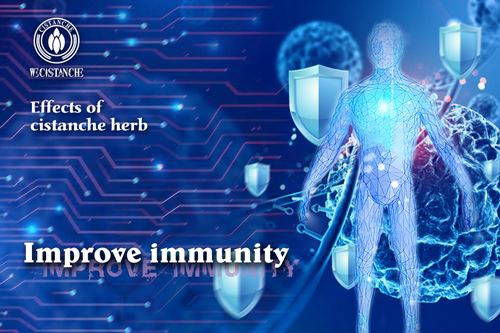
Cistanche can improve immunity
These are natural molecules representing different chemical compounds acting on various pathological aspects of PCOS, including ovarian functionality, hormonal and metabolic profile, inflammatory state, and oxidative stress.
This review aims to provide an overview of the effects of supplementation with natural molecules in the management of PCOS, gathering evidence from the most recent literature. 2. Inositol
Inositols were discovered in muscle tissue more than 150 years ago, but only in the last few decades, they have attracted strong interest as precursors of inositol 3-phosphate (InsP3), which acts as a second messenger in several intracellular pathways. Inositols are chemical compounds referred to as carbocyclic polyols. They have the same brute formula of glucose (Ce-Hi2-Os) and they are present in almost all forms of life.
Inositols naturally occur as five stereoisomers [27], with myo-inositol (Myo-Ins) and D-chiro-inositol (D-Chiro-Ins) the most abundant. They are involved in several biological processes (e.g, cytoskeleton assembly and intracellular calcium concentration control)and also in the endocrine modulation. Both isomers are second messengers of insulin, but they work through different mechanisms: Myo-Ins are involved in the expression of glucose transporters and in cellular glucose uptake, while D-Chiro-Ins are mainly involved in glycogen synthesis and storage. Notably, Myo-Ins are physiologically converted to D-Chiro-Ins by an insulin-dependent epimerase.
Inositol metabolism is impaired in women with PCOS. Specifically, PCOS patients are generally characterized by an altered ratio between Myo-Ins and D-Chiro-Ins, in favor of the former. In fact, PCOS women tend to exhibit insulin resistance, resulting in the reduced intracellular conversion of Myo-Ins to D-Chiro-Ins [28]. An opposite situation occurs in the ovaries, which maintain normal sensitivity to insulin [28], becoming enriched in D-Chiro-Ins and depleted in Myo-Ins. In such tissue, Myo-Ins act as the second messenger of the FSH signaling pathway. Indeed, numerous studies reported that the dietary supplementation of Myo-Ins improves metabolic and hormonal parameters of PCOS women, positively affecting the menstrual cycle and oocyte quality [29,30] A recent meta-analysis from Under et al. [29] evaluated the efficacy of inositol-based therapy, including nine randomized clinical trials (RCTs) with a total of 247 cases (PCOS women) and 249 controls (non-PCOS women). The selected studies investigated the effects of the supplementation of Myo-Ins, alone or in combination with D-Chiro-Ins, fighting its beneficial effect in improving the metabolic profile of PCOS women, and reducing their hyperandrogenism. Specifically, the treatment with Myo-Ins significantly decreased levels of insulin and androgens (free testosterone) and the HOMA-index, while it increased levels of sex hormone-binding globulin (SHBG).In detail, studies reported that Myo-Ins significantly increased SHBG levels after at least 24 weeks of administration.

Another recent meta-analysis [30] further supports these findings, reporting that Myo-Ins supplementation significantly improves the rate of ovulation and regulates the frequency of menstrual cycles. Studies demonstrated that the supplementation of 2 g of Myo-Ins twice daily improved hormonal parameters in women affected by PCOS. Moreover, other evidence highlighted that Myo-Ins should be taken on an empty stomach to avoid absorption interference, and that administration should be repeated. Indeed, kinetic analyses reported a 12 h half-life of inositol [[31], suggesting that a double administration may guarantee the correct plasma concentration throughout the day.
It is crucial to emphasize the safety of Myo-Ins administration. The U.S.Food and Drug Administration (FDA) included Myo-Ins in the list of compounds generally recognized as safe(GRAS), implying that it is considered safe by experts and that it meets the food additive tolerance requirements of the Federal Food, Drug, and Cosmetic Act (FFDCA).
The androgen excess often observed in insulin-resistant PCOS patients depends on compensatory hyperinsulinemia, which leads to an unbalanced ovarian Myo-Ins: D-Chiro-Ins ratio. While Myo-Ins maintain the physiological FSH ovarian signaling, D-Chiro-Ins contribute to reducing insulin resistance and systemic insulin levels. (costanche) For this reason, an increasing number of studies have evaluated the combination of the two inositols as a treatment for PCOS patients with metabolic alterations. Among different ratios tested, several studies concluded that the average plasma ratio of 40:1 (Myo-Ins: D-Chiro-Ins)is the most effective approach to restoring metabolic and endocrinological physiology in overweight or obese PCOS women (BMI>25)[32].
The International Consensus Conference in Florence on the use of Myo-Ins and D-Chiro-Ins in obstetrics and gynecology stated that the 40:1 ratio has beneficial effects also in assisted reproductive technology (ART), improving oocyte and ovarian quality [33]Furthermore, Colazingari and colleagues [34] demonstrated the advantages of using the 40:1 Myo-Ins: D-Chiro-Ins ratio for oocyte quality compared to D-Chiro-Ins supplementation alone.
In PCOS women, a positive correlation exists between the volume of follicular fluid, Myo-Ins levels, and the presence of mature oocytes. As the ovaries of these subjects are depleted in Myo-Ins [35], administration of high doses of D-Chiro-Ins understandably leads to decreased oocyte quality and ovarian response [36]. On the other hand, the administration of a combined treatment of Myo-Ins and D-Chiro-Ins provided the best results [37].
An interesting study on a PCOS mouse model revealed that treatment with a 40:1 Myo-Ins: D-Chiro-Ins ratio restored normal histological features and a proper thickness ratio of theca/granulosa cell layer(TGR), suggesting that the treatment efficiently reversed the androgenic phenotype [38].
As mentioned, insulin resistance and compensatory hyperinsulinemia are frequent dysfunctions in PCOS women, mainly associated with obesity, but present also in lean women. This metabolic alteration is an indicator of increased cardiovascular risk and for the development of other serious related diseases, including type 2 diabetes, hypertension, and metabolic syndrome [39].In this regard, the therapy with Myo-Ins and D-Chiro-Ins in a 40:1 ratio may improve levels of low-density lipoproteins (LDL),high-density lipoprotein (HDL), and triglycerides (TG), at the same time reducing fasting and circulating insulin levels[40].
Interestingly, referring to inositol supplementation in PCOS patients, later studies highlighted that the addition of α-lactalbumin (α-LA) can optimize the beneficial effects in PCOS women, overcoming the common problem of inositol resistance occurring in these patients[41]. Montanino and colleagues indicated that following inositol treatment, only 62% of women ovulated, while 38% were resistant and did not ovulate. This resistant group was then treated with inositol plus α-LA, following which about 86% of them ovulated, accompanied by an improvement in hormone and lipid profile. Indeed, in vitro studies corroborated the ability of α-LA in improving the intestinal absorption of inositols, ensuring higher effectiveness of inositol-based therapy in PCOS conditions [31].
In conclusion, treatment with the combination of Myo-Ins and D-Chiro-Ins in the 40:1 ratio seems to be the most effective approach for restoring ovulation and normalizing crucial parameters (progesterone, LH, SHBG, estradiol, and testosterone) in overweight and obese PCOS patients [42], also reducing the risk of cardiovascular-related problems.
Overall, available evidence indicates that the positive effects of the combined therapy of Myo-Ins and D-Chiro-Ins can be related to the regulation of glucose metabolism, which is guaranteed by the simultaneous administration of the two stereoisomers in the physiological average plasma ratio. 3.Resveratrol,Flavonoids and Flavanones
Resveratrol is a natural polyphenol found in grapes, nuts, and berries, with marked anti-inflammatory and antioxidant effects, and cardioprotective properties. Resveratrol was suggested as a potential therapeutic agent in the treatment of infertility, which is a condition related to diminished ovarian reserve, obesity, and PCOS[43-47].
However, most recent scientific evidence suggests that resveratrol should be avoided during the luteal phase and pregnancy, due to the anti-acidogenic function in uterine endometrial tissue. Specifically, resveratrol seems to inhibit the expression of cellular retinoic acid-binding protein 2(CRABP2-RAR), avoiding the decidualization process and decidual senescence. At the same time, it induces the deacetylation of crucial decidual genes [48-51] encoding for prolactin (PRL)and insulin-like growth factor-binding protein-1 (IGFBP1).
Moreover, the teratogenicity of resveratrol is still debated, and clinical studies have demonstrated a reduction in the rate of clinical pregnancies and a statistically significant increase in the abortion rate, compared with age-matched controls, in the practice of ART[48-51].
Brick and colleagues[52]investigated the effects of resveratrol on insulin resistance, studying the outcomes of 5/6-week treatment in PCOS rats. The authors demonstrated that supplementation failed to improve insulin sensitivity, while physical exercise restored physiological insulin sensitivity. Unlike physical exercise, resveratrol seems to have no beneficial effects on fat mass, adipocyte size, and estrus cyclicity.
More recent evidence suggests that resveratrol also has anti-inflammatory, antioxidative, and anti-apoptotic properties. Indeed, several studies indicated that resveratrol seems to inhibit the expression of pro-inflammatory cytokines, such as interleukin-1β (IL-1), interleukin-6 (IL-6), and cyclooxygenase-2(COX-2), through the modulation of the NF-kB pathway [51] by inhibiting IkB kinase activity [53,54]. However, few clinical trials have investigated its effects on inflammatory pathways in PCOS women; therefore, other studies are necessary [54-56].
Flavonoids and flavanones constitute a large group of plant secondary metabolites with pharmacological potential [57]. Naringenin is a natural flavanone derived from grape-fruit and various plant species [58,59]. Several recent studies highlighted its beneficial role in PCOS mouse models with cytoprotective and anti-inflammatory effects [60]. Naringenin can reduce testosterone and estradiol levels in PCOS women, and it can increase the concentration of enzymes involved in the scavenging of reactive oxygen species (ROS) [61]Indeed, oxidative stress is indicated as one of the pathogenetic features of PCOS; therefore, molecules that can scavenge ROS may be beneficial in PCOS treatment. Furthermore, Hong and colleagues demonstrated that naringenin can prevent weight gain associated with PCOS and it can cause a reduction in the serum glucose levels of PCOS rats [62].
Interestingly, naringenin is not the only flavonoid found in a variety of plants. Namely, rutin is a citrus flavonoid glycoside exhibiting positive effects in the treatment of PCOS. A recent study revealed that rutin can ameliorate obesity and insulin resistance in obese mice, by enhancing the activity of the brown adipose tissue (BAT) and inducing the formation of the beige adipocytes in white adipose tissue (WAT) [63]. In line with this, Hu and colleagues demonstrated that rutin treatment significantly activates the BAT-ameliorating PCOS phenotype including hyperandrogenism, cyclicity, and infertility [64]. 4. Vitamin C
Vitamin C (or ascorbic acid) is a micronutrient, a molecule required by the body in small quantity, necessary for the physiological and healthy growth of cells and tissues. Being water-soluble, vitamin C is easily excreted in the urine, and constant dietary intake is necessary.
Vitamin C exhibits antioxidant activities as it scavenges peroxyl radicals and restores the antioxidant properties of fat-soluble vitamin E. The overall outcome is the beneficial control of lipid peroxidation of intracellular and plasma membranes, similar to the antioxidant effect.
Olaniyan and colleagues [65] investigated the ovarian metabolic changes in PCOS Wistar rats, associated with vitamin Administration. They observed that vitamin C plays an important role in the regulation of the menstrual cycle and ovarian function and that its levels are modulated throughout the menstrual cycle. Vitamin C levels decline immediately before ovulation and increase again after post-ovulation temperature rise. This evidence is in line with the uptake of ascorbic acid ir the pre-ovulatory phase, likely to facilitate proper ovulation. Ascorbic acid stimulates progesterone and oxytocin production, and high concentrations are present in the corpus luteum [66]. Moreover, ascorbic acid in the ovaries may be responsible for collagen synthesis, necessary for follicle and corpus luteum growth, as well as for post-ovulation repair of the ovarian tissue. Notably, impairment of these functions may contribute to the development of ovarian cysts [67].
On these premises, vitamin C deserves to be investigated as a potential therapeutic agent to improve ovarian morphology and anovulation associated with PCOS[65]. It is noteworthy that very few clinical trials have been conducted so far, and further studies are necessary to evaluate vitamin C's effectiveness in the treatment of PCOS. 5. Vitamin E
Vitamin E (or tocopherol) is a fat-soluble vitamin that can be stored in the liver and released in small quantities to maintain physiological levels. Vitamin E exhibits antioxidant properties as it neutralizes free radicals and promotes cell renewal [68].
Recent evidence has confirmed that vitamin E may improve endometrial thickness in women with idiopathic infertility, thanks to its anticoagulant and antioxidant properties [69].In addition, cotreatment with vitamin E and coenzyme Q10 for 8 weeks increased circulating levels of SHBG in PCOS patients[70], reducing free plasma testosterone concentrations.
Recently, Chen and colleagues [71] explored whether short-term supplementation with vitamin E leads to improved reproductive performance in the induction of ovulation in PCOS women and whether associations between vitamin E and pregnancy rates exist. They observed that the treatment reduces oxidative stress, consequently reducing the exogenous human menopausal gonadotropin (HMG) dosage, with economic benefits for medical practice [71]. However, the supplementation of vitamin E seems to have a negligible effect on the pregnancy rate [71].
This article is extracted from Nutrients 2021, 13, 1677. https://doi.org/10.3390/nu13051677 https://www.mdpi.com/journal/nutrients