Oligosaccharides As Potential Regulators Of Gut Microbiota And Intestinal Health in Post-COVID-19 Management Part 2
Sep 08, 2023
6. The Role of Oligosaccharides in Modulating Gut Microbiota and ACE2 Expression for Alleviating Post-COVID-19 Syndrome
SARS-CoV-2 gains entry into host cells by attaching to the ACE2 receptor on the cell surface. ACE2 is present in various cells in the human body, including those of the respiratory and gastrointestinal tracts [121]. Once inside the cell, the virus uses the host cell's machinery to replicate and spread. Polysaccharides and oligosaccharides derived from bacterial, fungal, and marine algal sources are natural compounds that exhibit bioactive properties capable of enhancing the immune system, inhibiting viral replication and infectivity, and providing protection against viral infections [122]. Current research has prioritized the exploration of sulfated polysaccharides and oligosaccharides as promising approaches to combat SARS-CoV-2. For instance, heparin, an anticoagulant medication, has demonstrated remarkable effectiveness at the nanomolar level in preventing the transmission of SARS-CoV-2[123]. This is accomplished by inhibiting viral attachment and reducing the formation of blood clots. Furthermore, sulfated polysaccharides derived from plants and marine organisms have displayed encouraging inhibitory effects against the virus in laboratory experiments, effectively diminishing viral replication and reducing infectivity [124]. These molecules can bind to both ACE2 and the spike protein of SARS-CoV-2, which facilitates the virus's attachment to ACE2 [125,126]. By doing so, sulfated oligosaccharides can competitively prevent the virus from entering host cells, potentially reducing the severity of post-COVID-19 symptoms (Figure 3)

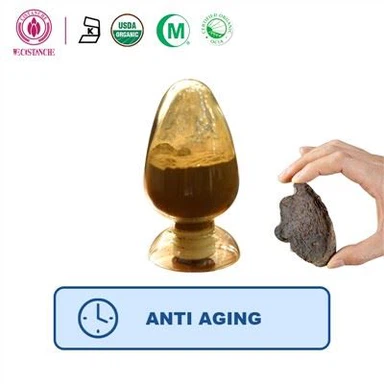
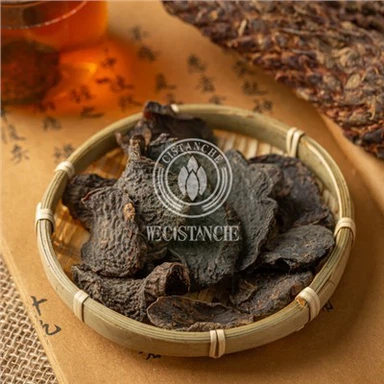
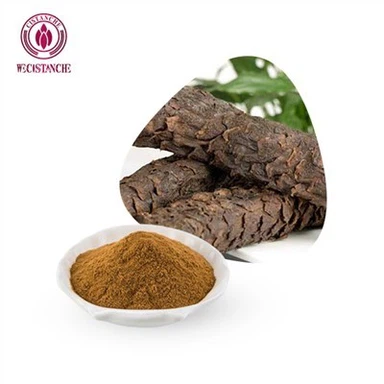
Cistanche can act as an anti-fatigue and stamina enhancer, and experimental studies have shown that the decoction of Cistanche tubulosa could effectively protect the liver hepatocytes and endothelial cells damaged in weight-bearing swimming mice, upregulate the expression of NOS3, and promote hepatic glycogen synthesis, thus exerting anti-fatigue efficacy. Phenylethanoid glycoside-rich Cistanche tubulosa extract could significantly reduce the serum creatine kinase, lactate dehydrogenase, and lactate levels, and increase the hemoglobin (HB) and glucose levels in ICR mice, and this could play an anti-fatigue role by decreasing the muscle damage and delaying the lactic acid enrichment for energy storage in mice. Compound Cistanche Tubulosa Tablets significantly prolonged the weight-bearing swimming time, increased the hepatic glycogen reserve, and decreased the serum urea level after exercise in mice, showing its anti-fatigue effect. The decoction of Cistanchis can improve endurance and accelerate the elimination of fatigue in exercising mice, and can also reduce the elevation of serum creatine kinase after load exercise and keep the ultrastructure of skeletal muscle of mice normal after exercise, which indicates that it has the effects of enhancing physical strength and anti-fatigue. Cistanchis also significantly prolonged the survival time of nitrite-poisoned mice and enhanced the tolerance against hypoxia and fatigue.

Click on fatigue causes
【For more info:george.deng@wecistanche.com / WhatsApp:8613632399501】
Post-COVID-19 patients may harbor a small viral load in their bodies even after recovering from the acute phase, which can activate intestinal ACE2 receptors and cause gastrointestinal symptoms such as diarrhea [127]. Previous studies using gnotobiotic rats lacking natural gut microbiota found that the presence of gut microbiota is associated with increased expression of ACE2 mRNA in the colon. This increased expression of ACE2 could increase susceptibility to SARS-CoV-2 infection and affect disease severity [128]. The gut microbiota regulates ACE2 expression, with a healthy microbiome promoting higher ACE2 expression and less severe disease. Certain bacteria, such as Bacteroides dorei, Bacteroides ovatus, Bacteroides thetaiotaomicron, and Bacteroides massiliensis, downregulate ACE2 expression in murine models, highlighting the interrelationship between the gut microbiome, ACE2 expression, and viral infection [53]. The effect of Firmicutes species on ACE-2 receptor expression is not consistent. However, recent studies have indicated that modulating the gut microbiota composition by increasing the abundance of Bacteroidetes and decreasing the levels of Firmicutes may have a beneficial impact in inhibiting the entry of SARS-CoV-2 through the downregulation of ACE2 expression in the intestinal epithelial cells [129].
The gut–lung axis is a two-way communication pathway that facilitates the exchange of information between the gut microbiota and the respiratory system [130]. Growing evidence shows that the gut microbiota influences respiratory health, while the respiratory system affects gut microbiota composition. The immune system, critical in both the gut and lungs, is believed to mediate the gut–lung axis, along with ACE2 expression in both organs [131]. Studies reveal that the gut microbiota modulates ACE2 expression in the respiratory system and that treatment with Lactobacillus rhamnosus can increase ACE2 expression in the lungs, mitigate influenza virus-induced lung injury, and improve lung function [132].
Various oligosaccharides, including fructo-oligosaccharides, xylooligosaccharides, galactooligosaccharides, and pectin-oligosaccharides, have been shown to selectively promote the growth of beneficial gut bacteria such as Bifidobacteria and Lactobacilli. These probiotic-derived bacteria produce molecules such as lipopeptides, including subtilisin from Bacillus amyloliquefaciens, curvation A from Lactobacillus curvatus, sakacin P from Lactobacillus sake, and lactococci Gb from Lactococcus lactis, which possess a higher binding affinity to human ACE2 [133]. By competitively inhibiting the action of these probiotic-derived molecules, SARS-CoV-2's mandatory connection with host epithelial cells expressing ACE2 for entry and reproduction is prevented. Moreover, research has demonstrated that the gut microbiota produces SCFAs that can influence the expression of intestinal ACE2. Brown et al. demonstrated that colonization with Clostridia-enriched bacteria resulted in a significant increase in fecal propionate and butyrate, as well as a decrease in ACE2 expression in the intestines and lungs of specific pathogen-free mice [134]. Similarly, other research has shown that butyrate treatment can decrease the expression of ACE2, along with various other genes related to host defense and immune response [135]. These findings suggest that SCFAs may play a role in inhibiting SARS-CoV-2 entry into host cells by lowering ACE2 expression. Therefore, targeting and modulating the gut microbiome using oligosaccharides could be a potential strategy to reduce post-COVID-19 symptoms.
7. Conclusions
The global outbreak of COVID-19 has had a profound influence on the lifestyles of individuals across the globe and can cause long-term health effects, including post-COVID-19 syndrome. This syndrome may persist for weeks or months and can include symptoms such as gut dysbiosis, diarrhea, fatigue, and abnormal pain. Disruptions in the gut microbiota can contribute to various gastrointestinal symptoms and an increased risk of infections. Furthermore, dysbiosis in the gut microbiota can lead to increased inflammation and oxidative stress, which can contribute to chronic symptoms and the development of post-COVID-19 syndrome. Therefore, balancing the intestinal microbiota through dietary interventions, probiotics, prebiotics, and fecal microbiota transplantation has emerged as a promising therapeutic approach for alleviating post-COVID-19 symptoms.

Personalized nutrition is an emerging field that could provide new opportunities for promoting gut health in post-COVID-19 management. Combining oligosaccharides with other probiotics and prebiotics could lead to more significant improvements in gut health and immune function. Oligosaccharides are derived from natural resources and are non-toxic, making them a convenient and low-cost method for promoting gut health and reducing the risk of gastrointestinal symptoms and infections. They can stimulate the growth of beneficial gut bacteria while inhibiting the growth of harmful bacteria, promoting the production of functional metabolites such as short-chain fatty acids (SCFAs). SCFAs have numerous health benefits, including immune modulation and anti-inflammation. Bile salts, another important gut-derived metabolite, may also have antioxidant and anti-inflammatory capabilities that can help reduce inflammation and oxidative stress. Moreover, the gut microbiota and ACE2 receptors play crucial roles in the pathogenesis of COVID-19 and may also be implicated in the development of post-COVID-19 syndrome. Oligosaccharides may modulate the gut flora and the expression of ACE2 in the gut, highlighting the potential importance of gut microbiota modulation in post-COVID-19 symptom management.
However, further research is necessary to determine the optimal dosage and timing of oligosaccharide supplementation in post-COVID-19 management. Additionally, it is essential to consider the source and type of oligosaccharide, as different types can have varying effects on the gut microbiota. Future research should focus on identifying the specific oligosaccharides that are most effective in promoting gut health. In conclusion, oligosaccharides are potential regulators of gut microbiota and intestinal health in post-COVID-19 management.
Author Contributions: Conceptualization, S.Z., and K.T.; writing—original draft preparation, K.-L.C.; funding acquisition, S.Z., and K.-L.C.; writing—review and editing, K.-L.C., S.C., B.T., S.V., S.Z., and K.T. All authors have read and agreed to the published version of the manuscript.
Funding: This work was supported in part by Key-Area Research and Development Program of Guangdong Province (2020B1111030004), The Innovative Team Program of High Education of Guangdong Province (2021KCXTD021), and The Program for Scientific Research Start-up Funds of Guangdong Ocean University (2023).
Institutional Review Board Statement: Not applicable.
Informed Consent Statement: Not applicable.
Data Availability Statement: Not applicable.
Conflicts of Interest: The authors declare no conflict of interest.
References
1. Yang, X.; Yu, Y.; Xu, J.; Shu, H.; Xia, J.A.; Liu, H.; Wu, Y.; Zhang, L.; Yu, Z.; Fang, M.; et al. Clinical course and outcomes of critically ill patients with SARS-CoV-2 pneumonia in Wuhan, China: A single-centered, retrospective, observational study. Lancet Resp. Med. 2020, 8, 475–481. [CrossRef] [PubMed]
2. Tang, J.W.; Bahnfleth, W.P.; Bluyssen, P.M.; Buonanno, G.; Jimenez, J.L.; Kurnitski, J.; Li, Y.; Miller, S.; Sekhar, C.; Morawska, L.; et al. Dismantling myths on the airborne transmission of severe acute respiratory syndrome coronavirus-2 (SARS-CoV-2). J. Hosp. Infect. 2021, 110, 89–96. [CrossRef] [PubMed]
3. Liu, J.; Li, Y.; Liu, Q.; Yao, Q.; Wang, X.; Zhang, H.; Chen, R.; Ren, L.; Min, J.; Deng, F.; et al. SARS-CoV-2 cell tropism and multiorgan infection. Cell Discov. 2021, 7, 17. [CrossRef] [PubMed]
4. Wu, X.; Jing, H.; Wang, C.; Wang, Y.; Zuo, N.; Jiang, T.; Novakovic, V.A.; Shi, J. Intestinal damage in COVID-19: SARS-CoV-2 infection and intestinal thrombosis. Front. Microbiol. 2022, 13, 860931. [CrossRef]
5. Nalbandian, A.; Sehgal, K.; Gupta, A.; Madhavan, M.V.; McGroder, C.; Stevens, J.S.; Cook, J.R.; Nordvig, A.S.; Shalev, D.; Sehrawat, T.S.; et al. Post-acute COVID-19 syndrome. Nat. Med. 2021, 27, 601–615. [CrossRef]
6. Crook, H.; Raza, S.; Nowell, J.; Young, M.; Edison, P. Long Covid—Mechanisms, risk factors, and management. BMJ 2021, 374, n1648. [CrossRef]
7. Raveendran, A.V.; Jayadevan, R.; Sashidharan, S. Long COVID: An overview. Diabetes Metab. Synd. 2021, 15, 869–875. [CrossRef]
8. Naveed, M.; Phil, L.; Sohail, M.; Hasnat, M.; Baig, M.M.F.A.; Ihsan, A.U.; Shumzaid, M.; Kakar, M.U.; Mehmood Khan, T.; Akabar, M.D.; et al. Chitosan oligosaccharide (COS): An overview. Int. J. Biol. Macromol. 2019, 129, 827–843. [CrossRef] [PubMed]
9. de Moura, F.A.; Macagnan, F.T.; da Silva, L.P. Oligosaccharide production by hydrolysis of polysaccharides: A review. Int. J. Food Sci. Technol. 2015, 50, 275–281. [CrossRef]
10. Xie, X.-T.; Cheong, K.-L. Recent advances in marine algae oligosaccharides: Structure, analysis, and potential prebiotic activities. Crit. Rev. Food Sci. Nutr. 2022, 62, 7703–7717. [CrossRef] [PubMed]
11. Wang, M.; Veeraperumal, S.; Zhong, S.; Cheong, K.-L. Fucoidan-derived functional oligosaccharides: Recent developments, preparation, and potential applications. Foods 2023, 12, 878. [CrossRef] [PubMed]
12. Moreno, F.J.; Corzo, N.; Montilla, A.; Villamiel, M.; Olano, A. Current state and latest advances in the concept, production, and functionality of prebiotic oligosaccharides. Curr. Opin. Food Sci. 2017, 13, 50–55. [CrossRef]
13. Guo, Z.; Wei, Y.; Zhang, Y.; Xu, Y.; Zheng, L.; Zhu, B.; Yao, Z. Carrageenan oligosaccharides: A comprehensive review of preparation, isolation, purification, structure, biological activities and applications. Algal Res. 2022, 61, 102593. [CrossRef]
14. Yu, B.; Wang, M.; Teng, B.; Veeraperumal, S.; Cheung, P.C.-K.; Zhong, S.; Cheong, K.-L. Partially acid-hydrolyzed porphyrin improved dextran sulfate sodium-induced acute colitis by modulation of gut microbiota and enhancing the mucosal barrier. J. Agric. Food. Chem. 2023, 71, 7299–7311. [CrossRef] [PubMed]
15. Zhang, N.; Jin, M.; Wang, K.; Zhang, Z.; Shah, N.P.; Wei, H. Functional oligosaccharide fermentation in the gut: Improving intestinal health and its determinant factors-A review. Carbohydr. Polym. 2022, 284, 119043. [CrossRef] [PubMed]
16. Cheong, K.-L.; Li, J.-K.; Zhong, S. Preparation and structure characterization of high-value Laminaria digitata oligosaccharides. Front. Nutr. 2022, 9, 945804. [CrossRef] [PubMed]
17. Wang, T.; Tao, Y.; Lai, C.; Huang, C.; Ling, Z.; Yong, Q. Influence of glycosyl composition on the immunological activity of pectin and pectin-derived oligosaccharide. Int. J. Biol. Macromol. 2022, 222, 671–679. [CrossRef] [PubMed]
18. Bi, D.; Yang, X.; Lu, J.; Xu, X. Preparation and potential applications of alginate oligosaccharides. Crit. Rev. Food Sci. Nutr. 2022, 26, 1–18.

19. Zheng, L.-X.; Liu, Y.; Tang, S.; Zhang, W.; Cheong, K.-L. Preparation methods, biological activities, and potential applications of marine algae oligosaccharides: A review. Food Sci. Hum. Well. 2023, 12, 359–370. [CrossRef]
20. Oudit, G.Y.; Wang, K.; Viveiros, A.; Kellner, M.J.; Penninger, J.M. Angiotensin-converting enzyme 2-at the heart of the COVID-19 pandemic. Cell 2023, 186, 906–922. [CrossRef]
21. Behl, T.; Kaur, I.; Bungau, S.; Kumar, A.; Uddin, M.S.; Kumar, C.; Pal, G.; Sahil; Shrivastava, K.; Zengin, G.; et al. The dual impact of ACE2 in COVID-19 and ironical actions in geriatrics and pediatrics with possible therapeutic solutions. Life Sci. 2020, 257, 118075. [CrossRef] [PubMed]
22. Bourgonje, A.R.; Abdulle, A.E.; Timens, W.; Hillebrands, J.-L.; Navis, G.J.; Gordijn, S.J.; Bolling, M.C.; Dijkstra, G.; Voors, A.A.; Osterhaus, A.D.; et al. Angiotensin-converting enzyme 2 (ACE2), SARS-CoV-2 and the pathophysiology of coronavirus disease 2019 (COVID-19). J. Pathol. 2020, 251, 228–248. [CrossRef] [PubMed]
23. Zhang, H.; Li, H.-B.; Lyu, J.-R.; Lei, X.-M.; Li, W.; Wu, G.; Lyu, J.; Dai, Z.-M. Specific ACE2 expression in small intestinal enterocytes may cause gastrointestinal symptoms and injury after 2019-nCoV infection. Int. J. Infect. Dis. 2020, 96, 19–24. [CrossRef]
24. Fodor, A.; Tiperciuc, B.; Login, C.; Orasan, O.H.; Lazar, A.L.; Buchman, C.; Hanghicel, P.; Sitar-Taut, A.; Suharoschi, R.; Vulturar, R.; et al. Endothelial dysfunction, inflammation, and oxidative stress in COVID-19—Mechanisms and therapeutic targets. Oxid. Med. Cell Longev. 2021, 2021, 8671713. [CrossRef]
25. Freire, M.P.; Oliveira, M.S.; Magri, M.M.C.; Tavares, B.M.; Marinho, I.; Nastri, A.C.D.S.S.; Filho, G.B.; Levin, A.S. Frequency and factors associated with hospital readmission after COVID-19 hospitalization: The importance of post-COVID diarrhea. Clinics 2022, 77, 100061. [CrossRef]
26. Alharbi, K.S.; Singh, Y.; Hassan almalki, W.; Rawat, S.; Afzal, O.; Alfawaz Altamimi, A.S.; Kazmi, I.; Al-Abbasi, F.A.; Alzarea, S.I.; Singh, S.K.; et al. Gut microbiota disruption in COVID-19 or post-COVID illness association with severity biomarkers: A possible role of pre/pro-biotics in manipulating microflora. Chem. Biol. Interact. 2022, 358, 109898. [CrossRef]
27. Carding, S.; Verbeke, K.; Vipond, D.T.; Corfe, B.M.; Owen, L.J. Dysbiosis of the gut microbiota in disease. Microb. Ecol. Health Dis. 2015, 26, 26191. [CrossRef] [PubMed]
28. Yeoh, Y.K.; Zuo, T.; Lui, G.C.-Y.; Zhang, F.; Liu, Q.; Li, A.Y.L.; Chung, A.C.K.; Cheung, C.P.; Tso, E.Y.K.; Fung, K.S.C.; et al. Gut microbiota composition reflects disease severity and dysfunctional immune responses in patients with COVID-19. Gut 2021, 70, 698. [CrossRef]
29. Siah, K.T.H.; Mahadeva, S. Post-COVID-19 functional gastrointestinal disorders: Prepare for a GI aftershock. J. Gastroenterol. Hepatol. 2022, 37, 413–414. [CrossRef]
30. Bansal, R.; Gubbi, S.; Koch, C.A. COVID-19 and chronic fatigue syndrome: An endocrine perspective. J. Clin. Transl. Endocr. 2022, 27, 100284. [CrossRef]
31. Ceban, F.; Ling, S.; Lui, L.M.W.; Lee, Y.; Gill, H.; Teopiz, K.M.; Rodrigues, N.B.; Subramaniapillai, M.; Di Vincenzo, J.D.; Cao, B.; et al. Fatigue and cognitive impairment in Post-COVID-19 Syndrome: A systematic review and meta-analysis. Brain Behav. Immun. 2022, 101, 93–135. [CrossRef] [PubMed]
32. François, I.E.J.A.; Lescroart, O.; Veraverbeke, W.S.; Windey, K.; Verbeke, K.; Broekaert, W.F. Tolerance and the effect of high doses of wheat bran extract, containing arabinoxylan–oligosaccharides, and oligofructose on fecal output: A double-blind, randomized, placebo-controlled, cross-over trial. J. Nutr. Sci. 2014, 3, e49. [CrossRef] [PubMed]
33. Pansai, N.; Detarun, P.; Chinnaworn, A.; Sangsupawanich, P.; Wichienchot, S. Effects of dragon fruit oligosaccharides on immunity, gut microbiome, and their metabolites in healthy adults—A randomized double-blind placebo-controlled study. Food Res. Int. 2023, 167, 112657. [CrossRef] [PubMed]
34. Faber, W.X.M.; Nachtegaal, J.; Stolwijk-Swuste, J.M.; Achterberg-Warmer, W.J.; Koning, C.J.M.; Besseling-van der Vaart, I.; van Bennekom, C.A.M. Study protocol of a double-blind randomized placebo-controlled trial on the effect of a multispecies probiotic on the incidence of antibiotic-associated diarrhea in persons with spinal cord injury. Spinal Cord 2020, 58, 149–156. [CrossRef]
35. Velayati, A.; Kareem, I.; Sedaghat, M.; Sohrab, G.; Nikpayam, O.; Hedayati, M.; Abhari, K.; Hejazi, E. Does symbiotic supplementation which contains Bacillus Coagulans Lactobacillus rhamnosus, Lactobacillus acidophilus, and fructooligosaccharide has favorite effects in patients with type-2 diabetes? A randomized, double-blind, placebo-controlled trial. Arch. Physiol. Biochem. 2021, 1–8. [CrossRef]
36. Buigues, C.; Fernández-Garrido, J.; Pruimboom, L.; Hoogland, A.J.; Navarro-Martínez, R.; Martínez-Martínez, M.; Verdejo, Y.; Mascarós, M.C.; Peris, C.; Cauli, O. Effect of a prebiotic formulation on frailty syndrome: A randomized, double-blind clinical trial. Int. J. Mol. Sci. 2016, 17, 932. [CrossRef]
37. Neyrinck, A.M.; Rodriguez, J.; Taminiau, B.; Amadieu, C.; Herpin, F.; Allaert, F.-A.; Cani, P.D.; Daube, G.; Bindels, L.B.; Delzenne, N.M. Improvement of gastrointestinal discomfort and inflammatory status by a synbiotic in middle-aged adults: A double-blind randomized placebo-controlled trial. Sci. Rep. 2021, 11, 2627. [CrossRef]
38. Vulevic, J.; Tzortzis, G.; Juric, A.; Gibson, G.R. Effect of a prebiotic galactooligosaccharide mixture (B-GOS®) on gastrointestinal symptoms in adults selected from a general population who suffer with bloating, abdominal pain, or flatulence. Neurogastroenterol. Motil. 2018, 30, e13440. [CrossRef]
39. Mego, M.; Manichanh, C.; Accarino, A.; Campos, D.; Pozuelo, M.; Varela, E.; Vulevic, J.; Tzortzis, G.; Gibson, G.; Guarner, F.; et al. Metabolic adaptation of colonic microbiota to galactooligosaccharides: A proof-of-concept-study. Aliment. Pharmacol. Ther. 2017, 45, 670–680. [CrossRef]
40. Depeint, F.; Tzortzis, G.; Vulevic, J.; I’Anson, K.; Gibson, G.R. Prebiotic evaluation of a novel galactooligosaccharide mixture produced by the enzymatic activity of Bifidobacterium bifidum NCIMB 41171, in healthy humans: A randomized, double-blind, crossover, placebo-controlled intervention study. Am. J. Clin. Nutr. 2008, 87, 785–791. [CrossRef]
41. Childs, C.E.; Röytiö, H.; Alhoniemi, E.; Fekete, A.A.; Forssten, S.D.; Hudjec, N.; Lim, Y.N.; Steger, C.J.; Yaqoob, P.; Tuohy, K.M.; et al. Xylo-oligosaccharides alone or in synbiotic combination with Bifidobacterium animalis subsp. lactis induce bifidogenesis and modulate markers of immune function in healthy adults: A double-blind, placebo-controlled, randomised, factorial cross-over study. Br. J. Nutr. 2014, 111, 1945–1956. [PubMed]
42. Monira, S.; Nakamura, S.; Gotoh, K.; Izutsu, K.; Watanabe, H.; Alam, N.H.; Nakaya, T.; Horii, T.; Ali, S.I.; Iida, T.; et al. Metagenomic profile of gut microbiota in children during cholera and recovery. Gut Pathog. 2013, 5, 1. [CrossRef] [PubMed]
43. Kau, A.L.; Ahern, P.P.; Griffin, N.W.; Goodman, A.L.; Gordon, J.I. Human nutrition, the gut microbiome and the immune system. Nature 2011, 474, 327–336. [CrossRef]
44. Luo, J.; Liang, S.; Jin, F. Gut microbiota in antiviral strategy from bats to humans: A missing link in COVID-19. Sci. China Life Sci. 2021, 64, 942–956. [CrossRef] [PubMed]
45. Zhang, X.; Chen, B.-D.; Zhao, L.-D.; Li, H. The gut microbiota: Emerging evidence in autoimmune diseases. Trends Mol. Med. 2020, 26, 862–873. [CrossRef]
46. Cantorna, M.T.; Snyder, L.; Arora, J. Vitamin A, and vitamin D regulate the microbial complexity, barrier function, and mucosal immune responses to ensure intestinal homeostasis. Crit. Rev. Biochem. Mol. Biol. 2019, 54, 184–192. [CrossRef]
47. Trøseid, M.; Holter, J.C.; Holm, K.; Vestad, B.; Sazonova, T.; Granerud, B.K.; Dyrhol-Riise, A.M.; Holten, A.R.; Tonby, K.; Kildal, A.B.; et al. Gut microbiota composition during hospitalization is associated with 60-day mortality after severe COVID-19. Crit. Care 2023, 27, 69. [CrossRef]
48. Liu, Q.; Mak, J.W.Y.; Su, Q.; Yeoh, Y.K.; Lui, G.C.-Y.; Ng, S.S.S.; Zhang, F.; Li, A.Y.L.; Lu, W.; Hui, D.S.-C.; et al. Gut microbiota dynamics in a prospective cohort of patients with post-acute COVID-19 syndrome. Gut 2022, 71, 544. [CrossRef]
49. Xie, X.-T.; Zheng, L.-X.; Duan, H.-M.; Liu, Y.; Chen, X.-Q.; Cheong, K.-L. Structural characteristics of Gracilaria lemaneiformis oligosaccharides and their alleviation of dextran sulfate sodium-induced colitis by modulating the gut microbiota and intestinal metabolites in mice. Food Funct. 2021, 12, 8635–8646. [CrossRef]
50. Zhang, X.; Aweya, J.J.; Huang, Z.-X.; Kang, Z.-Y.; Bai, Z.-H.; Li, K.-H.; He, X.-T.; Liu, Y.; Chen, X.-Q.; Cheong, K.-L. In vitro, fermentation of Gracilaria lemaneiformis sulfated polysaccharides and its agar-oligosaccharides by human fecal inocula and its impact on microbiota. Carbohydr. Polym. 2020, 234, 115894. [CrossRef]
51. Zhang, X.; Liu, Y.; Chen, X.-Q.; Aweya, J.J.; Cheong, K.-L. Catabolism of Saccharina japonica polysaccharides and oligosaccharides by human fecal microbiota. LWT 2020, 130, 109635. [CrossRef]
52. Wang, Y.; Li, N.; Yang, J.-J.; Zhao, D.-M.; Chen, B.; Zhang, G.-Q.; Chen, S.; Cao, R.-F.; Yu, H.; Zhao, C.-Y.; et al. Probiotics and fructo-oligosaccharide intervention modulate the microbiota-gut brain axis to improve the autism spectrum reducing the hyper-serotonergic state and the dopamine metabolism disorder. Pharmacol. Res. 2020, 157, 104784. [CrossRef]
53. Zuo, T.; Zhang, F.; Lui, G.C.Y.; Yeoh, Y.K.; Li, A.Y.L.; Zhan, H.; Wan, Y.; Chung, A.C.K.; Cheung, C.P.; Chen, N.; et al. Alterations in the gut microbiota of patients with COVID-19 during the time of hospitalization. Gastroenterology 2020, 159, 944–955.e8. [CrossRef] [PubMed]

54. Wardman, J.F.; Bains, R.K.; Rahfeld, P.; Withers, S.G. Carbohydrate-active enzymes (CAZymes) in the gut microbiome. Nat. Rev. Microbiol. 2022, 20, 542–556. [CrossRef] [PubMed]
55. Hao, Z.; Wang, X.; Yang, H.; Tu, T.; Zhang, J.; Luo, H.; Huang, H.; Su, X. PUL-mediated plant cell wall polysaccharide utilization in the gut Bacteroidetes. Int. J. Mol. Sci. 2021, 22, 3077. [CrossRef]
56. Zafar, H.; Saier, M.H. Gut Bacteroides species in health and disease. Gut Microbes 2021, 13, 1848158. [CrossRef]
57. Mills, R.H.; Dulai, P.S.; Vázquez-Baeza, Y.; Sauceda, C.; Daniel, N.; Gerner, R.R.; Batachari, L.E.; Malfavon, M.; Zhu, Q.; Weldon, K.; et al. Multi-omics analyses of the ulcerative colitis gut microbiome link Bacteroides vulgatus proteases with disease severity. Nat. Microbiol. 2022, 7, 262–276. [CrossRef]
58. Yang, J.Y.; Lee, Y.S.; Kim, Y.; Lee, S.H.; Ryu, S.; Fukuda, S.; Hase, K.; Yang, C.S.; Lim, H.S.; Kim, M.S.; et al. Gut commensal Bacteroides acidifaciens prevents obesity and improves insulin sensitivity in mice. Mucosal Immunol. 2017, 10, 104–116. [CrossRef]
59. Boll, E.V.J.; Ekström, L.M.N.K.; Courtin, C.M.; Delcour, J.A.; Nilsson, A.C.; Björck, I.M.E.; Östman, E.M. Effects of wheat bran extract rich in arabinoxylan oligosaccharides and resistant starch on overnight glucose tolerance and markers of gut fermentation in healthy young adults. Eur. J. Nutr. 2016, 55, 1661–1670. [CrossRef]
60. Cheong, K.-L.; Yu, B.; Chen, J.; Zhong, S. A comprehensive review of the cardioprotective effect of marine algae polysaccharide on the gut microbiota. Foods 2022, 11, 3550. [CrossRef]
61. Desai, M.S.; Seekatz, A.M.; Koropatkin, N.M.; Kamada, N.; Hickey, C.A.; Wolter, M.; Pudlo, N.A.; Kitamoto, S.; Terrapin, N.; Muller, A.; et al. A dietary fiber-deprived gut microbiota degrades the colonic mucus barrier and enhances pathogen susceptibility. Cell 2016, 167, 1339–1353.e21. [CrossRef] [PubMed]
62. Schwalm, N.D.; Groisman, E.A. Navigating the gut buffet: Control of polysaccharide utilization in Bacteroides spp. Trends Microbiol. 2017, 25, 1005–1015. [CrossRef] [PubMed]
63. Vulevic, J.; Juric, A.; Walton, G.E.; Claus, S.P.; Tzortzis, G.; Toward, R.E.; Gibson, G.R. Influence of galacto-oligosaccharide mixture (B-GOS) on gut microbiota, immune parameters and metabonomics in elderly persons. Br. J. Nutr. 2015, 114, 586–595. [CrossRef] [PubMed]
64. Bindels, L.B.; Neyrinck, A.M.; Salazar, N.; Taminiau, B.; Druart, C.; Muccioli, G.G.; François, E.; Blecker, C.; Richel, A.; Daube, G.; et al. Nondigestible oligosaccharides modulate the gut microbiota to control the development of leukemia and associated cachexia in mice. PLoS ONE 2015, 10, e0131009. [CrossRef]
65. Sikalidis, A.K.; Maykish, A. The gut microbiome and type 2 diabetes mellitus: Discussing a complex relationship. Biomedicines 2020, 8, 8. [CrossRef]
66. Gomes, A.C.; Hoffmann, C.; Mota, J.F. The human gut microbiota: Metabolism and perspective in obesity. Gut Microbes 2018, 9, 308–325. [CrossRef]
67. Reinold, J.; Farahpour, F.; Fehring, C.; Dolff, S.; Konik, M.; Korth, J.; van Baal, L.; Hoffmann, D.; Buer, J.; Witzke, O.; et al. A pro-inflammatory gut microbiome characterizes SARS-CoV-2 infected patients and a reduction in the connectivity of an anti-Inflammatory bacterial network associates with severe COVID-19. Front. Cell Infect. Mi. 2021, 11, 747816. [CrossRef]
68. Lindstad, L.J.; Lo, G.; Leivers, S.; Lu, Z.; Michalak, L.; Pereira, G.V.; Røhr, Å.K.; Martens, E.C.; McKee, L.S.; Louis, P.; et al. Human gut Faecalibacterium prausnitzii deploys a highly efficient conserved system to cross-feed on β-mannan-derived oligosaccharides. mBio 2021, 12, e03628-20. [CrossRef]
69. Turroni, F.; Milani, C.; Duranti, S.; Mahony, J.; van Sinderen, D.; Ventura, M. Glycan Utilization and Cross-Feeding Activities by Bifidobacteria. Trends Microbiol. 2018, 26, 339–350. [CrossRef]
70. Leth, M.L.; Ejby, M.; Workman, C.; Ewald, D.A.; Pedersen, S.S.; Sternberg, C.; Bahl, M.I.; Licht, T.R.; Aachmann, F.L.; Westereng, B.; et al. Differential bacterial capture and transport preferences facilitate the co-growth of dietary xylan in the human gut. Nat. Microbiol. 2018, 3, 570–580. [CrossRef]
71. Mary, P.R.; Kapoor, M. Co-culture fermentations suggest cross-feeding among Bacteroides ovatus DSMZ 1896, Lactiplantibacillus plantarum WCFS1 and Bifidobacterium adolescentis DSMZ 20083 for utilizing dietary galactomannans. Food Res. Int. 2022, 162, 111942. [CrossRef] [PubMed]
72. Wang, M.; Cheong, K.-L. Preparation, structural characterization, and bioactivities of fructans: A review. Molecules 2023, 28, 1613. [CrossRef] [PubMed]
73. Yao, W.; Gong, Y.; Li, L.; Hu, X.; You, L. The effects of dietary fibers from rice bran and wheat bran on gut microbiota: An overview. Food Chem. X 2022, 13, 100252. [CrossRef]
74. Hu, J.; Lin, S.; Zheng, B.; Cheung, P.C.K. Short-chain fatty acids in control of energy metabolism. Crit. Rev. Food Sci. Nutr. 2018, 58, 1243–1249. [CrossRef] [PubMed]
75. Martin-Gallausiaux, C.; Marinelli, L.; Blottière, H.M.; Larraufie, P.; Lapaque, N. SCFA: Mechanisms and functional importance in the gut. Proc. Nutr. Soc. 2020, 80, 37–49. [CrossRef]
76. Dalile, B.; Van Oudenhove, L.; Vervliet, B.; Verbeke, K. The role of short-chain fatty acids in a microbiota–gut–brain communication. Nat. Rev. Gastro. Hepat. 2019, 16, 461–478. [CrossRef]
77. Yao, Y.; Cai, X.; Fei, W.; Ye, Y.; Zhao, M.; Zheng, C. The role of short-chain fatty acids in immunity, inflammation, and metabolism. Crit. Rev. Food Sci. Nutr. 2022, 62, 1–12. [CrossRef]
78. Zhang, F.; Wan, Y.; Zuo, T.; Yeoh, Y.K.; Liu, Q.; Zhang, L.; Zhan, H.; Lu, W.; Xu, W.; Lui, G.C.Y.; et al. Prolonged impairment of short-chain fatty acid and L-isoleucine biosynthesis in gut microbiome in patients with COVID-19. Gastroenterology 2022, 162, 548–561.e4. [CrossRef]
79. Giovanni, M.; Cesare, C.; Maria Raffaella, B.; Giulia, C.; Francesca, F.; Anna, K.; Dmitry, B.; Vasile, D.; Egidia, M.; Pietro, F.; et al. Post-COVID-19 irritable bowel syndrome. Gut 2023, 72, 484.
80. Zhang, F.; Lau, R.I.; Liu, Q.; Su, Q.; Chan, F.K.L.; Ng, S.C. Gut microbiota in COVID-19: Key microbial changes, potential mechanisms and clinical applications. Nat. Rev. Gastro. Hepat. 2022, 20, 323–337. [CrossRef]
81. Hotchkiss, A.T.; Renye, J.A.; White, A.K.; Nunez, A.; Guron, G.K.P.; Chau, H.; Simon, S.; Poveda, C.; Walton, G.; Rastall, R.; et al. Cranberry arabino-xyloglucan and pectic oligosaccharides induce Lactobacillus growth and short-chain fatty acid production. Microorganisms 2022, 10, 1346. [CrossRef]
82. Godínez-Méndez, L.A.; Gurrola-Díaz, C.M.; Zepeda-Nuño, J.S.; Vega-Magaña, N.; Lopez-Roa, R.I.; Íñiguez-Gutiérrez, L.; GarcíaLópez, P.M.; Fafutis-Morris, M.; Delgado-Rizo, V. In Vivo healthy benefits of galactooligosaccharides from Lupinus albus (LA-GOS) in butyrate production through intestinal microbiota. Biomolecules 2021, 11, 1658. [CrossRef]
83. Haase, S.; Haghikia, A.; Wilck, N.; Müller, D.N.; Linker, R.A. Impacts of microbiome metabolites on immune regulation and autoimmunity. Immunology 2018, 154, 230–238. [CrossRef] [PubMed]
84. Abdulkarim Jasim, S.; Jade Catalan Opulencia, M.; Alexis Ramírez-Coronel, A.; Kamal Abdelbasset, W.; Hasan Abed, M.; Markov, A.; Raheem Lateef Al-Awsi, G.; Azamatovich Shamsiev, J.; Thaeer Hammid, A.; Nader Shalaby, M.; et al. The emerging role of microbiota-derived short-chain fatty acids in immunometabolism. Int. Immunopharmacol. 2022, 110, 108983. [CrossRef] [PubMed]
85. Qiu, J.; Villa, M.; Sanin, D.E.; Buck, M.D.; O’Sullivan, D.; Ching, R.; Matsushita, M.; Grzes, K.M.; Winkler, F.; Chang, C.-H.; et al. Acetate promotes T cell effector function during glucose restriction. Cell Rep. 2019, 27, 2063–2074.e5. [CrossRef] [PubMed]
86. Yong, S.J. Long COVID or post-COVID-19 syndrome: Putative pathophysiology, risk factors, and treatments. Infect. Dis. 2021, 53, 737–754. [CrossRef]
87. Andrade, M.E.R.; Trindade, L.M.; Leocádio, P.C.L.; Leite, J.I.A.; dos Reis, D.C.; Cassali, G.D.; da Silva, T.F.; de Oliveira Carvalho, R.D.; de Carvalho Azevedo, V.A.; Cavalcante, G.G.; et al. The association of fructo-oligosaccharides and arginine improves the severity of mucositis and modulates the intestinal microbiota. Probiotics Antimicrob. Proteins 2023, 15, 424–440. [CrossRef]
88. Trompette, A.; Gollwitzer, E.S.; Pattaroni, C.; Lopez-Mejia, I.C.; Riva, E.; Pernot, J.; Ubags, N.; Fajas, L.; Nicod, L.P.; Marsland, B.J. Dietary fiber confers protection against flu by shaping Ly6c− patrolling monocyte hematopoiesis and CD8+ T cell metabolism. Immunity 2018, 48, 992–1005.e8. [CrossRef]
89. Xu, J.; Wang, R.; Liu, W.; Yin, Z.; Wu, J.; Yu, X.; Wang, W.; Zhang, H.; Li, Z.; Gao, M.; et al. The specificity of ten non-digestible carbohydrates to enhance butyrate-producing bacteria and butyrate production in vitro fermentation. Food Sci. Hum. Well. 2023, 12, 2344–2354. [CrossRef]
90. Guo, C.; Che, X.; Briese, T.; Ranjan, A.; Allicock, O.; Yates, R.A.; Cheng, A.; March, D.; Hornig, M.; Komaroff, A.L. Deficient butyrate-producing capacity in the gut microbiome is associated with bacterial network disturbances and fatigue symptoms in ME/CFS. Cell Host Microbe 2023, 31, 288–304.e8. [CrossRef]
91. Zhang, D.; Zhou, Y.; Ma, Y.; Chen, P.; Tang, J.; Yang, B.; Li, H.; Liang, M.; Xue, Y.; Liu, Y.; et al. Gut microbiota dysbiosis correlates with long COVID-19 one year after discharge. J. Korean Med. Sci. 2023, 38, 1516082546. [CrossRef]
92. Xie, Q.; Sun, Y.; Cao, L.; Chen, L.; Chen, J.; Cheng, X.; Wang, C. Antifatigue and anti hypoxia activities of oligosaccharides and polysaccharides from Codonopsis pilosula in mice. Food Funct. 2020, 11, 6352–6362. [CrossRef] [PubMed]
93. Zhuang, Y.; Zeng, R.; Liu, X.; Yang, L.; Chan, Z. Neoagaro-oligosaccharides ameliorate chronic restraint stress-induced depression by increasing 5-HT and BDNF in the brain and remodeling the gut microbiota of mice. Mar. Drugs 2022, 20, 725. [CrossRef] [PubMed]
94. Barrea, L.; Grant, W.B.; Frias-Toral, E.; Vetrani, C.; Verde, L.; de Alteriis, G.; Docimo, A.; Savastano, S.; Colao, A.; Muscogiuri, G. Dietary recommendations for post-COVID-19 syndrome. Nutrients 2022, 14, 1305. [CrossRef]
95. Hu, Y.-C.; Hu, J.-L.; Li, J.; Wang, J.; Zhang, X.-Y.; Wu, X.-Y.; Li, X.; Guo, Z.-B.; Zou, L.; Wu, D.-T. Physicochemical characteristics and biological activities of soluble dietary fibers isolated from the leaves of different quinoa cultivars. Food Res. Int. 2023, 163, 112166. [CrossRef]
96. Barrea, L.; Vetrani, C.; Caprio, M.; Cataldi, M.; Ghoch, M.E.; Elce, A.; Camajani, E.; Verde, L.; Savastano, S.; Colao, A.; et al. From the ketogenic diet to the Mediterranean diet: The potential dietary therapy in patients with obesity after COVID-19 infection (post COVID syndrome). Curr. Obes. Rep. 2022, 11, 144–165. [CrossRef] [PubMed]
97. Pandey, M.; Bhati, A.; Priya, K.; Sharma, K.K.; Singhal, B. Precision postbiotics and mental health: The management of postCOVID-19 complications. Probiotics Antimicrob. Proteins 2022, 14, 426–448. [CrossRef] [PubMed]
98. Buffie, C.G.; Bucci, V.; Stein, R.R.; McKenney, P.T.; Ling, L.; Gobourne, A.; No, D.; Liu, H.; Kinnebrew, M.; Viale, A.; et al. Precision microbiome reconstitution restores bile acid-mediated resistance to Clostridium difficile. Nature 2015, 517, 205–208. [CrossRef]
99. Henri, D.; Sylvie, R.; Dominique, R.; David, B.; Marie-Anne, M.; Elodie, Q.; Ginette, T.; Véronique, B.; Lydie, H.; Guillaume, D.; et al. Connecting dysbiosis, bile-acid dysmetabolism, and gut inflammation in inflammatory bowel diseases. Gut 2013, 62, 531.
100. Ward, J.B.J.; Lajczak, N.K.; Kelly, O.B.; O’Dwyer, A.M.; Giddam, A.K.; Gabhann, J.N.; Franco, P.; Tambuwala, M.M.; Jefferies, C.A.; Keely, S.; et al. Ursodeoxycholic acid and lithocholic acid exert anti-inflammatory actions in the colon. Am. J. Physiol.-Gastrointest. Liver Physiol. 2017, 312, G550–G558. [CrossRef]
101. Singh, N.; Gurav, A.; Sivaprakasam, S.; Brady, E.; Padia, R.; Shi, H.; Thangaraju, M.; Prasad, P.D.; Manicassamy, S.; Munn, D.H.; et al. Activation of Gpr109a, the receptor for niacin and the commensal metabolite butyrate, suppresses colonic inflammation and carcinogenesis. Immunity 2014, 40, 128–139. [CrossRef] [PubMed]
102. Braniste, V.; Al-Asmakh, M.; Kowal, C.; Anuar, F.; Abbaspour, A.; Tóth, M.; Korecka, A.; Bakocevic, N.; Ng, L.G.; Kundu, P.; et al. The gut microbiota influences blood-brain barrier permeability in mice. Sci. Transl. Med. 2014, 6, 263ra158. [CrossRef] [PubMed]
103. Erny, D.; Hrabˇe de Angelis, A.L.; Jaitin, D.; Wieghofer, P.; Staszewski, O.; David, E.; Keren-Shaul, H.; Mahlakoiv, T.; Jakobshagen, K.; Buch, T.; et al. Host microbiota constantly controls the maturation and function of microglia in the CNS. Nat. Neurosci. 2015, 18, 965–977. [CrossRef] [PubMed]
104. Thorburn, A.N.; McKenzie, C.I.; Shen, S.; Stanley, D.; Macia, L.; Mason, L.J.; Roberts, L.K.; Wong, C.H.Y.; Shim, R.; Robert, R.; et al. Evidence that asthma is a developmental origin disease influenced by maternal diet and bacterial metabolites. Nat. Commun. 2015, 6, 7320. [CrossRef]
105. Trompette, A.; Gollwitzer, E.S.; Yadava, K.; Sichelstiel, A.K.; Sprenger, N.; Ngom-Bru, C.; Blanchard, C.; Junt, T.; Nicod, L.P.; Harris, N.L.; et al. Gut microbiota metabolism of dietary fiber influences allergic airway disease and hematopoiesis. Nat. Med. 2014, 20, 159–166. [CrossRef]
106. Connors, J.; Dunn, K.A.; Allott, J.; Bandsma, R.; Rashid, M.; Otley, A.R.; Bielawski, J.P.; Van Limbergen, J. The relationship between fecal bile acids and microbiome community structure in pediatric Crohn’s disease. ISME J. 2020, 14, 702–713. [CrossRef]
107. Winston, J.A.; Theriot, C.M. Diversification of host bile acids by members of the gut microbiota. Gut Microbes 2020, 11, 158–171. [CrossRef]
108. Kong, F.; Saif, L.J.; Wang, Q. Roles of bile acids in enteric virus replication. Anim. Dis. 2021, 1, 2. [CrossRef]
109. Castañé, H.; Iftimie, S.; Baiges-Gaya, G.; Rodríguez-Tomàs, E.; Jiménez-Franco, A.; López-Azcona, A.F.; Garrido, P.; Castro, A.; Camps, J.; Joven, J. Machine learning and semi-targeted lipidomics identify distinct serum lipid signatures in hospitalized COVID-19-positive and COVID-19-negative patients. Metabolism 2022, 131, 155197. [CrossRef]
110. Hoving, L.R.; Katiraei, S.; Heijink, M.; Pronk, A.; van der Wee-Pals, L.; Streefland, T.; Giera, M.; Willems van Dijk, K.; van Harmelen, V. Dietary mannan oligosaccharides modulate gut microbiota, increase fecal bile acid excretion, and decrease plasma cholesterol and atherosclerosis development. Mol. Nutr. Food Res. 2018, 62, 1700942. [CrossRef]
111. Li, Y.; Tian, Y.; Cai, W.; Wang, Q.; Chang, Y.; Sun, Y.; Dong, P.; Wang, J. Novel ι-carrageenan tetrasaccharide alleviates liver lipid accumulation via the bile acid–FXR–SHP/PXR pathway to regulate cholesterol conversion and fatty acid metabolism in insulin-resistant mice. J. Agric. Food. Chem. 2021, 69, 9813–9821. [CrossRef]
112. Sinha, S.R.; Haileselassie, Y.; Nguyen, L.P.; Tropini, C.; Wang, M.; Becker, L.S.; Sim, D.; Jarr, K.; Spear, E.T.; Singh, G.; et al. Dysbiosis-Induced Secondary Bile Acid Deficiency Promotes Intestinal Inflammation. Cell Host Microbe 2020, 27, 659–670.e5. [CrossRef]
113. Ko, W.-K.; Lee, S.-H.; Kim, S.J.; Jo, M.-J.; Kumar, H.; Han, I.-B.; Sohn, S. Anti-inflammatory effects of ursodeoxycholic acid by lipopolysaccharide-stimulated inflammatory responses in RAW 264.7 macrophages. PLoS ONE 2017, 12, e0180673. [CrossRef]
114. Calmus, Y.; Weill, B.; Ozier, Y.; Chéreau, C.; Houssin, D.; Poupon, R. Immunosuppressive properties of chenodeoxycholic and ursodeoxycholic acids in the mouse. Gastroenterology 1992, 103, 617–621. [CrossRef]
115. Abdulrab, S.; Al-Maweri, S.; Halboub, E. Ursodeoxycholic acid as a candidate therapeutic to alleviate and/or prevent COVID-19- associated cytokine storm. Med. Hypotheses 2020, 143, 109897. [CrossRef]
116. Wahlström, A.; Sayin, S.I.; Marschall, H.-U.; Bäckhed, F. Intestinal crosstalk between bile acids and microbiota and its impact on host metabolism. Cell Metab. 2016, 24, 41–50. [CrossRef]
117. Ding, L.; Yang, L.; Wang, Z.; Huang, W. Bile acid nuclear receptor FXR and digestive system diseases. Acta Pharm. Sin. B 2015, 5, 135–144. [CrossRef] [PubMed]
118. Brevini, T.; Maes, M.; Webb, G.J.; John, B.V.; Fuchs, C.D.; Buescher, G.; Wang, L.; Griffiths, C.; Brown, M.L.; Scott, W.E.; et al. FXR inhibition may protect from SARS-CoV-2 infection by reducing ACE2. Nature 2023, 615, 134–142. [CrossRef] [PubMed]
119. Hollman, D.A.A.; Milona, A.; van Erpecum, K.J.; van Mil, S.W.C. Anti-inflammatory and metabolic actions of FXR: Insights into molecular mechanisms. Biochim. Et Biophys. Acta (BBA)-Mol. Cell Biol. Lipids 2012, 1821, 1443–1452. [CrossRef] [PubMed]
120. Batiha, G.E.-S.; Al-Quraish, H.M.; Al-Gareeb, A.I.; Youssef, F.S.; El-Sherbeni, S.A.; Negm, W.A. A prospective study of the possible impact of obeticholic acid against SARS-CoV-2 infection. Inflammopharmacology 2023, 31, 9–19. [CrossRef]
121. Li, M.-Y.; Li, L.; Zhang, Y.; Wang, X.-S. Expression of the SARS-CoV-2 cell receptor gene ACE2 in a wide variety of human tissues. Infect. Dis. Poverty 2020, 9, 23–29. [CrossRef] [PubMed]
122. Chaisuwan, W.; Phimolsiripol, Y.; Chaiyaso, T.; Techapun, C.; Leksawasdi, N.; Jantanasakulwong, K.; Rachtanapun, P.; Wangtueai, S.; Sommano, S.R.; You, S.; et al. The antiviral activity of bacterial, fungal, and algal polysaccharides as bioactive ingredients: Potential uses for enhancing immune systems and preventing viruses. Front. Nutr. 2021, 8, 772033. [CrossRef] [PubMed]
123. Gupta, Y.; Maciorowski, D.; Zak, S.E.; Kulkarni, C.V.; Herbert, A.S.; Durvasula, R.; Fareed, J.; Dye, J.M.; Kempaiah, P. Heparin: A simplistic repurposing to prevent SARS-CoV-2 transmission in light of its in-vitro nanomolar efficacy. Int. J. Biol. Macromol. 2021, 183, 203–212. [CrossRef] [PubMed]
124. Kwon, P.S.; Oh, H.; Kwon, S.-J.; Jin, W.; Zhang, F.; Fraser, K.; Hong, J.J.; Linhardt, R.J.; Dordick, J.S. Sulfated polysaccharides effectively inhibit SARS-CoV-2 in vitro. Cell Discov. 2020, 6, 50. [CrossRef] [PubMed]
125. Chittum, J.E.; Sankaranarayanan, N.V.; O’Hara, C.P.; Desai, U.R. On the selectivity of heparan sulfate recognition by SARS-CoV-2 spike glycoprotein. ACS Med. Chem. Lett. 2021, 12, 1710–1717. [CrossRef] [PubMed]
126. Hao, W.; Ma, B.; Li, Z.; Wang, X.; Gao, X.; Li, Y.; Qin, B.; Shang, S.; Cui, S.; Tan, Z. Binding of the SARS-CoV-2 spike protein to glycans. Sci. Bull. 2021, 66, 1205–1214. [CrossRef] [PubMed]
127. Villapol, S. Gastrointestinal symptoms associated with COVID-19: Impact on the gut microbiome. Transl. Res. 2020, 226, 57–69. [CrossRef]
128. Yang, T.; Chakraborty, S.; Saha, P.; Mell, B.; Cheng, X.; Yeo, J.-Y.; Mei, X.; Zhou, G.; Mandal, J.; Golonka, R.; et al. Gnotobiotic rats reveal that gut microbiota regulates colonic mRNA of Ace2, the receptor for SARS-CoV-2 infectivity. Hypertension 2020, 76, e1–e3. [CrossRef]
129. He, F.; Zhang, T.; Xue, K.; Fang, Z.; Jiang, G.; Huang, S.; Li, K.; Gu, Z.; Shi, H.; Zhang, Z.; et al. Fecal multi-omics analysis reveals diverse molecular alterations of the gut ecosystem in COVID-19 patients. Anal. Chim. Acta 2021, 1180, 338881. [CrossRef]
130. Saint-Criq, V.; Lugo-Villarino, G.; Thomas, M. Dysbiosis, malnutrition, and enhanced gut-lung axis contribute to age-related respiratory diseases. Ageing Res. Rev. 2021, 66, 101235. [CrossRef]
131. Budden, K.F.; Gellatly, S.L.; Wood, D.L.A.; Cooper, M.A.; Morrison, M.; Hugenholtz, P.; Hansbro, P.M. Emerging pathogenic links between microbiota and the gut–lung axis. Nat. Rev. Microbiol. 2017, 15, 55–63. [CrossRef] [PubMed]
132. Olímpio, F.; Andreata-Santos, R.; Rosa, P.C.; Santos, W.; Oliveira, C.; Aimbire, F. Lactobacillus rhamnosus restores antiviral signaling and attenuates cytokines secretion from human bronchial epithelial cells exposed to cigarette smoke and infected with SARS-CoV-2. Probiotics Antimicrob. Proteins 2022, 8, 1–16. [CrossRef] [PubMed]
133. Manna, S.; Chowdhury, T.; Chakraborty, R.; Mandal, S.M. Probiotics-derived peptides and their immunomodulatory molecules can play a preventive role against viral diseases including COVID-19. Probiotics Antimicrob. Proteins 2021, 13, 611–623. [CrossRef] [PubMed]
134. Brown, J.A.; Sanidad, K.Z.; Lucotti, S.; Lieber, C.M.; Cox, R.M.; Ananthanarayanan, A.; Basu, S.; Chen, J.; Shan, M.; Amir, M.; et al. Gut microbiota-derived metabolites confer protection against SARS-CoV-2 infection. Gut Microbes 2022, 14, 2105609. [CrossRef] [PubMed]
135. Li, J.; Richards, E.M.; Handberg, E.M.; Pepine, C.J.; Raizada, M.K. Butyrate regulates COVID-19–relevant genes in gut epithelial organoids from normotensive rats. Hypertension 2021, 77, e13–e16. [CrossRef] [PubMed]
Disclaimer/Publisher's Note: The statements, opinions, and data contained in all publications are solely those of the individual author(s) and contributor(s) and not of MDPI and/or the editor(s). MDPI and/or the editor(s) disclaim responsibility for any injury to people or property resulting from any ideas, methods, instructions, or products referred to in the content.
【For more info:george.deng@wecistanche.com / WhatsApp:8613632399501】