Part 3:Effect Of Acteoside As A Cell Protector To Produce A Cloned Dog
Mar 05, 2022
Effect of Acteoside as a Cell Protector to Produce a Cloned Dog
Ji Hye Lee1☯, Ju Lan Chun1☯, Keun Jung Kim1 , Eun Young Kim1 , Dong-hee Kim1, Bo Myeong Lee1 , Kil Woo Han1 , Kang-Sun Park1 , Kyung-Bon Lee2 , Min Kyu Kim1*
Contact: joanna.jia@wecistanche.com
Pls click here to part 2
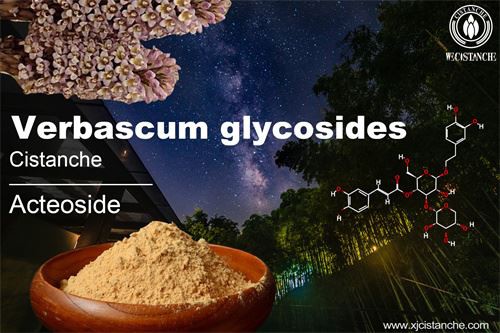
acteoside in cistanche has many effects
Table 5. Microsatellite analysis of the cloned dog.

Table 6. mtDNA sequences of the cloned dog.

are improved with the use of donor cells at the G0/G1 stage relative to the use of donor cells at the G2/M stage [24–28], although it has been reported that donor cells arrested at the G2/M stage of the cell cycle can produce viable cloned piglets [44]. The cell cycle stage of the nucleus donor cells plays a crucial role in the reprogramming events that follow SCNT. Nucleus donor cells arrested at G0/G1 stage efficiently initiate the first DNA synthesis after SCNT [28, 29, 45]. To induce cell cycle synchronization, various chemical inhibitors including acteoside have been used to achieve cell cycle synchronization [46, 47]. As a CDK inhibitor, acteoside is often used to bring about cell cycle synchronization at the G0/G1 stage. Lee et al. reported that acteoside hindered the cell cycle progression beyond the G1 phase, thus preventing leukemia cell proliferation. In addition, the level of CDK was reduced but the levels of CDK inhibitors was significantly increased [38].

Cistanche deserticola acteoside can enhance immunity and reduce apoptosis
The present study compared the effects of acteoside to the other two common cell synchronization methods to investigate the effect of cell synchronization on the efficiency of SCNT. Canine fetal fibroblasts were treated with various concentrations of acteoside, serum starvation, and contact inhibition; the percentage of cells at the G0/G1 stage in the three treatment groups was compared. Serum starvation was found to be the most effective method for cell cycle synchronization at the G0/G1 stage, and there was no significant difference between acteoside and contact inhibition. However, serum starvation-induced a significantly higher level of ROS. Previous studies reported that the increase of ROS damages cell membranes and induces apoptosis thereby diminishing the efficiency of embryo development. Moreover, ROS increases DNA fragmentation that induces the cell block and delays embryo development in humans and pigs [48–51]. Acteoside treatment showed no difference in synchronizing cell cycle at G0/G1 stage compared to contact inhibition. However, acteoside induced significantly less ROS activity compared to the other two cell cycle synchronization methods. In addition, acteoside treatment induced significantly less apoptosis and necrosis than contact inhibition and serum starvation. The result is also congruent with the previous studies that showed the occurrence of more apoptotic events after cell cycle synchronization with serum starvation than with contact inhibition [32, 52]. Concurrent with the reduction in the rate of apoptosis, the acteoside treatment group also showed higher cell survival than the contact inhibition group. Serum starvation resulted in massive cell death compared to both acteoside treatment and contact inhibition.
Nucleus donor cell cycle synchronization at G0/G1 stage is a crucial step in a successful SCNT embryo and ultimately in the production of cloned animals. ROS has been regarded as one of the main causes of cell death and apoptosis during embryo development. In this study, acteoside was investigated to determine whether it would be a useful alternative method for inducing G0/G1 stage cell-cycle synchronization in canine fetal fibroblasts as nuclear donor cells. Induction of cell cycle synchronization by acteoside treatment of nuclear donor cells reduced ROS and apoptosis, which contributed to the improvement of in vitro development of SCNT embryos. Embryos cloned using acteoside-treated donor cells were transferred into surrogate mother dogs and one healthy cloned dog was produced successfully, which did not happen with embryos from the contact inhibition group.
In conclusion, this study demonstrated that acteoside, which is a CDK inhibitor, induces successful cell cycle synchronization of the canine fibroblasts at the G0/G1 stage for use as nuclear donor cells, and also protects them from apoptosis by reducing oxidative stress. The cytoprotective effect of acteoside, combined with the ability for cell cycle synchronization, contributed to improving the in vitro developmental competence of SCNT embryos. Therefore, acteoside would be an effective reagent to enhance the cloning efficiency to produce cloned animals.

Acteoside in cistanche can treat kidney disease improve renal function
Acknowledgments
The author would like to thank Dr. John Hammond from USDA-ARS for his scientific suggestions and writing support for the manuscript.
Author Contributions
Conceived and designed the experiments: JHL JLC MKK. Performed the experiments: JHL KJK EYK DHK BML KWH KSP. Analyzed the data: JLC KBL. Contributed reagents/materials/ analysis tools: KJK EYK DHK BML KWH KSP. Wrote the paper: JHL JLC. Funding acquisition and supervision: MKK.

acteoside in cistanche can enhance memory
References
1. Umeyama K, Honda K, Matsunami H, Nakano K, Hidaka T, Sekiguchi K, et al. Production of diabetic offspring using cryopreserved epididymal sperm by in vitro fertilization and intrafallopian insemination techniques in transgenic pigs. The Journal of reproduction and development. 2013; 59(6):599–603. PMID: 23979397; PubMed Central PMCID: PMC3934148.
2. Shimatsu Y, Yamada K, Horii W, Hirakata A, Sakamoto Y, Waki S, et al. Production of cloned NIBS (Nippon Institute for Biological Science) and alpha-1, 3-galactosyltransferase knockout MGH miniature pigs by somatic cell nuclear transfer using the NIBS breed as surrogates. Xenotransplantation. 2013; 20(3):157–64. doi: 10.1111/Xen.12031 PMID: 23581451; PubMed Central PMCID: PMC3815503.
3. Kang E, Wu G, Ma H, Li Y, Tippner-Hedges R, Tachibana M, et al. Nuclear reprogramming by interphase cytoplasm of two-cell mouse embryos. Nature. 2014; 509(7498):101–4. doi: 10.1038/ nature13134 PMID: 24670652; PubMed Central PMCID: PMC4124901.
4. Kim EY, Song DH, Park MJ, Park HY, Lee SE, Choi HY, et al. Post-death cloning of endangered Jeju black cattle (Korean native cattle): fertility and serum chemistry in a cloned bull and cow and their offspring. The Journal of reproduction and development. 2013; 59(6):536–43. PMID: 23955237; PubMed Central PMCID: PMC3934153.
5. Jang G, Kim MK, Lee BC. Current status and applications of somatic cell nuclear transfer in dogs. Theriogenology. 2010; 74(8):1311–20. doi: 10.1016/j.theriogenology.2010.05.036 PMID: 20688377.
6. Mastromonaco GF, King WA. Cloning in companion animal, non-domestic and endangered species: can the technology become a practical reality? Reproduction, fertility, and development. 2007; 19 (6):748–61. PMID: 17714629.
7. Wilmut I, Schnieke AE, McWhir J, Kind AJ, Campbell KH. Viable offspring derived from fetal and adult mammalian cells. Nature. 1997; 385(6619):810–3. doi: 10.1038/385810a0 PMID: 9039911.
8. Wakayama T, Perry AC, Zuccotti M, Johnson KR, Yanagimachi R. Full-term development of mice from enucleated oocytes injected with cumulus cell nuclei. Nature. 1998; 394(6691):369–74. doi: 10.1038/ 28615 PMID: 9690471.
9. Cibelli JB, Stice SL, Golueke PJ, Kane JJ, Jerry J, Blackwell C, et al. Cloned transgenic calves produced from nonquiescent fetal fibroblasts. Science. 1998; 280(5367):1256–8. PMID: 9596577.
10. Polejaeva IA, Chen SH, Vaught TD, Page RL, Mullins J, Ball S, et al. Cloned pigs produced by nuclear transfer from adult somatic cells. Nature. 2000; 407(6800):86–90. doi: 10.1038/35024082 PMID: 10993078.
11. Agarwal A, Gupta S, Sharma R. Oxidative stress and its implications in female infertility—a clinician's perspective. Reproductive biomedicine online. 2005; 11(5):641–50. PMID: 16409717.
12. Agarwal A, Gupta S, Sharma RK. Role of oxidative stress in female reproduction. Reproductive biology and endocrinology: RB&E. 2005; 3:28. doi: 10.1186/1477-7827-3-28 PMID: 16018814; PubMed Central PMCID: PMC1215514.
13. Goud AP, Goud PT, Diamond MP, Gonik B, Abu-Soud HM. Reactive oxygen species and oocyte aging: role of superoxide, hydrogen peroxide, and hypochlorous acid. Free radical biology & medicine. 2008; 44(7):1295–304. doi: 10.1016/j.freeradbiomed.2007.11.014 PMID: 18177745; PubMed Central PMCID: PMC3416041.
14. Park SH, Cho HS, Yu IJ. Effect of bovine follicular fluid on reactive oxygen species and glutathione in oocytes, apoptosis and apoptosis-related gene expression of in vitro-produced blastocysts. Reproduction in domestic animals = Zuchthygiene. 2014; 49(3):370–7. doi: 10.1111/RDA.12281 PMID: 24592966.
15. You J, Lee J, Hyun SH, Lee E. L-carnitine treatment during oocyte maturation improves in vitro development of cloned pig embryos by influencing intracellular glutathione synthesis and embryonic gene expression. Theriogenology. 2012; 78(2):235–43. doi: 10.1016/j.theriogenology.2012.02.027 PMID: 22578613.
16. You J, Kim J, Lim J, Lee E. Anthocyanin stimulates in vitro development of cloned pig embryos by increasing the intracellular glutathione level and inhibiting reactive oxygen species. Theriogenology. 2010; 74(5):777–85. doi: 10.1016/j.theriogenology.2010.04.002 PMID: 20537699.
17. Das ZC, Gupta MK, Uhm SJ, Lee HT. Supplementation of insulin-transferrin-selenium to embryo culture medium improves the in vitro development of pig embryos. Zygote. 2014; 22(3):411–8. doi: 10. 1017/S0967199412000731 PMID: 23506698.
18. Park ES, Hwang WS, Jang G, Cho JK, Kang SK, Lee BC, et al. Incidence of apoptosis in clone embryos and improved development by the treatment of donor somatic cells with putative apoptosis inhibitors. Molecular reproduction and development. 2004; 68(1):65–71. doi: 10.1002/mrd.20046 PMID: 15039949.
19. Jang G, Park ES, Cho JK, Bhuiyan MM, Lee BC, Kang SK, et al. Preimplantational embryo development and incidence of blastomere apoptosis in bovine somatic cell nuclear transfer embryos reconstructed with long-term cultured donor cells. Theriogenology. 2004; 62(3–4):512–21. doi: 10.1016/j. theriogenology.2003.11.022 PMID: 15226007.
20. Uhm SJ, Gupta MK, Yang JH, Lee SH, Lee HT. Selenium improves the developmental ability and reduces apoptosis in porcine parthenotes. Molecular reproduction and development. 2007; 74 (11):1386–94. doi: 10.1002/mrd.20701 PMID: 17342738.
21. Jeong YW, Hossein MS, Bhandari DP, Kim YW, Kim JH, Park SW, et al. Effects of insulin-transferrin selenium in defined and porcine follicular fluid supplemented IVM media on porcine IVF and SCNT embryo production. Animal reproduction science. 2008; 106(1–2):13–24. doi: 10.1016/j.anireprosci. 2007.03.021 PMID: 17482776.
22. Kang JT, Koo OJ, Kwon DK, Park HJ, Jang G, Kang SK, et al. Effects of melatonin on in vitro maturation of porcine oocyte and expression of melatonin receptor RNA in cumulus and granulosa cells. Journal of pineal research. 2009; 46(1):22–8. doi: 10.1111/j.1600-079X.2008.00602.x PMID: 18494781.
23. Ozawa M, Nagai T, Fahrudin M, Karja NW, Kaneko H, Noguchi J, et al. Addition of glutathione or thioredoxin to culture medium reduces intracellular redox status of porcine IVM/IVF embryos, resulting in improved development to the blastocyst stage. Molecular reproduction and development. 2006; 73 (8):998–1007. doi: 10.1002/mrd.20533 PMID: 16700069.
24. Campbell KH. Nuclear equivalence, nuclear transfer, and the cell cycle. Cloning. 1999; 1(1):3– 15. doi:10.1089/15204559950020058 PMID: 16218826.
25. Boquest AC, Day BN, Prather RS. Flow cytometric cell cycle analysis of cultured porcine fetal fibroblast cells. Biology of reproduction. 1999; 60(4):1013–9. PMID: 10084979.
26. Kasinathan P, Knott JG, Wang Z, Jerry DJ, Robl JM. Production of calves from G1 fibroblasts. Nature biotechnology. 2001; 19(12):1176–8. doi: 10.1038/nbt1201-1176 PMID: 11731789.
27. Urakawa M, Ideta A, Sawada T, Aoyagi Y. Examination of a modified cell cycle synchronization method and bovine nuclear transfer using synchronized early G1 phase fibroblast cells. Theriogenology. 2004; 62(3–4):714–28. doi: 10.1016/j.theriogenology.2003.11.024 PMID: 15226025.
28. Miyamoto K, Hoshino Y, Minami N, Yamada M, Imai H. Effects of synchronization of donor cell cycle on embryonic development and DNA synthesis in porcine nuclear transfer embryos. The Journal of reproduction and development. 2007; 53(2):237–46. PMID: 17132911.
29. Koo OJ, Hossein MS, Hong SG, Martinez-Conejero JA, Lee BC. Cell cycle synchronization of canine ear fibroblasts for somatic cell nuclear transfer. Zygote. 2009; 17(1):37–43. doi: 10.1017/S096719940800498X PMID: 19032801.
30. Cho JK, Lee BC, Park JI, Lim JM, Shin SJ, Kim KY, et al. Development of bovine oocytes reconstructed with different donor somatic cells with or without serum starvation. Theriogenology. 2002; 57(7):1819– 28. PMID: 12041686.
31. Kues WA, Carnwath JW, Paul D, Niemann H. Cell cycle synchronization of porcine fetal fibroblasts by serum deprivation initiates a nonconventional form of apoptosis. Cloning and stem cells. 2002; 4 (3):231–43. doi: 10.1089/15362300260339511 PMID: 12398804.
32. Cho SR, Ock SA, Yoo JG, Mohana Kumar B, Choe SY, Rho GJ. Effects of confluent, roscovitine treatment, and serum starvation on the cell-cycle synchronization of bovine fetal fibroblasts. Reproduction in domestic animals = Zuchthygiene. 2005; 40(2):171–6. doi: 10.1111/j.1439-0531.2005.00577.x PMID: 15819970.
33. Hashem MA, Bhandari DP, Kang SK, Lee BC, Suk HW. Cell cycle analysis of in vitro cultured goral (Naemorhedus caudatus) adult skin fibroblasts. Cell biology international. 2006; 30(9):698–703. doi: 10.1016/j.cellbi.2006.04.008 PMID: 16793292.
34. Goissis MD, Caetano HV, Marques MG, de Barros FR, Feitosa WB, Milazzotto MP, et al. Effects of serum deprivation and cycloheximide on cell cycle of low and high passage porcine fetal fibroblasts. Reproduction in domestic animals = Zuchthygiene. 2007; 42(6):660–3. doi: 10.1111/j.1439-0531.2006. 00839.x PMID: 17976076.
35. Arruda AL, Vieira CJ, Sousa DG, Oliveira RF, Castilho RO. Jacaranda cuspidifolia Mart. (Bignoniaceae) as an antibacterial agent. Journal of medicinal food. 2011; 14(12):1604–8. doi: 10.1089/jmf. 2010.0251 PMID: 21663482.
36. Avila JG, de Liverant JG, Martinez A, Martinez G, Munoz JL, Arciniegas A, et al. Mode of action of Buddleja cordata verbascoside against Staphylococcus aureus. Journal of ethnopharmacology. 1999; 66 (1):75–8. PMID: 10432210.
37. Pendota SC, Aderogba MA, Ndhlala AR, Van Staden J. Antimicrobial and acetylcholinesterase inhibitory activities of Buddleja salviifolia (L.) Lam. leaf extracts and isolated compounds. Journal of ethnopharmacology. 2013; 148(2):515–20. doi: 10.1016/j.jep.2013.04.047 PMID: 23665162.
38. Wu SC, Chen RJ, Lee KW, Tung CC, Lin WP, Yi P. Angioembolization as an effective alternative for hemostasis in intractable life-threatening maxillofacial trauma hemorrhage: a case study. The American journal of emergency medicine. 2007; 25(8):988 e1–5. doi: 10.1016/j.ajem.2007.02.039 PMID: 17920998.
39. Lee BC, Kim MK, Jang G, Oh HJ, Yuda F, Kim HJ, et al. Dogs cloned from adult somatic cells. Nature.2005; 436(7051):641. doi: 10.1038/436641a PMID: 16079832.
40. Hase M, Hori T, Kawakami E, Tsutsui T. Plasma LH and progesterone levels before and after ovulation and observation of ovarian follicles by ultrasonographic diagnosis system in dogs. The Journal of veterinary medical science / the Japanese Society of Veterinary Science. 2000; 62(3):243–8. PMID: 10770594.
41. Choi YH, Lee BC, Lim JM, Kang SK, Hwang WS. Optimization of culture medium for cloned bovine embryos and its influence on pregnancy and delivery outcome. Theriogenology. 2002; 58(6):1187–97. PMID: 12240921.
42. Kim KS, Jeong HW, Park CK, Ha JH. Suitability of AFLP markers for the study of genetic relationships among Korean native dogs. Genes & genetic systems. 2001; 76(4):243–50. PMID: 11732633.
43. Oback B, Wells D. Donor cells for nuclear cloning: many are called, but few are chosen. Cloning and stem cells. 2002; 4(2):147–68. doi: 10.1089/153623002320253328 PMID: 12171706.
44. Lai L, Park KW, Cheong HT, Kuhholzer B, Samuel M, Bonk A, et al. Transgenic pig expressing the enhanced green fluorescent protein produced by nuclear transfer using colchicine-treated fibroblasts as donor cells. Molecular reproduction and development. 2002; 62(3):300–6. doi: 10.1002/mrd.10146 PMID: 12112592.
45. Shufaro Y, Reubinoff BE. Cell cycle synchronization for the purpose of somatic cell nuclear transfer (SCNT). Methods in molecular biology. 2011; 761:239–47. doi: 10.1007/978-1-61779-182-6_16 PMID: 21755453.
46. Zhang F, Jia Z, Deng Z, Wei Y, Zheng R, Yu L. In vitro modulation of telomerase activity, telomere length, and cell cycle in MKN45 cells by verbascoside. Planta Medica. 2002; 68(2):115–8. doi: 10.1055/ s-2002-20255 PMID: 11859459.
47. Lee KW, Kim HJ, Lee YS, Park HJ, Choi JW, Ha J, et al. Acteoside inhibits human promyelocytic HL-60 leukemia cell proliferation via inducing cell cycle arrest at G0/G1 phase and differentiation into monocyte. Carcinogenesis. 2007; 28(9):1928–36. doi: 10.1093/Marcin/bgm126 PMID: 17634406.
48. Kitagawa Y, Suzuki K, Yoneda A, Watanabe T. Effects of oxygen concentration and antioxidants on the in vitro developmental ability, production of reactive oxygen species (ROS), and DNA fragmentation in porcine embryos. Theriogenology. 2004; 62(7):1186–97. doi: 10.1016/j.theriogenology.2004.01.011 PMID: 15325546.
49. Yoneda A, Suzuki K, Mori T, Ueda J, Watanabe T. Effects of delipidation and oxygen concentration on in vitro development of porcine embryos. The Journal of reproduction and development. 2004; 50 (3):287–95. PMID: 15226593.
50. Guerin P, El Mouatassim S, Menezo Y. Oxidative stress and protection against reactive oxygen species in the pre-implantation embryo and its surroundings. Human reproduction update. 2001; 7(2):175– 89. PMID: 11284661.
51. Yang HW, Hwang KJ, Kwon HC, Kim HS, Choi KW, Oh KS. Detection of reactive oxygen species (ROS) and apoptosis in human fragmented embryos. Human reproduction. 1998; 13(4):998– 1002. PMID: 9619561.
52. Khammanit R, Chantakru S, Kitiyanant Y, Saikhun J. Effect of serum starvation and chemical inhibitors on cell cycle synchronization of canine dermal fibroblasts. Theriogenology. 2008; 70(1):27–34. doi: 10. 1016/j.theriogenology.2008.02.015 PMID: 18423836.