PART Ⅰ: Cost-effectiveness And Value Of Information Analysis Of NephroCheck And NGAL Tests Compared To Standard Care For The Diagnosis Of Acute Kidney Injury
Mar 25, 2022
Contact: joanna.jia@wecistanche.com / WhatsApp: 008618081934791
Elisabet Jacobsen, Simon Sawhney, Miriam Brazzelli, Lorna Aucott, Graham Scotlandbiomarkers & et al.
Background
Acute kidney injury (AKI) incidence among the adult general population is estimated at about 150 per 10,000 per year [1]. Hospitalised patients are at greater risk following cardiac surgery (ranging from 8 to 40%), abdominal surgery(13.4%),and major trauma(21 to 24%)[2-5].
Early diagnosis and treatment can prevent AKI(Acute kidney injury) progression, which may reduce the risk of chronic kidney disease (CKD), and mortality [1, 6-8]. Patients who develop AKI(Acute kidney injury) in hospital are more likely to require renal replacement therapy (RRT) or intensive care unit (ICU)admission for kidney organ support and have a longer length of stay(LOS). Cost implications to health services in England may be as high as E483 million per year [6]. In current standard care, AKI(Acute kidney injury) detection relies on monitoring changes in serum creatinine and urine output [9]. However, serum creatinine levels are not a precise indicator and can take days to rise to lead to delays in AKI(Acute kidney injury) recognition [2]. Novel biomarkers are intended to help detect AKI(Acute kidney injury) earlier, allowing initiation of prompt treatment with a care bundle to protect the kidneys, thereby improving outcomes and reducing healthcare costs. However, clinical and cost-effectiveness evidence for different biomarker tests is sparse, especially prior to admission to critical care [10-13]. This study uses a decision model to estimate the cost-effectiveness of four diagnostics from a UK National Health Service (NHS) perspective. Value of information(VOI) analyses identify areas of greatest uncertainty where future research should be prioritized.

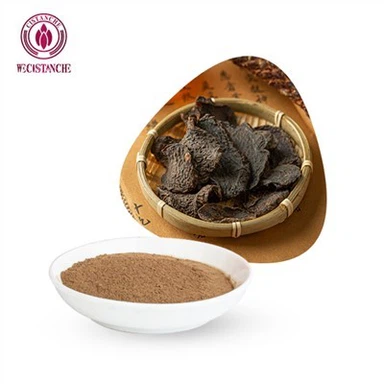
treatment option for kidney disease: cistanche herba
Methods Patient population
The modeled population was UK hospitalized adults, at risk of AKI(Acute kidney injury), who were having their kidney function monitored. The modeled population was designed to conform to the National Institute for Health and Care Excellence (NICE) assessment of diagnostic tests for AKI(Acute kidney injury)[14]. At model entry, the cohort had a mean age of 63, and 54.3%were female, based on a published study of AKI(Acute kidney injury) incidence in a UK population [1].
Interventions and comparators
Four biomarker tests were evaluated [14]. The NephroCheck test(Astute Medical)measures two biomarkers (tissue inhibitor of metalloproteinase 2[TIMP-2] and insulin-like growth factor binding protein 7 [IGFBP-7])in urine to calculate an AKI(Acute kidney injury) risk score. The threshold used for the NephroCheck test results to assess the risk of AKI(Acute kidney injury) was 0.3. The ARCHITECT urine NGAL assay (Abbott)is a chemiluminescent microparticle immunoassay to measure NGAL in human urine. The BioPorto NGAL test (BioPorto Diagnostics) is a particle enhanced turbidimetric immunoassay to determine NGAL in either human urine or plasma(considered as two different tests). No restrictions were placed on the threshold for assessing the risk of AKI(Acute kidney injury) for the NGAL test results (see the Diagnostic accuracy section for more details). All tests were assessed in addition to standard clinical monitoring (e.g.serum creatinine and urine output monitoring), compared to standard clinical monitoring alone. The reference baseline levels of serum creatinine are defined according to current clinical criteria (Risk, Injury, Failure, Loss of kidney function, and End-stage kidney disease(RIFLE), Kidney disease: Improving Global Outcomes(KDIGO), and Acute Kidney Injury Network (AKIN)).
Model structure
A decision tree combined with a Markov cohort model was developed in TreeAge Pro(TreeAge Software, Williamstown, MA,2019). The model structure(Fig.1)was adapted from Hall et al.[10], who shared access to their model files under a 'creative commons license. The model structure was validated with clinical experts in nephrology and intensive care medicine.

hesperidin uses
Decision tree (up to 90days)
The decision tree described the diagnostic accuracy and short-term health outcomes(admission to ICU, need for RRT, hospital LOS, and mortality)up to 90 days after test initiation. Tests may be true positive(TP), false negative(FN), true negative(TN), or false positive (FP). Biomarker tests may be beneficial if they can promptly and accurately identify AKI(Acute kidney injury) to enable appropriate early initiation of a protective care bundle which in turn can prevent further kidney damage. The benefits of prevention or a reduction in AKI(Acute kidney injury) severity(KDIGO stage) include reductions in LOS, need for RRT, ICU admission, development of CKD, and the risk of mortality. All test positive patients are modeled to receive the care bundle but only those with a TP test result receive early treatment benefits. AKI(Acute kidney injury) prevention means keeping patients in the"No AKI(Acute kidney injury)"model pathway. It is assumed that FN tests incur the same risks as standard care, assuming that all positive AKI(Acute kidney injury) cases will eventually be identified using serum creatinine monitoring. Due to a lack of evidence, no negative effects of FP tests were assumed for the base case analysis but we recognize that identification and kidney support in AKI(Acute kidney injury) may not be risk-free [15]. Scenario analyses explored an increased mortality risk associated with unnecessary removal of nephrotoxic treatments.
Markov model (lifetime horizon)
The Markov cohort model described CKD progression from early to subsequent end-stage renal disease (ESRD), need for dialysis, transplant, and mortality over a lifetime horizon from day 90 to death. The surviving cohort (at 90days) enter the Markov model in either the"CKD(1-4)" or"No CKD" state. The cohort then transitioned between six health states: "No CKD, "CKD (1-4), "ESRD", "Post ESRD+ dialysis", "Post-transplant" and"Death" in annual model cycles, according to a set of transition probabilities. A half-cycle correction is applied. It was assumed that reversion to milder states (e.g. "No CKD") was not possible. Those that had a failed transplant returned to dialysis, after which a subsequent transplant was possible. Other than the initial CKD risk, health state transitions are independent of 90-day AKI(Acute kidney injury) status. Annual mortality risk was modeled according to disease specific[16-18] and age, and sex-adjusted general population risks [19].

Fig. 1 Model structure
Model parameters
Full details of all model parameters (transition probabilities, relative risks, costs, and utilities) are provided in the Additional file, Table 1.
Diagnostic accuracy
Test sensitivity and specificity were obtained from a systematic review and random-effects meta-analysis where possible. This model was chosen because of the heterogeneity across studies regarding different threshold values used for a positive NGAL test and variation in the classification systems used to determine AKI(Acute kidney injury)(KDIGO, RIFLE, and AKIN). Table 1 describes the pooled diagnostic accuracy estimates obtained from 22 studies.
Clinical parameters
AKI(Acute kidney injury) incidence and severity were based on KDIGO staging (peak AKI(Acute kidney injury) status during hospitalization), obtained from a 2012 cohort of people admitted acutely to hospital in the Grampian region of Scotland [1].
The impact of early delivery of a KDIGO care bundle on AKI(Acute kidney injury) was assumed to be that obtained from Meersch et al, a German trial of 276 NephroCheck positive patients, which reported a 16.6%(95% CI:5.5 to 27.99%) absolute risk reduction in 72-h AKI(Acute kidney injury) for patients treated with a KDIGO care bundle compared to standard care [20]. The study also provided data to enable the calculation of the impact of the care bundle on AKI(Acute kidney injury) severity(KDIGO staging). No comparable data were available for NGAL tests. Clinical expert advice indicated that NGAL may not detect kidney stress before damage occurs. It was therefore conservatively assumed that NGAL may reduce severity but could not prevent AKI(Acute kidney injury).
The modeled hospital and postdischarge health outcomes associated with changes in AKI(Acute kidney injury) severity (need for ICU, 90day mortality, hospital length of stay)were obtained from a reanalysis of published observational data from N=17,630 patients admitted to Grampian (Scotland) hospitals in 2003, who were having their kidney function monitored through a blood test, and assumed to be at high risk of AKI(Acute kidney injury)[18,21,22]. Those with AKI(Acute kidney injury), and those classified as having more severe AKI(Acute kidney injury) were more likely to need ICU care, had longer hospital LOS and had a higher 90-day mortality risk. For those with AKI(Acute kidney injury), the probability of developing CKD was calculated using hazard ratios from a recent systematic review and meta-analysis [23].
The modeled effect on outcomes of averting or reducing the severity of AKI(Acute kidney injury) through testing may be confounded with patient underlying characteristics. Therefore, based on clinical expert advice, and the published literature [20, 23,24], we assumed that AKI(Acute kidney injury) mitigation/prevention leads to the full observed impact on CKD risk reduction obtained from the Grampian cohort data [23], some improvement(half the observed effect) in the need for ICU and hospital LOS and no improvement (none of the observed effect) in 90-day mortality [20, 24]. The extent to which observed associations are causal remains uncertain. Therefore, the proportion of the effect size applied in the model is varied in scenario analyses.
For the Markov cohort model, the proportion starting in the CKD state was calculated based on CKD prevalence(11.05% from the Grampian dataset) and hospital AKI(Acute kidney injury) severity. The remaining cohort with no initial CKD experienced an ongoing risk of developing CKD in the following cycles[10]. The remaining transition probabilities were obtained from a Swedish multicentre cohort study, the SHARP trial, Scottish registry data, and the UK Renal Registry [17, 25-27].
Table 1 Sensitivity and specificity data obtained from the systematic review

Costs
NHS perspective costs include the costs of test kits, staff time, hospital resource use up to day 90(this included a total number of days in a hospital ward and ICU from the point of index admission up to day 90), hospital resource use after day 90(including longer-term hospital costs post-discharge from hospital ward/ICU) and long term costs of CKD over a lifetime horizon.
Biomarker test costs included analyzers, equipment, maintenance, consumables, staff time, and training. Costs were based on manufacturer-provided data, clinical expert opinion, and unit costs for staff time (Additional file, Table 2). An additional three days of a preventative KDIGO care bundle was given to all test positive patients. This consisted of the avoidance of nephrotoxic agents, discontinuation of certain medications (ACE inhibitors and ARBs), regular monitoring of serum creatinine and urine output, steering clear of hyperglycemia, avoiding radiocontrast, and intense hemodynamic monitoring. This was costed at E106.36, based on NICE guidelines for preventing AKI(Acute kidney injury), and included the costs of nephrologist and pharmacist time, intravenous fluids, and clinical review of medications including those for blood pressure (ACE inhibitors, ARBs)[9]. Costs of LOS on a hospital ward, ICU, and RRT delivery were based on NHS reference costs [28].

bioflavonoids tablets
Markov health states costs for those without CKD, included outpatient follow-up, as an average of those who had and had not received ICU care as part of their index admission [25]. The remaining health state costs were obtained from the SHARP trial, including outpatient, day-case, and inpatient admissions [17]. Additional medication costs(immunosuppressant for a transplant patient, ESA for dialysis patients, and blood pressure medications for dialysis patients)were obtained from the literature, NICE guidance, and the BNF [16, 29-31]. All costs were incorporated in 2017/18 values and inflated where necessary using the Cochrane and Campbell economic methods group online tool [32].
Table 2 Base case cost-effectiveness results

Quality-adjusted life-years (QALYs)
QALYs combine length (accounting for mortality) and quality of life into a single measure for use in decision-making. Utility data were obtained from an updated version of the systematic review published by Hall et al. [10]. For the acute decision tree phase, no new utility studies were identified. Therefore, utilities from Hall et al. were used. The review identified several health state utility values for the post-discharge time period [33], CKD [34], ESRD[34], and dialysis [35] states. Where several utility studies were available, we prioritized those that used EQ-5D with a UK value set and larger sample sizes. All utilities used in the model were age and sex-adjusted to allow the quality of life to reduce naturally over time and to reconcile source study characteristics with the characteristics of the modeled cohort [36, 37].
Analysis
The decision model was analyzed probabilistically using Monte Carlo simulation, with 1000 random draws. Costs and QALYs accruing beyond the first year were discounted at 3.5% per annum[38]. Incremental cost-effectiveness ratios(ICERs) were calculated for each test compared to the next best alternative, excluding those that were more costly and less effective than an alternative (dominated). Uncertainty was illustrated using cost-effectiveness acceptability curves(CEACs) and a comprehensive range of scenario analyses was carried out to explore the impact of key assumptions on the ICER. Subgroup analyses were conducted to explore the cost-effectiveness by parameterizing the model using diagnostic accuracy data from several predefined sub-groups (critical care only, post-cardiac surgery only)(see Additional file, Table 5 and 6).
The expected value of perfect information (EVPI) and the expected value of perfect parameter information (EVPPI)were calculated for the model comparison of NephroCheck vs. standard care using the Sheffield Accelerated Value of Information(SAVI) tool [39, 40].In this case, EVPI helps establish the economic value of future research (for example a new randomized trial) that could help inform the cost-effectiveness of NephroCheck vs. standard care by comparing the decision value under current and perfect information. Given a positive EVPI indicating that future research is worthwhile, we then used EVPPI analysis to identify research areas, specifically model parameters, where future research should be prioritized to have the greatest impact on reducing decision uncertainty [39]. To complete the EVPI and EVPPI calculations the target population size was assumed to be the number of AKI(Acute kidney injury) episodes in England in 2018(564,738)[26], and the duration of time where the technology is relevant was assumed to be 10years [39].

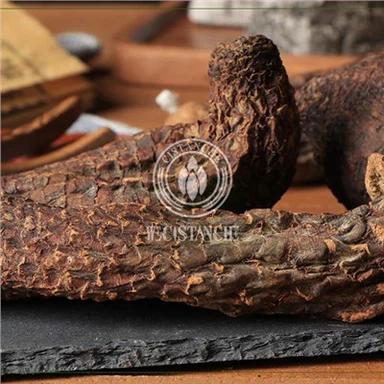
Note: The traditional Chinese medicinal herb cistanche (also known as the "dragon herb" and "desert ginseng"), grows only in the arid and warm deserts. As one of the nine immortal herbs, Cistanche (cistanche tubulosa/cistanche deserticola/desertliving cistanche/cistanche salsa)contents with rich effective ingredients such as echinacoside, acteoside, total phenylethanoid glycosides, flavonoids, polysaccharides, etc. these effective ingredients made cistanche a precious nourishing herb and food material for people's immunity, internal organs, and brain cells and neurons, etc. The modern pharmacological studies have confirmed the following effects of cistanche(benefits of cistanche): improve immunity; improve sexual function and kidney function; anti-fatigue; anti-aging; improve memory; anti-Parkinson's disease; anti-Alzheimer's disease; antioxidation; ease-constipation; anti-inflammatory; promote bone growth, whitening skin; protect liver; etc.