Part Ⅱ:COVID-19 Infection in Kidney Transplant Recipients
Mar 04, 2022
Contact: emily.li@wecistanche.com
Patient 4. A 65-year-old wheelchair-bound man, with a history of hypertensive nephrosclerosis and recurrent thromboembolic events, developed the end-stage renal disease in 2014 and received a deceased donor kidney transplant in August 2018. Seventeen months after kidney transplantation, he presented to the hospital with shortness of breath and chest pain and was admitted to ITU. He was diagnosed with a COVID-19 infection on March 15. MMF was stopped and he currently continues with tacrolimus and prednisolone. He was discharged from the ITU and is currently admitted to a medical ward still requiring4 to 6Loxygen to maintain saturations. Kidney function remained stable.
Cistanche prevent kidney disease
Patient 5. A 69-year-old woman with long-standing diabetes, hypertension, and end-stage kidney disease was on peritoneal dialysis therapy since 2012 and hemodialysis therapy since 2014; she received a deceased donor kidney transplantation on February 29 and was discharged on March 9. Her immunosuppressive treatment included tacrolimus, MMF, and prednisolone. Other medications included insulin, amlodipine 10 mg, ezetimibe 10 mg, levothyroxine 150 μg, co-trimoxazole 480 mg,as well as doxazosin 4 mg BD, and clonazepam 1 mg as needed. She presented with shortness of breath, fever(39°C), diarrhea, and vomiting on March 13. Her chest X-ray showed shad-owing of the left base on March 13 that worsened on March 19(Supplementary Figure S2A and B). She tested positive for SARS-CoV-2 RNA on March 14, 2020. She was unwell with oxygen saturation of 82% and blood pressure 166/52 mm Hg. Oxygen saturation improved to 97% with 4 l oxygen by nasal cannula. Hemoglobin was 74 g/l, serum N-terminal prohormone of brain natriuretic peptide 5186 ng/l, and serum fibrinogen 4.2 g/l. Her lymphocyte count decreased on day 3 of admission to 0.3×10/l and has remained low. Tacrolimus was continued, and MMF was stopped from March 14. She was treated initially with doxycycline, piperacillin-tazobactam, paracetamol, furosemide, and blood transfusion. She was moved to ITU on March 15 for respiratory support but did not need more than 5 l/min of oxygen and was transferred back to the ward on March 17. On March 20, her serum creatinine was 138 μmol/l. She remains an inpatient and is being managed in a general ward.
Patient 6. A 54-year-old man with urate nephropathy and past history of hereditary hemolytic anemia received a kidney transplant 7 years ago. He presented on March 10 with cough and fever(38.5°C) and tested positive for SARS-CoV-2 RNA on March 13. He was adequately hydrated, and his vitals were stable. He received paracetamol and continued his usual medications including Advagraf (Astellas Pharma Europe, Leiderdorp, the Netherlands)3.5 mg OD, MMF 500 mg BD, nifedipine 30 mg OD, atorvastatin 30 mg at night, bisoprolol 10 mg OD, ramipril 10 mg OD, doxazosin 8mg BD, alfacalcidol1 ug OD, and penicillin 250 mg OD. He developed AKI with a rise in creatinine from 145 μmol/l to 187 μmol/l. Hemoglobin was 141 g/l. Blood cell counts are shown in Table 2. He remained symptomatic on March 21 with a cough and mild fever. As the symptoms were not resolving, MMF was stopped, and he has managed to stay at home.
Patient 7. A 45-year-old man with a failing, second kidney transplant from September 2017 presented with fever, flu-like symptoms, cough for 7 days, and shortness of breath for 1 day. He had arterial hypertension with no other comorbidities. He was a sensitized recipient with panel reactive antibodies at 90% and therefore, was maintained on long-term triple immunosuppression: tacrolimus, azathioprine (switched in late 2018 from MMF due to gastrointestinal side effects), and prednisolone 10 mg OD. On admission on March 17, he was tachypneic and hypoxic with oxygen saturation of 90% on room air, which was corrected to >95% on 4 l/min oxygen through a nasal cannula. Nasal and throat swabs were positive for SARS-CoV-2 RNA. He developed AKI with serum creatinine 967 μmol/l and eGFR 5 ml/min per 1.73 m²(baseline creatinine∶ 400-450; baseline eGFR: 12-16). He was lymphopenic with a lymphocyte count of 0.3 ×10°/(baseline:1-1.2 × 10%/) with normal hemoglobin and white cell count. Liver function tests were normal on admission, but alanine aminotransferase went up to 138 U/l on day 4. Chest bilateral infiltrates X-ray revealed [: yr(Supplementary Figure S3). Azathioprine was stopped on admission, tacrolimus reduced, and prednisolone increased to 15 mg OD.So far, he needed 1 hemodialysis session. He is recovering from a respiratory point of view and as of March 23, 2020, the oxygen saturations are >95% on 2 l/min. He remains hemodynamically stable.

Cistanche treat kidney failure
Discussion
In this report, we discuss our first 7 cases of COVID-19 infection in kidney transplant recipients from south London, United Kingdom. The median age of transplant recipients was 54 years(range,45-69 years)comprising 4 men,3 women. Of 7 patients, 2 were managed on an outpatient basis and stayed at home, with the remaining 5(71%)requiring hospital admission. Four among the latter required ITU admission, and 1 is being managed in the renal ward. Of 4 patients sent to ITU, 2 needed intubation and ventilation; the other 2 were managed with oxygen through a mask and noninvasive ventilation only. There was 1 death in this small series of 7 patients (mortality rate of 14%). All 3 patients with severe disease were female and also had diabetes. Two patients presented within 3 months of kidney transplantation (1 within 2 weeks) while kidney transplant vintage was 12 months or more in the remaining 5 cases. The patients were managed in 3 centers and the total number of prevalent transplant patients in these centers was 2082, with 32 patients transplanted from December 15, 2019, to March 15, 2020, during the developing pandemic.
Transplant patients are at higher risk due to immunosuppression, underlying chronic kidney disease, and other comorbidities, in particular diabetes and hypertension, which are now recognized as significant factors that influence outcomes in patients with COVID-19 infection. Three of our patients had chronic kidney disease stages 4 to 5, with 1 recovering at home and 1 requiring hospital admission but recovering without needing ITU admission. The remaining 4 patients had chronic kidney disease stage 3, of which 2 had severe disease requiring intubation and ventilation and 1 of them died. Both patients who had severe COVID-19 including the one who died had diabetes mellitus.
Managing immunosuppression in these patients is challenging and should take into account age, the severity of COVID-19 infection, associated comorbidities, and time post-transplant. In transplant patients with mild to moderate infections, the usual practice is to continue or make reductions in the dose of immunosuppressive drugs, but this approach might favor high mortality in patients admitted to hospital with COVID-19 infection. While we acknowledge that firm recommendations are not possible based on the small sample size of this study, we suggest that antiproliferative agents (MMF and azathioprine) should be stopped at the time of admission to the hospital, a dose of prednisolone should be either unchanged or increased, and tacrolimus dose should be reduced. In severe infections (requiring intubation and ventilation), an argument can be made for stopping calcineurin inhibitors completely while maintaining corticosteroid therapy. The role of cytokine storm and inflammation due to antiviral immune response as a driver of severe respiratory dis-ease and acute respiratory distress syndrome has been discussed since the outbreak of this disease in December 2019, prompting trials of anti-interleukin 6 monoclonal antibody tocilizumab and the case for continuing steroids in infected patients. A similar argument can be made for continuing low-dose tacrolimus, but more evidence is needed before drawing firm conclusions. An obvious concern is a risk of rejection with a reduction in immunosuppression but given the high mortality rate of COVID-19 infection in hospitalized patients, clinicians should focus on keeping their patients alive with a careful case-by-case assessment of risks versus benefits of continuing immunosuppression. With regard to induction treatment, it is likely that lymphocyte-depleting antibodies increase the risk; therefore, many centers in the United Kingdom have stopped performing transplants requiring induction with either anti-thymocyte globulin or alemtuzumab. All patients in this series received basiliximab induction therapy at the time of transplantations."Five of the 7 patients presented here were receiving triple immuno-suppression. Two patients with mild illness who did not require hospital admission and recovered fully at home were on dual immunosuppression(1 on azathioprine plus prednisolone and 1 on tacrolimus plus MMF).

Echinacoside Can Treat kidney disease
With regard to concomitant therapy with angiotensin-converting enzyme inhibitors/angiotensin receptor blockers, in line with current UK Renal Association and European Society of Cardiology recommendations, these therapies were not discontinued. One of our 7 patients died, which is a mortality rate of 14%, although it is too soon to comment on likely mortality rates in this group of patients. Two of our patients presented within 3 months after transplantation and 1 presented within 2 weeks. UK National Health Service Blood and Transplant Organ Donation and Transplantation have since produced guidelines on COVID-19 screening in deceased donors and the transplant units are risk stratifying donors and recipients before considering kidney transplantation. Transplantation is a high-risk procedure during this pandemic due to the risk of transmitting COVID-19 infection from the donor to the recipient as well as the risk of the recipient developing severe disease under higher levels of immunosuppression in the first 3 months post-transplant. We suggest that apart from carefully selecting donor-recipient pairs, transplantation is not advisable during this pandemic, especially for older recipients with comorbidities, in particular diabetes. We have stopped performing living donor transplants and are in discussions to suspend the deceased donor program. In addition to significant concerns about the effect of COVID-19 on immunosuppressed patients, increasing worries about access to ITU in the coming weeks, and redistribution of staff to critical care to provide support for an increasing number of COVID-19 patients, it is likely that the deceased donor program will be suspended within most of the UK centers soon.
AKI has been described with COVID-19 infections in up to 15% of patients, and the occurrence of proteinuria or hematuria has been reported. In our series, the observation that 4 of 7 patients had AKI(57%)may be an early signal that transplant patients are at higher risk of AKI with COVID-19 infection, compared with 29% AKI in critically ill patients of the general population in Wuhan, China. Angiotensin-converting enzyme 2 and dipeptidyl peptidase, which are expressed in proximal tubule cells, have been identified as receptors for SARS-CoV and MERS-CoV. The uptake of the SARS-CoV-2 virus into the proximal tubular epithelium is a possible explanation for AKI.
With regard to prognostic blood tests including lymphocyte counts and serum levels of D dimer, ferritin and troponin are likely to be valuable. Four of 5 patients who required admission had lymphopenia, whereas the 2 who did not need admission had normal lymphocyte counts. As many patients on immunosuppression are likely to have baseline lymphopenia, a further drop in lymphocyte count is likely to be of prognostic value. In our patient who died, both D dimer and troponin levels were elevated on day 3 post-admission with a further marked increase (in particular D dimer)later during the course of her illness. In the absence of any obvious thromboembolic events, this suggests micro-vascular thrombosis or disseminated intravascular coagulation with possible gut ischemia. Very high ferritin and D dimer levels were also noted in the case of patient 7 of our series. We suggest that D dimer, ferritin, and troponin should be measured in all patients with severe COVID-19 infection on admission and subsequently in those who are not showing clinical improvement.
In 2 of our patients, the lung infiltrates showed significant improvement without any specific antiviral treatment 7 to 9 days post-admission. The patient who died is among them and was improving from the respiratory point of view. She died of an abdominal complication and the clinical diagnosis was possible bowel infarction or intra-abdominal sepsis. Based on this observation, we would like to highlight that the mortality in critically ill patients with COVID-19 infection could be due to extrapulmonary complications such as myocarditis or bowel involvement. With regard to specific antiviral therapies, although a recent trial showed no benefit of lopinavir-ritonavir in hospitalized patients with severe COVID-19, it remains possible that treatment with these drugs as well as hydroxychloroquine will be considered in patients with COVID-19 pneumonia.4 The choice of calcineurin inhibitor may also have a role to play. Thus, for instance, cyclosporin A has been shown to have an inhibitory effect on the proliferation of coronaviruses and hepatitis C virus in vitro, while this is not the case for tacrolimus. Cyclosporin A is thought to inhibit the replication of a diverse array of coronaviruses through its impact on cyclophilin A and B.15,16 While this needs further exploration, we do not think switching to cyclosporine A from tacrolimus can be recommended at this stage for transplant patients with COVID-19 infection.
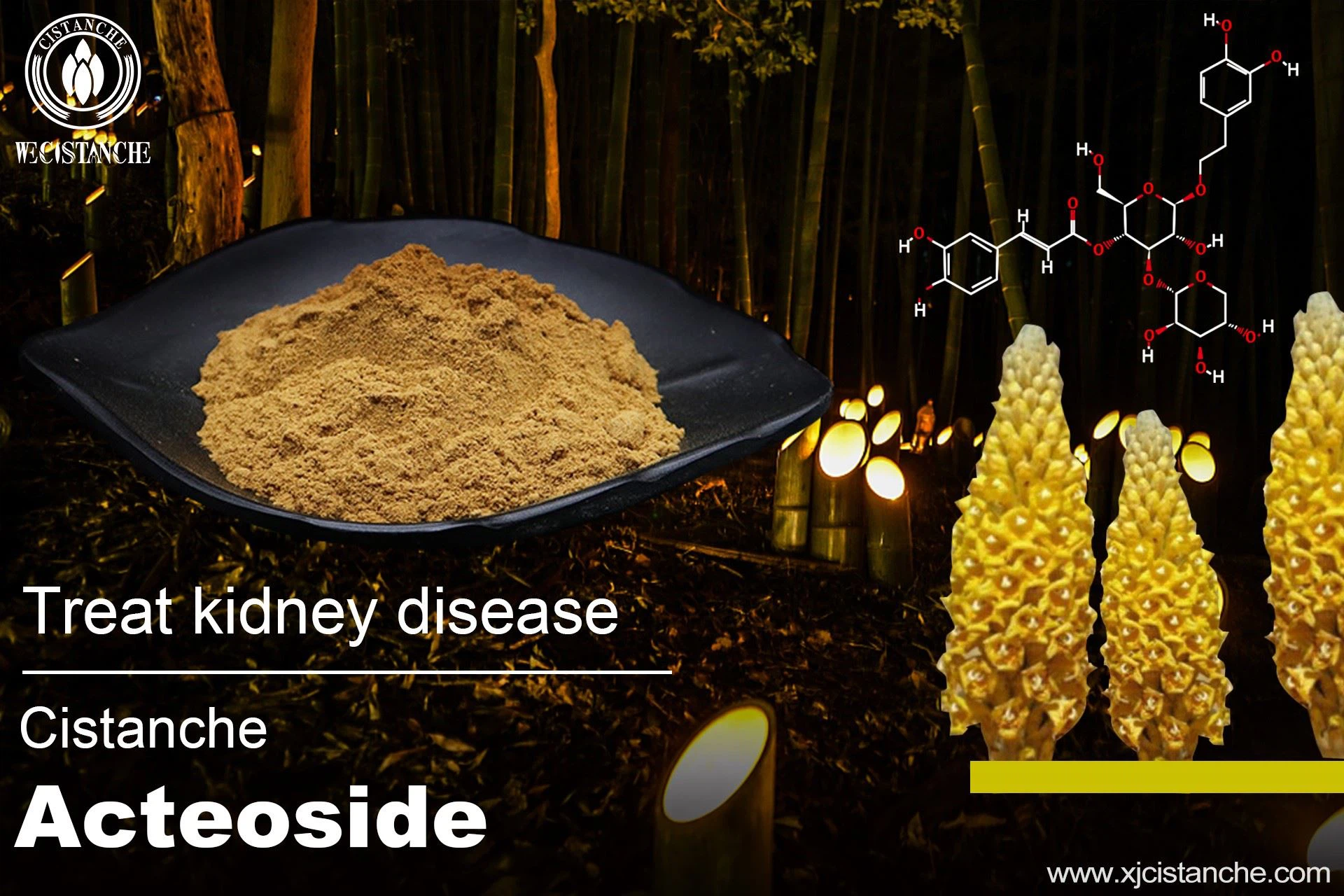
Acteoside treat kidney disease
In conclusion, in this first series of 7 renal transplant patients infected with SARS-CoV-2, 1 recipient died(14%)and significant AKI was observed. Lymphopenia, very high ferritin and D dimer levels, and raised troponin levels are seen in severe disease and may be of prognostic value. These tests should be part of routine testing in kidney transplant patients requiring hospital admission for COVID-19 infection. We suggest suspending kidney transplantation during the COVID-19 pandemic particularly for high-risk older recipients with comorbidities. Rigorous adherence to hand hygiene recommended isolation procedures, and regular assessment—virtually and/or telephonically—of transplant patients will help reduce the incidence and facilitate the management of mild-to-moderate cases in the community as we could in 2 of our 7 patients described.
The COVID-19 UK register has been set up by the UK transplant registry held by Organ Donation and Transplantation to record all cases of renal transplant patients presenting with COVID-19 infection and analysis of registry data will help clinicians make informed decisions about the management of these complex patients in these uncertain and rapidly evolving times.
DISCLOSURE: All the authors declared no competing interests.
References
11. Yang X Yu Y, Xu J, et al. Clinical course and outcomes of critically ill patients with SARS-CoV-2 pneumonia in Wuhan, China: a single-centered, retrospective, observational study [e-pub ahead of print].Lancet Respir Med. https://doi.org/10.1016/S2213 2600(20)30079-5. Accessed March 27, 2020.
12. Li W, Moore MJ, Vasilieva N, et al. Angiotensin-converting enzyme 2 is a functional receptor for the SARS coronavirus. Nature.2003;426:450-454.
13. Raj VS, Mou H, Smits SL, et al.Dipeptidyl peptidase 4isa functional receptor for the emerging human coronavirus-EMC. Nature.2013;495:251-254.
14. Cao B, Wang Y, Wen D, et al. A trial of lopinavir-ritonavir in adults hospitalized with severe Coyid-19 [e-pub ahead of print]. N Engl J Med. https://doi. org/10.1056/NEJMoa2001282.Accessed March 27, 2020. de Wilde AH, Zevenhoven-Dobbe JC, van der Meer Y, 15. et al. Cyclosporin A inhibits the replication of diverse coronaviruses. J Gen Virol.2011;92:2542-2548.
16. Tanaka Y, Sato Y, Sasaki T.Suppression of coronavirus replication by cyclophilin inhibitors. Viruses. 2013;5:1250-1260.