PART TWO Phenylethanol Glycosides Protect Myocardial Hypertrophy Induced By Abdominal Aortic Constriction Via ECE 1 Demethylation Inhibition And PI3K PKB ENOS Pathway Enhancement
Mar 06, 2022
Contact: Audrey Hu Whatsapp/hp: 0086 13880143964 Email: audrey.hu@wecistanche.com
In a previous study, we found that ECE-1 demethylation worked on hypertension and might have effects on the production of ET-1 [13]. Accordingly, we wondered whether CPhGs(PHENYLETHANOILD GLYCOSIDE FROM CISTANCHE) would affect the demethylation level of ECE-1. As shown in Figure 7, compared with the sham group, the methylation level of the ECE-1 in the myocardial tissue was increased significantly in the AAC group. At the same time, it was reduced significantly in AC 125, 250, and 500 mg/kg groups compared with the AAC group. -e level of ECE-1 gene demethylation in the AC 125 mg/kg group was significantly higher than that in the AV group; there was no significant difference in AC 125 mg/kg group, but a significant drop was found in AC 500 mg/kg group when compared to AV group.

3.7. CPhGs(PHENYLETHANOILD GLYCOSIDE FROM CISTANCHE) Decreased the Expression of ECE-1 in Myocardial Tissue of Rats after AAC.
To further understand the effect of ECE-1 methylation, we detected the expression of mRNA, protein, and immunohistochemistry of ECE-1 in myocardial tissue. As shown in Figure 8, compared with the sham group, the relative expression levels of ECE-1 mRNA, relative expression levels of protein, and the average area of myocardial immunohistochemistry were reduced signifificantly in the AAC group. Figure 8(c) reveals that compared with the AAC group, the relative expression levels of ECE-1 mRNA were reduced signifificantly in AC 250 and 500 mg/kg groups; when compared to the AV group, they were signifificantly higher in AC 125 and 250 mg/kg groups but were not signifificantly different in AC 500 mg/kg group. Meanwhile, as can be seen in Figures 8(a) and 8(b), compared with the AAC group, relative expression levels of ECE-1 protein were signifificantly decreased in the AC 250 and 500 mg/kg group; however, they were not signifificantly different in the AC 250 and 500 mg/kg group compared to those in AV group. Figures 8(d) and 8(e) indicate that, compared with the AAC group, the expression area of ECE-1 in the myocardial tissue of rats was reduced signifificantly in AC 125, 250, and 500 mg/kg group; however, compared with AV group, it was signifificantly higher in AC 125 and 250 mg/kg groups and showed no signifificant difference in AC500 mg/kg groups.
3.8. CPhGs(PHENYLETHANOILD GLYCOSIDE FROM CISTANCHE) Reduced the Plasma ET-1 Level in Rats after AAC.
We also measured plasma ET-1 levels in rats by ELISA, as shown in Figure 9, compared with the sham group, the plasma levels of ET-1 in the AAC group were increased significantly. Meanwhile, the plasma levels of ET-1 showed ascending trend in AC 125 mg/kg group but indicated no signifificant difffference in AC 250 and 500 mg/kg groups when compared to those in the AV group. 3.9. CPhGs(PHENYLETHANOILD GLYCOSIDE FROM CISTANCHE) Increased the Expression of PI3K/PKB/eNOS Pathway in Rats after AAC. PI3K/PKB/eNOS is an important pathway in the process of myocardial hypertrophy and has an important connection with ET-1 [14–16]. -erefore, we further detected the proteins expression levels of the PI3K/ PKB/eNOS pathway in rat myocardial tissue. As shown in Figure 10, compared with sham group, the relative expression levels of p-PI3K, p-PKB, and p-eNOS proteins in the AAC group were reduced significantly; however compared with the AAC group, the relative expression levels of p-PI3K were increased significantly in AC 250 and 500 mg/kg groups. At the same time, the relative expression levels showed a descending trend in AC 125 mg/kg group and showed no significant difference in AC 250 and 500 mg/kg groups compared to those in the AV group. As shown in Figure 10(b), compared with the AAC group, the relative expression levels of p-PKB were increased significantly in AC 250 and 500 mg/kg group. Meanwhile, they were significantly lower in AC 125 mg/kg group and were not significantly different in AC 250 and 500 mg/kg groups compared to those in the AV group. As shown in Figure 10(c), compared with the AAC group, the relative expression levels of p-eNOS were increased significantly in AC 125, 250, and 500 mg/kg groups; however, compared with the AV group, the relative expression levels presented a significantly downward trend in AC 125 and 250 mg/kg groups but showed no significant difference in AC 500 mg/kg group.

CISTANCHE BENEFIT
4. Discussion
Compared with hypertension patients, those with hypertension and cardiac hypertrophy have a 6-8 times increased probability of acute myocardial infarction, chronic heart failure, and even sudden cardiac death, which seriously affects the treatment and prognosis of hypertension [23, 24]. Under such circumstances, the treatment of hypertension should not be limited to the control of blood pressure. Accordingly, the reversal of cardiac hypertrophy, as the key factor, also deserves great concern. In patients with cardiac hypertrophy, cardiomyocyte protein synthesis is increased in number, enlarged in size, thickened in cell walls, together with the occurrence of more sarcomere, interstitial fifibroblast proliferation, and cardiac collagen proliferation. At the same time, the expression of cardiac hypertrophy markers, such as ANP, BNP, and β-MHC mRNA, is also increased [25–27]. As a traditional Chinese medicine for the treatment of female infertility and male impotence, the stem of Cistanche tubulosa was fifirst recorded in Shen Nong’s Materia Medica in ca. 100 B.C. and is currently widely used as a kind of healthy food in the Southeast Asia area [28]. In recent years, Cistanche tubulosa has drawn the attention of the medical community because of its signifificant biological activity. As a traditional antifatigue herb, not only Cistanche tubulosa has the function of muscle protection, but also its extract can improve ATP storage and reduce muscle damage after exercise in rats [29]. According to the results of ex vivo experiments, Cistanche tubulosa also has a protective effffect against statin-induced muscle toxicity with the help of the caspase pathway [30]. In addition, researchers have studied the pharmacological effffects of Cistanche tubulosa in protecting cardiovascular and other aspects and found that Cistanche tubulosa could inhibit the increase of fasting blood glucose and postprandial blood glucose, improve insulin resistance, and ameliorate dyslipidemia, as well as inhibit weight loss in db/db mice [31].

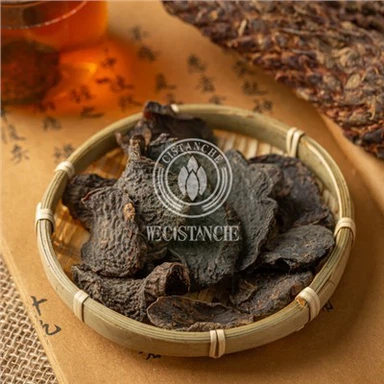
Cistanche tubulosa extract
Previous studies showed that CPhGs(PHENYLETHANOILD GLYCOSIDE FROM CISTANCHE) can reduce the damage of free radicals to the myocardial mitochondrial membrane and plasma omentum, reduce malondialdehyde content, reduce myocardial ultrastructural damage, increase myocardial mitochondrial antioxidant enzyme activity, reduce myocardial infarct size, improve the activity of phosphocreatine in myocardial tissue, and have a protective effect on ischemic myocardium [9, 10, 32]. We aimed to explore the effffects of CPhGs on pressure overload-induced cardiac hypertrophy. In this study, it was found that CPhGs decreased LVPWT, LVED, HWI, AMC, and cardiac hypertrophy gene levels (i.e., ANP, BNP, and β-MHC), increased EF and FS, inhibited cardiac hypertrophy, and improved cardiac function in rats. Besides, inflflammation is one of the key phenotypes in the pathogenesis of cardiac hypertrophy [33]. Some scholars had found that deletion of IL-6 might attenuate pressure overload-induced left ventricular hypertrophy and dysfunction [34]. And we found that CPhGs could not only decrease the plasma IL-6 level of rats after AAC but also reduce other proinflflammatory, such as COX-1, IL-1β, and TNF-α. In addition, CPhGs can also reduce COX-2 and HMGB-1 protein related to inflflammation. -e effects of CPhGs were dose-dependent with increasing drug doses. Moreover, it is worth mentioning that the high dose of CPhGs group had a signifificant protective effect on hypertrophic rats, similar to the effffect of the valsartan positive group. -therefore, CPhGs could be a potential pharmacological agent to inhibit pressure overload-induced cardiac hypertrophy. DNA methylation refers to a molecular DNA methylation modification process in which S-adenosyl-L-methionine acts as a methyl donor to obtain a methyl group through covalent bonding under the catalysis of DNA methyltransferases [35]. It is well known that ET-1 is the most potent vasoconstrictor and can strongly constrict medullary and medullary arteries, resulting in decreased natriuresis and increased blood pressure [36–38]. Being the key enzyme in the final step of endothelin production, ECE- 1 not only coexists with ET-1 in cardiovascular diseases but also can regulate ET-1 production. -us, ECE-1 can be rather essential to the development and progression of the disease [39]. In in vitro experiments on vascular endothelial cells, methylation of the CpG island in the ECE-1c promoter region decreases its transcriptional activity, resulting in decreased expression of ECE-1c, further leading to decreased production of ET-1 and decreased blood pressure in vivo, and this line of changes suggests that ECE-1 methylation may be involved in the pathology of hypertension [40, 41]. In our previous study, we also have found increased demethylation of ECE-1 in hypertensive patients [35]. -e results of the present study showed that CPhGs significantly reduced ECE-1 demethylation, decreased ECE-1 mRNA and protein expression, and reduced plasma ET-1 levels in the myocardium of rats with pressure overload-induced cardiac hypertrophy after AAC. Whether CPhGs affffect ECE-1 demethylation levels and whether they protect against cardiac hypertrophy in rats have not been clarifified. PI3K is the final pathway for cardiomyocyte hypertrophy from contractile to hypertrophic type [42]. Both isoforms of PI3K can be involved in cardiomyocyte hypertrophy, in which Pll0α is involved in physiological hypertrophy, while p110c is involved in pathological hypertrophy. P110, when knocked out in mice, can protect against cardiomyopathic pathological stimuli and plays a crucial role in the development and progression of cardiomyocyte hypertrophy [43]. PKB is central to this signaling pathway. Its activation can modulate molecular function by activating or inhibiting downstream effects or molecules through phosphorylation [44]. PI3K/PKB is also a key signaling pathway behind ET-1, and studies have shown that ET-1 can independently induce fifibroblast resistance to apoptosis through PI3K/PKB signaling activation [45].

Cistanche tubulosa supplement
Other studies have shown that ET-1 can regulate the activity of eNOS and the release of NO through endothelin receptor B1 [46]. As an important vasodilator, NO can antagonize the vasoconstrictive effects of ET-1 from multiple levels and maintain normal cardiovascular function [47]. In this study, the middle and high dose CPhGs(PHENYLETHANOILD GLYCOSIDE FROM CISTANCHE) groups showed a significant increase in p-PI3K, p-PKB, and p-ENOS. However, the high-dose CPhGs group had the same effffect as the AV group, which further demonstrated that CPhGs could inhibit cardiac hypertrophy in rats after AAC by activating the PI3K/PKB/eNOS signaling pathway. Other studies have also found a link between the PI3K/PKB pathway and inflammatory responses [48, 49]. Zou and other researchers have reported that in asthma, Brahman-related genes play an essential role in maintaining airway inflammation and affecting the PI3K/Akt/mTOR pathway [50]. In addition, CPhGs also decreased the expression of inflammation-related genes in myocardial tissue. -erefore, we speculated that CPhGs may attenuate the inflflammatory response in stress-overloaded rats by increasing the PI3K/PKB/eNOS signaling pathway. Overall, our study is the fifirst to demonstrate the protective effect of CPhGs on pressure overload-induced cardiac hypertrophy in rats after AAC, which may be related to the role CPhGs play in effffectively reducing the demethylation level of ECE-1 and enhancing the PI3K/PKB pathway. -is finding provide a new idea for the clinical research of hypertension hypertrophy and the development of new therapeutic drugs to prevent, control, and reverse hypertension hypertrophy. Although there are still many key questions waiting to be addressed, further understanding of the mechanisms by which CPhGs and PI3K/PKB mediate inflflammatory responses may shed new light on exploring cardiac hypertrophy treatment in the future.
5. Conclusions
Our results showed that CPhGs(PHENYLETHANOILD GLYCOSIDE FROM CISTANCHE) ameliorated myocardial hypertrophy rats by AAC, which may be related to ECE-1 demethylation inhibition and PI3K/PKB/eNOS enhancemen

Cistanche tubulosa supplement
Data Availability
All data included in this study are available upon request by contact with the corresponding author. Conflicts of Interest -e authors declare no conflicts of interest.
Authors’ Contributions
Shu-Ping You, Tao Liu, Jun Zhao, and Qiong-Ling Fan conceived and designed the experiments. Qiong-Ling Fan, Jia-Wei Wang, and Shi-Lei Zhang worked for methodology. Qiong-Ling Fan, Jia-Wei Wang, Shi-Lei Zhang, and Shu Ping You analysed the data. Qiong-Ling Fan, Jia-Wei Wang, and Shi-Lei Zhang wrote the manuscript. Shu-Ping You, Tao Liu, and Jun Zhao reviewed the manuscript. All of the authors read and approved the final manuscript.
Acknowledgments
-is work was funded by a major project of National Key Laboratory Jointly Established by the Provincial and Ministry in Xinjiang Uyghur Autonomous Region (SKLHIDCA-2018-3), National Natural Science Foundation of China (no. 8156140127), and a youth project of Natural Science Research in Xinjiang Uyghur Autonomous Region Higher Education Institution (XJEDU2019Y027).
References
[1] R. E. Katholi and D. M. Couri, “Left ventricular hypertrophy: a major risk factor in patients with hypertension: update and practical clinical applications,” International Journal of Hypertension, vol. 2011, Article ID 495349, 10 pages, 2011.
[2] E. D. Frohlich, “Left ventricular hypertrophy: a major factor of risk in Black hypertensive patients,” American Journal of Hypertension, vol. 27, no. 1, pp. 1-2, 2014.
[3] T. M. Okwuosa, E. Z. Soliman, F. Lopez, K. A. Williams, A. Alonso, and K. C. Ferdinand, “Left ventricular hypertrophy and cardiovascular disease risk prediction and reclassifification in blacks and whites: the atherosclerosis risk in communities study,” American Heart Journal, vol. 169, no. 1, pp. 155–161 e5, 2015.
[4] P. M. Okin, R. B. Devereux, K. E. Harris et al., “In-treatment resolution or absence of electrocardiographic left ventricular hypertrophy is associated with decreased incidence of new-onset diabetes mellitus in hypertensive patients: the losartan intervention for endpoint reduction in hypertension (LIFE) study,” Hypertension, vol. 50, no. 5, pp. 984–990, 2007.
[5] M. Salvetti, A. Paini, F. Bertacchini, et al., “Changes in left ventricular geometry during antihypertensive treatment,” Pharmacological Research, vol. 134, pp. 193–199, 2018.
[6] Y. Ye, H. Gong, X. Wang, et al., “Combination treatment with antihypertensive agents enhances the effffect of qiliqiangxin on chronic pressure overload-induced cardiac hypertrophy and remodeling in male mice,” Journal of Cardiovascular Pharmacology, vol. 65, no. 6, pp. 628–639, 2015.
[7] C. Fu, J. Li, A. Aspire, et al., “Cistanche tubulosa phenylethanoid glycosides induce apoptosis in Eca-109 cells via the mitochondria-dependent pathway,” Oncology Letters, vol. 17, no. 1, pp. 303–313, 2018.
[8] S. P. You, L. Ma, J. Zhao, S. L. Zhang, and T. Liu, “Phenylethanol glycosides from Cistanche tubulosa suppress hepatic stellate cell activation and block the conduction of signaling pathways in TGF-β11/smad as potential anti-hepatic fifibrosis agents,” Molecules, vol. 21, no. 1, p. 102, 2016.