Part2: Anti-Malignant Ascites Effect Of Total Diterpenoids From Euphorbiae Ebracteolatae Radix Is Attributable To Alterations Of Aquaporins Via Inhibiting PKC Activity in The Kidney
May 18, 2022
For more info. contact tina.xiang@wecistanche.com
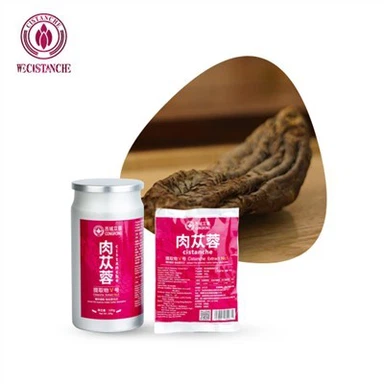
We all know that the kidney is the most important organ in the human body. If the kidney is not good, it needs to nourish the kidney. There are many ways to nourish the kidney. Some people will eat Cistanche to nourish the kidneys. Cistanche is rich in alkaloids, echinacoside, Verbascum glycosides crystalline neutral substances, amino acids, trace elements, vitamins, and other ingredients. Cistanche can also regulate the circulatory system, with the following effects: protect ischemic myocardium; lower blood lipids, resist atherosclerosis, and resist thrombosis; reduce peripheral vascular resistance, dilate peripheral blood vessels, and lower blood pressure; protect the liver and resist fatty liver.
3. Discussion
EER has historically been used in TCM for the treatment of abdominal distension and edema [1]. In this study, the anti- ascites effects of EER were investigated using H22 tumor cell-bearing ascitic mice. Malignant ascitic mice are widely used in research to study tumor and ascites treatments [21,22]. Our results showed that both EER and TDEE can significantly reduce ascites volume, whereas NTDEE had no effect. These results indicated that TDEE was the anti-ascites active fraction of EER. Previous studies have shown that the diterpenoids from EER have inhibitory activities on tumor cells in vitro [5,23]. However, this study found that they have no effects on the tumor cell viability, cell cycle, or apoptosis of tumor cells. Possible reasons for this discrepancy may include the differences in doses and poor correlation between in vivo and in vitro activities. TCM holds the view that EER is effective in the treatment of edema mainly by rapidly regulating the excretion of urine and feces [6]. Therefore, we analyzed the effect of TDEE on urine weight and fecal water content in ascitic mice. It should be noted that urine weight and ascitic fluid weight were both influenced by TDEE at doses of 3 and 0.6g raw herbs/kg, while fecal water content only increased at 3 g raw herbs/kg, so TDEE mainly decreased ascites volume by reducing the reabsorption of water in the kidneys. Renal water reabsorption plays a central role in the maintenance of body water homeostasis [16]. AQPs provide the main channels for the kidneys to reabsorb water and concentrate urine [24]. Consequently, the study of AQPs expression may provide a mechanism for decreasing ascites.
Various AQPs are expressed in different areas of the kidney.AOP1, AOP2, AOP3, and AQP4 are localized in renal epithelial cells and are closely related to water reabsorption in the kidney [25]. AQP1 is highly expressed in both apical and basolateral membranes of the proximal tubules and control>70% of water absorption in the glomerular filtrate [16]. AQP2, AOP3, and AOP4 are exclusively expressed in the collecting ducts, which are vital segments for regulating water balance and urine concentration [16]. In the present study, TDEE reduced the protein expression of AQP1, AQP2, AQP3, and AQP4 in mice kidneys. These findings were confirmed by the results of cell experiments in vitro. The AQPs inhibitory activities of the main diterpenoids in TDEE were assessed in the cell lines of the proximal tubule and collecting duct. Our results showed that diterpenoids in TDEE reduced AQPs protein and mRNA expression levels in HK-2 and mIMCD3 cells.

Click to contact the supplier for cistanche tubulosa buy
The relative expression levels of AQPs protein and mRNA of each diterpenoid were compared with the control group. Renal tubules are an important component of water reabsorption. Among the four diterpenoids, ent-abietane diterpenoids jolkinolide B(1269%of TDEE) had the strongest effect on AQP1 regulation in HK-2 cells. By comparing it with the structure of compound 2,jolkinolide B (compound 3) has two epoxy rings at positions of C-11 and 14. When the epoxy ring at C-11 and 14 were, respectively, converted to a hydroxyl and double bond in compound 2, the inhibitory activity of AQP1 disappeared. Urine concentration mainly occurs in the renal collecting tubules. The results from the mIMCD3 cells showed that the rosane diterpenoid compound 4 and norditerpenoid lactone compound 5 (accounting for 9.16% and 39.26% of TDEE, respectively)have the strongest inhibitory effects on AQP2, AQP3, and AQP4 expression. The inhibitory effects of ent-abietane diterpenoids were weak compared with these two types of diterpenoids. The inhibitory effects of different types of diterpenoids on various AOPs in the kidney were not the same, which may be due to variations in the chemical structure of diterpenoids and the response time of AQPs to each compound. Overall, these diterpenoids may impart synergistic inhibitory effects of AQPs. Because the activities of those diterpenoids were estimated in vitro, the activities of those compounds after metabolism in vivo remain unclear and thus need further investigation.
Several studies have suggested that PKC and PKA function in the regulation of AQPs [17-20]. PKC is a family of serine/threonine kinases involved in various cellular signal transductions [26]. The PKC family has included several isoforms [26]. After activation, the PKCs translocate from the cytosol to the plasma membrane, bind to diacylglycerol (DAG), and subsequently induce a series of physiological changes [27]. PKC translocation from the cytosol to the plasma membrane is an indicator of PKC activation [28]. DAG is generated by the PLC catalyzed hydrolysis of membrane phosphatidylinositol-4,5-bisphosphate (PIP2)[27]. In animal experiments, we measured the expression levels of PKCo and PKCβ in the membrane fraction. At the same time, we also detected the changes in the upstream proteins of PKC. The results suggested that TDEE decreased the expression of PKCβ on the cell membrane and inhibited the activity of PKCβ. However, no effect of TDEE on the phosphorylation level of PLC was observed. The TDEE may directly bind to PKCβ and inhibit the activation of PKCβ. PKA enzymatic activity is primarily controlled by regulatory subunits that form a holoenzyme complex with the catalytic subunits [29]The release of catalytic subunits is a hallmark of PKA activation [29]. We found that TDEE treatment had no effect on PKA activation. To explore whether the inhibition of AQP1, AQP2, AQP3, and AQP4 in kidneys is mediated through blocking the activation of PKC signals, we used PMA as a PKC agonist to interfere with the expression of AOP1, AOP2, AQP3, and AQP4 in HK-2 and mIMCD3 cells. Our results showed that euphebracteolatin A (the diterpenoid from TDEE) decreased the expression levels of AQP1, AQP2, AQP3, and AQP4 in kidney cells. Euphebracteolatin A-induced inhibition of AOP1, AOP2, AOP3, and AQP4 expression was blocked by PMA. Thus, we infer that TDEE regulated the expression of AQP1, AQP2, AQP3, and AQP4 by inhibiting the activation of PKCβ.PKC isoforms are numerous; TDEE may also regulate AQPs expression by inhibiting other isoforms that await further research. To date, the molecules downstream of PKC that regulate AQPs expression remain poorly understood. In the next step, we will focus on the downstream regulatory mechanisms of PKC.
In summary, TDEE is an active fraction of EER against ascites. TDEE consists of diterpenoids such as ent-abietane, Rosane, and norditerpene lactones types. TDEE and its diterpenoids can inhibit the reabsorption and concentration of water in the kidneys by reducing the expression levels of AQP1, AQP2, AQP3, and AQP4, thereby resolving ascites. The inhibition of AQP1, AQP2, AQP3 and AQP4 expression in kidneys by TDEE is related to the inhibition of PKCβ activation. This study may provide the basis for the clinical application of EER and the identification of candidate drugs that impart diuresis and anti-ascites effects.

4. Materials and Methods
4.1. Chemicals and Reagents
An albumin assay kit was purchased from Nanjing Jiancheng Bioengineering Institute (Nanjing, China). HPLC-grade acetonitrile was purchased from Media Co.(Anqing, China). Dulbecco's modified Eagle's medium (DMEM) was obtained from HyClone (Logan, UT, USA). Minimum essential medium with non-essential amino acids (MEM NEAA)and fetal bovine serum (FBS)were obtained from Procell Life Science & Technology Co., Ltd. (Wuhan, China).Rabbit-anti-AQP1 and AQP3 antibodies were obtained from EnoGene Co., Ltd.(Nanjing, China). Rabbit-anti-AQP2, AQP4, and mouse-anti-β-actin antibodies were purchased from Zen BioScience Co., Ltd.(Chengdu, China). Rabbit-anti-PKCα, PKCβ, PLC, and phospho-PLC(Tyr783) antibodies were purchased from Affinity Biosciences Co., Ltd.(Changzhou, China). Radio immunoprecipitation assay buffer(RIPA buffer), cell cycle, and cell apoptosis detection kits were provided by Yifeixue Biotechnology (Nanjing, China). A BCA kit was purchased from Beyotime Biotechnology (Shanghai, China). TRIzol reagent buffer was purchased from Thermo Fisher Scientific(Carlsbad, CA, USA). PVDF membranes were purchased from Millipore (Bedford, MA, USA). A cDNA synthesis kit was purchased from YEASEN Biotech Co., Ltd. (Shanghai, China).
4.2.Plant Material
The EER, the root of Euphorbia ebracteolate Hayata, was purchased from Baohetang Pharmaceutical Co., Ltd. (Bozhou, China) on September 15, 2017, and authenticated by Professor Harbin Hu of the Jiangsu Institute for Food and Drug Control. A voucher specimen (WH20170915)was deposited at the Herbarium of Traditional Chinese Medicine at the School of Pharmacy of Nanjing University of Chinese Medicine.
4.3. Extraction and Isolation of TDEE and Purification of Diterpenoids
The EER was pulverized using a mechanical grinder. The powder (100 g)was subjected to successive extraction on a Soxhlet extractor for6 h with dichloromethane. After that, the extract was concentrated under reduced pressure, which yielded dichloromethane extract. The dichloromethane extract was subjected to column chromatography (CC)on ODS eluting with 40% and 90% methanol sequentially. The eluent of 90% methanol was collected, concentrated, and dried to prepare the TDEE (2.4 g). The extracted residues were merged and extracted thrice with 95% ethanol. The extract was then combined and evaporated to dryness to obtain NTDEE(15.6g). TEER(19.8 g)was extracted from the EER powder(100 g) with 95% ethanol. These extracts were used in animal experiments.
The main compounds of TDEE were isolated using the following process. The root of EER(20 kg)was powdered and extracted with dichloromethane over 72 h at room temperature by maceration thrice. The dichloromethane extract was obtained and concentrated using a rotary evaporator. The residue was subjected to CC on silica gel using a gradient system of increasing polarity with CH, Cl, and MeOH (100:0-0:100)to afford 8 fractions (Fr. 1-Fr.8). Fr.4 was subjected to a silica gel column eluting with petroleum ether-EtOAc (from 50:1 to 1:1), followed by reversed-phase ODS CCeluting with MeOH-H, O from 60%to 80% to yield compounds 5 and 6. Fr.5 was chromatographed on a silica gel column eluting with petroleum ether-EtOAc(from 35:1 to 0:1)to yield 7 subfractions(Fr.5.1-Fr.5.7). Fr.5.3 was separated by ODS CC eluting with a MeOH-H2O(from 75%to 100%), followed
by semi-preparative HPLC(MeOH-H2O, from 75%to 100%)to afford compound 4.Fr.5.4 was chromatographed on a silica gel column eluting with petroleum ether-EtOAc (from 30:1 to 5:1), followed by a Sephadex LH-20(MeOH: CH2Cl, 1:1) and semi-preparative HPLC(MeOH-H, O, from 60%to 95%)to afford compound 3.Fr.5.6 was purified by ODS CC eluting with a MeOH-H2O gradient from 40:60 to 100:0, followed by Sephadex LH-20 CC (CHCl-MeOH, 1:1) to yield compounds 1 and 2.

4.4. In Vivo Experiments
4.4.1.Animals and Experimental Design
ICR male mice(weight: 18-22 g)were obtained from the Qing Long Shan Animal Breeding Farm (Nanjing, China). The mice were maintained in standard laboratory cages in moderate humidity (50%±5%)at constant temperature (22±1°C) in a 12 h light-dark cycle room. All animals had free access to food and water during the experimental period. The experimental protocol was approved by the Animal Ethics Committee of Nanjing University of Chinese Medicine (Nanjing, China).
A total of 90 male mice were randomly divided into 9 groups (n= 10). The control group was injected intraperitoneally with 0.2 mL saline. The mice in the other groups were i.p. inoculated with 1 × 10°H22 cells in a volume of 0.2 mL. All the drugs were suspended in water with 0.5%(wo/o)sodium carboxyl methylcellulose (0.5% Na-CMC). After 24 h, mice were treated via gavage every day according to the following scheme for 8 days: normal and model groups were administered 0.5% Na-CMC. Furosemide (6 mg/kg)was chosen as a positive control because it is extensively used to treat edematous diseases such as ascites by the diuresis effect. The TEER, TDEE, and NTDEE groups were administered corresponding extracts of EER (3.0 and 0.6 g raw herbs/kg).
4.4.2.Ascitic Fluid Weight, Urine Weight, and Fecal Water Content Assays
The mice from the model and treated groups were sacrificed, and ascitic fluid was collected from the peritoneal cavity. The fluid was then weighed on an electronic balance.
The mice were housed in individual cages. The feces were collected into weighed and sealed vials. After 5 h, the vials containing moist feces were weighed. Then the vials were dried to a constant weight at 105°C. The fecal water content (%)=((weight of vials containing moist feces- the weight of vials containing dried feces)/(weight of vials containing moist feces - the weight of vials))× 100.
The weight of urine excretion was measured by a modification of a previous method [30]. The mice were housed in individual beakers. The beakers were covered with a metal net on the mouths, then inverted on the plastic dishes containing superabsorbent polymer (SAP). In this test, the feces were cleaned. After 5h, the plastic dishes containing SAP and urine were weighed. The following equation was used to determine urine weight: urine weight (g) = weight of the plastic dishes containing SAP and urine weight of the plastic dishes containing SAP.
4.4.3. Serum Albumin Analysis
Blood from all groups was collected by orbital puncture and centrifuged at 5000× g for 10 min at 4°C. Serum albumin was measured using an albumin assay kit.
4.4.4. Tumor Cell Viability, Cycle, and Apoptosis Assays
After the mice were sacrificed, the ascitic fluid containing the tumor cells was collected from the peritoneal cavity and diluted 20 times with saline immediately. The viability of tumor cells was assessed by 0.4% trypan blue staining and counted in an automated cell counter (ALIT Life Science Co., Ltd., Shanghai, China).
The diluted cell suspension (0.5 mL) was centrifuged at 1000 g for 5 min at 4℃C. The cells were collected and fixed in cold 70% ethanol at 4°C overnight. After fixation, tumor cells were washed twice in PBS and centrifuged, and then incubated with RNase A solution (100 μL)for 30 min at 37°C. Finally, cells were incubated with 400μL propidium iodide
(PI) for 30 min at 4°C in the dark and filtered through a 300-mesh nylon membrane. The percentage of cells in different phases was analyzed using an Accuri C6 Flow Cytometer (BD Biosciences, San Jose, CA, USA).
Tumor cell apoptosis was detected using an Annexin V-FITC/PI Apoptosis kit. The diluted cell suspension (0.5 mL)was washed twice in PBS and centrifuged at 1000g for 5 min at 4°C. The cells were collected and resuspended in 100 uL binding buffer followed by incubation with 5 μL Annexin V-FITCand 10 μL PIstaining solution for 15 min at room temperature in the dark. Following incubation, 400 μL binding buffer was added to each tube. The cell apoptosis was detected by using an Accuri C6 Flow Cytometer.
4.4.5. Western Blot Analysis of AQPs, PKC, PKA, and PLCin the Kidneys
After the mice were sacrificed, the kidneys were isolated and snap-frozen and then stored at -80°C for protein expression analysis. The tissue samples were homogenized in RIPA lysis buffer. After storage at-20°C overnight, the tissue lysates were collected after centrifugation for 10 min at 12,000×g. After centrifugation, the supernatant was collected for the determination of total and phosphorylated proteins. The membrane proteins were extracted from the kidneys using a Membrane Protein Extraction Kit according to the manufacturer's protocol. The protein concentrations were determined using a BCA kit. The protein solutions were denatured in boiling water for 5 min and mixed with 5×loading buffer. Equal amounts of proteins were separated on 10% SDS-polyacrylamide gel electrophoresis, transferred to polyvinylidene difluoride(PVDF) membranes, and subsequently blocked by 5% albumin from bovine serum (BSA)for 2 h. After blocking, the membranes were incubated with primary antibodies against AOP1(1:2000), AOP2(1:1000), AQP3(1:2000),AQP4(1:1000), PKCα(1:2000), PKCβ (1:2000), PKA(1:2000), PLC(1:2000), p-PLC(1:800) and β-actin (1:5000) at 4°C overnight. Then, the membranes were washed with Tris-buffered saline containing 0.1% Tween-20(TBST), and the primary antibodies were detected with horseradish peroxidase-conjugated secondary antibodies(1:5000). The proteins were visualized with a chemiluminescence reagent and a Tanon 5200 chemiluminescence imaging system (Tanon, Shanghai, China). The blot bands were quantified by densitometry using ImageJ.

4.5. Determination of Six Major Diterpenoids in TDEE
Euphoria G, ent-1lα-hydroxyabicta-8(14),13(15)-dien-16,12-olide,jolkinolide B, EU-phebracteolatin A, Fischer A, and jolkinolide E were dissolved in acetonitrile into the appropriate concentrations. TDEE was also dissolved in acetonitrile to detect the ingredient contents using HPLC. HPLC analysis was performed on a Waters 2695 separations system equipped with a photodiode array detector(Waters, Milford, CT, USA) and an Agilent Eclipse XDB-C18 column (4.6 mm×250 mm, 5 μm). A mobile phase consisted of 0.1%formic acid water(A)and acetonitrile(B). The solvent was developed with a flow rate of 1 mL/min using the following gradient program:0-25 min, 65% B;25-40 min,65%-85% B;40-47 min, 85%-100%B. The injection volume was 10μL. The column temperature was 30°C, and a 265 mm wavelength was employed.
4.6. In Vitro Experiments
4.6.1. Cell Culture
The HK-2 and mIMCD3 cells were purchased from Procell Life Science & Technology Co., Ltd.(Wuhan, China). All cells were cultured in an incubator in a 5% CO2 atmosphere at 37°C until 90% confluency and then treated with different compounds and managed for the experiments. The HK-2 cells were grown in MEM NEAA supplemented with 10% FBS and 1% antibiotics, whereas the mIMCD3 cells were grown in a DMEM medium containing 10% FBS and 1% antibiotics.
4.6.2. Western Blot and Quantitative Reverse Transcription-PCR (qRT-PCR) Analyses of AQPs
HK-2 and mIMCD3 cells were seeded (5× 10⁵/well) in 6-well plates for 24 and 12 h before treatment. The cells were treated with different compounds for 8 h in 5%CO, an incubator at 37°C. Cells treated with 0.1% dimethyl sulfoxide were used as vehicle control. Post-treatment, cells were washed twice in cold PBS, harvested by scraping in RIPA lysis buffer, and then lysed. After storage at -20°C overnight, the lysates were clarified by centrifugation at 12,000×g for 10 min, and the supernatants were collected and used in Western blot analysis. Western blot was conducted as previously described in the animal experiments in this article.
For the isolation of total RNA. After incubation with different compounds for 8 h, the cells were washed with PBS and dissolved in TRIzol reagent buffer, and RNA was isolated according to the manufacturer's guidelines. cDNA was synthesized from an equal amount of RNA using a cDNA synthesis kit. The reaction mixture for gRT-PCR was prepared by the addition of cDNA, forward and reverse primers mentioned in Table 1, DEPC water, and SYBR green master mix. An Applied Biosystems 7500 Real-Time PCR instrument was used for gene expression analysis. The PCR conditions were as follows: initial denaturation at 95°C for 5min followed by 40cycles of 95°Cfor 10s and 60°C for 34s. Finally, PCR data were analyzed by double delta CT methods on a Microsoft Excel spreadsheet.
4.6.3. Effect of PKC agonist PMA on the AQPs Protein Expression in Kidney Cells
The HK-2 and mIMCD3 cells were plated onto6-well plates at a density of 5×10° cells/well. After cell attachment, the cells were pre-incubated with or without 200 nM PKC agonist (PMA) for 1.5 h, and then treated with euphebracteolatin A (2.5 μM) for 8 h. Total and membrane proteins extraction and Western blotting analysis were performed as described in detail previously.
4.7.Statistical Analysis
SPSS 19.0 analysis software was used for statistical analysis. The data were analyzed using one-way ANOVA or a rank-sum test. Numerical data were expressed as the mean ± standard deviation (SD). Differences with p<0.05 were considered statistically significant.