Personality Traits Predict 7-Year Risk Of Diagnosis Of Multiple Sclerosis: A Prospective Study
Oct 17, 2023
Why we will be tired? How can we solve the fatigue problems?
【Contact】Email: george.deng@wecistanche.com / WhatsApp:008613632399501/Wechat:13632399501
Abstract: Objective: The objective of the current study is to investigate how Big Five personality traits could predict the risk of multiple sclerosis (MS) diagnosis in 7 years. Methods: A binary logistic regression was used to analyze data from 17,791 participants who responded to questions at Wave 3 (collected between 2011 to 2012) and Wave 10 (collected between 2018 to 2019) using a binary logistic regression from UKHLS with a mean age of 47.01 (S.D. = 16.31) years old with 42.62% males. Results: The current study found that Openness (OR = 0.68, p < 0.01, 95% C.I. (0.51, 0.89)) and Conscientiousness (OR = 0.70, p < 0.05, 95% C.I. (0.52, 0.93)) are positively associated with a reduced risk of MS diagnosis in 7 years. Conclusion: Health professionals can use findings from the current study as evidence for developing tools for assessing the risk of MS, and providing interventions for people who may be at high risk of MS based on their personality traits.
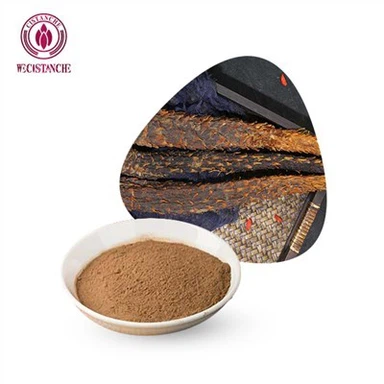
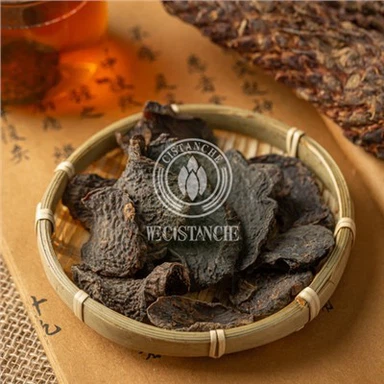
Cistanche can act as an anti-fatigue and stamina enhancer, and experimental studies have shown that the decoction of Cistanche tubulosa could effectively protect the liver hepatocytes and endothelial cells damaged in weight-bearing swimming mice, upregulate the expression of NOS3, and promote hepatic glycogen synthesis, thus exerting anti-fatigue efficacy. Phenylethanoid glycoside-rich Cistanche tubulosa extract could significantly reduce the serum creatine kinase, lactate dehydrogenase, and lactate levels, and increase the hemoglobin (HB) and glucose levels in ICR mice, and this could play an anti-fatigue role by decreasing the muscle damage and delaying the lactic acid enrichment for energy storage in mice. Compound Cistanche Tubulosa Tablets significantly prolonged the weight-bearing swimming time, increased the hepatic glycogen reserve, and decreased the serum urea level after exercise in mice, showing its anti-fatigue effect. The decoction of Cistanchis can improve endurance and accelerate the elimination of fatigue in exercising mice, and can also reduce the elevation of serum creatine kinase after load exercise and keep the ultrastructure of skeletal muscle of mice normal after exercise, which indicates that it has the effects of enhancing physical strength and anti-fatigue. Cistanchis also significantly prolonged the survival time of nitrite-poisoned mice and enhanced the tolerance against hypoxia and fatigue.

Click on Over fatigue
Keywords: multiple sclerosis; personality; Big Five; Openness; Conscientiousness
1. Introduction
Personality refers to a set of enduring traits that can be reflected in one’s feelings, thoughts, and behaviors, which have been proven to be stable over time. The Big Five model of personality consists of five broad traits/domains including Neuroticism, Agreeableness, Openness, Conscientiousness, and Extraversion [1,2]. Most psychologists agree that the Big Five model of personality can capture the most basic level of individual differences and other personality models can be translated into the Big Five personality model [3–5]. Specifically, Neuroticism refers to the tendency to be emotionally unstable and have higher chances of experiencing negative affect, depression, anxiety, and psychological distress. Agreeable people tend to be cooperative, altruistic, and empathic. People with high Openness tend to have various interests, appreciate arts and beauties, and prefer novelty to routine. Conscientiousness refers to the tendency to be task-focused, organized, and self-disciplined. Finally, Extraversion refers to the tendency of being talkative, assertive, and sociable.
Personality traits are agreed to be predictors of health [6]. The relationships between personality traits and health can even be held across decades, as shown by the finding that personality traits in childhood are predictive of self-rated health in middle age [7]. Moreover, these findings can extend beyond self-ratings of health [8] to more objectively assessed health measures, such as physician-rated health [9], biomarkers of health [10], and longevity [11–13]. There has been growing interest in exploring the predictive value of personality traits in various diseases. For instance, there are prospective associations between Big Five personality traits and disease later, such as the risk of stroke, lung disease, and heart condition [14].
Multiple sclerosis (MS) is a chronic neurodegenerative disease of the central nervous system. The prevalence of MS has recently increased, affecting around 2.8 million people in the world [15]. There have been some cross-sectional studies that documented the differences in personality traits between patients with MS and people without MS [16–21]. However, few of them used the Big Five model to measure personality traits [22]. The most typical finding is that patients with MS tend to have increased Neuroticism [19–21]. One study has also suggested that MS patients have lower Conscientiousness [16,23]. found higher Neuroticism but lower Agreeableness and Extraversion in a small sample of MS patients. However, some studies at a large scale found minimal or/or non-significant differences in personality traits between patients with MS and healthy controls [24–26].
Thus, although some cross-sectional findings compare differences in personality traits between MS patients and healthy controls, these associations can be bidirectional as personality traits may be risk factors for MS, and MS can lead to brain damage that causes personality change. It remains largely unclear regarding how Big Five personality traits could prospectively predict the risk of MS. The current study aims to explore how the Big Five personality traits could predict the diagnosis of MS in 7 years.
2. Methods
2.1. Data
This study used data from Understanding Society: the UK Household Longitudinal Study (UKHLS), which has been collecting annual information from the original sample of UK households since 1991 [27]. Participants completed the demographics and personality questions at Wave 3, which was collected between 2011 and 2012, and questions regarding if they had been clinically diagnosed with MS at Wave 10, which was collected between 2018 and 2019. All data collections have been approved by the University of Essex Ethical Committee. Participants completed informed consent agreements before participation in all studies. This data set is publicly available at https://www.understandingsociety.ac.uk (accessed on 1 September 2022). Participants with any missing variables of interest were removed from further analysis. Thus, there were 17,791 participants with a mean age of 47.01 (S.D. = 16.31) years old with 42.62% males remaining for further analysis.

2.2. Measures
2.2.1. Personality Traits
Personality was measured using the 15-item version of the Big Five Inventory, with a Likert scale ranging from 1 (“disagree strongly”) to 5 (“agree strongly”). Scores were reverse-coded when appropriate. The exact set of questions used to ask participants can be found at https://www.understandingsociety.ac.uk/documentation/mainstage/dataset-documentation/term/personality-traits?search_api_views_fulltext= (accessed on 1 September 2022). Mean scores were used for each of these traits. All personality scores were standardized (mean = 0, SD = 1) before further analysis.
2.2.2. MS
Participants answered the question “Has a doctor or other health professional ever told you that you have any of these conditions? Multiple sclerosis.” to indicate if they have been diagnosed with MS. Self-reported MS is a valid measure of MS status and has been used in various studies [28,29].
2.2.3. Demographic Controls
Demographic controls in the model include age (continuous), sex (male = 1 vs. female = 2), monthly income (continuous), highest educational qualification (college = 1 or below college = 2), legal marital status (single = 1 vs. married = 2), and residence (urban = 1 vs. rural = 2).
2.3. Analysis
Personality traits including Neuroticism, Agreeableness, Openness, Conscientiousness, and Extraversion scores were standardized before (mean = 0, S.D. = 1) further analysis. A binary logistic regression was used by taking demographics including age, sex, monthly income, highest educational qualification, legal marital status, residence, and standardized personality traits scores at Wave 3 predictors to predict every diagnosis of MS at Wave 10.
3. Results
Descriptive statistics can be found in Table 1. The current study found that being a female (OR = 2.37, p < 0.01, 95% C.I. (1.29, 4.36)) and receiving at least a college education (OR = 2.42, p < 0.01, 95% C.I. (1.41, 4.15)) are positively related to the risk of MS diagnosis in 7 years, whereas Openness (OR = 0.68, p < 0.01, 95% C.I. (0.51, 0.89)) and Conscientiousness (OR = 0.70, p < 0.05, 95% C.I. (0.52, 0.93)) are associated with a reduced risk of MS diagnosis in 7 years (Table 2).

4. Discussion
Taken together, this prospective study aimed to test whether Big Five personality traits are predictive of MS diagnosis in 7 years. By analyzing data from 17,791 participants using a binary logistic regression from UKHLS, the current study found that Openness and Conscientiousness are prospectively associated with a reduced risk of MS diagnosis in 7 years.
The current study adds a substantial amount of evidence to the literature regarding the health benefits of Openness and Conscientiousness [30–32]. Indeed, recent studies have indicated that Openness is related to more physical activities [33], better physical functions [34,35], and low inflammations [36], which can then reduce the risks of MS diagnosis in 7 years [37].
The finding that higher Conscientiousness is associated with a reduced risk of MS diagnosis in 7 years agrees with a previous cross-sectional study regarding lower Conscientiousness scores among MS patients [16]. Conscientiousness is also positively related to health-promoting behaviors such as more physical activities [38], and fewer behaviors that may be detrimental to health, such as smoking and alcohol use [39–41]. In addition, Conscientiousness is associated with a lower risk of physiological dysfunction [42], inflammation [36], and depressive symptoms [43] over time, which are risk factors for MS [37]. This link can also be partially explained by biological factors. Indeed, Conscientiousness is associated with healthier metabolic, cardiovascular, and inflammatory markers [36,42], which may lead to a reduced risk of MS diagnosis in 7 years [37].
Despite the strengths of the current study including a prospective approach, and well-controlled sociodemographic characteristics, there are also some limitations. First, the current study did not control for well-identified risk factors of MS, including high latitude, smoking, low vitamin D levels, and Epstein–Barr virus (EBV) infection, which makes it hard to test whether these risk factors serve as potential mediators for the associations between personality traits and risk of MS diagnosis in 7 years [37]. Future studies should test the potential mediators that exist in the association between personality traits and the risk of MS diagnosis. Second, the current study focused on self-reported data. Future studies should use more objective assessments to measure personality traits and MS diagnosis. Third, the current study focused on samples from the United Kingdom, which may make it hard to generalize the current findings to other countries and contexts. Future studies should test if these associations still exist in other countries. Finally, the p-value of Conscientiousness was only below 0.5, so perhaps more data would be needed to confirm this finding.
In conclusion, this current study found that high Openness and Conscientiousness are related to a lower risk of MS diagnosis in 7 years, which supports the emerging evidence regarding the role of personality traits in the health process [6,44] and as risk factors for chronic diseases. Health professionals can use findings from the current study as evidence for developing tools for assessing the risk of MS and providing interventions for people who may be at high risk of MS based on their personality traits.
Funding: This research received no external funding.
Institutional Review Board Statement: Ethics approval was received from the University of EssexEthics Committee.
Informed Consent Statement: Informed consent was obtained from all subjects involved in the study.
Data Availability Statement: Publicly available datasets were analyzed in this study. This data can be found here: https://www.understandingsociety.ac.uk.
Conflicts of Interest: The authors declare no conflict of interest.

References
1. Costa, P.T., Jr.; McCrae, R.R. Professional Manual for the NEO PI-R and NEO-FFI; Psychological Assessment Resources: Odesa, Ukraine, 1992.
2. McCrae, R.R.; Costa, P.T., Jr. The five-factor theory of personality. In Handbook of Personality: Theory and Research; The Guilford Press: New York, NY, USA, 2008.
3. Goldberg, L.R. The structure of phenotypic personality traits. Am. Psychol. 1993, 48, 26. [CrossRef] [PubMed]
4. Marshall, G.N.; Wortman, C.B.; Vickers, R.R.; Kusulas, J.W.; Hervig, L.K. The five-factor model of personality as a framework for personality-health research. J. Personal. Soc. Psychol. 1994, 67, 278. [CrossRef]
5. McCrae, R.R.; Costa, P.T. Validation of the five-factor model of personality across instruments and observers. J. Personal. Soc. Psychol. 1987, 52, 81. [CrossRef]
6. Hampson, S.E. Personality processes: Mechanisms by which personality traits “get outside the skin”. Annu. Rev. Psychol. 2012, 63, 315. [CrossRef] [PubMed]
7. Hampson, S.E.; Goldberg, L.R.; Vogt, T.M.; Dubanoski, J.P. Mechanisms by which childhood personality traits influence adult health status: Educational attainment and health behaviors. Health Psychol. 2007, 26, 121–125. [CrossRef] [PubMed]
8. Stephan, Y.; Sutin, A.R.; Luchetti, M.; Hognon, L.; Canada, B.; Terracciano, A. Personality and self-rated health across eight cohort studies. Soc. Sci. Med. 2020, 263, 113245. [CrossRef]
9. Chapman, B.P.; Lyness, J.M.; Duberstein, P.R. Personality and medical illness burden among older adults in primary care. Psychosom. Med. 2007, 69, 277–282. [CrossRef]
10. Hampson, S.E.; Edmonds, G.W.; Goldberg, L.R.; Dubanoski, J.P.; Hillier, T.A. Childhood conscientiousness relates to objectively measured adult physical health four decades later. Health Psychol. 2013, 32, 925–928. [CrossRef] [PubMed]
11. Jokela, M.; Batty, G.D.; Nyberg, S.T.; Virtanen, M.; Nabi, H.; Singh-Manoux, A.; Kivimäki, M. Personality and all-cause mortality: Individual-participant meta-analysis of 3947 deaths in 76,150 adults. Am. J. Epidemiol. 2013, 178, 667–675. [CrossRef]
12. Kern, M.L.; Friedman, H.S. Do conscientious individuals live longer? A quantitative review. Health Psychol. 2008, 27, 505. [CrossRef]
13. Roberts, B.W.; Kuncel, N.R.; Shiner, R.L.; Caspi, A.; Goldberg, L.R. The power of personality: The comparative validity of personality traits, socioeconomic status, and cognitive ability for predicting important life outcomes. Perspect. Psychol. Sci. 2007, 2, 313–345. [CrossRef] [PubMed]
14. Weston, S.J.; Hill, P.L.; Jackson, J.J. Personality traits predict the onset of disease. Soc. Psychol. Personal. Sci. 2015, 6, 309–317. [CrossRef]
15. Walton, C.; King, R.; Rechtman, L.; Kaye, W.; Leray, E.; Marrie, R.A.; Robertson, N.; La Rocca, N.; Uitdehaag, B.; Van Der Mei, I.; et al. Rising prevalence of multiple sclerosis worldwide: Insights from the Atlas of MS. Mult. Scler. J. 2020, 26, 1816–1821. [CrossRef] [PubMed]
16. Christodoulou, C.; Deluca, J.; Johnson, S.K.; Lange, G.; Gaudino, E.A.; Natelson, B.H. Examination of Cloninger’s basic dimensions of personality in fatiguing illness: Chronic fatigue syndrome and multiple sclerosis. J. Psychosom. Res. 1999, 47, 597–607. [CrossRef] [PubMed]
17. Johnson, S.K.; DeLuca, J.; Natelson, B.H. Personality dimensions in the chronic fatigue syndrome: A comparison with multiple sclerosis and depression. J. Psychiatr. Res. 1996, 30, 9–20. [CrossRef] [PubMed]
18. Lima, F.S.; Simioni, S.; Bruggimann, L.; Ruffieux, C.; Dudler, J.; Felley, C.; Michetti, P.; Annoni, J.-M.; Schluep, M. Perceived behavioral changes in early multiple sclerosis. Behav. Neurol. 2007, 18, 81–90. [CrossRef] [PubMed]
19. Merkelbach, S.; König, J.; Sittinger, H. Personality traits in multiple sclerosis (MS) patients with and without fatigue experience. Acta Neurol. Scand. 2003, 107, 195–201. [CrossRef]
20. Ožura, A.; Erdberg, P.; Šega, S. Personality characteristics of multiple sclerosis patients: A Rorschach investigation. Clin. Neurol. Neurosurg. 2010, 112, 629–632. [CrossRef]
21. Penner, I.K.; Bechtel, N.; Raselli, C.; Stöcklin, M.; Opwis, K.; Kappos, L.; Calabrese, P. Fatigue in multiple sclerosis: Relation to depression, physical impairment, personality and action control. Mult. Scler. J. 2007, 13, 1161–1167. [CrossRef] [PubMed]
22. Maggio, M.G.; Cuzzola, M.F.; Latella, D.; Impellizzeri, F.; Todaro, A.; Rao, G.; Manuli, A.; Calabrò, R.S. How personality traits affect functional outcomes in patients with multiple sclerosis: A scoping review on a poorly understood topic. Mult. Scler. Relat. Disord. 2020, 46, 102560. [CrossRef]
23. Benedict, R.H.; Priore, R.L.; Miller, C.; Munschauer, F.; Jacobs, L. Personality disorder in multiple sclerosis correlates with cognitive impairment. J. Neuropsychiatry Clin. Neurosci. 2001, 13, 70–76. [CrossRef] [PubMed]
24. Benedict, R.H.; Hussein, S.; Englert, J.; Dwyer, M.G.; Abdelrahman, N.; Cox, J.L.; Munschauer, F.E.; Weinstock-Guttman, B.; Zivadinov, R. Cortical atrophy and personality in multiple sclerosis. Neuropsychology 2008, 22, 432. [CrossRef]
25. Benedict, R.H.; Wahlig, E.; Bakshi, R.; Fishman, I.; Munschauer, F.; Zivadinov, R.; Weinstock-Guttman, B. Predicting quality of life in multiple sclerosis: Accounting for physical disability, fatigue, cognition, mood disorder, personality, and behavior change. J. Neurol. Sci. 2005, 231, 29–34. [CrossRef]

26. Rätsep, T.; Kallasmaa, T.; Pulver, A.; Gross-Paju, K. Personality as a predictor of coping efforts in patients with multiple sclerosis. Mult. Scler. J. 2000, 6, 397–402. [CrossRef] [PubMed]
27. University of Essex, Institute for Social and Economic Research. Understanding Society: Waves 1-11, 2009-2020 and Harmonised BHPS: Waves 1-18, 1991-2009. [Data Collection]. 16th Edition. UK Data Service. SN: 6614. Available online: http://doi.org/10.5 255/UKDA-SN-6614-17 (accessed on 1 September 2022).
28. Gupta, S.; Goren, A.; Phillips, A.L.; Dangond, F.; Stewart, M. Self-reported severity among patients with multiple sclerosis in the US and its association with health outcomes. Mult. Scler. Relat. Disord. 2014, 3, 78–88. [CrossRef] [PubMed]
29. Le, H.H.; Ken-Opurum, J.; LaPrade, A.; Maculaitis, M.C.; Sheehan, J.J. Assessment of the economic burden of fatigue in adults with multiple sclerosis: An analysis of US National Health and Wellness Survey data. Mult. Scler. Relat. Disord. 2022, 65, 103971. [CrossRef]
30. Friedman, H.S.; Kern, M.L. Personality, well-being, and health. Annu. Rev. Psychol. 2014, 65, 719–742. [CrossRef]
31. Kern, M.L.; Hampson, S.E.; Goldberg, L.R.; Friedman, H.S. Integrating prospective longitudinal data: Modeling personality and health in the Terman Life Cycle and Hawaii Longitudinal Studies. Dev. Psychol. 2014, 50, 1390. [CrossRef]
32. Strickhouser, J.E.; Zell, E.; Krizan, Z. Does personality predict health and well-being? A meta-synthesis. Health Psychol. 2017, 36, 797. [CrossRef]
33. Sutin, A.R.; Stephan, Y.; Luchetti, M.; Artese, A.; Oshio, A.; Terracciano, A. The five-factor model of personality and physical inactivity: A meta-analysis of 16 samples. J. Res. Personal. 2016, 63, 22–28. [CrossRef] [PubMed]
34. Stephan, Y.; Sutin, A.R.; Bayard, S.; Križan, Z.; Terracciano, A. Personality and sleep quality: Evidence from four prospective studies. Health Psychol. 2018, 37, 271. [CrossRef]
35. Stephan, Y.; Sutin, A.R.; Bovier-Lapierre, G.; Terracciano, A. Personality and walking speed across adulthood: Prospective evidence from five samples. Soc. Psychol. Personal. Sci. 2018, 9, 773–780. [CrossRef]
36. Luchetti, M.; Barkley, J.M.; Stephan, Y.; Terracciano, A.; Sutin, A.R. Five-factor model personality traits and inflammatory markers: New data and a meta-analysis. Psychoneuroendocrinology 2014, 50, 181–193. [CrossRef]
37. Olsson, T.; Barcellos, L.F.; Alfredsson, L. Interactions between genetic, lifestyle and environmental risk factors for multiple sclerosis. Nat. Rev. Neurol. 2017, 13, 25–36. [CrossRef] [PubMed]
38. Kroencke, L.; Harari, G.M.; Katana, M.; Gosling, S.D. Personality trait predictors and mental well-being correlate with exercise frequency across the academic semester. Soc. Sci. Med. 2019, 236, 112400. [CrossRef]
39. Hakulinen, C.; Hintsanen, M.; Munafò, M.R.; Virtanen, M.; Kivimäki, M.; Batty, G.D.; Jokela, M. Personality and smoking: Individual-participant meta-analysis of nine cohort studies. Addiction 2015, 110, 1844–1852. [CrossRef]
40. Kang, W. Personality predicts smoking frequency: An empirical examination separated by sex. Personal. Individ. Differ. 2022, 199, 111843. [CrossRef]
41. Luchetti, M.; Sutin, A.R.; Delitala, A.; Stephan, Y.; Fiorillo, E.; Marongiu, M.; Masala, M.; Schlessinger, D.; Terracciano, A. Personality traits and facets linked with self-reported alcohol consumption and biomarkers of liver health. Addict. Behav. 2018, 82, 135–141. [CrossRef]
42. Sutin, A.R.; Stephan, Y.; Terracciano, A. Facets of conscientiousness and objective markers of health status. Psychol. Health 2018, 33, 1100–1115. [CrossRef] [PubMed]
43. Hakulinen, C.; Elovainio, M.; Pulkki-Råback, L.; Virtanen, M.; Kivimäki, M.; Jokela, M. Personality and depressive symptoms: Individual participant meta-analysis of 10 cohort studies. Depress. Anxiety 2015, 32, 461–470. [CrossRef] [PubMed]
44. Chapman, B.P.; Duberstein, P.R.; Sörensen, S.; Lyness, J.M. Personality and perceived health in older adults: The five-factor model in primary care. J. Gerontol. Ser. B Psychol. Sci. Soc. Sci. 2006, 61, P362–P365. [CrossRef] [PubMed]
Disclaimer/Publisher’s Note: The statements, opinions, and data contained in all publications are solely those of the individual author(s) and contributor(s) and not of MDPI and/or the editor(s). MDPI and/or the editor(s) disclaim responsibility for any injury to people or property resulting from any ideas, methods, instructions, or products referred to in the content.
【Contact】Email: george.deng@wecistanche.com / WhatsApp:008613632399501/Wechat:13632399501