Preliminary Answers To The Latest Cochrane Systematic Review
Jul 04, 2023
This Cochrane systematic review, published in the journal Cochrane Database Syst Rev. (impact factor 12.008), examines the efficacy of exercise as an adjunctive treatment for SLE. The results suggest that exercise may be effective in reducing fatigue and improving physical function, but no beneficial effects were seen on pain symptoms and disease activity.

Click to cistanche herba for kidney disease
Given the small number of included studies and the low certainty of the evidence, this Cochrane review could not draw strong conclusions about efficacy. High-quality randomized controlled studies are still needed in the future to explore this important topic.
Systemic lupus erythematosus (SLE) is a systemic disease characterized by visceral involvement, a characteristic cheek rash on the face, joint and muscle pain, and severe fatigue. Management of SLE includes but is not limited to, pharmacotherapy, including disease-modifying antirheumatic drugs (DMARDs), nonsteroidal anti-inflammatory drugs (NSAIDs), and nonpharmacologic measures such as sun protection, vitamin D supplementation, patient education, and exercise. At present, exercise is generally used as an adjuvant treatment for SLE patients.
In this context, it is worth exploring whether exercise is safe and effective for SLE patients. A Cochrane Review published on 19 April in the Cochrane Database Syst Rev. (impact factor 12.008) explores this issue.
method
The analysis used standard Cochrane searches up to 30 March 2022 to include randomized controlled trials ( RCTs ) of exercise as an adjunct to pharmacotherapy for SLE compared with placebo, pharmacotherapy, and other non-pharmacological measures. Assessments included fatigue (Functional Assessment of Chronic Disease Therapy-Fatigue Inventory [FACIT-F] or Fatigue Severity Scale [FSS]), physical function (SF-36 Physiological Function), disease activity, pain (SF-36 Pain), and severe Multiple indicators including adverse events. And use GRADE to assess the level of evidence. The specific search strategy, inclusion criteria, data collection, and analysis can be found in the original literature.
result
A total of 13 studies including 540 participants were included in this systematic review, which was at high risk of bias and imprecision. The main results are as follows:
➤Exercise + conventional medication vs. placebo + conventional medication
Exercise (whole-body vibration training with vibrating machines) compared with placebo (no vibration) in addition to usual medical treatment showed no beneficial effects on fatigue, physical function, and pain (low-certainty evidence). In terms of fatigue, the scores were 33 vs. 38; in terms of physical function, the scores were 67.5 vs. 70; in terms of pain, the scores were 34 vs. 43.

➤Exercise + conventional drugs vs. conventional drugs alone
Based on conventional drug therapy, increased exercise had no beneficial effects on fatigue, physiological function, and disease activity.
➤Exercise + conventional drugs vs. other non-drug measures + conventional drugs
Also based on conventional pharmacotherapy, exercise may reduce fatigue and improve physical function compared with other non-drug measures (such as education or relaxation therapy) (low-quality evidence), but does not affect disease activity (moderate-quality evidence) and No beneficial effect was seen for pain symptoms (low-quality evidence)
in conclusion
In this systematic review, there was low-moderate quality evidence that exercise may improve fatigue symptoms and improve physical function in patients with SLE compared with placebo, no exercise, or other non-drug measures, with no effect on pain symptoms or disease activity Beneficial effects; due to the limited number of studies reporting adverse events, it was not possible to determine whether exercise is potentially harmful. These results are not specific to one type or intensity of exercise given that exercise programs varied across the 13 included studies. Furthermore, most patients in the study had low disease activity (SLEDAI score <4) at baseline, so the above findings do not apply to all patients with SLE.

The researchers suggest that clinicians should formulate individualized exercise programs based on individual physical abilities and limitations, and have professionals such as physical therapists monitor the effects of exercise. When starting any new exercise program, SLE patients should actively consult medical staff for advice, choose exercises that are suitable for their physical fitness, and avoid exercising under sun exposure (UV index > 3).
How does Cistanche treat kidney disease?
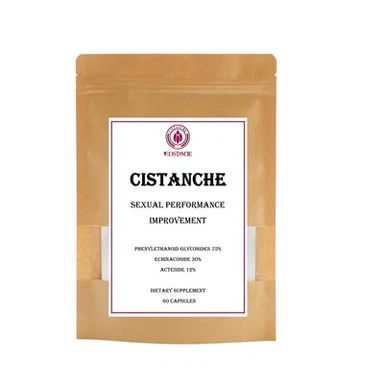
Cistanche is a traditional Chinese herbal medicine that has been used for centuries to treat various health conditions, including kidney disease. It is derived from the dried stems of Cistanche deserticola, a plant native to the deserts of China and Mongolia. The main active components of cistanche are phenylethanoid glycosides, echinacoside, and acteoside, which have been found to have beneficial effects on kidney health.
Kidney disease, also known as renal disease, refers to a condition in which the kidneys are not functioning properly. This can result in a buildup of waste products and toxins in the body, leading to various symptoms and complications. Cistanche may help treat kidney disease through several mechanisms.
Firstly, cistanche has been found to have diuretic properties, meaning it can increase urine production and help eliminate waste products from the body. This can help relieve the burden on the kidneys and prevent the buildup of toxins. By promoting diuresis, cistanche may also help reduce high blood pressure, a common complication of kidney disease.

Moreover, cistanche has been shown to have antioxidant effects. Oxidative stress, caused by an imbalance between the production of free radicals and the body's antioxidant defenses, plays a key role in the progression of kidney disease. Cistanche's antioxidant properties help neutralize free radicals and reduce oxidative stress, thereby protecting the kidneys from damage. The phenylethanoid glycosides found in cistanche have been particularly effective in scavenging free radicals and inhibiting lipid peroxidation.
Additionally, cistanche has been found to have anti-inflammatory effects. Inflammation is another key factor in the development and progression of kidney disease. Cistanche's anti-inflammatory properties help reduce the production of pro-inflammatory cytokines and inhibit the activation of inflammatory pathways, thus alleviating inflammation in the kidneys.
References:
Frade S, O'Neill S, Greene D, et al. Exercise as adjunctive therapy for systemic lupus erythematosus[J]. CD014816.pub2. PMID: 37073886;
Cochrane Database Syst Rev. 2023 Apr 19;4(4): CD014816. doi 10.1002/14651858. PMCID: PMC10115181.