Progress in Pharmacological Research On Traditional Chinese Medicine For Cardiovascular Protection: Ginseng, Cistanche Tubulosa, And Astragalus Membranaceus
Jul 07, 2026
Cardiovascular and cerebrovascular diseases are conditions of the heart, brain, and other vital visceral and vascular systems, caused by various factors. The incidence rate of cardiovascular and cerebrovascular diseases is increasing year by year, which has become one of the major diseases threatening human health globally. Research targeting the prevention and intervention of cardiovascular and cerebrovascular disorders has drawn extensive academic attention. Meanwhile, natural traditional Chinese medicines, including ginseng, Cistanche tubulosa, and astragalus, exhibit definite protective effects against vascular lesions, arousing wide interest in their updated pharmacological research progress.

Desert living cistanche-Protect cardio cerebral blood vessels
1. Study on the Application of Ginseng
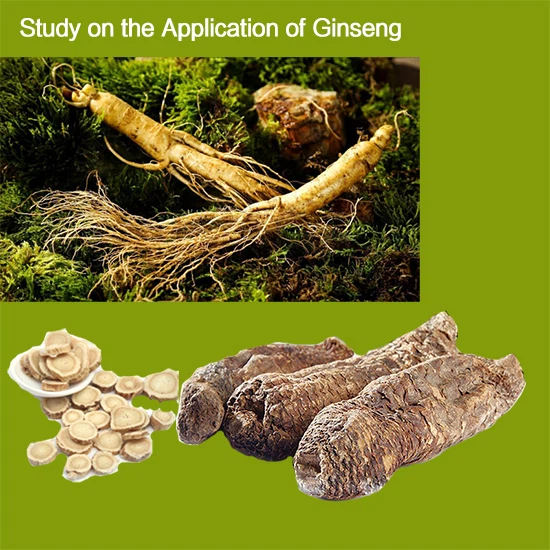
Ginseng is a classic tonic Chinese medicinal herb with multiple health-promoting properties, such as tonifying deficiency, nourishing visceral organs, boosting immune function, and regulating cardiovascular homeostasis. Existing pharmacological studies confirm that total ginsenosides possess potent anti-ischemic and antioxidant activities, presenting promising preventive and therapeutic efficacy against cardiovascular and cerebrovascular diseases.
Total ginsenosides represent the core bioactive fraction of ginseng, with major monomer components including ginsenoside Rb1, Rg1, and Re. A mass of preclinical evidence reveals that total ginsenosides mitigate cardiovascular-cerebrovascular risk via multi-pathway regulatory mechanisms. For instance, they ameliorate cardiac systolic and diastolic function, alleviate myocardial ischemia-reperfusion injury, and elevate cardiac output. Moreover, total ginsenosides suppress neutrophil overactivation and lipid peroxidation, relieve oxidative stress-mediated tissue damage, inhibit excessive free radical accumulation, and reduce lipid membrane peroxidative rupture. They also strengthen the reactive oxygen species (ROS) scavenging capacity of vascular endothelial cells, attenuate endothelial oxidative injury, optimize the intravascular microenvironment, and block the initiation and progression of cardiovascular and cerebrovascular lesions.
Study on the Application of Ginseng
In summary, total ginsenosides, as the primary active ingredients of ginseng, exert pleiotropic cardiovascular-protective pharmacological effects and occupy a vital position in the prevention and treatment of cardiovascular and cerebrovascular diseases. Further clinical translational research and clinical application promotion of total ginsenosides are urgently required in routine medical practice.
2. Study on the Application of Cistanche tubulosa (Expanded Supplementary Content Marked in Bold)
Cistanche tubulosa, reputed as "desert ginseng", is a precious desert tonic herb endemic to Xinjiang, China, with diverse pharmacological activities including anti-aging, anti-fatigue, potent antioxidant, hepatoprotective, and immunomodulatory effects. Modern pharmacological trials have demonstrated that crude extracts of Cistanche tubulosa exert significant lipid-lowering, vasorelaxant, neuroprotective, and anti-thrombotic effects, offering broad therapeutic potential for cardiovascular and cerebrovascular disorders.

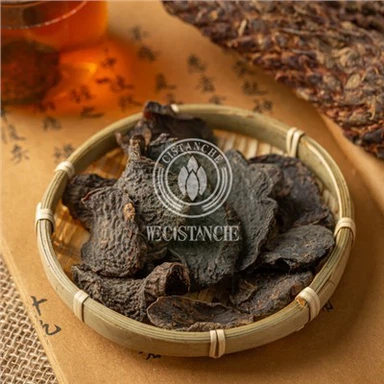
Desert living cistanche
Polysaccharides isolated from Cistanche tubulosa constitute one class of its key bioactive constituents. Experimental data demonstrate that cistanche polysaccharides markedly reduce serum total cholesterol, triglyceride and low-density lipoprotein cholesterol concentrations, while elevating protective high-density lipoprotein cholesterol levels to reverse dyslipidemia. Beyond lipid regulation, Cistanche tubulosa total extracts exert dual regulatory effects on blood pressure and glucose metabolism, which are critical risk factors for atherosclerosis, stroke, and coronary heart disease.
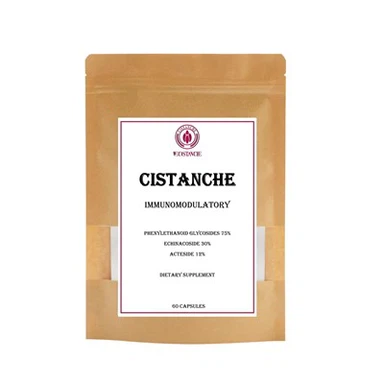
Apart from polysaccharides, phenylethanoid glycosides (PhGs) are the signature bioactive markers of Cistanche tubulosa, dominated by echinacoside and acteoside, which contribute to the dominant cardiovascular and cerebrovascular protective activities of this herb. As core endothelial-protective components, phenylethanoid glycosides facilitate endothelial nitric oxide (NO) secretion, relax vascular smooth muscle, dilate peripheral and cerebral blood vessels, and lower peripheral vascular resistance to stabilize elevated blood pressure. In terms of antioxidant defense, echinacoside and acteoside effectively clear superoxide anions, hydroxyl radicals, and DPPH free radicals, upregulate intracellular superoxide dismutase (SOD) and catalase activity, and suppress malondialdehyde generation, thereby alleviating persistent oxidative stress injury of arterial endothelium and delaying atherosclerotic plaque formation.

Phenylethanol glycoside is the main active component of Cistanche tubulosa
In cerebral vascular protection, phenylethanoid glycosides from Cistanche tubulosa produce significant anti-cerebral ischemia effects. In middle cerebral artery occlusion (MCAO) animal models, standardized cistanche glycoside extracts shrink cerebral infarct volume, suppress microglial overactivation, reduce the release of pro-inflammatory cytokines TNF-α, IL-1β, and IL-6, relieve neuroinflammation after ischemic stroke, inhibit neuronal apoptosis, and improve post-stroke neurological dysfunction and cognitive impairment. Clinical preparations of total phenylethanoid glycosides from Cistanche tubulosa have been approved for the treatment of vascular dementia in China, verifying their clinical value for cerebrovascular degenerative lesions.
Furthermore, bioactive fractions of Cistanche tubulosa exert anti-thrombotic activity by inhibiting abnormal platelet aggregation and reducing whole blood viscosity, blocking the formation of arterial thrombus that triggers myocardial infarction and ischemic stroke. For metabolic cardiovascular complications, such as diabetic cardiomyopathy, echinacoside ameliorates insulin resistance, regulates myocardial energy metabolism, and alleviates myocardial oxidative damage induced by long-term hyperglycemia.

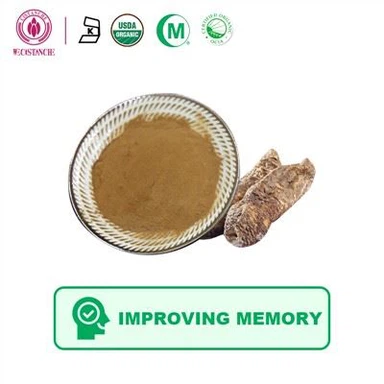
Cistanche powder
Click here to view Cistanche Enhance Immunity products
【Ask for more】 Email:cindy.xue@wecistanche.com / WhatsApp: 0086 18599088692 / Wechat: 18599088692
Existing mechanistic studies clarify that multiple bioactive substances in Cistanche tubulosa modulate lipid homeostasis by boosting intestinal cholesterol reabsorption, accelerating cholesterol catabolism, and facilitating bile acid excretion to realize hypolipidemic efficacy. Meanwhile, these components activate cyclic adenosine monophosphate synthase, optimize mitochondrial energy metabolism, relieve exercise-induced fatigue and improve systemic microcirculation.
In summary, standardized extract powder of "desert ginseng" Cistanche tubulosa, enriched with polysaccharides and phenylethanoid glycosides, possesses multi-target protective effects targeting hyperlipidemia, hypertension, atherosclerosis, ischemic stroke, and vascular dementia. It is expected to be developed as a novel natural botanical preparation, holding great clinical transformation prospects for comprehensive prevention and auxiliary treatment of coronary heart disease, stroke, and other cardiovascular and cerebrovascular diseases.
3. Study on the Application of Astragalus membranaceus
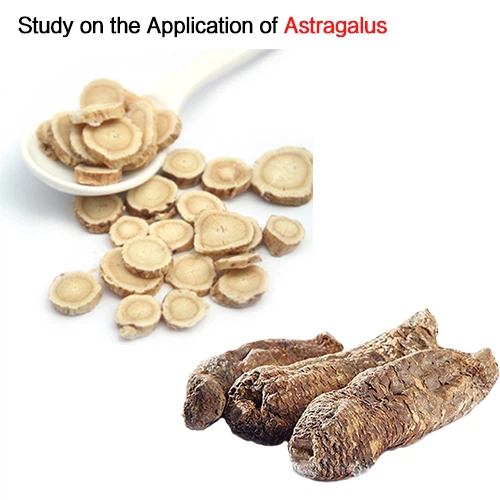
Astragalus membranaceus is a well-documented traditional Chinese medicinal herb with comprehensive pharmacological activities, including anti-oxidation, anti-inflammation, anti-tumor, and immunoregulation, widely applied as a daily health-care medicinal material. Cumulative research confirms that the cardiovascular regulatory efficacy of astragalus is tightly correlated with its characteristic bioactive component, astragalus total flavonoids.
Study on the Application of Astragalus
Astragalus total flavonoids serve as the core bioactive indicator of Astragalus membranaceus and an essential quality control marker for evaluating astragalus medicinal potency. Pharmacological evidence indicates that astragalus total flavonoids possess strong free radical-scavenging capacity, neutralize excessive intracellular reactive oxygen species, restrain unregulated oxidative cascade reactions, and play an indispensable protective role against cardiovascular and cerebrovascular injury.
Additionally, astragalus total flavonoids exert multi-dimensional vascular protective effects: preserving vascular endothelial integrity, inhibiting excessive platelet aggregation, and reducing systemic blood viscosity to improve microcirculation. Mechanism research reveals that astragalus total flavonoids stabilize endothelial cell membranes, elevate intracellular oxidoreductase activity, promote endothelial nitric oxide release, and maintain normal endothelial barrier function to resist vascular lesion progression.
To sum up, as natural multi-target active ingredients, astragalus total flavonoids display extensive cardiovascular-protective pharmacological properties and bear prominent application value in primary prevention and clinical intervention of cardiovascular and cerebrovascular diseases.