Research Progress On Chemical Constituents And Pharmacological Effects Of Jichuan Decoction
May 21, 2026
Abstract: This paper systematically reviews the research progress of Jichuan Decoction from three aspects: chemical constituents, pharmacological effects, and quality control. In terms of chemical constituents, it focuses on the main active components including phenylethanoid glycosides, phenylpropanoids, steroids, triterpenoids, alkaloids, and polysaccharides in the prescription. For pharmacological effects, it systematically summarizes its multiple biological activities such as laxative, neuroprotective, anti-inflammatory, and antioxidant effects, along with their mechanisms of action. Regarding quality control, it elaborates on the screening and analytical methods of quality markers. This review aims to provide a reference for the in-depth research, formulation development, and rational clinical application of Jichuan Decoction.
Keywords: Jichuan Decoction; chemical constituents; pharmacological effects; phenylethanoid glycosides; quality markers

Introduction
Jichuan Decoction, first recorded in Jingyue's Complete Works·New Prescriptions in Eight Categories written by Zhang Jiebin, a famous physician of the Ming Dynasty, is a classic TCM herb for warming kidney yang and moistening intestines to relieve constipation. It is also one of the representative prescriptions of the warming and tonifying school of TCM.
The formula consists of six herbs: Cistanche deserticola (Rou Cong Rong), Angelica sinensis (Dang Gui), Achyranthes bidentata (Niu Xi), Aurantii Fructus Immaturus (Zhi Ke), Alisma orientale (Ze Xie), and Cimicifuga foetida (Sheng Ma).
Cistanche deserticola: The monarch herb, TCM herb for warming kidney, tonifying essence, moistening intestines, and relieving constipation.
Angelica sinensis: The minister herb, TCM herb for nourishing blood, promoting blood circulation, and moistening intestines.
Achyranthes bidentata: Tonifies the kidney, strengthens the waist, and guides herbs downward.
Aurantii Fructus Immaturus: Descends qi, relaxes intestines, and aids defecation.
Alisma orientale: Induces diuresis, drains dampness, and removes turbidity from the kidney.
Cimicifuga foetida: Ascends clear yang, balancing the descending herbs to achieve the overall effect of warming kidney, tonifying essence, moistening intestines, and relieving constipation.
With rigorous formulation, balanced dynamic and static properties, and coordinated ascending and descending actions, it is the core prescription for clinical treatment of kidney yang deficiency-type constipation.
In recent years, with the advancement of modern TCM research, studies on the chemical constituents, pharmacological mechanisms, compatibility rules, and quality markers of each herb in Jichuan Decoction have become research hotspots in the TCM field. The Pharmacopoeia of the People's Republic of China (2020 Edition) has established quality standards for key herbs including Cistanche deserticola, Angelica sinensis, Achyranthes bidentata, and Alisma orientale, specifying content limits for index components such as phenylethanoid glycosides, ferulic acid, and ecdysterone, laying a foundation for standardized research on the prescription.

Why Our Cistanche Tubulosa Extract Stands Out
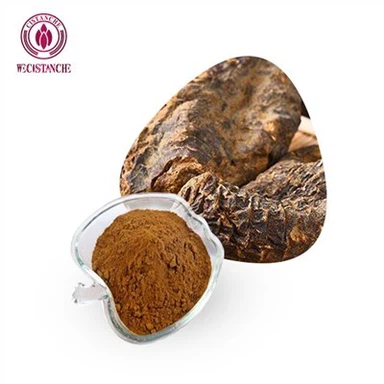
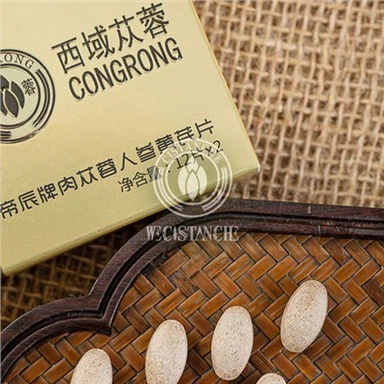
As a professional Cistanche extract manufacturer specializing in Cistanche tubulosa (https://www.xjcistanche.com/about-us), our products feature higher contents of active ingredients compared to common desert cistanche. This advantage makes our extracts a premium choice for developing high-efficiency TCM herb supplements targeting kidney health, gut wellness, and anti-aging.
1. Chemical Constituents
1.1 Phenylethanoid Glycosides (Key Active Components of Cistanche)
Phenylethanoid glycosides are the most abundant and structurally diverse characteristic components in Cistanche tubulosa and Achyranthes bidentata, and the most extensively studied chemical class in Jichuan Decoction.
Echinacoside: The signature phenylethanoid glycoside of Cistanche tubulosa and desert cistanche (molecular formula: C₃₅H₄₆O₂₀, molecular weight: 786.7), with a content of 0.30%–1.50% in dried stems. It exhibits neuroprotective, antioxidant, kidney-tonifying activities in vivo and in vitro, serving as a core material basis for Jichuan Decoction's efficacy.
Verbascoside: Demonstrates significant anti-inflammatory, antioxidant, neuroprotective, antibacterial, and immunomodulatory effects.
Other homologs: Isoacteoside, cistanoside A, 2′-acetylverbascoside, forming the characteristic chemical profile of Cistanche tubulosa.
1.2 Phenylpropanoids
Ferulic acid: The key active marker of Angelica sinensis, with antioxidant, anti-inflammatory, antiplatelet aggregation, and neuroprotective effects.
Volatile phthalides (e.g., ligustilide): Responsible for Angelica's unique aroma and blood circulation-promoting activity.
1.3 Steroids
Ecdysterone (Achyranthes bidentata): Enhances protein synthesis, boosts immunity, fights fatigue, and lowers blood sugar.
Synephrine (Aurantii Fructus Immaturus): Stimulates intestinal smooth muscle contraction and fat mobilization.
1.4 Triterpenoids
Alisol B-23-acetate (Alisma orientale): The most active component, with diuretic, lipid-lowering, and anti-non-alcoholic fatty liver effects.
1.5 Alkaloids & Polysaccharides
Betaine (Cistanche tubulosa): Protects the liver and supports kidney function.
Cistanche polysaccharides: A water-soluble active component, boosts immunity, fights oxidation, and promotes hematopoiesis.
1.6 Component Changes After Compatibility
Co-decoction of herbs causes chemical interactions (e.g., pH adjustment, complexation). For example, Cistanche tubulosa stabilizes phenylethanoid glycosides when combined with Aurantii Fructus Immaturus.

2. Pharmacological Effects
2.1 Laxative Effect (Core Efficacy)
Jichuan Decoction is a potent TCM herb for relieving constipation, acting via multiple pathways:
Enhances intestinal peristalsis and smooth muscle contraction.
Balances gut microbiota and reduces intestinal inflammation.
Echinacoside: Activates intestinal neurons to speed up fecal transit.
Verbascoside: Stimulates 5-HT receptors for coordinated gut movement.

Synephrine: Promotes regular intestinal contractions.
2.2 Neuroprotective Effect
Echinacoside: Protects dopaminergic neurons in Parkinson's disease models, supporting brain health.
Verbascoside: Improves nerve cell survival under oxidative stress.
Ferulic acid: Reduces beta-amyloid deposition, enhancing memory and cognition.
2.3 Anti-Inflammatory Effect
Relieves low-grade intestinal inflammation in chronic constipation:
Inhibits pro-inflammatory cytokines (TNF-α, MCP-1).
Ferulic acid: Mild anti-inflammatory action without NSAID side effects.
2.4 Antioxidant Effect
Neutralizes free radicals and maintains gut redox balance:
Verbascoside: Strong antioxidant activity via catechol hydroxyl groups.
Cistanche polysaccharides: Boosts endogenous antioxidant enzymes.
3. Quality Control & Markers
HPLC Detection: Echinacoside and verbascoside are quantified at 330 nm (precision <3%).
Pharmacopoeia Standard: Total phenylethanoid glycosides in Cistanche ≥0.30%.
Key Quality Markers: Echinacoside, verbascoside, ferulic acid, alisol B-23-acetate, synephrine.
4. Conclusion
Jichuan Decoction is a classic TCM herb for warming kidney, moistening intestines, and relieving constipation, with phenylethanoid glycosides, phenylpropanoids, steroids, and triterpenoids as core actives. It delivers proven benefits: laxative, neuroprotective, anti-inflammatory, antioxidant, and kidney-tonifying.

Partner with Us for Premium Cistanche Products
Our Cistanche tubulosa extract (https://www.xjcistanche.com/about-us) offers higher active ingredient content than regular desert cistanche, ideal for developing high-quality TCM herb supplements for gut health, kidney wellness, and anti-aging. Leverage our expertise to bring effective, science-backed herbal products to the Western market.