Research Progress On Traditional Chinese Medicine (TCM) Treatment For Erectile Dysfunction (ED)
Feb 25, 2025
Erectile dysfunction (ED) is a common sexual dysfunction, referring to the inability of men to achieve and maintain sufficient penile erection for satisfactory sexual intercourse [1]. In traditional Chinese medicine (TCM), ED falls under the category of "yang wei" (impotence). With changes in social environments, the prevalence of ED has been increasing. It is estimated that approximately 150 million men worldwide suffer from ED [2-3].
In recent years, there have been some advances in ED treatment, including pharmacotherapy, physical therapy, surgery, psychological therapy, and stem cell injection therapy. However, the treatment efficacy for mixed-type ED and organic ED still needs improvement. TCM has certain advantages in treating ED, but due to the complexity of TCM theories, intricate syndrome differentiation, unclear mechanisms of action of herbal medicines, and challenges in clinical promotion, its application remains suboptimal. This article provides a preliminary review of the current research status and existing challenges in TCM treatment for ED.
1. Research Progress on TCM Treatment for ED
1.1 Evolution of Treatment Principles and Methods
Qin and Han Dynasties
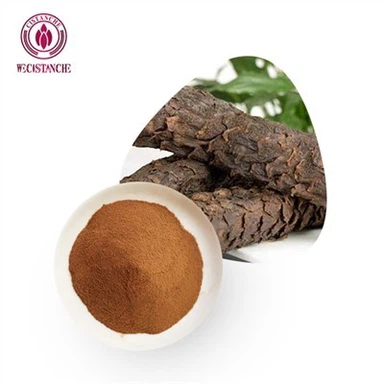
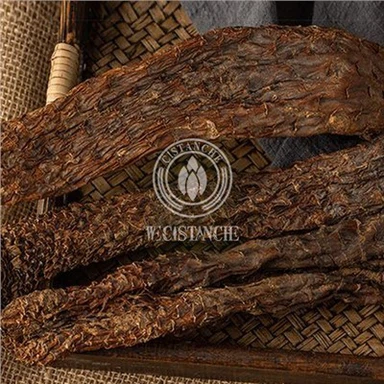
During the Qin and Han periods, physicians believed that ED resulted from "deficiency of qi and blood" and "kidney deficiency", and treatments primarily focused on tonifying the kidney, replenishing qi, and nourishing blood. Commonly used herbs included Epimedium (Yin Yang Huo), Morinda Officinalis (Ba Ji Tian), Cistanche (Rou Cong Rong), Cnidium (She Chuang Zi), and Chlorite (Yang Qi Shi).
Sui and Tang Dynasties
During the Sui and Tang dynasties, medical practitioners recognized that ED was not caused by a single factor but rather a combination of deficiency and excess syndromes. However, they still regarded "kidney deficiency and weakness of yin and yang" as the primary cause, and treatment mainly involved warming and tonifying the kidney.
Jin and Yuan Dynasties
During the Jin and Yuan dynasties, ED was attributed to "kidney deficiency, liver stagnation, and damp-heat". Treatment focused on tonifying the kidney, soothing the liver, and clearing damp-heat, incorporating herbs for nourishing yin, promoting urination, invigorating blood circulation, and regulating qi alongside kidney-tonifying medicines.
Ming and Qing Dynasties
In the Ming and Qing dynasties, physicians provided more detailed descriptions of ED symptoms and syndrome differentiation, with different scholars emphasizing various aspects. Some treated ED based on the five organs theory, while others attributed it to external pathogenic factors (six excesses: wind, cold, summer heat, dampness, dryness, and fire). However, due to the diverse and complex theories, treatment methods became inconsistent, and no consensus was reached.

To know Cistanche That Famous for treating ED in China
1.2 Modern TCM Perspectives on ED
In modern times, TCM scholars have developed a more comprehensive understanding of ED:
Professor Xu Fusong proposed the "Seedling Theory", suggesting that kidney-yin deficiency in ED is analogous to a withering seedling lacking water, requiring treatment with kidney-tonifying and yin-nourishing methods [4].
Professor Wang Qi introduced the concept of "treating ED from the liver", emphasizing that liver dysfunction and impaired circulation in the genital meridians are key pathological mechanisms of ED. His treatment approach primarily involves soothing the liver and regulating qi [5].
In recent years, researchers have increasingly recognized the role of blood stasis in the development of ED:
Professor Li Yueqing advocated the "deficiency and blood stasis" approach, asserting that blood stasis obstructing the meridians is the core pathology of ED. He believed that prolonged blood stasis can obstruct arteries, causing insufficient penile nourishment and impaired erectile function, or it can transform into heat stagnation, leading to internal wind syndromes and resulting in ED [6].
Professor Li Haisong, inspired by the stroke theories of the brain and heart, integrated collateral disease theory and proposed the "Penile Stroke Theory". He suggested that while ED is primarily associated with the kidney, it is also closely linked to the heart, liver, and spleen. Liver stagnation and kidney deficiency serve as the foundational pathological mechanisms, while blood stasis is an inevitable pathological factor [7-9]. Therefore, his treatment approach emphasizes promoting blood circulation and unblocking the meridians.

1.3 Shift in TCM Treatment Principles for ED
In summary, modern TCM treatment for ED has evolved:
Traditional Approaches: Previously focused on warming and tonifying kidney-yang, nourishing kidney-yin, and soothing the liver and regulating qi.
Modern Approaches: Now shifting towards promoting blood circulation and unblocking the meridians as the primary treatment principle.
This shift reflects a deeper understanding of ED pathogenesis in TCM and highlights new therapeutic directions for improving treatment efficacy.

1.2 Integration of Traditional Chinese and Western Medicine: Comprehensive Treatment Approaches
The ultimate goal of ED treatment is to improve erectile function, enhance sexual satisfaction and partner quality of life, and delay the progression of ED. Lifestyle modifications and control of underlying diseases form the foundation of ED treatment. The TCM concept of "preventive treatment of disease" should be incorporated throughout the entire diagnosis and treatment process of ED, following the principles of preventing disease before its onset, preventing complications after disease onset, and preventing recurrence after recovery. This approach should be combined with the Western medical understanding of ED progression to achieve precise syndrome differentiation and treatment [10].
A healthy lifestyle, regular sleep patterns, appropriate physical exercise, a balanced diet, weight management, and smoking and alcohol limitation all contribute to the treatment and prognosis of ED. For patients with comorbidities such as cardiovascular disease, diabetes, metabolic syndrome, and hypogonadism, these conditions should be treated prior to or alongside ED treatment. Actively managing these primary diseases enhances the effectiveness of ED treatment. Uncontrolled diabetes and androgen deficiency can worsen ED and increase treatment difficulty, whereas effective diabetes control and androgen supplementation can improve ED prognosis [11].
Psychological counseling can help patients regain confidence, increase motivation, and improve adherence to treatment, ensuring treatment completion [12]. To correct misconceptions about sexual function and break the vicious cycle where sexual failure leads to anxiety and depression, which in turn exacerbate ED, anxiolytics and antidepressants can be considered as herbal treatments for soothing the liver and relieving emotional distress. For patients with severe emotional disturbances, low-dose anxiolytics and antidepressants may enhance clinical efficacy [13].
For organic and mixed-type ED, monotherapy with phosphodiesterase-5 inhibitors (PDE5i) or TCM alone is often ineffective [14]. Refractory ED patients who do not respond to PDE5i therapy should receive combination therapy including TCM, PDE5i, androgen supplementation, microcirculation-improving drugs, and psychological counseling. For patients who do not respond satisfactorily to oral medications, additional treatments such as shockwave therapy, vacuum erection devices, and local injections can be utilized. If these approaches remain ineffective, penile prosthesis implantation surgery may be considered.

1.3 Research on Mechanisms of Action
Currently, animal models for ED are becoming more refined, allowing researchers to simulate various types of ED, including psychogenic, neurogenic, and diabetic ED, at the experimental level. However, TCM-specific disease models for ED that integrate syndrome differentiation remain lacking.
Studies on the mechanisms of TCM treatment for ED have progressed significantly, revealing therapeutic effects through various pathways such as oxidative stress, fibrosis, and inflammation [11]. Research has demonstrated that different TCM treatments exert effects through multiple molecular signaling pathways:
Activation pathways:
Androgen receptor (AR) signaling pathway
Heme oxygenase-1 (HO-1) signaling pathway
Mitogen-activated protein kinase (MAPK) signaling pathway
Sirtuin 1 (SIRT1) signaling pathway
Rho kinase (ROCK) signaling pathway
Inhibition pathways:
Nuclear factor-kappa B (NF-kB) signaling pathway
Janus kinase 2 (JAK2) signaling pathway
Protein kinase C (PKC) signaling pathway
Hypoxia-inducible factor-1 (HIF-1) / mammalian target of rapamycin (mTOR) signaling pathway
Through these mechanisms, TCM treatment can reduce oxidative stress, inhibit apoptosis and fibrosis, protect vascular endothelial cells in the penis, and improve the microvascular environment of the corpus cavernosum, thereby enhancing erectile function [15-16].
Specific TCM herbal pairs have been identified with distinct mechanisms of action:
Leech (Hirudo) and Centipede (Scolopendra):
Activate the nitric oxide (NO) signaling pathway
Stimulate the phosphatidylinositol-3 kinase (PI3K) / protein kinase B (Akt) pathway
Regulate the cyclic adenosine monophosphate (cAMP) signaling pathway
Inhibit the HIF-1/mTOR and PKC pathways
Reduce apoptosis, increase NO levels, enhance testosterone production, improve erection frequency, and elevate intracavernosal pressure (ICP) and mean arterial pressure (MAP), thereby restoring erectile function [17-19].
Panax Notoginseng Saponins (PNS):
Reduce the accumulation of advanced glycation end-products (AGEs) in penile tissue
Increase endothelial nitric oxide synthase (eNOS) activity
Elevate NO and cyclic guanosine monophosphate (cGMP) levels
Effectively treat diabetic ED [20].
Earthworm Protein (Dilong Extract):
Regulates the nuclear factor erythroid 2-related factor 2 (Nrf2) / antioxidant response element (ARE) signaling pathway
Modulates the ROCK pathway and PI3K/Akt pathway
Enhances superoxide dismutase (SOD) activity
Activates endothelial nitric oxide synthase (eNOS) expression
Increases NO bioavailability, leading to improved erectile function [21-24].