Reversing Metabolic Syndrome: How Cistanche Tubulosa Addresses The Root Causes Of Insulin Resistance And Cardiovascular Risk
Aug 21, 2026
Metabolic syndrome is not a single disease but a cluster of interconnected risk factors: abdominal obesity, insulin resistance, elevated triglycerides, low HDL cholesterol, and high blood pressure. Together, they represent the most pressing public health challenge of the modern era. An estimated one in three adults in developed countries meets the criteria for metabolic syndrome, placing them at dramatically elevated risk for type 2 diabetes, cardiovascular disease, non-alcoholic fatty liver disease, and chronic kidney disease. The good news is that metabolic syndrome is largely reversible through lifestyle modification-but the underlying biology of insulin resistance and chronic inflammation can make this reversal difficult. Cistanche tubulosa, through its active ingredients echinacoside and acteoside, is demonstrating multiple mechanisms that target the root causes of metabolic syndrome, offering a botanical ally in the fight against this modern epidemic.

The Core Pathology: Insulin Resistance and Inflammaging
At the heart of metabolic syndrome lies insulin resistance. Cells in muscle, fat, and liver fail to respond efficiently to insulin's signal, requiring the pancreas to produce ever-greater amounts of the hormone. This chronic hyperinsulinemia drives many of the syndrome's features: it stimulates hepatic de novo lipogenesis, worsening dyslipidemia; it promotes sodium retention in the kidneys, contributing to hypertension; and it drives the accumulation of visceral fat, which itself is an inflammatory organ.
Visceral adipose tissue is not inert storage-it actively secretes pro-inflammatory cytokines including TNF-α, IL-6, and IL-1β. This chronic low-grade inflammation, sometimes called "inflammaging," is both a consequence and a driver of insulin resistance. Inflammatory cytokines directly impair insulin signaling by activating kinases that phosphorylate insulin receptor substrates at inhibitory sites. They also activate NF-κB, creating a self-perpetuating cycle of inflammation and metabolic dysfunction.
Oxidative stress is the third pillar. Excess glucose and fatty acids overload the mitochondrial electron transport chain, generating reactive oxygen species. These ROS damage mitochondrial DNA, impair ATP production, and activate inflammatory pathways. The resulting mitochondrial dysfunction further reduces the cell's capacity for fatty acid oxidation, worsening the lipid accumulation that characterizes metabolic syndrome.
An effective metabolic intervention must therefore address all three pillars: improving insulin sensitivity, reducing inflammation, and protecting mitochondria from oxidative damage. Cistanche tubulosa's phenylethanoid glycosides act on all three.
How Cistanche Tubulosa Combats Metabolic Syndrome
1. Activating AMPK to Restore Insulin Sensitivity and Metabolic Flexibility
AMPK is the cell's master metabolic regulator. It is activated when cellular energy levels are low, and it orchestrates a coordinated response: enhancing glucose uptake in muscle and fat cells, stimulating fatty acid oxidation, suppressing hepatic gluconeogenesis, and promoting mitochondrial biogenesis. Acteoside is a potent AMPK activator. By activating AMPK, it restores insulin sensitivity at the cellular level, effectively making the body's cells responsive to insulin again.
This mechanism is particularly important in skeletal muscle-the primary site of glucose disposal. In insulin-resistant muscle, GLUT4 glucose transporters fail to translocate to the cell surface in response to insulin. AMPK activation provides an alternative pathway for GLUT4 translocation, allowing glucose to enter the cell even when insulin signaling is impaired. This reduces the hyperglycemic burden and lowers the demand for insulin, helping to break the hyperinsulinemia cycle. In the liver, AMPK activation suppresses lipogenesis and promotes fatty acid oxidation, reducing hepatic lipid accumulation-the root of NAFLD.

2. Suppressing NF-κB and NLRP3 to Calm Metabolic Inflammation
The chronic inflammation of metabolic syndrome is driven primarily by NF-κB activation in adipose tissue, liver, and vascular endothelium. Acteoside, through its potent NF-κB inhibition, suppresses the production of TNF-α, IL-6, and IL-1β. It also inhibits the NLRP3 inflammasome, which is activated by metabolic stressors including excess free fatty acids, hyperglycemia, and cholesterol crystals. By blocking both the priming and activation steps of the inflammatory cascade, acteoside reduces the inflammatory burden that perpetuates insulin resistance and damages tissues.
This anti-inflammatory effect has systemic implications. In the vascular endothelium, reduced NF-κB activity preserves eNOS function and prevents the expression of adhesion molecules that initiate atherosclerosis. In the liver, it prevents the progression from simple steatosis to steatohepatitis. In adipose tissue, it reduces the cytokine secretion that drives systemic inflammation. By calming inflammation, acteoside addresses one of the most fundamental drivers of metabolic syndrome.
3. Activating Nrf2 to Protect Against Oxidative Stress and Organ Damage
Oxidative stress is the common pathway through which metabolic syndrome damages organs. In the blood vessels, ROS uncouple eNOS, impairing vasodilation. In the kidneys, ROS damage podocytes, contributing to diabetic nephropathy. In the liver, ROS trigger the inflammatory transition of NAFLD. Echinacoside, through Nrf2 activation, upregulates the body's endogenous antioxidant enzymes-superoxide dismutase, glutathione peroxidase, heme oxygenase-1, and catalase-that neutralize ROS before they can cause damage. This organ-protective effect is critical for preventing the long-term complications of metabolic syndrome.
4. Improving Lipid Profiles
Metabolic syndrome is characterized by elevated triglycerides and low HDL cholesterol. AMPK activation, driven by acteoside, promotes fatty acid oxidation and reduces hepatic triglyceride synthesis. In animal models of diet-induced metabolic syndrome, Cistanche extract treatment significantly reduced serum triglycerides, total cholesterol, and LDL cholesterol, while increasing cardioprotective HDL. The mechanisms include enhanced hepatic fatty acid oxidation, reduced lipogenesis, and improved clearance of triglyceride-rich lipoproteins. These lipid-modulating effects complement the improvements in insulin sensitivity and inflammation.
5. Protecting the Kidneys and Liver from Metabolic Damage
The kidneys and liver are the organs most vulnerable to the long-term consequences of metabolic syndrome. Echinacoside protects renal podocytes and tubular cells from oxidative damage, reducing proteinuria and preserving glomerular function. Acteoside suppresses the TGF-β1-driven fibrosis that leads to renal and hepatic scarring. By protecting these vital organs, Cistanche helps prevent the progression from metabolic syndrome to its most serious complications: end-stage renal disease and cirrhosis.
A comprehensive 2022 review in Frontiers in Pharmacology catalogs the metabolic, anti-inflammatory, antioxidant, and organ-protective properties of Cistanche tubulosa, confirming its multi-targeted utility in metabolic syndrome and its complications. (Frontiers in Pharmacology review on Cistanche tubulosa)

The Active Ingredients for Metabolic Health
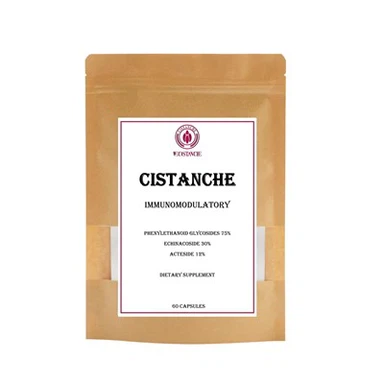
The metabolic benefits are driven by echinacoside and acteoside. Acteoside is the primary AMPK activator and NF-κB/NLRP3 inhibitor. Echinacoside is the primary Nrf2 activator and organ protector. Together, they address the insulin resistance, inflammation, and oxidative stress that form the core of metabolic syndrome. A standardized extract containing 20–40% total phenylethanoid glycosides is essential. The evidence-informed dose for metabolic support is 400–600 mg daily, taken with a meal.
Integrating Cistanche for Metabolic Syndrome Management
Metabolic syndrome is fundamentally a lifestyle disease, and Cistanche should be used as an adjunct to-not a replacement for-dietary and lifestyle modification. The most effective interventions remain weight loss (7–10% of body weight), regular physical activity (both aerobic and resistance training), a Mediterranean-style diet, stress management, and adequate sleep. Cistanche amplifies the benefits of these changes by targeting the cellular mechanisms of insulin resistance and inflammation. It pairs well with other metabolic-supportive supplements: omega-3 fatty acids reduce triglycerides, berberine is another AMPK activator, and magnesium supports insulin sensitivity. For those with diagnosed diabetes or cardiovascular disease, any supplement use should be discussed with a physician.
For those seeking reliable, research-grade metabolic support, explore our Cistanche tubulosa extract product line - every batch is standardized and third-party tested to ensure consistent potency of echinacoside and acteoside, the active ingredients behind the research.
Safety and Medical Context
Cistanche tubulosa is well tolerated with a centuries-long safety record. It does not cause hypoglycemia when used alone, but those taking antidiabetic medications should monitor blood glucose closely. Anyone with metabolic syndrome should be under the care of a physician, with regular monitoring of blood pressure, lipids, and glycemic markers. This botanical is a supportive, preventive tool for metabolic health, not a substitute for medical management of diabetes, hypertension, or cardiovascular disease.