Severe Constipation May Cause Intestinal Obstruction!
Oct 24, 2023
"Constipation refers to a decrease in the frequency of defecation, difficulty in defecation, and dry feces." Li Jun, chief physician of the Gastroenterology Department of Peking University Third Hospital, said that normal people have a bowel movement 1 to 2 times a day or once every 1 to 2 days, but patients with constipation have a bowel movement every 1 to 2 days. Defecation less than three times a week, and in severe cases, bowel movement only once a week.

Click to best laxative for constipation
The harm of constipation should not be underestimated. It may affect mood at least but may cause intestinal obstruction and acute cardiovascular events at worst. If feces stay in the body for a long time, the body's endocrine system may be confused, causing gastrointestinal nerve disorders and other problems; the common saying "nine out of ten people have hemorrhoids" also reflects the "power" of constipation, hemorrhoids, anal fissures, and other perianal Diseases can occur secretly; feces remaining in the intestine for a long time can also cause the accumulation of fecal stones, leading to obstructive intestinal obstruction.
For the elderly with cardiovascular and cerebrovascular diseases such as hypertension and coronary heart disease, constipation may cause their blood pressure to soar due to excessive exertion, leading to serious problems such as cerebral hemorrhage, angina pectoris, and myocardial infarction. In addition, chronic constipation can also cause problems such as loss of appetite.
Constipation is related to bad living habits, psychological disorders, intestinal diseases, and other factors. The elderly are a group with a high incidence of constipation due to the decline in various physical functions. The incidence rate among people over 60 years old is about 22%.

There are two main types of chronic constipation, with different symptoms.
organic constipation
There are often clear pathological causes, such as intestinal tumors, intestinal stenosis, hypothyroidism, diabetes, etc. Diagnosis requires a colonoscopy, routine stool, and fecal occult blood examination, and a full physical examination and evaluation when necessary.
functional constipation
According to the mechanism, it can be divided into three types: slow transit constipation, outlet obstruction constipation, and mixed constipation.
Slow transit constipation refers to constipation caused by insufficient gastrointestinal motility. Outlet obstruction constipation refers to patients with pelvic floor dysfunction and rectal sphincter movement patterns that are opposite to normal defecation. The harder they exert themselves, the less able they are to expel stool. Biofeedback treatment is required to train muscle coordination. Mixed constipation means that the patient has both gastrointestinal motility deficiency and anal dysfunction. It needs to be diagnosed through relevant kinetic examinations and the treatment methods are also different.
For organic constipation, treating the underlying disease can relieve constipation, but functional constipation generally has no clear cause.
Reasons that hinder normal defecation usually include the following categories.
1 Bad living habits
Irregular daily life, lack of regular defecation habits, insufficient exercise, rarely going out, drinking little water, often drinking strong tea, not eating three meals on time, "reading and reading newspapers" while defecating, and having poor posture.
2 physical factors
The elderly have missing teeth, a refined diet, reduced fiber intake, and reduced food intake; body functions decline, the amount of exercise is greatly reduced, and intestinal peristalsis slows down; the strength of defecation-related muscles decreases, contraction and relaxation are uncoordinated, and the driving force for defecation is insufficient. Some systemic diseases, such as hypothyroidism, hyperparathyroidism, hypokalemia, chronic lead poisoning, uremia, etc., can also cause constipation.
3 psychological problems
People who are depressed are more prone to constipation. Many domestic and foreign studies have pointed out that anorexia, melancholia, depression, anxiety, obsessive thoughts and behaviors, schizophrenia, etc. are related to constipation.
4 drug effects
Long-term use of Chinese herbal medicine due to difficulty in defecation can cause colon melanosis, further leading to constipation. Frequent enemas and the use of Kaiselu for defecation can lead to decreased intestinal function, pelvic floor muscle dysfunction, and ultimately, defecation disorders. Some medications such as antihypertensives, antidepressants, muscle relaxants, etc. can also cause constipation.
Epidemiological surveys show that among adults, more women than men have constipation, and the elderly are more constipated than young people. The incidence of functional constipation among the elderly in communities in some areas is about 3%, which is not low.

As age increases and body functions decline, the elderly's food intake and activity level are significantly reduced, and the amount of digestive juice secreted by the gastrointestinal tract will also decrease. In addition, the intestinal peristalsis ability is weakened and the strength of related muscle groups is insufficient, which will cause food to stay in the intestines. Over time, excessive water absorption can cause constipation.
Although constipation is not a direct risk factor for cardiovascular disease, straining to defecate may induce acute cardiovascular events such as subarachnoid hemorrhage, intracranial hemorrhage, and myocardial infarction. Elderly friends should identify and treat chronic constipation as early as possible.
1 Adjust your lifestyle
Regular work and rest, not staying up late, moderate exercise, keeping physically and mentally happy, and a healthy lifestyle can help keep bowel movements smooth. To develop good defecation habits, it is best to defecate regularly after meals every day. Do not wait until you feel the urge to defecate. Do not carry mobile phones, newspapers, etc., and concentrate on defecation. It is best to control the time to 5 to 10 minutes.
picture
In addition, the squatting position is more conducive to defecation. If a toilet is installed at home, a footstool can be added in front of the toilet. When defecating, you can step on the stool with your feet to make defecation smoother. Regularly massage the abdomen, levator, etc., avoid sitting or lying down for a long time, and take laxatives such as lactulose and polyethylene glycol to treat constipation, which is safer.
2 Pay attention to nutritional balance
Avoid excessive consumption of red meat such as pork, beef, and mutton, eat less processed foods and fried foods, and reduce the proportion of sweets and other snacks in the diet. Drink more water, eat more foods rich in dietary fiber, and replace refined rice and noodles with whole grains. Whole grains, beans, fruits, and vegetables are the best sources of dietary fiber in the diet, which can speed up intestinal peristalsis and help defecation. Cooked Bananas, dragon fruit, sweet potatoes, dates, etc. also have good laxative effects
3. Discover potential diseases
The causes of constipation in the elderly are more complex. Constipation is sometimes an "alarm bell" for serious diseases such as colon cancer. It is best to seek medical attention first and then treat accordingly. If constipation, blood in the stool, or diarrhea occurs suddenly in a short period, you need to undergo a colonoscopy as soon as possible and avoid self-medication.
Many elderly people are also patients with chronic diseases and are prone to constipation. They should pay more attention to their defecation status and detect disease changes as early as possible. After each bowel movement, you can pay attention to the shape, texture, color, etc.: normal stool should be banana-shaped, without indentations, moderately soft and hard, without mucus, pus, blood, undigested abnormal components, etc., and the color is generally brown to green. , be wary of tarry or clay-like stools. If you are accompanied by bloating, abdominal pain, etc. during defecation, you also need to seek medical treatment as soon as possible.
Natural Herbal Medicine For Relieving Constipation-Cistanche
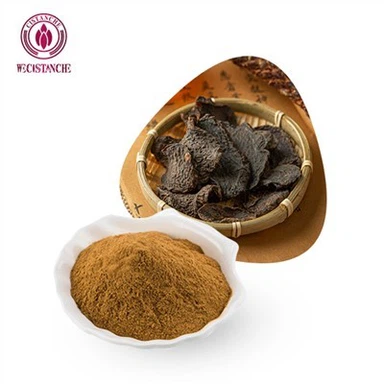
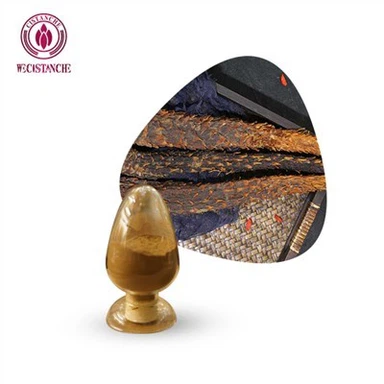
Cistanche is a genus of parasitic plants that belongs to the family Orobanchaceae. These plants are known for their medicinal properties and have been used in Traditional Chinese Medicine (TCM) for centuries. Cistanche species are predominantly found in arid and desert regions of China, Mongolia, and other parts of Central Asia. Cistanche plants are characterized by their fleshy, yellowish stems and are highly valued for their potential health benefits. In TCM, Cistanche is believed to have tonic properties and is commonly used to nourish the kidney, enhance vitality, and support sexual function. It is also used to address issues related to aging, fatigue, and overall well-being. While Cistanche has a long history of use in traditional medicine, scientific research on its efficacy and safety is ongoing and limited. However, it is known to contain various bioactive compounds such as phenylethanoid glycosides, iridoids, lignans, and polysaccharides, which may contribute to its medicinal effects.

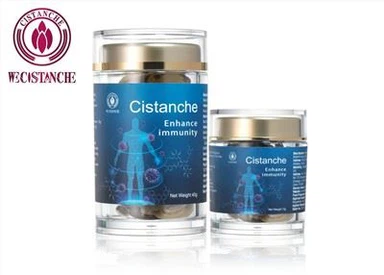
Wecistanche's cistanche powder, cistanche tablets, cistanche capsules, and other products are developed using desert cistanche as raw materials, all of which have a good effect on relieving constipation. The specific mechanism is as follows: Cistanche is believed to have potential benefits for relieving constipation based on its traditional use and certain compounds it contains. While scientific research specifically on Cistanche's effect on constipation is limited, it is thought to have multiple mechanisms that may contribute to its potential to relieve constipation. Laxative Effect: Cistanche has long been used in Traditional Chinese Medicine as a remedy for constipation. It is believed to have a mild laxative effect, which can help promote bowel movements and induce constipation. This effect may be attributed to various compounds found in Cistanche, such as phenylethanoid glycosides and polysaccharides. Moistening the Intestines: Based on traditional use, Cistanche is considered to have moisturizing properties, specifically targeting the Intestines. Promoting hydration and lubrication of the Intestines, it may help soften tools and facilitate easier passage, thereby relieving constipation. Anti-inflammatory Effect: Constipation can sometimes be associated with inflammation in the digestive tract. Cistanche contains certain compounds, including phenylethanoid glycosides and lignans, that are believed to have anti-inflammatory properties. By reducing inflammation in the intestines, it may help improve bowel movement regularity and relieve constipation.