These 10 Methods Are The Killer Of Constipation
Oct 24, 2023
When it comes to constipation, many people will immediately think of "bananas as a laxative" and "bananas relieve constipation". But why do some people still become constipated after eating bananas often? Many people suffer from constipation in life. According to the "Chinese Expert Consensus on Chronic Constipation (2019)" released by the Gastrointestinal Dynamics Group of the Chinese Society of Gastroenterology, the prevalence of chronic constipation in Chinese adults is 4.0 %~10.0%. This means that approximately 50 million adults are suffering from constipation. And as age increases, the prevalence of constipation gradually increases. The prevalence of chronic constipation in people over 70 years old reaches 23.0%, and it can reach 38.0% in people over 80 years old. The prevalence of chronic constipation is higher in women than in men! [1]

Click to constipation remedies
Long-term constipation cannot be ignored. Chronic constipation can lead to a variety of health problems, such as affecting the digestive function of the intestines, hemorrhoids, intestinal obstruction, colon diseases, etc. [1]
Why do we become constipated?
Chronic constipation includes functional, organic, and drug-induced constipation. Among them, the causes of functional constipation are the most complex and diverse, and they are also common in our lives: there are lifestyle reasons, unhealthy diet, lack of exercise, etc.; there are also psychological reasons, such as insomnia, anxiety, and stress. [1]
Is having difficulty defecating frequently over a period considered constipation?
Self-assessment of whether you have functional constipation can be based on the internationally accepted Rome IV functional gastrointestinal disease standards. Functional constipation generally has more than two of the following symptoms and lasts for more than half a year [2]:
1. Defecation less than 3 times a week, and at least 1/4 of the defecation is dry and hard;
2. Incomplete defecation, feeling incomplete in at least 1/4 of all defecations;
3. Struggling to defecate, feeling very strenuous to defecate at least 1/4 of the time;
4. There is a feeling of anorectal blockage during defecation at least 1/4 of the time;
5. Assisted defecation is required for at least 1/4 of all bowel movements.
None of these “laxative” methods can truly relieve constipation
Constipation brings a lot of trouble to people, and it can also have an impact on physical health, so many people are thinking of various ways to relieve constipation, but none of these methods can relieve constipation!
1. Banana for laxatives
Bananas are considered by many people to be a good laxative, but many people do not relieve constipation even if they eat bananas every day. Bananas contain a lot of "tannic acid". The "astringent" taste of unripe green bananas comes from tannic acid. Even ripe bananas that don't taste astringent still contain tannic acid, which can coagulate protein also It will make the stool dry and hard, which will aggravate constipation. In addition, bananas contain relatively low dietary fiber, and it makes it difficult to promote intestinal peristalsis.
2. Drink honey water
For honey laxatives, you need to eat dozens of grams of honey before you want to have a bowel movement. Your blood sugar may rise before you can have a bowel movement and you may gain weight. For most people, the laxative effect of drinking a cup of honey water is probably not significantly different from drinking plain water.
3. Drink yogurt
There is a saying circulating on the Internet that drinking it every day can relieve constipation. But the effect is very limited. The probiotic content in yogurt is far from achieving the effect of regulating the balance of intestinal flora, so it is unreliable to expect that drinking yogurt will relieve constipation. Moreover, most yogurt only contains Lactobacillus bulgaricus and Streptococcus thermophilus, which are destroyed by gastric acid when they pass through our stomach and have difficulty reaching the intestines.
These 10 methods are the real “constipation killers”
1. Supplement lactulose
Lactulose is a natural milk ingredient and is an osmotic laxative. Since there are no enzymes that break down lactulose in our intestines, the lactulose we take usually reaches the colon in its original form.
Short-term lactulose can retain intestinal water and increase stool volume, thereby promoting intestinal peristalsis and helping stool discharge;
Moreover, lactulose is prebiotic [4], which can promote the stability and growth of intestinal probiotics in the long term, help regulate the physiological functions of the colon, and thus help treat constipation while reducing the recurrence rate. [3]
To briefly summarize:
1) Lactulose can increase intestinal peristalsis in the short term and effectively relieve constipation;
2) Lactulose has long-term prebiotic effects, regulates the balance of intestinal flora, treats constipation, and reduces recurrence rate.
Lactulose’s dual mechanism for relieving constipation
More importantly, compared with traditional laxatives such as senna rhubarb, and other harmful anthraquinones (commonly found in Chinese patent medicines), lactulose has natural ingredients and a low incidence of abdominal pain and diarrhea. It can be safely used by pregnant women, the elderly, and children for a long time. Used, no dependencies.

Compared with other common constipation treatment drugs, lactulose is safer and more applicable to a wider range of people.
Who is lactulose suitable for? Lactulose is suitable for constipation patients of all ages such as the elderly, children, and pregnant women. [5][6][7][8]
2. Drink more water
Lack of adequate fluid intake is also a contributing factor to constipation. People with constipation can drink more water. Sufficient water can promote defecation.
3. Eat more dietary fiber
Fruits and vegetables are rich in dietary fiber. Increasing dietary fiber can promote gastrointestinal motility and facilitate defecation. Therefore, you should eat more fresh green leafy vegetables and fruits high in dietary fiber.
Image data comes from the Chinese Nutrition Society[9]
4. Eat more whole grains
Staple foods should be mixed in thickness to increase the intake of whole grains. Polished white rice noodles are less irritating to the intestines, while whole grains are rich in dietary fiber, which helps stimulate intestinal peristalsis.
5. Increase exercise
Regular physical activity can shorten intestinal transit time and facilitate defecation. Aerobic exercise such as walking and cycling is effective in improving constipation. It is generally recommended to exercise for 30 to 60 minutes a day, at least twice a week.
6. Don’t diet
Dieting or eating too little will reduce food stimulation and peristalsis of the intestines, leading to constipation. Food residues remaining in the intestines for a long time will become dryer and harder. Only sufficient food can promote gastrointestinal peristalsis.
7. Have regular bowel movements
It is recommended to try to have a bowel movement in the morning and within 2 hours after a meal. It is best to use the toilet at home, pay attention when defecating, avoid being disturbed by factors unrelated to defecation, and develop good defecation habits.
8. Try to avoid sitting for long periods
Many people with constipation have the habit of sitting for long periods. Maintaining the same posture for a long time can easily cause the blood flow in the gastrointestinal tract to slow down, thereby slowing down intestinal peristalsis and making defecation difficult.
9. Focus on defecation
Many people are used to looking at their mobile phones when going to the toilet, which can also affect defecation. Don't look at your mobile phone, or read books or newspapers when you go to the toilet, focus on it, and be "whole-hearted" when defecating.
10. Avoid drug abuse
Some daily medications can also cause constipation, such as tricyclic antidepressants, anticholinergics, antiparkinsonian drugs, nonsteroidal anti-inflammatory drugs, antacids containing calcium carbonate or aluminum hydroxide, bismuth agents, iron agents, diuretics, and certain antibacterial drugs.
Natural Herbal Medicine For Relieving Constipation-Cistanche
Cistanche is a genus of parasitic plants that belongs to the family Orobanchaceae. These plants are known for their medicinal properties and have been used in Traditional Chinese Medicine (TCM) for centuries. Cistanche species are predominantly found in arid and desert regions of China, Mongolia, and other parts of Central Asia. Cistanche plants are characterized by their fleshy, yellowish stems and are highly valued for their potential health benefits. In TCM, Cistanche is believed to have tonic properties and is commonly used to nourish the kidney, enhance vitality, and support sexual function. It is also used to address issues related to aging, fatigue, and overall well-being. While Cistanche has a long history of use in traditional medicine, scientific research on its efficacy and safety is ongoing and limited. However, it is known to contain various bioactive compounds such as phenylethanoid glycosides, iridoids, lignans, and polysaccharides, which may contribute to its medicinal effects.

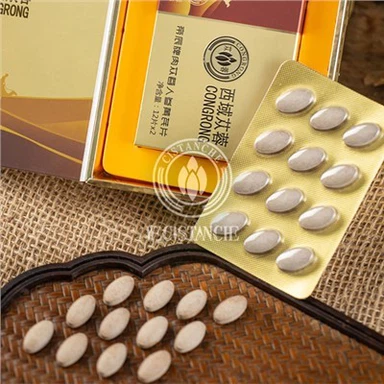
Wecistanche's cistanche powder, cistanche tablets, cistanche capsules, and other products are developed using desert cistanche as raw materials, all of which have a good effect on relieving constipation. The specific mechanism is as follows: Cistanche is believed to have potential benefits for relieving constipation based on its traditional use and certain compounds it contains. While scientific research specifically on Cistanche's effect on constipation is limited, it is thought to have multiple mechanisms that may contribute to its potential to relieve constipation. Laxative Effect: Cistanche has long been used in Traditional Chinese Medicine as a remedy for constipation. It is believed to have a mild laxative effect, which can help promote bowel movements and induce constipation. This effect may be attributed to various compounds found in Cistanche, such as phenylethanoid glycosides and polysaccharides. Moistening the Intestines: Based on traditional use, Cistanche is considered to have moisturizing properties, specifically targeting the Intestines. Promoting hydration and lubrication of the Intestines may help soften tools and facilitate easier passage, thereby relieving constipation. Anti-inflammatory Effect: Constipation can sometimes be associated with inflammation in the digestive tract. Cistanche contains certain compounds, including phenylethanoid glycosides and lignans, that are believed to have anti-inflammatory properties. By reducing inflammation in the intestines, it may help improve bowel movement regularity and relieve constipation.

references:
[1] Gastrointestinal Dynamics Group, Functional Gastrointestinal Disease Collaborative Group, Chinese Medical Association Gastroenterology Branch. Chinese Expert Consensus on Chronic Constipation (2019, Guangzhou) [J]. Chinese Journal of Digestion, 2019, 39(9): 577-598.
[2] Rome IV: Functional gastrointestinal diseases. Volume 1: Original book 4th edition/(USA) Edited by Drossman, D.A.; Translated by Fang Xiucai et al. Beijing: Science Press. 2016.
[3] Schumann C. Medical, nutritional and technological properties of lactulose. An update. Eur J Nutr. 2002 Nov;41 Suppl 1:I17~25.
[4] World Gastroenterology Organization Global Guidelines, Probiotics and Prebiotics, 2011 Oct
[5] Expert Committee on the Rational Application of Laxatives in Obstetrics and Gynecology. Expert consensus on the rational use of laxatives in Obstetrics and Gynecology. Chinese Medical Journal. December 2014. 94(46):3619-22.
[6] Chinese Medical Association Geriatrics Branch, et al. Expert consensus on the evaluation and management of chronic constipation in the elderly. Chinese Journal of Geriatrics. 2017;36(4):371-81.
[7] Tabbers MM, DiLorenzo C, Berger MY, et al. Evaluation and treatment of functional constipation in infants and children: evidence-based recommendations from ESPGHAN and NASPGHAN. J Pediatr Gastroenterol Nutr. 2014 Feb;58(2):258- 74.
[8] Colorectal and Anal Disease Professional Committee of the Chinese Society of Integrated Traditional Chinese and Western Medicine. Chinese expert consensus on perioperative fecal management of benign anal diseases [J]. Chinese Journal of Gastrointestinal Surgery, 2020, 23(12):1131-1134.
[9] Yang Yuexin. Chinese Food Composition List (Standard Edition/6th Edition/Volume 2). Beijing: Peking University Medical Press, 2019: 347-360.