SGLT-2i Also Has This Effect On CKD Patients
Feb 26, 2024
Hyperuricemia and elevated serum uric acid levels are common complications and clinical manifestations in patients with chronic kidney disease (CKD). Previous studies have shown that about 60% of CKD patients suffer from asymptomatic hyperuricemia. Studies have also shown that hyperuricemia is an independent factor that accelerates the progression of CKD and affects the final prognosis of CKD. More importantly, hyperuricemia increases the risk of cardiovascular disease in CKD patients, thereby increasing the patient's risk of death. Therefore, how to reduce uric acid levels is a concern for doctors.

Click to Cistanche for kidney disease
Previous scholars have found that sodium-glucose cotransporter 2 inhibitors (SGLT-2i) can reduce uric acid levels in patients with normal renal function, but whether it can reduce uric acid levels in CKD patients is still controversial. Some preclinical studies have found that the level of uric acid reduction by SGLT-2i is related to renal function. It is suggested that SGLT-2i may not have a significant uric acid-lowering effect in CKD patients. So is this the case?
Recently, BMJ published a Meta-analysis, which showed that SGLT-2i can effectively reduce uric acid levels in CKD patients. More importantly, the study found that dapagliflozin and ipragliflozin seemed to be better at reducing uric acid levels in CKD patients.
Research design
This is a meta-analysis following PRISMA guidelines. Data comes from Emabase, PubMed, Scopus, and Web of Science. The studies included in the analysis were randomized controlled trials (RCT) and met the following four points:
① Adult CKD patients (≥18 years old), including pre-dialysis, peritoneal dialysis, hemodialysis, and kidney transplant recipients;
② The intervention group received SGLT-2i alone or in combination with other drugs;
③ The control group or placebo group received conventional treatment while receiving placebo;
④ Research endpoints should include serum uric acid levels and adverse events.

Changes in serum uric acid levels were expressed as standardized mean differences (SMD). Of note, the study did not limit the type or dose of SGLT-2i. Therefore, the researchers ranked the uric acid-lowering efficacy of various intervention methods through the preferred probability ranking curve (SUCRA).
Research result
A total of 8 RCTs, 9290 patients met the inclusion criteria and were finally included in this meta-analysis. There are 6 types of SGLT-2i included, namely dapagliflozin, empagliflozin, canagliflozin, sotagliflozin, ipragliflozin, and tofogliflozin. In addition to comparing the efficacy and safety of these drugs with placebo, there are also comparisons between different dosage groups. For example, dapagliflozin has a comparison between the 5 mg dosage group and the 10 mg dosage group.
Studies have shown that SGLT-2i can significantly reduce uric acid levels in CKD patients.
In the subgroup analysis, it was found that 10 mg dapagliflozin and 50 mg ipragliflozin had stronger uric acid-lowering levels, with SMD reaching -0.88 (95% CI, -2.12~0.22) and -0.67 respectively.
According to the SUCRA value, the best SGLT-2i types and doses for reducing serum uric acid levels in CKD patients were ranked as follows:
Ranking of uric acid-lowering efficacy
①Dapagliflozin 10mg (SUCRA=18.11%)
②Dapagliflozin 5mg (SUCRA=31.29%)
③ipragliflozin 50mg (SUCRA= 31.54%)
④tofogliflozin 20mg (SUCRA=44.56%)
⑤ Empagliflozin 10mg (SUCAR=52.30%)
In terms of safety, 6 of 8 studies reported adverse events, and 2 studies did not report adverse events. The incidence of adverse events was 87.6% in the SGLT-2i group and 87.6% in the placebo group (RR = 0.99; 95% CI, 0.97~1.00; P = 0.147).
research discussion
Previous studies have shown that SGLT-2i has a uric acid-lowering effect in people with estimated glomerular filtration rate (eGFR) >60ml/min/1.73㎡, but has no similar effect on CKD patients with eGFR<60ml/min/1.73㎡. Discover. Some meta-analyses show that only in patients with type 2 diabetes, SGLT-2i can significantly reduce serum uric acid levels (MD= -0.965mg/dL; 95% CI, -1.029~0.901; I²=98.7%). Therefore, whether SGLT-2i can affect serum uric acid levels in CKD patients is still controversial.

Currently, KDIGO's CKD guidelines recommend that SGLT-2i should be used in adult CKD patients with heart failure or eGFR ≥ 20 ml/min/1.73 m2 and urinary albumin to creatinine ratio (UACR) ≥ 200 mg/g (1A). This recommendation indicates that SGLT-2i is a first-line drug for CKD. Therefore, exploring the various effects of SGLT-2i on CKD patients has important clinical value. Research by Chino et al. found that SGLT-2i can accelerate uric acid excretion and reduce blood uric acid levels. For individuals with baseline serum uric acid levels between 3.3 and 6.7 mg/dL, SGLT-2i can usually reduce their serum uric acid levels by approximately 0.60 to 0.75 mg/dL.
At the molecular level, Nokikov et al. reported that uric acid transporter 1 (URAT 1) and glucose cotransporter 9 (GLUT9) are related to uric acid excretion. Chino et al. found that SGLT-2i can affect GLUT9 activity, inhibit renal tubular reabsorption of uric acid, and thereby increase uric acid excretion. Therefore, the physiological basis for SGLT-2i to increase uric acid excretion is renal function, which may explain why the uric acid-lowering efficacy of SGLT-2i decreases as renal function declines. However, this meta-analysis found that even for CKD patients with impaired renal function, SGLT-2i still has the effect of lowering uric acid.
In conclusion, for CKD patients, SGLT-2i can still effectively reduce serum uric acid levels, and dapagliflozin and ipragliflozin seem to be better.
How Does Cistanche Treat Kidney Disease?
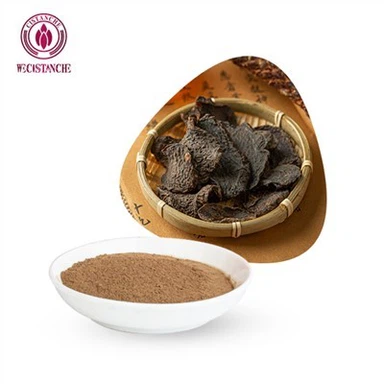
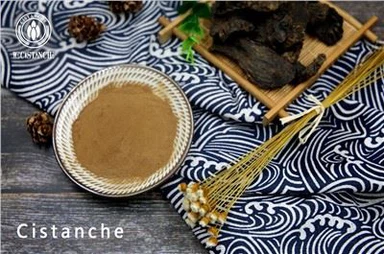
Cistanche is a traditional Chinese herbal medicine used for centuries to treat various health conditions, including kidney disease. It is derived from the dried stems of Cistanche deserticola, a plant native to the deserts of China and Mongolia. The main active components of cistanche are phenylethanoid glycosides, echinacoside, and acteoside, which have been found to have beneficial effects on kidney health.
Kidney disease, also known as renal disease, refers to a condition in which the kidneys are not functioning properly. This can result in a buildup of waste products and toxins in the body, leading to various symptoms and complications. Cistanche may help treat kidney disease ase through several mechanisms.
Firstly, cistanche has been found to have diuretic properties, meaning it can increase urine production and help eliminate waste products from the body. This can help relieve the burden on the kidneys and prevent the buildup of toxins. By promoting diuresis, cistanche may also help Reduce high blood pressure, a common complication of kidney disease.
Moreover, cistanche has been shown to have antioxidant effects. Oxidative stress, caused by an imbalance between the production of free radicals and the body's antioxidant defenses, plays a key role in the progression of kidney disease. ies help neutralize free radicals and reduce Oxidative stress, thereby protecting the kidneys from damage. The phenylethanoid glycosides found in cistanche have been particularly effective in scavenging free radicals and inhibiting lipid peroxidation.
Additionally, cistanche has been found to have anti-inflammatory effects. Inflammation is another key factor in the development and progression of kidney disease. Cistanche's anti-inflammatory properties help reduce the production of pro-inflammatory cytokines and inhibit the activation of inflammation mandatory pathways, thus alleviating inflammation in the kidneys.

Furthermore, cistanche has been shown to have immunomodulatory effects. In kidney disease, the immune system can be dysregulated, leading to excessive inflammation and tissue damage. Cistanche helps regulate the immune response by modulating the production and activity of immune cells, such as T cells and macrophages. This immune regulation helps reduce inflammation and prevent further damage to the kidneys.
Moreover, cistanche has been found to improve renal function by promoting the regeneration of renal tubes with cells. Renal tubular epithelial cells play a crucial role in the filtration and reabsorption of waste products and electrolytes. In kidney disease, these cells can be damaged, leading to damaged renal function. Cistanche's ability to promote the regeneration of these cells helps restore proper renal function and improve overall kidney health.
In addition to these direct effects on the kidneys, cistanche has been found to have beneficial effects on other organs and systems in the body. This holistic approach to health is particularly important in kidney disease, as the condition often affects multiple organs and systems. che has been shown to have protective effects on the liver, heart, and blood vessels, which are commonly affected by kidney disease. By promoting the health of these organs, cistanche helps improve overall kidney function and prevent further complications.
In conclusion, cistanche is a traditional Chinese herbal medicine used for centuries to treat kidney disease. Its active components have diuretic, antioxidant, anti-inflammatory, immunomodulatory, and regenerative effects, which help improve renal function and protect the kidneys from further damage. , cistanche has beneficial effects on other organs and systems, making it a holistic approach to treating kidney disease.