Six Causes And Treatment Of Liver Cirrhosis- Cistanche Effect On Liver Protection
Apr 18, 2022
Liver cirrhosis is the end stage of various chronic liver diseases, and its disease burden is still heavy. At present, there are about 7 million patients with liver cirrhosis in my country. The main cause is hepatitis B virus (HBV) infection. In addition, there are many patients with liver cirrhosis caused by other reasons. This article summarizes the various causes of liver cirrhosis and the treatments for protecting against liver disease.

6 causes of liver disease
Etiological treatment of liver cirrhosis
After the diagnosis of liver cirrhosis is confirmed, comprehensive treatment should be started as soon as possible. Among them, etiological treatment is the key to the treatment of liver cirrhosis. As long as there is a controllable cause, the etiological treatment should be started as soon as possible. For the above causes, the reference treatment methods are as follows:

Click here to know more about liver cirrhosis
Infectious liver disease
The etiological treatment of viral hepatitis cirrhosis is antiviral therapy; praziquantel is the first choice for schistosomiasis cirrhosis and clonorchiasis cirrhosis with active infection.
Inherited metabolic liver disease

The treatment of non-alcoholic fatty liver disease is mainly to lose weight by changing diet and lifestyle. For patients whose lifestyle intervention fails to effectively lose weight and control metabolic risk factors, it is recommended to use drugs for treatment, but the current drugs have not been confirmed. treatment effect.
Patients with Wilson disease cirrhosis should avoid eating foods rich in copper (such as shellfish, nuts, mushrooms, and animal offal), commonly used chelating agents are penicillamine, trientine, and oral zinc preparations (such as zinc acetate, dextrose) zinc acid), etc.
For hemochromatosis cirrhosis, dietary iron intake should be restricted to reduce iron absorption. Those who can tolerate can be given therapeutic phlebotomy to maintain serum ferritin concentration at 50-100 ng/ml (μg/L) and avoid transfusion of Red blood cells, which can be treated with iron chelators such as deferoxamine or deferasirox.
For patients with liver cirrhosis caused by other reasons, efforts should be made to identify the cause and then treat the cause.
Autoimmune liver disease
For untreated adult patients with autoimmune hepatitis, unless cirrhosis or acute severe disease, the "Guidelines for Diagnosis and Treatment of Autoimmune Hepatitis (2021)" recommend prednisone (Long) combined with azathioprine as the initial first-line standard treatment Program. For patients with poor response to first-line treatment or intolerance to the side effects of glucocorticoids or azathioprine, second-line treatment options include mycophenolate mofetil, tacrolimus, cyclosporine A, etc. For patients who do not respond to first- and second-line therapy, the accuracy of the original diagnosis and the patient's medication compliance should be re-evaluated. Third-line treatments include sirolimus, infliximab, and rituximab. Liver transplantation should be considered in patients with autoimmune hepatitis who progress to acute liver failure or end-stage liver disease.
At present, ursodeoxycholic acid is the only drug recommended by international guidelines for the treatment of primary biliary cholangitis. There is no unified treatment plan for patients with poor biochemical responses to ursodeoxycholic acid.
The Expert Consensus on the Diagnosis and Treatment of Primary Sclerosing Cholangitis (2015) suggests that empirical treatment of ursodeoxycholic acid can be tried in patients with primary sclerosing cholangitis, but high doses are not recommended.
Drug or chemical poison on Liver Protection
The basic principles of treatment for drug-induced liver injury are:
1 Discontinue suspected liver injury drugs in a timely manner, and try to avoid re-use of suspicious or similar drugs;
2 The progression of the primary disease and the risk of aggravation of liver injury caused by continued medication;
3. Appropriate drug therapy should be selected according to the clinical type of drug-induced liver injury;
4. If necessary, emergency liver transplantation may be considered for critically ill patients with acute liver failure.
Liver Vascular Disease
Obstruction of the hepatic outflow tract such as Budd-Chiari syndrome should be relieved; in the case of hepatic congestive cirrhosis caused by right ventricular dysfunction or constrictive pericarditis, the overload factor of the right heart should be relieved first.
Alcoholic liver disease
Current treatments for alcoholic cirrhosis focus on alcohol abstinence, aggressive nutritional therapy (rich in calories and protein), and primary and secondary prevention of complications of cirrhosis. Patients with severe alcoholic liver cirrhosis can be considered for liver transplantation, but patients are required to abstain from alcohol for 3-6 months before liver transplantation, and there is no serious alcohol damage to other organs.
FIND THE BEST BOTANICAL HOLISTIC CARE FOR LIVER PROTECTION
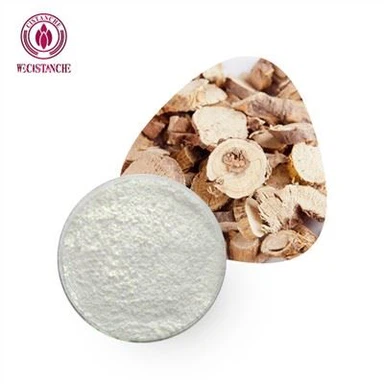
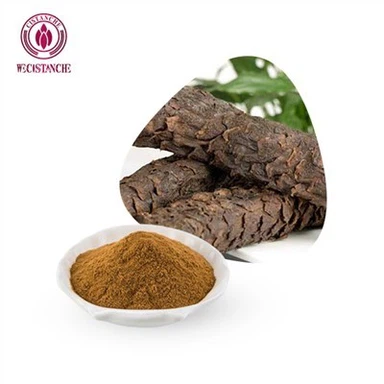
Our carefully hand-crafted protect liver formula includes the best-researched herbs and cistanche products. Each shows amazing potential for Liver prevention management, plus general nerve and neuron support overall.
Includes:

Cistanche Extract #4- Studies have shown that cistanche glycoside can significantly increase the survival rate of primary cultured hepatocytes, reduce apoptosis and necrosis, enhance the expression of cytostatic genes, and inhibit the expression of pro-apoptotic genes. And with the increase in the intake dose, these effects will be more obvious. Scientists have discovered that cistanche glycoside can reduce cell apoptosis and necrosis by increasing the expression of apoptosis-inhibiting models and reducing the expression of pro-apoptotic genes and increasing cell survival rate, thereby achieving a protective effect on primary cultured hepatocytes.