Gut-Immune-Brain Axis & Parkinson’s Disease: Natural Neuroprotective Support With Cistanche Tubulosa Extract
Jul 02, 2026
Introduction
For decades, clinical neurology defined Parkinson's disease (PD) as an isolated degenerative disorder limited to the central nervous system, marked by four hallmark motor symptoms: resting tremor, muscle rigidity, bradykinesia, and abnormal gait. Its root cause was long attributed solely to the loss of dopaminergic neurons within the brain's substantia nigra.
However, a landmark 2026 review published in The Lancet Neurology completely rewrote this understanding. Parkinson's disease is now recognized as a systemic degenerative condition that links gut microbiome dysfunction, whole-body immune inflammation, and central nerve damage. Disease onset and progression are tightly driven by intestinal flora imbalance, persistent low-grade systemic inflammation, and abnormal autoimmunity.
This article integrates top-tier clinical evidence and specialist neurology practice to unpack the full pathological chain: gut dysbiosis → immune inflammation activation → progressive neurodegeneration. We break down the decisive regulatory role of the gut-immune-brain axis, summarize actionable microecology intervention strategies, and introduce standardized Cistanche Tubulosa extract as a multi-target herbal ingredient that delivers Cistanche benefits for the human brain by targeting every stage of PD's pathological cycle. This content provides critical reference for natural supplement developers building brain-support formulas targeting neurodegeneration and gut-brain imbalance.

01 Updated Disease Framework: Intestinal Dysfunction Is the Core Pre-Motor Warning Sign
Epidemiological data confirms 60%–80% of Parkinson's patients live with chronic gastrointestinal distress, with intractable constipation being the most prevalent complaint, alongside delayed gastric emptying, bloating, and recurrent abdominal pain.
Crucially, these gut abnormalities emerge years, even up to 20 years before classic movement disorders-they stand as the most reliable prodromal biomarkers for PD. Constipation persists through pre-motor, early, and mid-stage PD, while swallowing dysfunction typically manifests in late disease, serving as a marker of advanced nerve degeneration.
This clinical pattern aligns perfectly with the classic Braak pathological hypothesis: misfolded aggregated α-synuclein, the signature toxic protein of Parkinson's, does not originate in the brain. Its initial pathological lesions develop within the intestinal enteric nervous system. The complete disease cascade is clearly established:
Imbalanced gut microbiota disrupts intestinal mucosal barrier and triggers chronic gut inflammation
Toxic intestinal α-synuclein accumulates abnormally
Toxic proteins travel upward via the vagus nerve to infiltrate the central nervous system
Dopaminergic neurons in the substantia nigra sustain damage and apoptosis
Full Parkinson's motor symptoms develop
In short, Parkinson's pathology originates in the gut, spreads systemically, and ultimately destroys brain tissue. Patients presenting with loss of smell or REM sleep behavior disorder-two key non-motor PD signs-already display pathological gut flora shifts long before motor impairment appears. This confirms gut microecology disturbance is an independent causative factor for Parkinson's, not merely a secondary side effect of the disease.

How Cistanche Tubulosa Targets Early Gut-Derived PD Pathology
Mainstream gut-support interventions like fiber or basic probiotics only partially ease constipation but fail to block α-synuclein buildup and systemic inflammation. This gap highlights unique Cistanche benefits for the human brain, rooted in dual gut and neuroprotective activity.
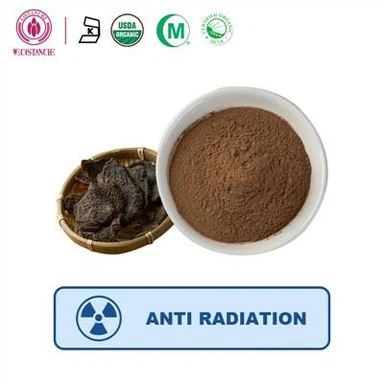
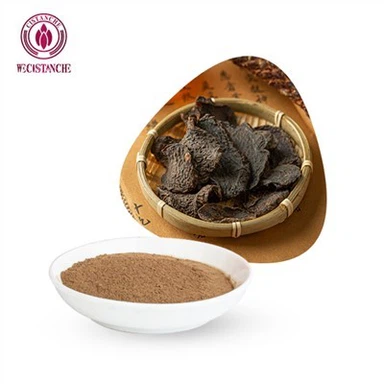
Traditional Chinese Medicine uses Cistanche Tubulosa (Rou Cong Rong, "desert ginseng") under the principle "the kidney nourishes brain marrow" to ease chronic intestinal dryness and age-related nerve decline. Unlike low-potency Cistanche deserticola, Tubulosa accumulates far higher concentrations of phenylethanoid glycosides (PhGs: echinacoside and acteoside)-its core active compounds. Our factory's concentrated standardized Cistanche Tubulosa extract delivers elevated PhG content to interrupt the gut-to-brain toxic cascade at its source.

02 Clinical Evidence: Parkinson's Patients Present a Distinctive Dysbiotic Gut Microbiome
Modern microbiome research confirms Parkinson's patients suffer drastically reduced overall gut microbial diversity, defined by two critical flora shifts directly linked to disease severity and progression: protective anti-inflammatory species depletion, and pro-inflammatory pathogenic overgrowth.
Depletion of Short-Chain Fatty Acid (SCFA) Producing Protective Flora (Core Pathogenic Trigger)
Beneficial strains including Prevotella, Faecalibacterium, Roseburia, Bacteroides, Blautia, and Coprococcus maintain intestinal homeostasis by generating SCFAs-powerful anti-inflammatory metabolites that repair gut barriers and suppress neuroinflammation. Parkinson's patients show drastically depleted levels of these bacteria, leading to insufficient SCFA synthesis, weakened intestinal defense, and sustained chronic gut inflammation that fuels α-synuclein aggregation. This flora loss is most pronounced in early and mid-stage PD.
Overabundance of Pro-Inflammatory Pathogens (Accelerates Disease Progression)
Compared to healthy populations, PD patients carry excessive levels of pro-inflammatory microbes: Akkermansia muciniphila, Enterobacteriaceae, Lactobacillus, Porphyromonas, and Hungatella. Overgrown Akkermansia erodes the intestinal mucus lining, triggering "leaky gut"; Enterobacteriaceae releases systemic endotoxins that sustain whole-body low-grade inflammation and destroy midbrain dopaminergic neurons.
Most PD patients also develop small intestinal bacterial overgrowth (SIBO), worsening gut motility, nutrient malabsorption, and interfering with the uptake of levodopa and standard PD medications-creating a vicious cycle: dysbiosis → inflammation → faster neurodegeneration → inconsistent drug efficacy. High rates of Helicobacter pylori infection further worsen motor fluctuations and treatment response.

Cistanche Tubulosa Extract Restores Balanced Gut Flora to Protect Brain Health
Preclinical multi-omics studies verify Cistanche Tubulosa polysaccharides and PhGs act as natural prebiotics to remodel gut microbiome composition, delivering two key advantages for brain protection:
Boosts proliferation of SCFA-producing beneficial bacteria, raising circulating anti-inflammatory short-chain fatty acids to repair intestinal tight junctions and reverse leaky gut
Suppresses overgrowth of endotoxin-releasing pro-inflammatory strains, lowering systemic endotoxin load and cutting off the primary peripheral trigger for neuroinflammation
Unlike generic fiber supplements that only feed flora broadly, standardized Tubulosa extract delivers targeted microbiome correction specifically aligned with the unique dysbiosis pattern seen in Parkinson's patients, forming the foundational link of Cistanche benefits for the human brain via gut homeostasis.

03 Core Mechanism: Three-Stage Neurodegeneration Driven by the Gut-Immune-Brain Axis
Gut microbiome imbalance activates systemic inflammation and autoimmunity, traveling along the gut-immune-brain axis to trigger progressive nerve damage in three sequential phases:
Step 1: Dysbiosis Destroys Intestinal Barrier Integrity
Depleted protective flora and overgrown pathogenic bacteria thin the intestinal mucus layer and break epithelial tight junctions, creating pathological leaky gut. Bacterial endotoxins, inflammatory mediators, and misfolded α-synuclein leak through damaged mucosa into the bloodstream to launch systemic pathological reactions.
Step 2: Barrier Damage Triggers Widespread Immune Dysregulation
Circulating microbial toxins disrupt immune balance: anti-inflammatory regulatory T-cells (Treg) decrease in number and function, while pro-inflammatory Th1/Th17 cells overactivate, flooding the body with IL-6, TNF-α, and IL-1β. A critical molecular mimicry reaction occurs: bacterial antigens share structural similarities with human neural proteins, confusing the immune system to mistakenly attack healthy nerve tissue and speed neurodegeneration.
Step 3: Peripheral Infiltration Triggers Central Nervous System Degeneration
Blood-borne inflammatory cytokines and toxic α-synuclein invade the brain through two routes: the vagus nerve and compromised blood-brain barrier. Once inside the central nervous system, they overactivate microglia-the brain's primary immune cells. Hyperactive microglia release continuous inflammatory mediators and oxidative stress products that selectively kill substantia nigra dopaminergic neurons, causing tremors, rigidity, and slow movement, alongside non-motor symptoms including sleep loss, anxiety, depression, and cognitive decline.

Multi-Target Neuroprotective Actions of Cistanche Tubulosa PhGs
Our high-potency Tubulosa extract addresses every stage of this three-part inflammatory cascade, expanding Cistanche benefits for the human brain beyond gut regulation to direct central nerve protection:
Suppress microglial overactivation by blocking NLRP3 and NF-κB inflammatory signaling pathways, drastically reducing brain levels of TNF-α, IL-1β, and IL-6
Activate the Nrf2 antioxidant pathway to neutralize oxidative stress, halt neuronal apoptosis, and upregulate GDNF (glial cell-derived neurotrophic factor), a vital growth factor that supports the survival of vulnerable dopaminergic neurons
Inhibit MAO-B enzyme activity to slow dopamine breakdown, preserving natural dopamine levels in the striatum and easing PD motor impairment
Block abnormal α-synuclein aggregation within intestinal and central nerve tissue, cutting off the core toxic protein that drives disease progression

04 Evidence-Based Targeted Gut Intervention Protocols for Parkinson's
Traditional Parkinson's treatment relies solely on dopamine replacement therapy and symptomatic rehabilitation, which only mask symptoms without blocking the underlying inflammatory pathological process. Modern clinical research confirms targeted gut microbiome modulation is a safe, powerful auxiliary therapy that improves both motor and non-motor symptoms while slowing nerve loss. Three evidence-backed intervention categories are widely recommended:
Prebiotic high-fiber dietary therapy (first-line, suitable for all disease stages): High soluble/insoluble fiber feeds SCFA-producing flora, lowering peripheral and cerebral neurotoxic markers and calming microglial inflammation. It delivers the strongest benefits for newly diagnosed untreated early PD patients.
Customized targeted probiotic supplementation (for relieving non-motor symptoms): Strains matched to PD-specific dysbiosis repair gut barriers, ease chronic constipation, stabilize sleep and mood, and reduce cerebral α-synuclein buildup. Generic off-the-shelf probiotics carry risks of worsening flora imbalance and accelerating disease.
Fecal Microbiota Transplant (FMT, advanced precision intervention): Phase II clinical trials validate FMT restores gut diversity, improves intestinal motility, and delivers long-term mild improvements to early PD motor symptoms with proven safety.
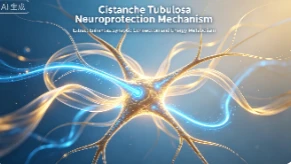
Pairing Cistanche Tubulosa Extract With Standard Gut-Brain Support Regimens
Supplement formulators can integrate standardized Cistanche Tubulosa extract into gut-brain support stacks to create differentiated, multi-target products unavailable from competing single-ingredient formulas. Combined with high-fiber prebiotics and specialized probiotics, Tubulosa extract delivers synergistic effects: it remodels gut flora, seals intestinal barriers, suppresses systemic inflammation, and directly protects midbrain neurons-covering the full gut-immune-brain axis pathway to slow neurodegeneration.
05 Standardized At-Home Gut Care Routine for Parkinson's Patients
Prioritize anti-inflammatory high-fiber meals: Leafy greens, whole grains, legumes, low-sugar berries supply fiber substrates for protective gut bacteria to sustain SCFA synthesis and suppress chronic inflammation. Limit refined sugar, ultra-processed foods, and high-fat high-sodium meals that feed pro-inflammatory pathogens.
Standardize bowel habits to block gut-derived inflammation: Chronic stool retention accumulates endotoxins and amplifies autoimmunity that worsens nerve damage. Encourage morning fasting water intake, consistent scheduled defecation, adequate daily hydration, and gentle walking to boost gut motility and break the "constipation-leaky gut-inflammation-neurodegeneration" cycle.
Avoid unregulated generic wellness products: Parkinson's gut dysbiosis follows a unique pathological pattern. Generic laxatives or one-size-fits-all probiotics fail to target the root imbalance and may accelerate disease progression. All microecology interventions should be guided by a neurology specialist, with standardized Cistanche Tubulosa extract as a science-backed herbal adjuvant.

Why Our High-Activity Cistanche Tubulosa Extract Is Ideal for Brain Health Supplement Brands
We are a specialized manufacturer exclusively producing Cistanche Tubulosa extracts (https://www.xjcistanche.com/about-us), with full vertical industrial control from dedicated desert cultivation to standardized extraction workshops. Cistanche Tubulosa naturally contains far higher levels of neuroprotective phenylethanoid glycosides (echinacoside + acteoside) compared to common Cistanche deserticola, delivering consistent, potent activity per gram of raw extract.
Our lab-verified standardized extract line offers clear market differentiation for Western nutraceutical brands developing gut-brain and neuroprotective formulas:
Remodels gut microbiota to repair leaky gut and reduce systemic inflammation
Inhibits microglial activation and pro-inflammatory cytokine release to shield dopaminergic neurons
Boosts neurotrophic factor GDNF and stabilizes brain dopamine levels
Slows toxic α-synuclein aggregation along the gut-immune-brain axis
Mild, low-toxicity herbal raw material safe for long-term daily supplementation alongside prebiotics, probiotics, and nutritional support
For formulators targeting aging adults, pre-Parkinson's prodromal populations, and consumers seeking natural alternatives to synthetic neuroprotective supplements, Cistanche Tubulosa extract is a research-backed flagship ingredient highlighting comprehensive Cistanche benefits for the human brain.

Supportive Service Of Wecistanche-For more details about cooperation
Email:Lijianlin@wecistanche.com
Conclusion
Modern Parkinson's disease management has moved far beyond simple dopamine replacement and symptom relief. Targeted gut microbiome regulation, systemic anti-inflammatory support, and neuroprotective intervention now span the full spectrum of PD prevention, treatment, and rehabilitation. The gut acts as the starting point of the gut-immune-brain axis and the primary barrier to slowing neurodegeneration. For Parkinson's patients, consistent scientific gut care is not optional wellness-it is core therapy to stabilize medication response, improve quality of life, and delay disease advancement.
As gut-brain axis research expands, precision gut microecology intervention will unlock new opportunities for early PD detection and root-cause therapy. Standardized Cistanche Tubulosa extract stands out as a unique dual gut-neuroprotective herbal ingredient that bridges TCM herbal wisdom and modern molecular neurology, offering a groundbreaking natural solution for holistic brain health support.
This article serves only educational and raw material development reference purposes. Cistanche Tubulosa extract is a natural herbal raw material, not pharmaceutical medication. It cannot replace professional medical treatment for Parkinson's disease or other neurodegenerative disorders. Individuals with neurological conditions, autoimmune disorders, pregnancy, or long-term prescription medication use must consult a licensed healthcare provider before adding herbal extracts to daily routines.