Sleep And Immunity Relationship with inflammatory response Part 1
Sep 06, 2024
Organization of the Immune System. The function of the body's immune system is to maintain its integrity and biological individuality by recognizing and eliminating foreign substances and cells.
The immune system is the body's defense system. It can identify and attack pathogens and foreign bodies and plays an important role in protecting human health. Immunity refers to the ability of the human immune system to identify and attack foreign pathogens and foreign bodies. The level of this ability directly determines the body's defense against various diseases and the speed and degree of its recovery.
How to improve your own immunity? First of all, we should maintain a healthy lifestyle, including diet, work and rest, exercise and other aspects. A reasonable diet and adequate intake of nutrients and protein are very important for improving immunity. At the same time, adequate sleep and proper exercise can also help us enhance our body's immunity.
Secondly, emotions and mental state will also have an impact on immunity. A positive attitude and happy emotions will have a positive impact on the body's immune system, while depression and repressed emotions will lead to a decline in the immune system.
Finally, we can also enhance immunity through vaccination and other methods. Vaccination allows us to quickly produce antibodies when we come into contact with pathogens, thereby effectively preventing the occurrence of diseases.
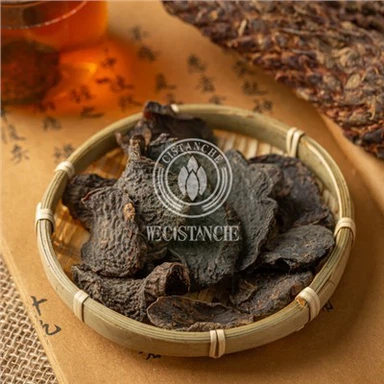
In summary, the relationship between the immune system and immunity is inseparable. We should enhance our body's immunity from multiple aspects to protect our health and happy life. It can be seen that we need to improve memory, and Cistanche can significantly improve memory because Cistanche is a traditional Chinese medicinal material with many unique effects, one of which is to improve memory. The effect of Cistanche comes from the various active ingredients it contains, including tannic acid, polysaccharides, flavonoid glycosides, etc. These ingredients can promote brain health in many ways.

Click know 10 ways to improve memory
This system is mediated by protective barriers between the surrounding environment and the body's internal milieu, as well as special cellular and humoral mechanisms countering infections.
The integrity of the skin and epithelium of the mucous membranes and the presence upon them of antimicrobial proteins and complement factors provide protection against penetration by foreign agents.
If invasion into the body occurs, innate and adaptive immunity factors come into play. The innate immunity system includes granulocytes (neutrophils, eosinophils, basophils, monocytes/tissue macrophages, dendritic cells, and unspecialized lymphocytes, i.e., natural killer (NK) cells).
Innate immunity cells can neutralize pathogens independently of type as defi ned by the most conserved properties – the presence of typical molecular structures (for example, lipopolysaccharide).
On penetration of an antigen into tissues, its recognition by macrophages or dendritic cells is followed by induction of a nonspecifi c reaction, resulting in synthesis of NF-κB, which induces infl ammation and the production of acute-phase cytokines, interferons, prostaglandins, and chemotactic factors attracting leukocytes.
The antigen is destroyed both directly via phagocytosis by phagocytes (macrophages, neutrophils, monocytes) and via damage by cytokines and complement system proteins.
Adaptive immunity cells include dendritic cells (myeloid- or lymphoid-type cells located in the tissues) and T and B lymphocytes.
Adaptive immunity is supported by the ability of cells (dendritic cells) to extract antigenic features specific to the corresponding pathogen and present them to other cells (T helpers or CD4 cells), and then on to T killer cells (CD8 cells), which begin to "hunt" for agents with the same properties, or B cells, which synthesize enormous quantities of protein substances (antibodies) which tag the foreign body and disrupt its functioning. Immunocompetent cells arise in the primary lymphoid organs – the thymus and red bone marrow.
After contact with an antigen, dendritic cells migrate to secondary lymphoid organs(lymph nodes, spleen, locally associated lymphoid tissue in organs), where they transmit information to CD4 cells, training them – from the "naïve" state they become specialized – to detect a particular antigen.
These cells assist macrophages, CD8 cells, and B cells to eliminate the pathogen.
Immune cells interact with each other using mediators, the most important of which are cytokines, and direct contact via surface molecules. Cytokines released in the framework of an adaptive immune response also can produce direct damage to foreign agents and trigger the production of acute-phase proteins.

After eliminating the antigen, most specialized T and B cells die, the remainder providing "immune memory" – ready for repeat encounters with the antigen [1, 2]. Changes in Immunity during Sleep.
The fi rst attempts to answer the question of the possible infl uence of the state of sleep on immunity were made in studies evaluating the numbers of basic immunocompetent cells in the states of sleep and waking and in conditions of sleep deprivation.
Thus, for example, in 1997, Born et al. [3] reported studies of the effects of sleep or prolonged night-time waking in people on the total number of leukocytes and the composition of different lymphocyte populations.
These authors observed that as compared with sleep deprivation, subsequent nocturnal sleep was accompanied by a decrease in the total number of leukocytes and the numbers of NK cells and various lymphocyte populations.
Numerous studies reported by other authors [1] have demonstrated reductions in the total number of leukocytes during sleep as compared with sleep deprivation.
This supports the theory that these changes are not due to circadian oscillations in the number of immunocompetent cells but are directly associated with sleep.
The authors of this study explained the reduction in the number of leukocytes in peripheral blood not in terms of changes in leukocyte production during sleep, as some investigations found these effects 3 h after going to sleep or even earlier, but in terms of a redistribution of immunocompetent cells from the peripheral bloodstream to the internal organs and lymph nodes.
Thus, Ruiz et al., [4] used a model of skin transplantation in mice (used to assess immune graft rejection reactions) and showed that the number of lymphocytes in the lymph nodes and spleen was greater in natural sleep than in sleep deprivation.
Nonetheless, just as many studies have failed to detect signifi cant changes in leukocyte counts towards either increases or decreases.
The results of all studies provide evidence at least supporting the notion that the state of sleep does not lead to increased numbers of leukocytes in the peripheral blood [1]. The same can be said about the infl uence of sleep on the total numbers of monocytes, lymphocytes, and their main subpopulations (B-lymphocytes, CD4 and CD8 T-lymphocytes, NK cells) [1].
The state of sleep has no effect on the number of basophils or eosinophils, and the number of neutrophils can decrease or remain unaltered (but cannot increase) [1].
It can be concluded that the total number of peripheral blood immunocompetent cells does not increase in association with the state of sleep. The observed reductions in some of their subpopulations may be due to migration from the bloodstream to secondary lymphoid organs, such as lymph nodes or the spleen, where animal studies have shown increases in numbers during sleep.
Assessment of the effects of sleep on the functional activity of immunocompetent cells is important. Studies reported by Irwin et al. [5] showed that NK cell activity increased during sleep but decreased on sleep deprivation.
However, increases in the duration of sleep deprivation led to the onset of recovery of NK cell activity, such that sleep is not an obligate factor for the operation of this branch of the immune system.
These facts were obtained in relation to the effects of sleep deprivation on the ability of mononuclear cells (monocytes and lymphocytes) to proliferate – these values decreased in the morning after sleep deprivation, though after a number of such nights the ability to proliferate recovered [1].
Data on the influences of sleep on humoral immunity are also exclusively contradictory. The effects of sleep and its deprivation on the production of interleukin-6 (IL-6), tumor necrosis factor α (TNF-α), and IL-1 have received the most study.
IL-1 synthesis starts in response to the introduction of microorganisms or tissue damage. This cytokine is required for the development of local inflammation and mediates the entire set of protective reactions termed the acute-phase response.
The acute-phase response includes the metabolic rearrangement of the body's activity, with fever reactions, changes in the production of various proteins, and the production of acute-phase reactant proteins (the complement system, C-reactive protein (CRP), and others).
The main cells producing IL-1 in the body are monocytes and macrophages, as well as cells with a common origin with macrophages [6]. Most studies have shown that IL-1 production decreases during sleep, while during prolonged waking in conditions of sleep deprivation it increases.
In prolonged waking, IL-1 receptor antagonist production increases, this being a homeostatic response to the increased IL-1 concentration [1].
IL-6 is the main activator of the synthesis of most acute-phase proteins in the liver (including the best-known "large" acute-phase protein CRP); it also supports the proliferation of antigen-activated B-lymphocytes, with a corresponding increase in the production of antibodies, and increases in T-killer activity.
It is synthesized by many cell types involved in initiating and regulating infl ammation and the immune response: T-lymphocytes, monocytes/macrophages, fi broblasts, etc. [6].
Both during sleep and in prolonged waking, peripheral blood IL-6 levels, as shown in a number of studies, can change in either direction or remain completely unaltered, which probably speaks against sleep having any effect on its secretion.
However, determination of IL-6 concentrations directly within lymphocytes in most investigations reveals reductions during sleep and increases during prolonged waking [1].

TNF-α is a proinfl ammatory cytokine which infl uences IL-1 and IL-6 production, inducing the death of cells with intracellular parasites and viruses and activating various types of T-lymphocytes.
It is produced by macrophages and T- and B-lymphocytes [6]. Many studies assessing the level of this cytokine have noted decreases in its concentration during sleep and increases during prolonged waking.
This applies both to the TNF-α concentration in plasma and that in intracellular fl uid, and well as to the level of expression of this protein in the tissues [1].
Sleep and Immunity
Assessing the influence of sleep on the production of these three proinflammatory cytokines leads to the conclusion that the state of normal sleep promotes reductions in the levels of their secretion.
This allows sleep to be regarded as an anti-inflammatory state. IL-2 is an important mediator of adaptive immunity, participating in forming responses to vaccination. It stimulates the growth, differentiation, and proliferation of T- and B-lymphocytes, monocytes, and macrophages and has direct cytotoxic effects. T-lymphocytes produce it in response to antigenic and mitogenic stimulation [6].
Basal IL-2 production does not respond to sleep or its deprivation, though stimulated production (for example, on vaccination) increases during sleep. Prolonged waking leads to suppression of this response [1].
The main function of IL-10 is to suppress the release of proinflammatory cytokines and the antigen-presenting function of macrophages and dendritic cells. IL-10, operating via the Th2-cell activation system (T-helper type), stimulates the proliferation and differentiation of B-lymphocytes, which are involved in protection from intestinal parasites, neutralization of bacterial toxins, and the local protection of mucous membranes.
It is produced mainly by monocytes and Th2 cells [6]. IL-4 is similar to IL-10 in terms of its anti-inflammatory action.
This cytokine regulates the transition of T-helpers from the Th0 to the Th2 state, as well as the growth and differentiation of B-lymphocytes, and antibody biosynthesis and secretion.
It suppresses the proinfl ammatory activity of macrophages and their secretion of IL-1, TNF-α, and IL-6. It is produced by Th2 lymphocytes, basophils, eosinophils, and mast cells [6].
Experiments quantifying these two anti-infl ammatory cytokines in plasma during sleep and on the background of prolonged waking did not reveal any signifi cant differences in their contents.
However, stimulated IL-10 and IL-4 production in humans during sleep decreased, indicating a decrease in anti-inflammatory activity during sleep [1]. Some studies have evaluated the proinfl ammatory/anti-infl ammatory cytokine ratio during sleep and on the background of sleep deprivation.
Dimitrov et al. [7] found an increase in the TNF/IL-4 ratio in the first half of sleep, changing to the opposite in the second half. Axelsson et al. [8] found a change in the IL-2/IL-4 ratio in the painful amatory direction during prolonged partial sleep deprivation on evaluation of blood tests in the waking period after sleep deprivation.
Thus, assessments of levels of anti-infl ammatory cytokines in the state of sleep and the ratio of proinfl ammatory/ anti-infl ammatory cytokines demonstrated opposite trends – the level of defense from infl ammation was essentially decreased during sleep.
Alternatively, there was a pattern of inflammatory/anti-inflammatory activity during sleep: the first half of the night was characterized by the dominance of inflammatory and the second by anti-inflammatory changes in the humoral compartment of immunity.
Regarding the influence of sleep on other measures of humoral immunity, such as the level of antibody secretion and the protein concentration in the complement system, data are entirely contradictory [1] and it is even more difficult to draw any definitive conclusions.
Overall, the processes occurring in the immune system during sleep can be represented as follows. The number of cellular elements in the immune response in the bloodstream decreases, evidently refl ecting migration of immunocompetent cells to secondary lymphoid organs.
This can probably hinder an effective immune response, as the first encounter with an antigen occurs in the vascular system. Along with decreases in the total number of immunocompetent cells, their activity (at least that of NK cells and mononuclear cells) in sleep increases.
As regards humoral mediators (cytokines), despite the decreases in inflammatory mediator contents during sleep, there is also a decrease in the production of anti-inflammatory cytokines at this time, which leads to a change in the ratio between them towards inflammatory cytokines.
This is understandable at least in relation to the fi rst half of sleep. The second half is characterized, conversely, by an anti-infl ammatory pattern. In attempting to put these experimental data in practice, it can be suggested that sleep facilitates the development of infl ammatory reactions arising in the framework of the immune response.
Measures of Immunity and Sleep Duration. Considering that sleep overall has a restorative function on the immune system, we might expect a reduction in the usual duration of sleep to lead to immune impairments in real conditions, giving excessively low or, conversely, elevated measures of inflammation as compared with the waking state.
Population studies have repeatedly demonstrated that insufficient (<6 h) or excessive (>9 h) sleep is associated with an increased risk of cardiovascular events and mortality. Some of these studies evaluated measures of humoral and cellular immunity.
A study involving 2500 elderly people over seven years showed that contraction of sleep time to <5 h was associated with a complex increase in the content of proinflammatory substances such as CRP, IL-6, and TNF-α, which the authors believed explained the increased mortality in this subgroup [9].
In another population study following 3000 elderly people for nine years, inflammation markers (IL-6, TNF-α, and CRP), lifestyle, and state of health provided the best explanation of the link between reduced sleep duration and increased mortality [10].
As regards measures of cellular immunity, population studies in short-sleeping (<8 h) adolescents revealed increased numbers of leukocytes, neutrophils, and monocytes, along with increases in certain T-lymphocyte subpopulations [11]. Women with short sleep durations (<7 h) also showed decreased numbers of NK cells [12].

A decrease in telomere length in immunocompetent cells was regarded as a sign of aging of immunity. Studies reported by Jackowska et al. [13] in men sleeping less than 5 h found that telomere length was 6% shorter than in those sleeping 7 h or more.
For more information:1950477648nn@gmail.com